Matt Talbot Recovery Center

2613 West North Avenue, Milwaukee, WI 53205

For more information about senior living options: (844) 490-3973

3.4 from 10 reviews
5 stars
6
4 stars
0
3 stars
0
2 stars
0
1 stars
4

Assisted Living

Overall Review of Matt Talbot Recovery Center

Pros

  • pro Many people have had their lives changed for the better in this facility.
  • pro The staff was very respectful.
  • pro If you're looking for the ritz dont bother, but if you're trying to find recovery and a new way to live this establishment might make all the difference.
  • pro This establishment might make all the difference.
  • pro They will do whatever it takes to help you out.

Cons

  • pro They claim residents are not allowed to leave or use the phone to search for housing or jobs, there is no wifi, and everyone crowds in one room to watch TV.
  • pro They describe the facility as dirty with rodents and filthy beds.
  • pro They say outside food is not allowed and hot food cannot be brought in.
  • pro They claim promised Friday/Saturday shopping trips never happen.
  • pro They state residents are spoken to like prisoners and are walked out without care when they want to leave.
  • pro They report rude and uninformed staff, with the desk staff being clueless.
  • pro They allege detox intake is slow and medical staff are lacking, risking withdrawal seizures; an ambulance was called.
  • pro They question where funding goes and whether any real help is provided.

Review

The collection of reviews about this program paints a picture of a place that elicits sharply polarized opinions. On one side, there are strong testimonials about transformation and lasting recovery; on the other, a steady drumbeat of complaints about conditions, treatment quality, and treatment culture. Taken together, the notes reveal a facility that many people visit with genuine hope for help, but that a significant number feel falls short in critical ways - especially around safety, dignity, medical care, and consistent service delivery.

Several voices emphasize profound gratitude and real, measurable life changes. One reviewer describes Matt Talbot as a place that helped them when they were headed toward an early grave, crediting the program with giving them a chance to start anew. They mention getting 90 days of program experience, moving on to sober living, and eventually securing their own apartment. Another respondent recounts a multi-year arc of sobriety - nearly seven years clean - thanks to what they describe as the program's influence, partners in the staff who offered encouragement, and the structure the facility provided. Yet another person calls out specific staff members by name, highlighting the kindness and steady support of counselors and helpers who became a crucial part of their recovery journey. In these accounts, the program is presented as a legitimate, if imperfect, pathway to recovery that helped people rebuild their lives, with the right combination of personal effort and institutional support.

Conversely, multiple reviews detail serious concerns about the living conditions, management, and safety inside the facility. Several accounts describe overcrowded sleeping arrangements - sleeping on cots with dozens of others - and the feeling of being treated more like a detainee than a resident seeking care. There are explicit complaints about cleanliness, with claims of rodent presence and filthy beds, painting a picture of a space that is not consistently sanitary or comforting for people in vulnerable states. The rules described by some reviewers - such as bans on outside food or hot foods brought in by loved ones, limited access to personal items, and a lack of basic amenities like reliable wifi - contribute to a sense of confinement. When people are in crisis, this combination of tight spaces and stringent rules can amplify distress rather than ease it, according to the narratives in these reviews.

Medical and detox experiences are a recurring sore point. A number of reviewers paint a picture of delays, miscommunication, and insufficient medical oversight during detox or withdrawal management. One account describes a seizure-prone withdrawal scenario where the person waited for a nurse while detox intake supposedly started late, ultimately needing ambulance transport rather than timely in-house care. The same account laments being sent home by Lyft after a delay that could have jeopardized their safety. Other reviewers echo these concerns with variations - delays in admitting patients, unclear or mishandled medical instructions, and a general sense that medical staff were not equipped or timely enough to provide the level of care expected in a detox setting. The frustration is palpable, especially in moments when someone fears their own health could deteriorate while waiting for attention.

Communication and staff conduct are other prominent themes. Several reviews describe staff as rude, unhelpful, and unresponsive when contacted by phone or in person. One reviewer recounts a heated exchange that culminated in a shouted refusal to escalate the matter, followed by a disruptive cut-off in conversation. Another person reports repeatedly being met with unhelpfulness when seeking information for a potential patient, reinforcing a perception that the facility may lack transparent processes or a patient-centered approach. Yet at least some reviews push back on this narrative, noting respectful treatment in other circumstances and praising particular staff members who made a meaningful difference in their lives. The discrepancy suggests inconsistent experiences tied perhaps to shifts, management, or individual personalities within the team.

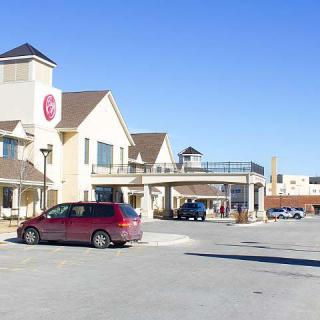
There is also confusion and a touch of controversy around the identity and presentation of the facility. A reviewer points out that the pictured location may not be the current Matt Talbot facility and notes that the real address is at 2613 W North Avenue, with a suggestion that the image may need updating. This confusion underscores a broader theme found in several reviews: while some people have directly benefited from the program, others question whether what's being presented publicly accurately reflects the day-to-day reality inside. The flood of anecdotes about both positive outcomes and negative experiences coexists with questions about branding, location accuracy, and how information about the program is conveyed to prospective clients and their families.

Finally, funding and accountability emerge as undercurrents in the discourse. Some reviewers explicitly question where funding is going and what level of accountability exists for the observed practices, particularly around staffing levels, medical readiness, and the enforcement of program rules. The sentiment is not simply about individual experiences; it's about systemic questions - how resources are allocated, how the program is supervised, and whether there is genuine oversight to ensure safety, dignity, and accessibility for those struggling with mental health, substance use, or related crises. Against these concerns stand the testimonials of people who feel they received real help, a reminder that recovery services are rarely uniformly excellent or uniformly terrible. They live somewhere in the middle, shaped by moments of effective support as well as episodes of frustration and danger.

In sum, the narratives present a facility that can be life-changing for some and deeply disappointing for others. The positive testimonials emphasize transformation, gratitude, and specific staff who made a meaningful difference. The negative reviews center on safety concerns, subpar medical care, harsh conditions, poor communication, and questions about governance and resource use. For anyone considering engagement with Matt Talbot or similar programs, the tapestry of experiences here suggests a need for careful due diligence: verify current conditions and policies, speak to multiple current and former residents, ask about medical staffing and detox protocols, and assess whether the environment and culture align with the support needed during recovery. The contrasts in these reviews highlight that recovery services can be a lifeline for some while presenting real risks for others, underscoring the importance of transparency, accountability, and continuous improvement.

Features

Housing

  • 26 resident community capacity 26 resident community capacity

Types of Care

  • Assisted Living Assisted LivingAssisted living facilities provide crucial support and care for seniors who may need help with daily tasks such as medication management, bathing, and meal preparation. These communities offer a safe and comfortable environment where seniors can maintain their independence while receiving the assistance they need to thrive in their golden years.

Amenities

  • Beauty salon Beauty salonBeauty salons are important for seniors because they provide a space for them to feel pampered, socialize, and maintain their personal grooming and hygiene. Regular visits to a beauty salon can help boost seniors' self-esteem and overall well-being.
  • Cable or satellite TV Cable or satellite TVCable or satellite TV is important for seniors because it provides entertainment, news, and companionship, helping to combat loneliness and boredom. It also offers a wide range of programming options tailored to different interests and preferences.
  • Dining room Dining roomDining rooms are important for seniors as they provide a space for socialization, connection, and nutritious meals. They offer opportunities for residents to bond over shared meals, foster a sense of community, and promote healthy eating habits. Dining rooms also ensure that seniors have access to well-balanced meals tailored to their dietary needs and preferences.
  • Fully furnished Fully furnishedFully furnished senior living communities are important for seniors because they provide convenience, comfort, and a hassle-free moving experience. Seniors can easily settle into their new living space without the stress of having to buy and move furniture. This allows them to focus on enjoying their new home and community.
  • Garden GardenGardens are important for seniors as they provide a peaceful and therapeutic environment for relaxation, physical activity, and socialization. Being in nature has been shown to reduce stress, improve mood, and promote overall well-being. Gardens also offer opportunities for seniors to engage in gardening activities, which can improve mobility, flexibility, and cognitive function. Additionally, gardens create a sense of community and connection with others who share a passion for plants and outdoor spaces.
  • Housekeeping services Housekeeping servicesHousekeeping services are important for seniors because they help maintain a clean and safe living environment, promote independence, and reduce the risk of accidents or illnesses. Additionally, having assistance with household chores can alleviate physical strain and allow seniors to focus on other aspects of their well-being.
  • Kitchenette KitchenetteKitchenettes are important for seniors living in senior living communities because they provide the convenience and independence of being able to prepare simple meals and snacks in the comfort of their own living space. This can help promote a sense of autonomy and well-being for seniors, allowing them to maintain some level of control over their dietary choices and daily routines.
  • Move-in coordination Move-in coordinationMove-in coordination is important for seniors because it helps ease the transition into their new living environment. It ensures that all logistics, such as packing, organizing movers, and setting up utilities are taken care of, allowing seniors to focus on settling in and adjusting to their new home. Having a smooth move-in process can alleviate stress and anxiety, making the transition smoother and more enjoyable for seniors.
  • Outdoor space Outdoor spaceOutdoor spaces are important for seniors as they provide opportunities for physical activity, social interaction, exposure to natural light and fresh air, and a sense of connection to nature. Having access to outdoor spaces can improve overall well-being and quality of life for older adults living in senior communities.
  • Telephone TelephoneTelephones are important for seniors as they provide a lifeline for communication with loved ones, emergency services, and healthcare providers. They offer a sense of security and independence, enabling seniors to stay connected and access assistance when needed.
  • Wi-Fi/high-speed internet available Wi-Fi/high-speed internet availableWi-Fi/high-speed internet is important for seniors to stay connected with loved ones, access online resources, and participate in virtual activities to combat feelings of loneliness and isolation. It also allows them to easily manage healthcare needs, access entertainment, and engage in lifelong learning opportunities.

Transportation

  • General Mitchell International (8 miles away) General Mitchell International (8 miles away)

Care Services

  • 24-hour call system 24-hour call system24-hour call systems are important for seniors because they provide peace of mind and immediate assistance in case of emergencies. This technology ensures that help is always available, promoting safety and security for elderly individuals living alone or in assisted living facilities.
  • 24-hour supervision 24-hour supervision24-hour supervision is important for seniors to ensure their safety, well-being, and access to immediate assistance in case of emergencies or health issues. This constant support provides peace of mind for both seniors and their loved ones, allowing them to age in place with dignity and security.
  • Activities of daily living assistance Activities of daily living assistanceActivities of daily living assistance are important for seniors because they provide essential support with tasks such as eating, bathing, dressing, and mobility. This assistance helps seniors maintain their independence, dignity, and overall quality of life as they age.
  • Assistance with bathing Assistance with bathingAssistance with bathing is crucial for seniors as it helps maintain personal hygiene, prevents infections, and ensures their overall well-being and comfort. It also provides a sense of dignity and independence for seniors who may struggle with this task on their own.
  • Assistance with dressing Assistance with dressingAssistance with dressing is important for seniors because it helps maintain their independence, promotes personal hygiene, prevents accidents and injuries, and improves overall quality of life. This service ensures that seniors can continue to dress comfortably and confidently, despite any physical limitations they may have.
  • Assistance with transfers Assistance with transfersAssistance with transfers is crucial for seniors as it helps prevent falls and injuries, maintains their independence, and ensures they can safely navigate their living environment. It also provides peace of mind for both seniors and their loved ones.
  • Coordination with health care providers Coordination with health care providersCoordination with health care providers is crucial for seniors to ensure proper medical care, medication management, and overall well-being. This collaboration helps prevent overlapping treatments, track progress more effectively, and provide comprehensive support tailored to individual needs.
  • Diabetes diet Diabetes dietA diabetes diet is crucial for seniors as it helps manage blood sugar levels, reduce risks of complications, and improve overall health and well-being. By following a balanced and nutritious diet tailored to their specific needs, seniors can better control their diabetes and enhance their quality of life.
  • Meal preparation and service Meal preparation and serviceMeal preparation and service are crucial for seniors as they may have limited mobility or energy to cook nutritious meals. Having access to healthy and convenient food options can ensure they are getting the proper nutrition needed to maintain their overall health and well-being.
  • Medication management Medication managementMedication management is crucial for seniors to ensure they are taking the right medications at the correct dosages and times. This helps prevent adverse drug interactions, reduces the risk of medication errors, and promotes overall health and well-being. Proactive management also allows for adjustments as needed based on changing health conditions or new prescriptions.
  • Mental wellness program Mental wellness programMental wellness programs are essential for seniors as they promote cognitive stimulation, emotional support, and social engagement. These programs help prevent isolation, depression, and cognitive decline, ultimately enhancing the overall quality of life for older adults.
  • Special dietary restrictions Special dietary restrictionsSpecial dietary restrictions are important for seniors because age-related changes in metabolism and health conditions can make it difficult for their bodies to process certain foods. By following a diet tailored to their specific needs, seniors can maintain their overall health and well-being, manage chronic conditions, and reduce the risk of complications such as malnutrition or food interactions with medications.
  • Transportation arrangement (medical) Transportation arrangement (medical)Transportation arrangements for medical purposes are essential for seniors as they may have difficulty driving themselves to appointments or accessing public transportation. Having reliable and safe transportation options ensures that seniors can receive timely medical care and maintain their health and well-being.
  • Transportation to doctors appointments Transportation to doctors appointmentsTransportation to doctors' appointments is crucial for seniors as it ensures they have access to necessary medical care and support for their health needs. Without reliable transportation, seniors may struggle to attend important appointments, leading to potential delays in treatment and health complications. Providing transportation services helps seniors maintain their overall well-being and quality of life.
Dining

  • Diabetes diet Diabetes dietA diabetes diet is crucial for seniors as it helps manage blood sugar levels, reduce risks of complications, and improve overall health and well-being. By following a balanced and nutritious diet tailored to their specific needs, seniors can better control their diabetes and enhance their quality of life.
  • Special dietary restrictions Special dietary restrictionsSpecial dietary restrictions are important for seniors because age-related changes in metabolism and health conditions can make it difficult for their bodies to process certain foods. By following a diet tailored to their specific needs, seniors can maintain their overall health and well-being, manage chronic conditions, and reduce the risk of complications such as malnutrition or food interactions with medications.

Activities

  • Community-sponsored activities Community-sponsored activitiesCommunity-sponsored activities are important for seniors as they provide opportunities for social interaction, mental stimulation, and physical activity. These activities can help improve overall well-being, combat loneliness and isolation, and promote a sense of belonging and purpose among older adults.
  • Scheduled daily activities Scheduled daily activitiesScheduled daily activities are important for seniors because they provide structure, socialization, mental stimulation, and physical activity. Engaging in regular activities can improve overall well-being and quality of life for seniors living in a community setting.

Description

The Matt Talbot Recovery Center in Milwaukee, WI is an assisted living community that provides a range of amenities and care services to meet the needs of its residents. The center offers fully furnished accommodations with cable or satellite TV, a dining room for communal meals, and a kitchenette for those who prefer to prepare their own meals. Housekeeping services are available to ensure a clean and comfortable living environment.

For outdoor enthusiasts, the center features a garden and outdoor space where residents can relax and enjoy nature. Wi-Fi/high-speed internet is also provided for those who wish to stay connected online.

Care services at the Matt Talbot Recovery Center include around-the-clock supervision, assistance with daily living activities such as bathing, dressing, and transfers, as well as medication management. The center also coordinates with health care providers to ensure comprehensive care for its residents. Special dietary restrictions are accommodated, including diabetes diets, and meal preparation and service is provided.

The community promotes mental wellness through its mental wellness program, which offers activities and support tailored to individual needs. Transportation arrangements for medical appointments are available, ensuring residents have easy access to necessary healthcare services.

In terms of amenities nearby, there are several cafes, parks, pharmacies, physicians' offices, restaurants, places of worship, and hospitals in close proximity to the Matt Talbot Recovery Center. This provides convenient options for entertainment or leisure activities as well as access to healthcare resources.

Overall, the Matt Talbot Recovery Center offers a supportive living environment with comprehensive care services and convenient amenities nearby.

Nearby Places of Interest

Hospitals

  • Aurora Sinai Medical Center (1.6 miles)
  • Wheaton Franciscan - St. Joseph Campus (1.8 miles)
  • Aurora Psychiatric Hospital (3.3 miles)
  • Froedtert Pavilion (4 miles)
  • Aurora St Luke's Medical Center (4.9 miles)

Pharmacies

  • Walgreens (1.6 miles)
  • Walgreens (1.8 miles)
  • Walgreens (2.2 miles)
  • Metro Market Pharmacy (2.4 miles)
  • Walgreens (2.6 miles)
  • Walgreens (2.6 miles)
  • Walgreens (2.7 miles)

Parks

  • Red Arrow Park (2.2 miles)
  • Kern Park (3 miles)
  • Lakeshore State Park (3 miles)
  • Paliafito Park (3.1 miles)
  • Estabrook Park (3.4 miles)
  • Henry Maier Festival Park (3.4 miles)
  • Hoyt Park (3.9 miles)

Restaurants

  • Veggas Pub (2.3 miles)
  • Casablanca (2.3 miles)
  • Company Brewing (2.3 miles)
  • Elsa's On the Park (2.4 miles)
  • Glorioso's Italian Market (2.5 miles)
  • The Explorium Brewpub Third Ward (2.5 miles)
  • Swingin' Door Exchange (2.5 miles)

Transportation

  • Milwaukee Intermodal Station (2.3 miles)

Cafes

  • Colectivo Lakefront (3.1 miles)
  • Starbucks (3.2 miles)
  • Starbucks (3.9 miles)
  • Colectivo Coffee (4.5 miles)
  • Starbucks (5.1 miles)

Places of Worship

  • Honey Creek Church (3.8 miles)
  • Northwest Baptist Church (4.8 miles)
  • Redemption Lutheran Church (4.9 miles)

Physicians

  • Froedtert Clinical Cancer Center (4.1 miles)
  • Froedtert Hospital (4.2 miles)
  • Aurora Health Center (5.2 miles)
  • Aurora Advanced Healthcare (5.3 miles)

Frequently Asked Questions

Where is Matt Talbot Recovery Center?

Nearby Communities

Related Resources

  • is assisted living tax deductibleIs Assisted Living Deductible on Your Taxes? Understanding the Complexities of Assisted Living Expenses and Deductions

    The deductibility of assisted living expenses on taxes hinges on factors like the individual's medical condition and service nature, typically requiring the resident to be "chronically ill" per IRS definitions. Taxpayers may deduct eligible medical expenses related to personal care services but generally not rent unless primarily for medical care, and they should maintain thorough documentation to support claims while considering itemizing versus standard deductions.

  • va benefits for assisted livingAssisted Living Support for Veterans: A Complete and Detailed Overview

    The guide highlights the importance of assisted living facilities for aging veterans needing daily support, discusses unique challenges they face, and outlines available financial assistance from the VA, including the Aid and Attendance program. It emphasizes understanding eligibility criteria and navigating the VA system to access necessary benefits effectively.

  • assisted living vs skilled nursingExploring the Contrasts Between Assisted Living and Skilled Nursing

    The article compares assisted living and skilled nursing facilities, detailing their differing levels of assistance, medical support, cost structures, and day-to-day experiences. It emphasizes that assisted living is for those needing help with daily activities while maintaining independence, whereas skilled nursing facilities provide intensive medical care with 24-hour staff supervision.