Creating Change

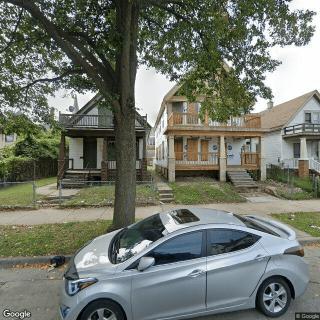
2727 North 25 Th Street, Milwaukee, WI 53206

For more information about senior living options: (844) 490-3973

3.8 from 13 reviews
5 stars
9
4 stars
0
3 stars
0
2 stars
0
1 stars
4

Assisted Living Board and Care Home

Overall Review of Creating Change

Pros

  • pro The AODA facility is a true gem, offering a welcoming environment and a team of friendly, knowledgeable staff.
  • pro They prioritize trauma-informed care, ensuring clients feel supported and empowered throughout their journey.
  • pro The treatments help individuals move forward in life with confidence, self-awareness, and a sense of freedom.
  • pro The Power of Change is praised as a compassionate and effective approach to personal growth and healing.
  • pro The staff are incredibly friendly and professional, going above and beyond to accommodate busy schedules.
  • pro Clients feel welcomed and valued at every visit.
  • pro Counselors provide guidance with coping strategies that actually work, leaving clients stronger and more confident.
  • pro The Power of Change offers a life-changing opportunity with a well-rounded recovery program and practitioners who care about the whole person and past traumas.
  • pro Clients are treated like family and are always welcomed back with open arms, never given up on.
  • pro The owner notes that the facility goes over and beyond to meet the needs of clients.

Cons

  • pro They described the staff as unorganized and as liars.
  • pro They reported arriving to find the lights off and the door locked at their appointment.
  • pro They were told about an appointment with no time or staff identified, signaling poor scheduling.
  • pro They stated they would not recommend the place to their worst enemy.
  • pro They called it absolutely the worst place to obtain a license back.

Review

The Power of Change, an AODA facility, emerges in these impressions as a place that many find deeply welcoming and genuinely supportive. Several reviewers highlight a calming, trauma-informed approach that feels designed to honor each person's history while guiding them toward meaningful forward momentum. The general tone is one of care, with clients describing a space where treatments aim to cultivate confidence, self-awareness, and a sense of personal freedom. For some, the experience is described as beautiful and transformative, leading them to strongly recommend the program to others seeking compassionate and effective pathways for growth and healing.

A recurring theme across the affirmations is the warmth and professionalism of the staff. Reviewers consistently praise the friendliness and expertise of the team, noting that staff members go above and beyond to accommodate busy schedules and to ensure that appointments fit into their lives. The sense that clients are welcomed and valued is emphasized repeatedly, with comments about staff who "genuinely care about their patients and their needs." This combination of approachability and professionalism contributes to an atmosphere that many describe as both supportive and empowering, making it easier for clients to engage with treatment and recovery processes.

Personal narratives within the collection of reviews spotlight the direct impact of counseling. One individual recounts grappling with anxiety daily before working with their counselor, who provided coping strategies that proved practical and effective in everyday life. The reviewer attributes a significant shift in strength and confidence to the counselor's guidance, expressing gratitude and encouraging others facing mental health challenges to reach out. This testimony underscores the facility's emphasis on practical tools and ongoing support, illustrating how therapeutic relationships can help individuals navigate difficult periods and reclaim a sense of agency.

Beyond individual therapy, several comments frame Power of Change as a catalyst for broader life changes. One reviewer describes the program as offering a well-rounded recovery path with skilled practitioners who address the whole person, including past traumas, thereby educating clients to make better decisions moving forward. The narrative conveys a sense that the center is not only about managing symptoms but about transforming life trajectories, even inspiring a shift toward a new professional direction in addiction services. For those seeking change, this account positions The Power of Change as a recommended resource worth exploring.

However, not all experiences are free from friction. A number of reviewers recount logistical missteps that overshadow or complicate the experience. In one instance, a client scheduled online received a notification that the facility was closed on the morning of the appointment, prompting a rescheduling that ultimately led to frustration. Another reviewer described arriving for a scheduled time only to find the lights off and the door locked, which contributed to a sense of disorganization. There are also accounts of miscommunication about appointments - one caller reportedly receiving vague guidance like "you're good on Saturday" with no clear indication of the time or the specific provider - leading to strong feelings about unreliability and unprofessionalism.

One particularly harsh voice argues that the facility is "the worst place to attempt to obtain your license back," urging readers not to step through the doors. This sentiment reflects a broader critique about organization and reliability, contrasting sharply with the more positive portrayals. A separate harsh assessment uses even stronger language, labeling the staff as unorganized and deceitful. Taken together, these criticisms highlight a spectrum of experiences and remind prospective clients that, for some, administrative and logistical aspects may significantly affect overall satisfaction.

Amid these mixed notes, there are also more personal and enduring affirmations. A reviewer who identifies themselves as the owner of the facility states a strong commitment to going beyond the basics to meet client needs, inviting others to come in and share the experience. This declaration adds a different layer to the narrative, suggesting that some individuals connected to the center's leadership are actively engaged in shaping its culture and client experience. In another hopeful thread, a contributor who had once stopped attending notes that the staff still welcomes them back with open arms after slips, emphasizing an unwavering spirit of inclusion and forgiveness that keeps the door open for recovery.

Taken together, the collection paints a nuanced portrait of The Power of Change. On one hand, numerous clients describe a supportive environment grounded in trauma-informed care, with friendly, professional staff and impactful counseling that fosters resilience and growth. They speak of meaningful changes in mood, coping skills, and life direction and offer enthusiastic recommendations. On the other hand, there are clear reminders that experience with the facility can be clouded by organizational hiccups and inconsistent communication, leading to disappointment or frustration for some individuals. These divergent threads illustrate a facility that is capable of profound positive impact for many, while also facing challenges in operations and consistency that potential clients may want to consider as they decide whether to engage with its programs.

Features

Housing

  • 4 resident community capacity 4 resident community capacity

Types of Care

  • Assisted Living Assisted LivingAssisted living facilities provide crucial support and care for seniors who may need help with daily tasks such as medication management, bathing, and meal preparation. These communities offer a safe and comfortable environment where seniors can maintain their independence while receiving the assistance they need to thrive in their golden years.
  • Board and Care Home Board and Care HomeBoard and care homes provide a smaller, more intimate setting for seniors who require assistance with daily tasks but do not need the level of care offered by a nursing home. They offer personalized care, meals, and social activities in a homelike environment, ensuring that seniors receive individualized attention and support in their golden years.

Amenities

  • Cable or satellite TV Cable or satellite TVCable or satellite TV is important for seniors because it provides entertainment, news, and companionship, helping to combat loneliness and boredom. It also offers a wide range of programming options tailored to different interests and preferences.
  • Dining room Dining roomDining rooms are important for seniors as they provide a space for socialization, connection, and nutritious meals. They offer opportunities for residents to bond over shared meals, foster a sense of community, and promote healthy eating habits. Dining rooms also ensure that seniors have access to well-balanced meals tailored to their dietary needs and preferences.
  • Fully furnished Fully furnishedFully furnished senior living communities are important for seniors because they provide convenience, comfort, and a hassle-free moving experience. Seniors can easily settle into their new living space without the stress of having to buy and move furniture. This allows them to focus on enjoying their new home and community.
  • Garden GardenGardens are important for seniors as they provide a peaceful and therapeutic environment for relaxation, physical activity, and socialization. Being in nature has been shown to reduce stress, improve mood, and promote overall well-being. Gardens also offer opportunities for seniors to engage in gardening activities, which can improve mobility, flexibility, and cognitive function. Additionally, gardens create a sense of community and connection with others who share a passion for plants and outdoor spaces.
  • Housekeeping services Housekeeping servicesHousekeeping services are important for seniors because they help maintain a clean and safe living environment, promote independence, and reduce the risk of accidents or illnesses. Additionally, having assistance with household chores can alleviate physical strain and allow seniors to focus on other aspects of their well-being.
  • Move-in coordination Move-in coordinationMove-in coordination is important for seniors because it helps ease the transition into their new living environment. It ensures that all logistics, such as packing, organizing movers, and setting up utilities are taken care of, allowing seniors to focus on settling in and adjusting to their new home. Having a smooth move-in process can alleviate stress and anxiety, making the transition smoother and more enjoyable for seniors.
  • Outdoor space Outdoor spaceOutdoor spaces are important for seniors as they provide opportunities for physical activity, social interaction, exposure to natural light and fresh air, and a sense of connection to nature. Having access to outdoor spaces can improve overall well-being and quality of life for older adults living in senior communities.
  • Telephone TelephoneTelephones are important for seniors as they provide a lifeline for communication with loved ones, emergency services, and healthcare providers. They offer a sense of security and independence, enabling seniors to stay connected and access assistance when needed.
  • Wi-Fi/high-speed internet available Wi-Fi/high-speed internet availableWi-Fi/high-speed internet is important for seniors to stay connected with loved ones, access online resources, and participate in virtual activities to combat feelings of loneliness and isolation. It also allows them to easily manage healthcare needs, access entertainment, and engage in lifelong learning opportunities.

Transportation

  • General Mitchell International (9 miles away) General Mitchell International (9 miles away)

Care Services

  • 24-hour supervision 24-hour supervision24-hour supervision is important for seniors to ensure their safety, well-being, and access to immediate assistance in case of emergencies or health issues. This constant support provides peace of mind for both seniors and their loved ones, allowing them to age in place with dignity and security.
  • Activities of daily living assistance Activities of daily living assistanceActivities of daily living assistance are important for seniors because they provide essential support with tasks such as eating, bathing, dressing, and mobility. This assistance helps seniors maintain their independence, dignity, and overall quality of life as they age.
  • Assistance with bathing Assistance with bathingAssistance with bathing is crucial for seniors as it helps maintain personal hygiene, prevents infections, and ensures their overall well-being and comfort. It also provides a sense of dignity and independence for seniors who may struggle with this task on their own.
  • Assistance with dressing Assistance with dressingAssistance with dressing is important for seniors because it helps maintain their independence, promotes personal hygiene, prevents accidents and injuries, and improves overall quality of life. This service ensures that seniors can continue to dress comfortably and confidently, despite any physical limitations they may have.
  • Assistance with transfers Assistance with transfersAssistance with transfers is crucial for seniors as it helps prevent falls and injuries, maintains their independence, and ensures they can safely navigate their living environment. It also provides peace of mind for both seniors and their loved ones.
  • Coordination with health care providers Coordination with health care providersCoordination with health care providers is crucial for seniors to ensure proper medical care, medication management, and overall well-being. This collaboration helps prevent overlapping treatments, track progress more effectively, and provide comprehensive support tailored to individual needs.
  • Diabetes diet Diabetes dietA diabetes diet is crucial for seniors as it helps manage blood sugar levels, reduce risks of complications, and improve overall health and well-being. By following a balanced and nutritious diet tailored to their specific needs, seniors can better control their diabetes and enhance their quality of life.
  • Meal preparation and service Meal preparation and serviceMeal preparation and service are crucial for seniors as they may have limited mobility or energy to cook nutritious meals. Having access to healthy and convenient food options can ensure they are getting the proper nutrition needed to maintain their overall health and well-being.
  • Medication management Medication managementMedication management is crucial for seniors to ensure they are taking the right medications at the correct dosages and times. This helps prevent adverse drug interactions, reduces the risk of medication errors, and promotes overall health and well-being. Proactive management also allows for adjustments as needed based on changing health conditions or new prescriptions.
  • Special dietary restrictions Special dietary restrictionsSpecial dietary restrictions are important for seniors because age-related changes in metabolism and health conditions can make it difficult for their bodies to process certain foods. By following a diet tailored to their specific needs, seniors can maintain their overall health and well-being, manage chronic conditions, and reduce the risk of complications such as malnutrition or food interactions with medications.
  • Transportation arrangement (medical) Transportation arrangement (medical)Transportation arrangements for medical purposes are essential for seniors as they may have difficulty driving themselves to appointments or accessing public transportation. Having reliable and safe transportation options ensures that seniors can receive timely medical care and maintain their health and well-being.
  • Transportation to doctors appointments Transportation to doctors appointmentsTransportation to doctors' appointments is crucial for seniors as it ensures they have access to necessary medical care and support for their health needs. Without reliable transportation, seniors may struggle to attend important appointments, leading to potential delays in treatment and health complications. Providing transportation services helps seniors maintain their overall well-being and quality of life.

Dining

  • Diabetes diet Diabetes dietA diabetes diet is crucial for seniors as it helps manage blood sugar levels, reduce risks of complications, and improve overall health and well-being. By following a balanced and nutritious diet tailored to their specific needs, seniors can better control their diabetes and enhance their quality of life.
  • Special dietary restrictions Special dietary restrictionsSpecial dietary restrictions are important for seniors because age-related changes in metabolism and health conditions can make it difficult for their bodies to process certain foods. By following a diet tailored to their specific needs, seniors can maintain their overall health and well-being, manage chronic conditions, and reduce the risk of complications such as malnutrition or food interactions with medications.

Activities

  • Community-sponsored activities Community-sponsored activitiesCommunity-sponsored activities are important for seniors as they provide opportunities for social interaction, mental stimulation, and physical activity. These activities can help improve overall well-being, combat loneliness and isolation, and promote a sense of belonging and purpose among older adults.
  • Scheduled daily activities Scheduled daily activitiesScheduled daily activities are important for seniors because they provide structure, socialization, mental stimulation, and physical activity. Engaging in regular activities can improve overall well-being and quality of life for seniors living in a community setting.

Description

Welcome to our assisted living community in Milwaukee, WI. We are dedicated to providing a safe and comfortable environment for seniors in need of board and care services.

Our community offers a range of amenities to ensure our residents feel at home. Our dining room provides delicious meals prepared by our experienced staff, taking into consideration any special dietary restrictions. Each living space is fully furnished, creating a cozy and welcoming atmosphere. Our well-maintained garden and outdoor space allows residents to enjoy the fresh air and beautiful surroundings.

To ensure the well-being of our residents, we offer various care services. Our trained staff provides assistance with activities of daily living, such as bathing, dressing, and transfers. We coordinate with health care providers to ensure comprehensive care and medication management. For those with specific dietary needs related to diabetes or other conditions, we provide specialized diet plans.

We understand how important it is for our residents to maintain an active lifestyle, which is why we organize scheduled daily activities. These activities cater to different interests and abilities, keeping our residents engaged and entertained.

Our convenient location in Milwaukee provides easy access to various amenities essential for daily life. There are numerous cafes, parks, pharmacies, restaurants, places of worship nearby for residents to explore and enjoy. Additionally, transportation arrangements can be made for medical needs or doctors' appointments.

At our assisted living community in Milwaukee, WI, we strive to create a warm environment where seniors can receive the support they need while enjoying a fulfilling lifestyle surrounded by a supportive community.

Nearby Places of Interest

Pharmacies

  • Walgreens (1.6 miles)
  • Walgreens (2.1 miles)
  • Walgreens (2.2 miles)
  • Walgreens (2.6 miles)
  • Metro Market Pharmacy (2.6 miles)
  • Walgreens (2.8 miles)
  • CVS Pharmacy (2.9 miles)

Hospitals

  • Wheaton Franciscan - St. Joseph Campus (1.6 miles)
  • Aurora Sinai Medical Center (2 miles)
  • Aurora Psychiatric Hospital (3.6 miles)
  • Froedtert Pavilion (4.3 miles)
  • Aurora St Luke's Medical Center (5.5 miles)

Restaurants

  • Company Brewing (2.2 miles)
  • Veggas Pub (2.2 miles)
  • The Tracks (2.4 miles)
  • Casablanca (2.4 miles)
  • McDonald's (2.5 miles)
  • Glorioso's Italian Market (2.6 miles)
  • Elsa's On the Park (2.7 miles)

Parks

  • Red Arrow Park (2.5 miles)
  • Kern Park (2.7 miles)
  • Estabrook Park (2.9 miles)
  • Lakeshore State Park (3.3 miles)
  • Paliafito Park (3.6 miles)
  • Henry Maier Festival Park (3.7 miles)
  • Atwater Park (3.9 miles)

Transportation

  • Milwaukee Intermodal Station (2.8 miles)

Cafes

  • Colectivo Lakefront (3.1 miles)
  • Starbucks (3.4 miles)
  • Starbucks (4.2 miles)
  • Colectivo Coffee (5 miles)
  • Starbucks (5.3 miles)

Places of Worship

  • Honey Creek Church (4.2 miles)
  • Redemption Lutheran Church (4.4 miles)
  • Northwest Baptist Church (4.6 miles)

Physicians

  • Froedtert Clinical Cancer Center (4.4 miles)
  • Froedtert Hospital (4.5 miles)
  • Aurora Advanced Healthcare (5.3 miles)
  • Aurora Nephrology (5.5 miles)
  • Aurora Health Center (5.5 miles)

Frequently Asked Questions

Where is Creating Change?

Nearby Communities

Related Resources

  • does medicaid pay for assisted livingUnderstanding Medicaid Coverage for Assisted Living: A Comprehensive Guide

    The guide outlines the complexities of Medicaid coverage for assisted living, highlighting significant state-to-state variations, limited coverage often restricted to personal care services, and the existence of specialized waivers for certain needs like memory care. It advises families to consult local Medicaid offices for options while emphasizing the importance of understanding state-specific regulations and facility policies.

  • does medicaid pay for assisted livingHow and When Medicaid May Cover Assisted Living Costs

    Medicaid coverage for assisted living varies by state and is primarily available to low-income individuals, with eligibility dependent on strict income and asset limits. Some states offer HCBS waivers for specific services in assisted living, but families must generally cover room and board costs, and should verify facility acceptance of Medicaid while considering potential waiting lists.

  • assisted living waiver programA Detailed Exploration of Assisted Living Medicaid Waivers Across the United States

    Medicaid waivers for assisted living services provide vital support for seniors and individuals with disabilities in need of long-term care, with varying state-specific eligibility criteria and benefits. These waivers cover personal care and case management but often do not fully cover room and board, leading to waiting lists for many applicants.