Urban Living II

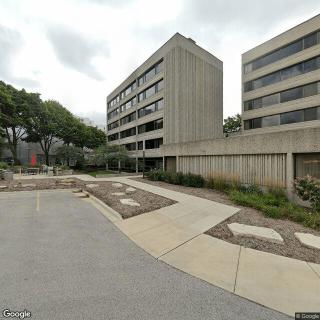
1919 North 19 Th Street, Milwaukee, WI 53205

For more information about senior living options: (844) 490-3973

4.1 from 96 reviews
5 stars
52
4 stars
23
3 stars
7
2 stars
3
1 stars
11

Assisted Living Board and Care Home Memory Care

Overall Review of Urban Living II

Pros

  • pro The shop is a cute little store with great Milwaukee merch.
  • pro It offers a great assortment of Milwaukee souvenirs in a cozy space.
  • pro The staff is friendly and helpful, answering questions about the area.
  • pro The owner and staff are amazing and the shop is a must-stop for tourists.
  • pro It's an underrated shop with many gift options and is highly recommended.
  • pro The items are of high quality, including shirts, magnets, puzzles, candles, coasters, and more.
  • pro It features vintage collectibles and wall art for unique Milwaukee keepsakes.
  • pro The shop provides careful packaging to help travelers transport purchases.

Cons

  • pro The store was very warm inside and the cashier did not acknowledge any customers.
  • pro Many items were overpriced, with some reviewers calling the prices gouging.
  • pro The shop is small and there isn't enough space to move around.
  • pro The cashier was more interested in his music than his job.
  • pro The employee never acknowledged customers, making the shopping experience uncomfortable.
  • pro The store had inconsistent hours and was often closed when customers arrived.
  • pro There was not much variety for a small shop, and the prices seemed overpriced.
  • pro Some reviewers felt the owners or staff were rude or unhelpful.

Review

Over a birthday weekend in Wisconsin (August 7?9, 2025), a tiny Milwaukee souvenir shop along a downtown corridor became the focal point of mixed experiences for visitors from out of town. Several reviewers paint a picture of a compact, cozy space that is loaded with Milwaukee-themed items - postcards, posters, breweriana, books, magnets, and a handful of vintage pieces. The shop's size is repeatedly described as "small" and "cramped," with a note that there isn't a lot of room to move around. Yet many reviewers also describe shelves and shelves of local flavor, enough to feel like a genuine local gift shop rather than a generic tourist stand-in. Some visitors left with a couple of glasses or a handful of keepsakes, while others left wishing the store were larger or priced more moderately.

Service experiences in the shop span a broad spectrum. A number of reviewers recall unwelcoming or inattentive staff, with phrases like "the cashier lady/young girl didn't welcome or acknowledge anybody" and notes that the person behind the counter stayed seated and disengaged. One account explicitly mentions the cashier being "more interested in his music than his job," contributing to a sense of a chilly first impression for some guests. On the other hand, several shoppers describe positive, helpful interactions: staff who were happy to answer questions about the area, a knowledgeable owner, or workers who assisted with practical needs (like packaging a large print securely for travel). Another review calls the staff "super cool" and helpful, distinguishing a few clearly standout service moments from the more indifferent ones. The variance in experiences highlights how a small, intimate shop can feel very different depending on who is working a given day.

Product selection and pricing sit at the heart of the shop's appeal and its controversy. For many visitors, the store delivers exactly what they came for: a curated Milwaukee souvenir mix that includes a vibrant array of postcards, wall art, shirts, magnets, candles, coasters, puzzles, and vintage collectibles. The store is frequently praised as a solid spot for Milwaukee gifts and as a reliable place to find items that feel authentic to the city. Several reviewers describe it as a "great little gem downtown" with a broad selection of books, posters, and decor that captures the local vibe. Yet price sensitivity surfaces repeatedly. Reviewers describe items that feel "overpriced," with concrete examples such as a thin shirt priced around $60 and sweatshirts near $48. Magnets and small accessories show more modest price points, but even those balance against some items that seem to price gouge for a touristy store. A few comments acknowledge that while some items are pricey, others represent fair or reasonable gift shop pricing, depending on the item and the quality.

The shop's operating hours and accessibility are another recurring thread. Several reviews mention the store being closed when visitors arrived, sometimes at mid-afternoon. One reviewer found the shop closed at 1:20 pm and then opened later at 1:45 pm, only to encounter the shock of pricey merchandise and limited options. Another visitor noted walking 30 minutes in the heat only to find the door shut, with the implication that the posted hours were not reliable. There are also comments that the store seems to be open only on select days or during short windows, with one user characterizing it as "literally only open two hours a week." These inconsistencies can leave travelers frustrated, especially when they're trying to squeeze a quick visit into a busy itinerary. Still, other reviewers report Sunday openings and a sense that, when open, the shop offers a strong, satisfying Milwaukee souvenir experience.

Despite the occasional frustrations, there is a strong thread of appreciation for what the shop offers. Many reviews describe it as a welcoming option for visitors wanting a local keepsake without slogging through vast chains of tourist shops. The shop is praised for its Milwaukee focus, with glowing remarks about finding exactly what one needs to remember a trip - whether a postcard, a framed piece of art, or a distinctive keepsake that nods to local culture and history. Several customers specifically highlight the quality and the unique items, including vintage brewery-themed pieces, local artist contributions, and a mix of giftable goods. The shop earns praise as a place that celebrates Milwaukee's character rather than simply selling "junk," a distinction some reviewers emphasize when comparing it to beach-town or generic souvenir stores elsewhere.

Beyond the everyday shopping experience, a few anecdotes underscore the shop's role in the broader travel story. One review references discovering the Milwaukee pin and the idea of the "people's flag," suggesting a moment of local history and pride that enlarged the meaning of a simple purchase. A shopper recounts how the store's staff offered practical help during a trip - packaging a large print so it could travel safely on a plane, a small but meaningful gesture that resonated with the traveler. Another reviewer notes discovering a strong sense of local culture through the shop's combination of modern Milwaukee merchandise and vintage collectibles, describing the space as a hub of "hidden treasures." There are even stories of seamless online-to-offline experiences, such as a customer who ordered online, faced a temporary store setback due to a fire, and then received swift, reliable delivery once the situation was resolved - an anecdote that casts the shop in a positive light for efficiency and care under atypical circumstances.

In sum, the sentiment around this Milwaukee souvenir shop sits at a crossroads of charm and contention. The space is celebrated for its tight-knit, downtown flavor, its curated selection of Milwaukee-centric gifts, and the sense that you're shopping somewhere that truly understands the city. It is also criticized for its small footprint, occasional price sensitivity, and inconsistent service that can affect the shopping mood on any given day. Hours and access can be unpredictable, which can be a letdown for tourists trying to fit a visit into a tight schedule. For visitors who prize authentic Milwaukee memorabilia and don't mind paying a premium for boutique items, the shop can feel like a treasure trove and a memorable stop. For those who place a higher priority on value, spacious browsing, and consistently warm customer service, it can be a tougher fit. Overall, it remains a distinctive, locally flavored stop that many travelers will remember - whether for the goods it offers or the lessons learned about downtown shopping during a Wisconsin weekend.

Features

Housing

  • 4 resident community capacity 4 resident community capacity

Types of Care

  • Assisted Living Assisted LivingAssisted living facilities provide crucial support and care for seniors who may need help with daily tasks such as medication management, bathing, and meal preparation. These communities offer a safe and comfortable environment where seniors can maintain their independence while receiving the assistance they need to thrive in their golden years.
  • Board and Care Home Board and Care HomeBoard and care homes provide a smaller, more intimate setting for seniors who require assistance with daily tasks but do not need the level of care offered by a nursing home. They offer personalized care, meals, and social activities in a homelike environment, ensuring that seniors receive individualized attention and support in their golden years.
  • Memory Care Memory CareMemory care is crucial for seniors as it provides specialized support and services for individuals with dementia or Alzheimer's disease. These programs offer a safe and secure environment where residents receive personalized care, cognitive stimulation, and help with daily activities. Memory care helps seniors maintain their independence, quality of life, and dignity while also providing peace of mind for their families.

Amenities

  • Cable or satellite TV Cable or satellite TVCable or satellite TV is important for seniors because it provides entertainment, news, and companionship, helping to combat loneliness and boredom. It also offers a wide range of programming options tailored to different interests and preferences.
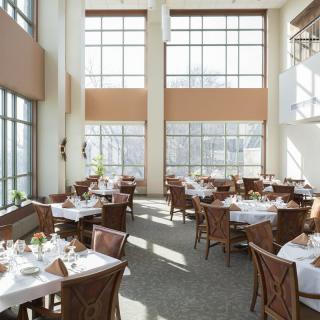
  • Dining room Dining roomDining rooms are important for seniors as they provide a space for socialization, connection, and nutritious meals. They offer opportunities for residents to bond over shared meals, foster a sense of community, and promote healthy eating habits. Dining rooms also ensure that seniors have access to well-balanced meals tailored to their dietary needs and preferences.
  • Fully furnished Fully furnishedFully furnished senior living communities are important for seniors because they provide convenience, comfort, and a hassle-free moving experience. Seniors can easily settle into their new living space without the stress of having to buy and move furniture. This allows them to focus on enjoying their new home and community.
  • Garden GardenGardens are important for seniors as they provide a peaceful and therapeutic environment for relaxation, physical activity, and socialization. Being in nature has been shown to reduce stress, improve mood, and promote overall well-being. Gardens also offer opportunities for seniors to engage in gardening activities, which can improve mobility, flexibility, and cognitive function. Additionally, gardens create a sense of community and connection with others who share a passion for plants and outdoor spaces.
  • Housekeeping services Housekeeping servicesHousekeeping services are important for seniors because they help maintain a clean and safe living environment, promote independence, and reduce the risk of accidents or illnesses. Additionally, having assistance with household chores can alleviate physical strain and allow seniors to focus on other aspects of their well-being.
  • Move-in coordination Move-in coordinationMove-in coordination is important for seniors because it helps ease the transition into their new living environment. It ensures that all logistics, such as packing, organizing movers, and setting up utilities are taken care of, allowing seniors to focus on settling in and adjusting to their new home. Having a smooth move-in process can alleviate stress and anxiety, making the transition smoother and more enjoyable for seniors.
  • Outdoor space Outdoor spaceOutdoor spaces are important for seniors as they provide opportunities for physical activity, social interaction, exposure to natural light and fresh air, and a sense of connection to nature. Having access to outdoor spaces can improve overall well-being and quality of life for older adults living in senior communities.
  • Telephone TelephoneTelephones are important for seniors as they provide a lifeline for communication with loved ones, emergency services, and healthcare providers. They offer a sense of security and independence, enabling seniors to stay connected and access assistance when needed.
  • Wi-Fi/high-speed internet available Wi-Fi/high-speed internet availableWi-Fi/high-speed internet is important for seniors to stay connected with loved ones, access online resources, and participate in virtual activities to combat feelings of loneliness and isolation. It also allows them to easily manage healthcare needs, access entertainment, and engage in lifelong learning opportunities.

Transportation

  • General Mitchell International (8 miles away) General Mitchell International (8 miles away)

Care Services

  • 24-hour supervision 24-hour supervision24-hour supervision is important for seniors to ensure their safety, well-being, and access to immediate assistance in case of emergencies or health issues. This constant support provides peace of mind for both seniors and their loved ones, allowing them to age in place with dignity and security.
  • Activities of daily living assistance Activities of daily living assistanceActivities of daily living assistance are important for seniors because they provide essential support with tasks such as eating, bathing, dressing, and mobility. This assistance helps seniors maintain their independence, dignity, and overall quality of life as they age.
  • Assistance with bathing Assistance with bathingAssistance with bathing is crucial for seniors as it helps maintain personal hygiene, prevents infections, and ensures their overall well-being and comfort. It also provides a sense of dignity and independence for seniors who may struggle with this task on their own.
  • Assistance with dressing Assistance with dressingAssistance with dressing is important for seniors because it helps maintain their independence, promotes personal hygiene, prevents accidents and injuries, and improves overall quality of life. This service ensures that seniors can continue to dress comfortably and confidently, despite any physical limitations they may have.
  • Assistance with transfers Assistance with transfersAssistance with transfers is crucial for seniors as it helps prevent falls and injuries, maintains their independence, and ensures they can safely navigate their living environment. It also provides peace of mind for both seniors and their loved ones.
  • Coordination with health care providers Coordination with health care providersCoordination with health care providers is crucial for seniors to ensure proper medical care, medication management, and overall well-being. This collaboration helps prevent overlapping treatments, track progress more effectively, and provide comprehensive support tailored to individual needs.
  • Dementia waiver Dementia waiverDementia waivers are essential for seniors as they provide critical protections and accommodations for those experiencing cognitive decline. These waivers ensure individuals with dementia receive appropriate care, support, and resources to maintain their quality of life and dignity as they navigate the challenges of this progressive condition.
  • Diabetes diet Diabetes dietA diabetes diet is crucial for seniors as it helps manage blood sugar levels, reduce risks of complications, and improve overall health and well-being. By following a balanced and nutritious diet tailored to their specific needs, seniors can better control their diabetes and enhance their quality of life.
  • Hospice waiver Hospice waiverHospice waivers are important for seniors because they allow individuals to receive specialized end-of-life care and support at home or in a hospice facility. This waiver ensures that seniors can access the necessary resources and services to maintain comfort and dignity during their final days.
  • Meal preparation and service Meal preparation and serviceMeal preparation and service are crucial for seniors as they may have limited mobility or energy to cook nutritious meals. Having access to healthy and convenient food options can ensure they are getting the proper nutrition needed to maintain their overall health and well-being.
  • Medication management Medication managementMedication management is crucial for seniors to ensure they are taking the right medications at the correct dosages and times. This helps prevent adverse drug interactions, reduces the risk of medication errors, and promotes overall health and well-being. Proactive management also allows for adjustments as needed based on changing health conditions or new prescriptions.
  • Mental wellness program Mental wellness programMental wellness programs are essential for seniors as they promote cognitive stimulation, emotional support, and social engagement. These programs help prevent isolation, depression, and cognitive decline, ultimately enhancing the overall quality of life for older adults.
  • Mild cognitive impairment Mild cognitive impairment"Mild cognitive impairment" is important for seniors because it is an early stage of cognitive decline that can potentially progress to more severe conditions such as dementia. Recognizing and addressing mild cognitive impairment can help seniors receive appropriate care and support to maintain their quality of life and independence for as long as possible.
  • Special dietary restrictions Special dietary restrictionsSpecial dietary restrictions are important for seniors because age-related changes in metabolism and health conditions can make it difficult for their bodies to process certain foods. By following a diet tailored to their specific needs, seniors can maintain their overall health and well-being, manage chronic conditions, and reduce the risk of complications such as malnutrition or food interactions with medications.
  • Specialized memory care programming Specialized memory care programmingSpecialized memory care programming is crucial for seniors with cognitive impairments such as dementia or Alzheimer's disease. These programs provide a safe and supportive environment tailored to the unique needs of individuals with memory loss, helping them maintain their independence, dignity, and quality of life.
  • Transportation arrangement (medical) Transportation arrangement (medical)Transportation arrangements for medical purposes are essential for seniors as they may have difficulty driving themselves to appointments or accessing public transportation. Having reliable and safe transportation options ensures that seniors can receive timely medical care and maintain their health and well-being.
  • Transportation to doctors appointments Transportation to doctors appointmentsTransportation to doctors' appointments is crucial for seniors as it ensures they have access to necessary medical care and support for their health needs. Without reliable transportation, seniors may struggle to attend important appointments, leading to potential delays in treatment and health complications. Providing transportation services helps seniors maintain their overall well-being and quality of life.

Dining

  • Diabetes diet Diabetes dietA diabetes diet is crucial for seniors as it helps manage blood sugar levels, reduce risks of complications, and improve overall health and well-being. By following a balanced and nutritious diet tailored to their specific needs, seniors can better control their diabetes and enhance their quality of life.
  • Special dietary restrictions Special dietary restrictionsSpecial dietary restrictions are important for seniors because age-related changes in metabolism and health conditions can make it difficult for their bodies to process certain foods. By following a diet tailored to their specific needs, seniors can maintain their overall health and well-being, manage chronic conditions, and reduce the risk of complications such as malnutrition or food interactions with medications.

Activities

  • Community-sponsored activities Community-sponsored activitiesCommunity-sponsored activities are important for seniors as they provide opportunities for social interaction, mental stimulation, and physical activity. These activities can help improve overall well-being, combat loneliness and isolation, and promote a sense of belonging and purpose among older adults.
  • Scheduled daily activities Scheduled daily activitiesScheduled daily activities are important for seniors because they provide structure, socialization, mental stimulation, and physical activity. Engaging in regular activities can improve overall well-being and quality of life for seniors living in a community setting.

Description

Urban Living II in Milwaukee, WI is an exceptional assisted living community that offers a range of care services and amenities to cater to the unique needs of its residents. With a focus on providing high-quality care in a comfortable and homely environment, this community is dedicated to ensuring the well-being and happiness of every individual.

Residents at Urban Living II can choose between board and care home or memory care options, depending on their specific needs. The community boasts a fully furnished living area, creating a cozy and inviting atmosphere for residents to feel at home. Additionally, the outdoor space and garden offer a tranquil retreat where residents can relax and enjoy nature.

Care services provided at Urban Living II include assistance with activities of daily living such as bathing, dressing, and transfers. The experienced staff also assists with medication management, ensuring that every resident receives the correct dosage at the right time. A mental wellness program is available to support residents' emotional well-being.

The community places great emphasis on dining experiences by accommodating special dietary restrictions and offering meal preparation and service. Residents can look forward to delicious, nutritious meals tailored to their dietary needs.

To keep residents engaged and entertained, scheduled daily activities are organized to suit varying interests. Whether it's participating in group exercises or enjoying social gatherings, there are plenty of opportunities for residents to interact with one another and foster meaningful connections.

Urban Living II is conveniently located near various amenities that enhance residents' quality of life. With cafes, parks, pharmacies, restaurants, transportation options, places of worship, and hospitals nearby, access to essential services is never far away.

Overall, Urban Living II in Milwaukee offers a warm and welcoming environment where seniors can thrive in a supportive community. From personalized care services to engaging activities and convenient amenities nearby, residents can enjoy an enriched lifestyle while receiving the assistance they need

Nearby Places of Interest

Hospitals

  • Aurora Sinai Medical Center (1 miles)
  • Wheaton Franciscan - St. Joseph Campus (2.4 miles)
  • Aurora Psychiatric Hospital (3.7 miles)
  • Froedtert Pavilion (4.4 miles)
  • Aurora St Luke's Medical Center (4.6 miles)

Pharmacies

  • Walgreens (1.5 miles)
  • Walgreens (1.6 miles)
  • Walgreens (1.6 miles)
  • Metro Market Pharmacy (1.8 miles)
  • Walgreens (2.2 miles)
  • CVS Pharmacy (2.2 miles)
  • Walgreens (2.4 miles)

Parks

  • Red Arrow Park (1.6 miles)
  • Lakeshore State Park (2.4 miles)
  • Paliafito Park (2.6 miles)
  • Henry Maier Festival Park (2.8 miles)
  • Kern Park (2.8 miles)
  • Estabrook Park (3.4 miles)
  • Atwater Park (4 miles)

Restaurants

  • Casablanca (1.7 miles)
  • Elsa's On the Park (1.8 miles)
  • Veggas Pub (1.9 miles)
  • The Explorium Brewpub Third Ward (1.9 miles)
  • Shah Jee's Restaurant (1.9 miles)
  • Swingin' Door Exchange (1.9 miles)
  • Glorioso's Italian Market (1.9 miles)

Transportation

  • Milwaukee Intermodal Station (1.7 miles)

Cafes

  • Colectivo Lakefront (2.5 miles)
  • Starbucks (3.6 miles)
  • Colectivo Coffee (4 miles)
  • Starbucks (4.2 miles)
  • Starbucks (4.6 miles)

Places of Worship

  • Honey Creek Church (4.2 miles)
  • Redemption Lutheran Church (5.4 miles)
  • Northwest Baptist Church (5.4 miles)

Physicians

  • Froedtert Clinical Cancer Center (4.5 miles)
  • Froedtert Hospital (4.6 miles)

Frequently Asked Questions

Where is Urban Living II?
Does Urban Living II provide care for residents with dementia or Alzheimer's disease?

Nearby Communities

Related Resources

  • end stage dementiaComprehensive Insights on the Late Stages of Dementia: What to Expect and How to Provide Care

    The article discusses the late stages of dementia, detailing the progression from mild to severe impairment and highlighting key characteristics such as profound cognitive decline and dependency in daily activities. It emphasizes care strategies focused on comfort and dignity, the importance of advance directives, and the emotional support needed for family caregivers facing this challenging journey.

  • list of drugs linked to dementiaMedications Associated with Dementia Risk: A Comprehensive Overview

    The article examines the link between certain medications and increased dementia risk, particularly in older adults, emphasizing that long-term or high-dose use of anticholinergics, benzodiazepines, and other drug classes can exacerbate cognitive impairment. It calls for careful medication evaluation and shared decision-making to mitigate these risks while managing treatment efficacy.

  • power of attorney for elderly parentGuiding Your Journey: Understanding Power of Attorney for Elderly Parents

    The article emphasizes the significance of establishing a power of attorney for elderly parents to enable an agent to make decisions on their behalf regarding health and finances, especially during cognitive or physical decline. It outlines various types of power of attorney, the importance of consulting legal professionals, and the responsibilities and challenges faced by agents, while also discussing alternatives and common misconceptions.