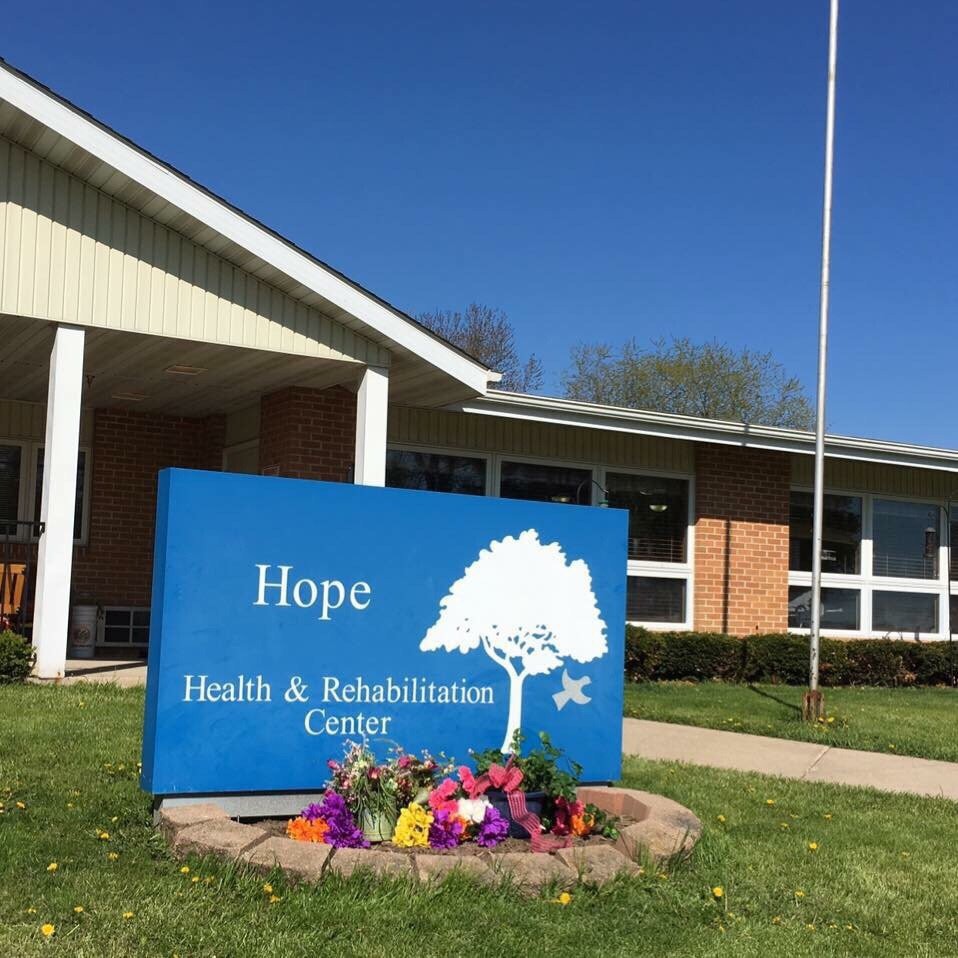

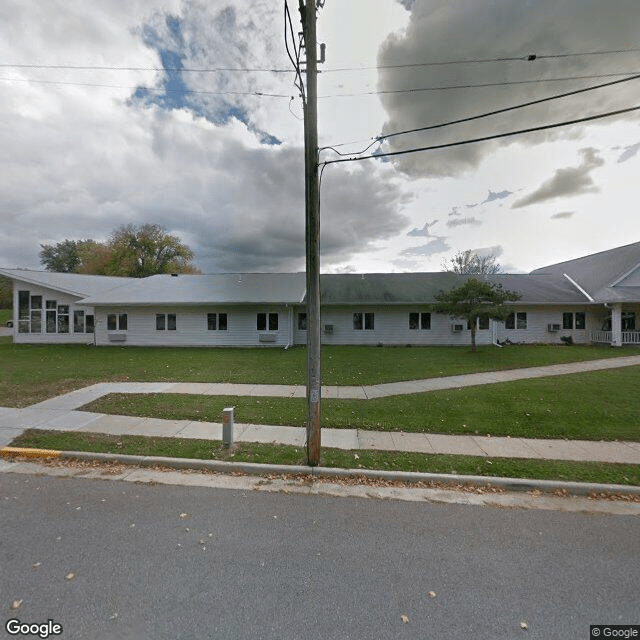
475 Grove Street, Lomira, WI 53048
For more information about senior living options: (866) 208-4318
Hope Senior Living Costs & Pricing
At Hope Senior Living, the monthly costs for accommodations reflect a commitment to quality care and comfortable living. For a one-bedroom unit, residents can expect to pay $3,895, which is notably higher than both Fond du Lac County's average of $3,506 and Wisconsin's state average of $3,412. The two-bedroom option also carries a premium at $5,095, surpassing the county average of $3,920 and the state average of $3,111. These figures indicate that while Hope Senior Living may be priced above local and statewide competitors, this pricing structure likely aligns with enhanced services and amenities that cater specifically to the needs of seniors in a supportive environment.
| Floor plans | Hope Senior Living | Fond du Lac County | Wisconsin |
|---|---|---|---|
| 1 Bedroom | $3,895 | $3,506 | $3,412 |
| 2 Bedrooms | $5,095 | $3,920 | $3,111 |
Memory care communities with a similar price nearby
-
from +$305 / mo

River Way Place
$4,200 / month17.6 miles away -
from -$695 / mo
Liberty House
$3,200 to $3,500 / month11.8 miles away -
from +$380 / mo
The Waterford at Hartford
$4,275 to $7,400 / month19.2 miles away -
About the same
Eden Vista of Fond du Lac
$3,970 / month13.0 miles away -
from -$345 / mo
Cedarhurst of Jackson
$3,550 to $4,700 / month22.3 miles away
Overall Review of Hope Senior Living
Pros
 Hope Senior Living provides competent and loving care.
- The staff consistently goes above and beyond to meet residents' needs.
- Patti, the facility manager, pours her heart into the residents and staff.
- The caring attitude permeates the rest of the staff.
- Each person who enters a resident's room genuinely cares about them.
- Residents feel very loved at Hope Senior Living.
- The environment is a blessing, thanks to the presence of loving and caring individuals.
Cons
 The reviewer would not recommend the facility for anyone.
- The reviewer’s mother experienced issues during therapy after a hip replacement.
- Call lights were not answered in a timely fashion.
- The mother’s oxygen machine was not set high enough and could not reach it.
- A family across the hall used pure bleach to clean their room, causing severe breathing problems for the reviewer’s mother.
- Bleach is not allowed to be used in the nursing home/facility.
Review
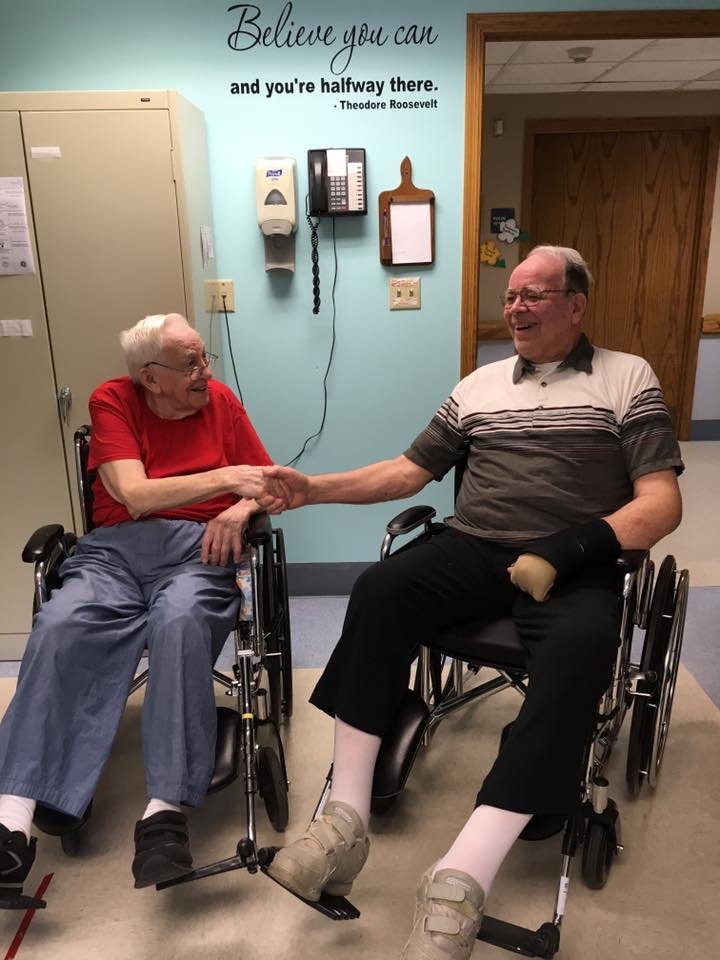
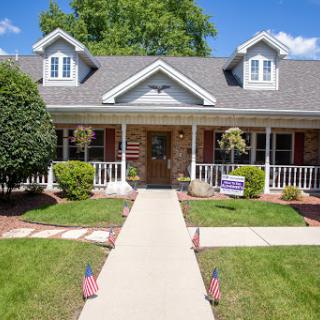
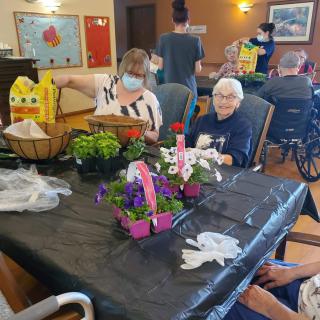
Hope Senior Living in Lomira is best suited for families that prize a warm, home-like atmosphere with deeply engaged, compassionate staff who treat residents like family. This community tends to shine for seniors who want meaningful personal connections, consistent kindness from the team, and a sense that care is tailored to the individual. The setting and atmosphere are often described as beautiful and welcoming, with activities that feel robust and thoughtfully designed. For loved ones who light up at the idea of a small, communal feel where staff know names and routines, Hope Senior Living can feel like a rare and meaningful home base during a challenging life transition.
The strongest case for Hope Senior Living rests on its people and culture. Multiple accounts highlight staff that “go above and beyond,” with leadership, especially the facility manager, permeating a can-do attitude that translates into genuine, daily care. Families repeatedly note that care is not merely transactional but emotionally supportive: residents feel seen and valued, and staff members genuinely strive to meet both practical needs and personal preferences. Even when a resident cannot participate in every activity, the sense that the place is invested in well-being remains evident. These intangible benefits, trust, warmth, and continuity, are the core strengths that elevate the living experience beyond basic custodial care.
Nonetheless, there are clear caution flags that families cannot ignore. A pattern emerges around responsiveness and safety that warrants close scrutiny. One review highlights delayed call-light responses during a therapy stay, a red flag for households where timely assistance is nonnegotiable. Another review raises a concrete safety concern: inappropriate handling of oxygen needs and equipment setup, with a separate complaint about a cleaning agent being used in a way that triggered respiratory problems. The reminder that bleach use is not appropriate in a nursing environment further underscores the importance of strict adherence to clinical and safety standards. Taken together, these examples signal real gaps in operations that some residents and families will find unacceptable, especially when medical fragility is involved.
These pros and cons do not exist in a vacuum. The strong, resident-centered culture can offset many concerns for seniors who thrive on personal attention and social connection, and for families who prioritize daily reassurance over institutional rigidity. The tangible warmth, caregivers who are consistently described as loving, activities that feel thoughtfully developed, and a leadership team that models dedication, can translate into a higher quality of life and peace of mind for long-term stays. When the loved one’s priorities are connection, meaningful engagement, and a stable, affectionate daily routine, the positives often outweigh the observed operational gaps.
For families weighing a move, practical steps sharpen the decision. During visits, evaluate not only the atmosphere but the response norms: ask for specifics on call-light response times and how quickly staff intervene for residents with mobility or respiratory needs. Inquire about oxygen equipment management and the facility’s policy on cleaning and chemical use to prevent triggers for sensitive individuals. Speak with current residents and families about consistency of care, the cadence of activities, and the degree of staff familiarity with each resident’s preferences. Request a transparent care plan review and ask how care would be tailored if a medical regimen intensifies or changes.
In the end, Hope Senior Living offers a compelling option for families prioritizing warmth, personal connection, and a strong sense of community. It is a strong fit for those who want a welcoming, caregiver-led environment where staff commitments translate into genuine daily comfort. However, it is not the best fit for every scenario, particularly for seniors needing highly reliable medical oversight, rigor in safety protocols, or consistently rapid call-response in urgent moments. For such cases, exploring alternatives with more explicit medical infrastructure may be wise. A thoughtful tour, candid questions, and direct conversations with staff and residents will reveal whether this community aligns with the loved one’s needs and expectations.
 32 resident community capacity
 Assisted Living
 Memory Care
 Activities on-site
 Beauty salon
 Cable or satellite TV
 Devotional services off-site
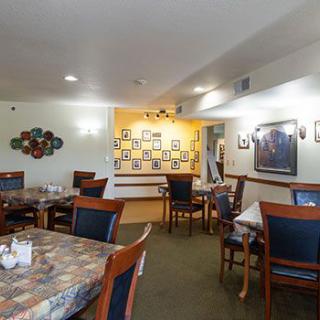
 Dining room
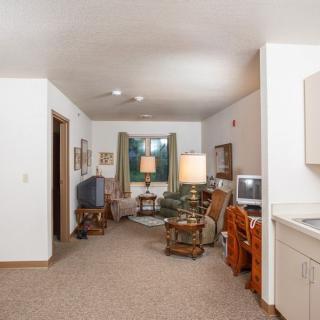
 Fully furnished
 Garden
 Housekeeping services
 Indoor common areas
 Kitchenette
 Move-in coordination
 Outdoor space
 Restaurant-style dining
 Small library
 Telephone
 Wi-Fi/high-speed internet available
 24-hour call system
 Ambulatory care
 Assistance with bathing
 Assistance with dressing
 Assistance with transfers
 Diabetes diet
 Diabetic care
 Medication management
 Mental wellness program
 Special dietary restrictions



 Dementia Behaviors: In-Depth Understanding and Effective Coping Strategies
 5 Early Indicators of Dementia and What You Can Do
 8 Important Indicators That Memory Care May Be Necessary