
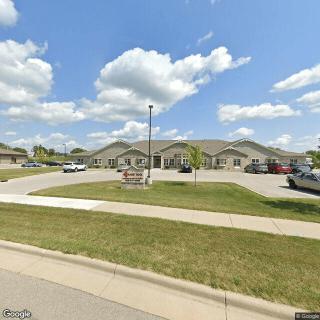
1 Hartwig Drive, Johnson Creek, WI 53038
For more information about senior living options: (866) 208-4318
Overall Review of The View At Johnson Creek
Pros
 The building is beautiful and the staff are amazing.
- The place is state-of-the-art and families feel comfortable with their loved ones living there.
- The staff, the food, and the cleanliness are impressive.
- Residents are treated like family.
- The therapy is great and helps residents go home.
- The View at Johnson Creek comes highly recommended.
- Residents are making friends and enjoying engaging activities.
- The lunch was delicious.
Cons
 The reviewer was disappointed by the smell of urine and by staff being on their phones.
- The facility was very poorly run.
- They noted that more staff were needed so the residents wouldn't have to run around so much.
- The experience was described as unpleasant.
Review
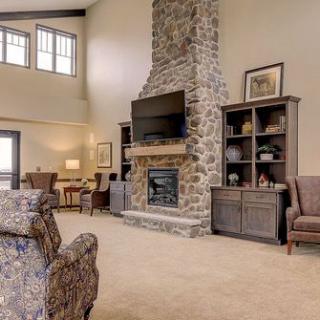
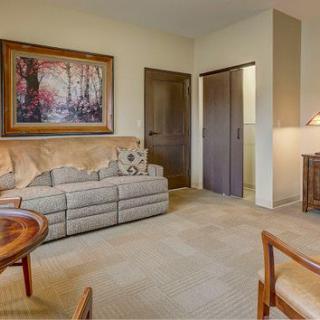
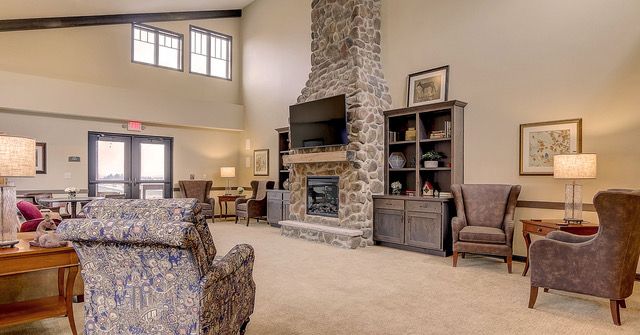
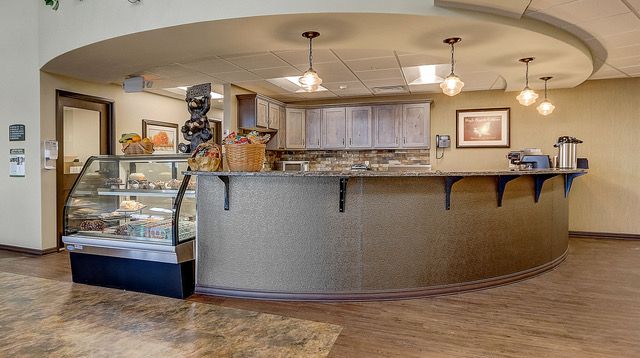
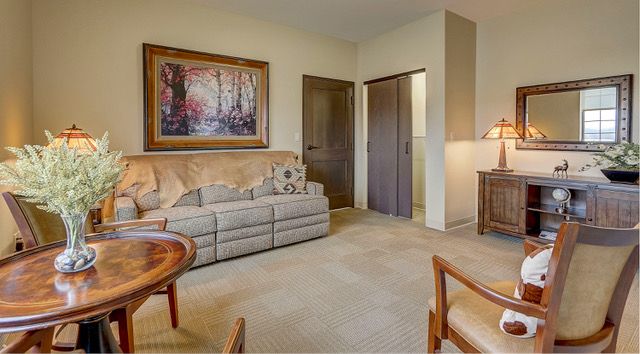
The View At Johnson Creek is best suited for families seeking a modern, amenity-rich assisted living option where rehabilitation potential, social engagement, and a home-like staff culture matter most. The environment is bright, well-maintained, and designed to impress, with residents who benefit from structured activities, accessible therapy services, and daily opportunities to connect with others likely to feel at home. The combination of a polished building, dependable food quality, and frontline staff who treat residents like family makes this community appealing to those who prioritize quality of life as much as care oversight. It works especially well for seniors aiming to rebound from a health setback and re-enter life with support and companionship.
However, there are reasons to consider alternatives. For families where consistent, well-run operations are non-negotiable, The View raises questions. Several reviews flag operational gaps: recurring concerns about staffing levels, reports of staff distracted by phones, and a sense that leadership and daily routines are not as tightly managed as expected. A tour note mentioning an unpleasant odor and remarks about under-resourced shifts should trigger caution. If memory care needs or very high supervision are necessary, or if transparent accountability and regulatory diligence are top priorities, exploring other options with a more stable staffing model and clearer oversight is prudent.
Key pros driving satisfaction include the building’s design and cleanliness, which receive strong praise, and a staff culture described as warm and attentive. Guests and residents cite therapy services as a standout, with stories of rehab helping someone return home and improvements in mood and engagement for others. The culinary quality and regular social programming add to a sense of a thriving community, with residents forming friendships and participating in activities. Taken together, these strengths provide a solid daily life foundation that can offset occasional lapses, making the community a compelling choice for families prioritizing a positive, active environment.
The most serious red flags, however, revolve around operations and staffing. First impressions from tours about odors hint at cleanliness gaps, and there are persistent concerns about staff being stretched thin or distracted, including on-the-job phone use. Reviews labeling the facility as poorly run and calling for regulatory scrutiny signal governance issues that could affect consistency of care. The impression that staff are rushed and unable to give timely, individualized attention cannot be ignored. When these problems intersect with strong clinical and social offerings, the result is a mixed picture that demands careful vetting before committing.
Balancing the positives against the negatives, the rehab pathway, generally compassionate staff in many shifts, and a lively activity calendar can deliver meaningful improvements in independence and quality of life. In real terms, these strengths can offset some daily inefficiencies if the care plan is clear, communication remains frequent, and families stay closely involved. Yet the cons are not trivial: ongoing staffing gaps and management questions can undermine consistency, particularly for residents with higher needs or rigid routines. Prospective families should be prepared to advocate actively and verify concrete metrics, such as staffing coverage, response times, and care plan execution, before selecting this community.
Practical next steps for decision-making include arranging tours at different times to observe interactions, wait times, and cleanliness, and asking for current staffing ratios by shift along with examples of daily care plan execution. Speaking with current residents or families about consistency of care and responsiveness offers real insight. Inquire about memory-support offerings if applicable and the scope of rehab services, including therapy hours and progress tracking. If the answers feel reassuring and the day-to-day lived experience aligns with the facility’s strengths, The View At Johnson Creek stands as a strong candidate. If doubt persists about operational reliability, comparing with alternatives known for steadier oversight and fewer red flags will be essential to choosing a long-term home that reliably meets expectations.
 64 resident community capacity
 Assisted Living
 Air-conditioning
 Beauty salon
 Cable or satellite TV
 Computer center
 Dining room
 Fitness room
 Fully furnished
 Gaming room
 Garden
 Housekeeping services
 Kitchenette
 Move-in coordination
 Outdoor space
 Private bathrooms
 Restaurant-style dining
 Small library
 Telephone
 Wellness center
 Wi-Fi/high-speed internet available
 Community operated transportation
 12-16 hour nursing
 24-hour call system
 Activities of daily living assistance
 Assistance with bathing
 Assistance with dressing
 Assistance with transfers
 Diabetes diet
 Medication management
 Mental wellness program
 Special dietary restrictions
 Transportation arrangement (medical)
 Concierge services
 Planned day trips



 Understanding the Distinctions: Assisted Living and Memory Care Explained
 Guiding Elderly Parents Who Refuse Assisted Living: 6 Practical Steps
 Your Comprehensive Guide to Luxury Assisted Living: Elevated Facilities, Amenities, and Costs