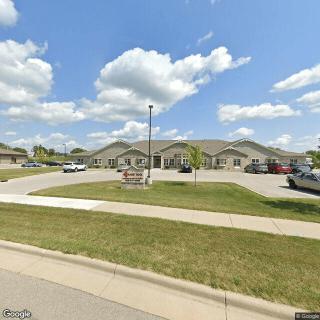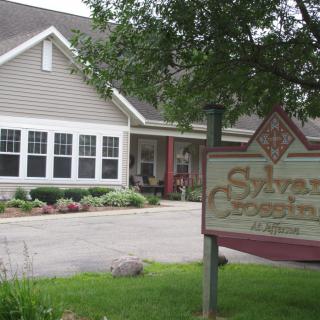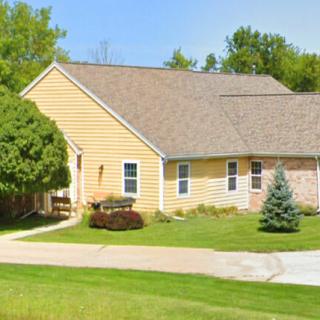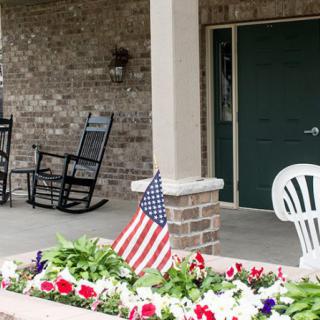
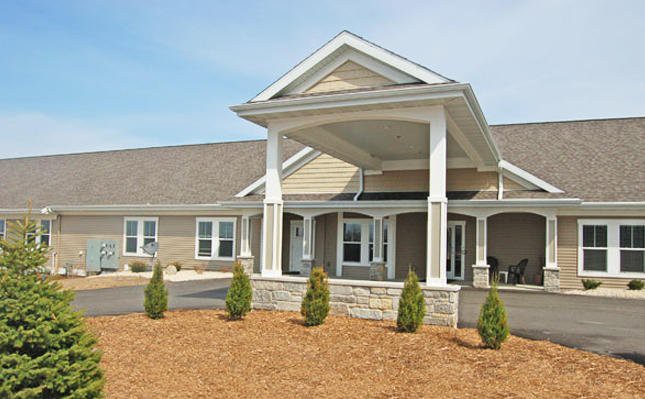
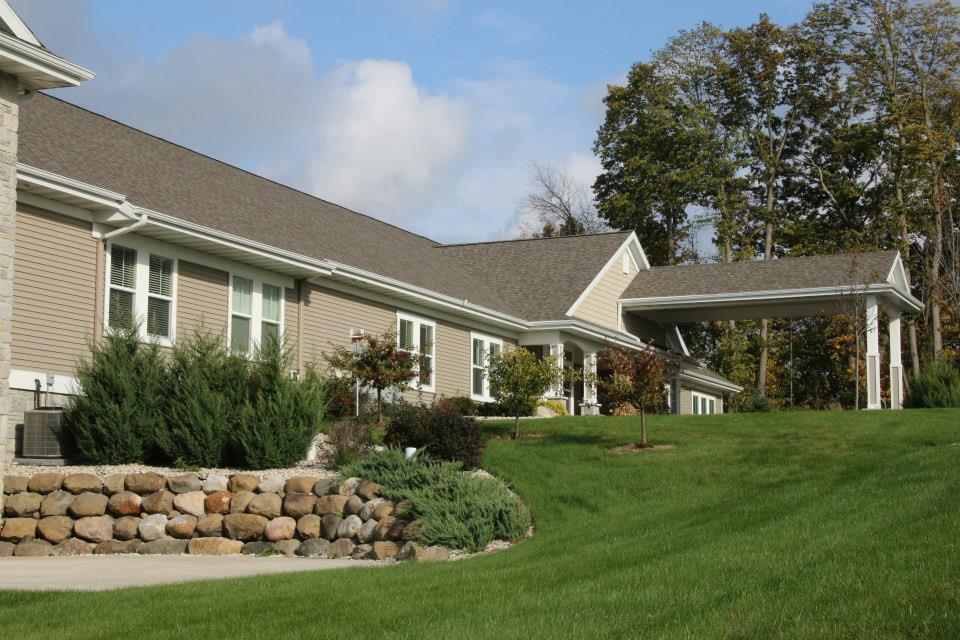


Sunset Ridge Assisted Living in Johnson Creek, WI

Save

Sunset Ridge Assisted Living in Johnson Creek, WI

Information last verified:

1275 Remmel Drive, Johnson Creek, WI 53094

For more information about senior living options: (844) 490-3973

3.9 from 16 reviews
5 stars
9
4 stars
2
3 stars
2
2 stars
1
1 stars
2

Sunset Ridge Assisted Living Costs & Pricing

Sunset Ridge Assisted Living offers a competitive pricing structure for its residents, with monthly costs reflecting the quality of care and services provided. For a studio room, the cost is $4,900, which is significantly higher than the Jefferson County average of $4,197 but above the statewide figure of $3,999. In contrast, the one-bedroom option at Sunset Ridge is priced at $5,645. This rate not only exceeds the county's average of $6,082 but also stands out when compared to Wisconsin's statewide rate of just $3,412. These figures suggest that while Sunset Ridge Assisted Living may be on the higher end locally and statewide for certain accommodations, they likely justify their pricing with enhanced amenities and personalized care that appeals to those seeking an elevated living experience in assisted living environments.

Floor plansSunset Ridge Assisted LivingJefferson CountyWisconsin
Studio$4,900$4,197$3,999
1 Bedroom$5,645$6,082$3,412

Overall Review of Sunset Ridge Assisted Living

Pros

  • pro Sunset Ridge is a clean, well cared-for assisted living community.
  • pro The staff are very friendly and accommodating.
  • pro The facility is very clean.
  • pro Lights are answered promptly.
  • pro There are nice activities for residents to participate in, including exercise classes.
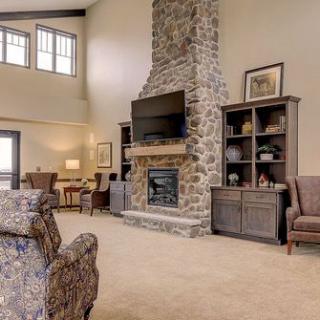
  • pro The building, living spaces, dining room and resident’s rooms are lovely and inviting.
  • pro The care staff is excellent and evidently loves the people they care for.
  • pro One resident now calls Sunset Ridge her home.

Cons

  • pro They were lied to by the facility about the care and what would be done for their mother; the care was horrible.
  • pro Most of the workers have zero knowledge about dementia.
  • pro Food is served on paper plates and plastic silverware, and nothing is made from scratch.
  • pro The staff are nice but often clueless and care is inconsistent; staff turnover is very high.
  • pro Residents hear about short staffing, yet staff are on their phones and resting often.
  • pro After the best activities person left, activities diminished to almost nothing, and the hallways are very dark.
  • pro There was a caregiver shortage that left their daughter with little to no help with morning cares.
  • pro They would not recommend Sunset Ridge and would suggest the View in Johnson Creek instead.

Review

Sunset Ridge Assisted Living in Johnson Creek is best suited for families seeking a clean, welcoming single-site community with dependable daily routines and friendly front-line staff, provided turnover doesn’t spike. The building projects a home-like feel, with responsive staff on the floor and a calm atmosphere that supports residents who can manage with standard assisted-living support. It works well for those who prioritize having activities and social engagement, plus a facility that generally handles meals, housekeeping, and basic care well when needs stay moderate. For families dealing with advanced dementia, high-acuity medical needs, or a need for highly consistent, specialized care, alternatives should be explored, there are credible concerns about consistency and clinical oversight here.

On the positive side, the setting is orderly and clean; staff who are present are described as cheerful, accommodating, and patient. Lights are answered promptly and the environment feels safe and well-kept. Several residents benefit from engaging activities, exercise classes, and purposeful programming, at least during peaks of staffing. Family members have reported transitions that went smoothly when a resident’s care plan was being implemented, and some testimonials credit the team with genuine warmth and reliability during everyday moments.

However, the most persistent red flags center on understaffing and turnover. Multiple accounts describe caregivers with insufficient time for morning cares or for meaningful interaction, with care plans that aren’t consistently carried out. Dementia training appears inconsistent, with some frontline staff lacking confidence in handling cognitive impairment. Reports of bedsores, stalled mobility, and meals not being placed within reach underline serious gaps in basic caregiving routines. Handoff communication is flagged as unreliable, and promised on-site nursing support to visitors several times a week rarely materialized, replaced by intermittent visits that left families anxious about oversight. Food quality ranges, from well-regarded meals to criticism about lack of scratch cooking and use of disposable ware.

These realities force a practical calculus: the strong points, cleanliness, warmth, and approachable staff, do not by themselves compensate for uneven clinical care and staffing instability. For a resident with dementia or significant mobility limitations, the risk of missed turning, inconsistent assistance, or delayed response in critical moments can erode safety and trust. The better use of Sunset Ridge comes when families can provide close, ongoing oversight, insist on a solid written care plan, and schedule regular nurse check-ins to fill gaps. When compared to peers in the area, the facility’s best chance at success rests on stable staffing and clear communication, otherwise families should consider alternatives, including a different local option.

Prospective families should push for specifics: current caregiver-to-resident ratios during day and evening shifts, the frequency of nurse practitioner or on-site nurse visits, the formal care plan with dementia strategies, and a concrete turnover plan for activities programming. Request a tour at different times of day to witness care dynamics, speak with front-line staff, and connect with other families about their experiences. Review the menu, ask about kitchen practices, and verify whether meals are prepared on-site. Finally, benchmark Sunset Ridge against The View in Johnson Creek, a facility repeatedly cited by reviewers as a stronger option for dementia care and consistent staffing.

In practical terms, Sunset Ridge is a viable choice for families prioritizing a warm, clean, and engaging living environment with generally responsive staff, provided expectations are managed. It is not the premier pick for families whose loved one requires steady, high-acuity dementia care or reliable 24/7 caregiving without close family involvement. If Sunset Ridge is pursued, lock in a formal care plan, ensure regular nurse oversight, and maintain vigilant communication. For those who cannot tolerate ongoing variability, The View or similar options in the area deserve serious consideration as safer bets for consistent, specialized support.

Features

Types of Care

  • Assisted Living Assisted LivingAssisted living facilities provide crucial support and care for seniors who may need help with daily tasks such as medication management, bathing, and meal preparation. These communities offer a safe and comfortable environment where seniors can maintain their independence while receiving the assistance they need to thrive in their golden years.
  • Memory Care Memory CareMemory care is crucial for seniors as it provides specialized support and services for individuals with dementia or Alzheimer's disease. These programs offer a safe and secure environment where residents receive personalized care, cognitive stimulation, and help with daily activities. Memory care helps seniors maintain their independence, quality of life, and dignity while also providing peace of mind for their families.

Amenities

  • Activities off-site Activities off-siteEngaging in off-site activities is crucial for seniors to maintain social connections, stay active, and stimulate their minds. It promotes overall well-being and helps combat feelings of isolation and loneliness.
  • Activities on-site Activities on-siteActivities on-site are important for seniors because they provide opportunities for socialization, mental stimulation, physical activity, and overall well-being. Engaging in activities can help seniors stay active, maintain their independence, and improve their quality of life.
  • Air-conditioning Air-conditioningAir conditioning is important for seniors as they are more vulnerable to heat-related illnesses and may have underlying health conditions that make it difficult for them to regulate their body temperature. It helps to keep them comfortable, safe, and healthy in hot weather.
  • Beautician on-site Beautician on-siteHaving a beautician on-site at a senior living community is important for seniors as it allows them to easily access grooming and personal care services, boosting their self-esteem and overall well-being. It also provides convenience and helps seniors maintain their sense of independence and personal style.
  • Cable or satellite TV Cable or satellite TVCable or satellite TV is important for seniors because it provides entertainment, news, and companionship, helping to combat loneliness and boredom. It also offers a wide range of programming options tailored to different interests and preferences.
  • Devotional services off-site Devotional services off-siteDevotional services off-site are important for seniors as they provide spiritual nourishment, social engagement, and a sense of community outside of the senior living facility. This can enhance overall well-being and help combat feelings of isolation and loneliness often experienced by older adults.
  • Devotional services on-site Devotional services on-siteDevotional services on-site provide seniors with spiritual support and a sense of community, as well as an opportunity for reflection and guidance during their senior living experience. This can promote emotional well-being and connection to others, leading to a more fulfilling and enriching lifestyle in their later years.
  • Garden view Garden viewGarden views are important for seniors as they provide natural beauty and tranquility, promoting relaxation and overall well-being. Access to green spaces can also encourage outdoor activity and socialization, enhancing physical and mental health.
  • Ground floor units Ground floor unitsGround floor units are important for seniors because they provide easy accessibility, reduced risk of falls and injuries, and convenience for those with mobility issues. Seniors can avoid climbing stairs or using elevators, making daily tasks and activities more manageable and enjoyable.
  • Handicap accessible Handicap accessible"Handicap accessible" amenities are crucial for seniors to ensure they can easily navigate and access facilities, services, and activities without barriers or limitations due to physical impairments. This promotes independence, safety, and inclusivity for seniors in senior living communities.
  • Indoor common areas Indoor common areasIndoor common areas are crucial for seniors as they provide a space for socialization, recreation, and community engagement, promoting overall well-being and reducing feelings of isolation and loneliness.
  • Outdoor common areas Outdoor common areasOutdoor common areas are important for seniors as they provide a space for socialization, physical activity, and relaxation. Being outside in nature can improve mood and overall well-being, while also encouraging movement and engagement with others. These spaces can help combat feelings of isolation and promote a sense of community among residents.
  • Respite or short term stays offered Respite or short term stays offeredRespite or short term stays provide seniors with a temporary solution when their regular caregiver is unavailable, offering them the opportunity to receive additional care and support during times of need, while also giving caregivers a chance to rest and recharge.
  • Wheelchair accessible showers Wheelchair accessible showersWheelchair accessible showers are crucial for seniors as they provide a safe and independent bathing option for those with mobility challenges. These showers help prevent falls and allow seniors to maintain their dignity and autonomy while ensuring they can bathe comfortably.
  • Wi-Fi/high-speed internet available Wi-Fi/high-speed internet availableWi-Fi/high-speed internet is important for seniors to stay connected with loved ones, access online resources, and participate in virtual activities to combat feelings of loneliness and isolation. It also allows them to easily manage healthcare needs, access entertainment, and engage in lifelong learning opportunities.

Care Services

  • Ambulatory care Ambulatory care"Ambulatory care services provide essential medical support and treatment to seniors without requiring hospitalization, allowing them to maintain their independence and quality of life while managing chronic conditions or receiving routine medical care."
  • Diabetic care Diabetic careDiabetic care is crucial for seniors as they are more susceptible to developing diabetes due to aging and other health conditions. Proper management of diabetes can help prevent complications such as heart disease, vision loss, and nerve damage, improving the overall quality of life for seniors in senior living communities.
  • High acuity care High acuity careHigh acuity care is important for seniors because it provides specialized medical attention and support for individuals with complex medical needs. This level of care ensures that seniors receive the appropriate treatment and assistance to maintain their health and quality of life as they age.
  • Incontinence care Incontinence careIncontinence care is essential for seniors to maintain their dignity, hygiene, and overall quality of life. By addressing incontinence issues promptly and effectively, seniors can enjoy a sense of independence and comfort in their daily activities.
  • Medication management Medication managementMedication management is crucial for seniors to ensure they are taking the right medications at the correct dosages and times. This helps prevent adverse drug interactions, reduces the risk of medication errors, and promotes overall health and well-being. Proactive management also allows for adjustments as needed based on changing health conditions or new prescriptions.

Dining

  • Anytime dining Anytime diningAnytime dining is important for seniors because it allows them the flexibility to eat when they are hungry, rather than being restricted to set meal times. This can be especially beneficial for those with medical conditions or medications that affect their appetite, as well as those who may have difficulty adhering to a strict dining schedule. Overall, anytime dining promotes independence and overall well-being for seniors in senior living communities.
  • Gluten-free Gluten-freeGluten-free options are important for seniors as they are more prone to digestive issues and dietary sensitivities. Offering gluten-free meal choices in senior living communities can help improve their overall health and well-being.
  • Guest meals Guest mealsGuest meals are important for seniors living in senior living communities because they provide an opportunity for socialization and companionship. Sharing a meal with friends, family, or new acquaintances can help combat feelings of loneliness and isolation, promote a sense of community, and enhance overall well-being. Additionally, guest meals allow seniors to enjoy delicious food in a comfortable setting without the hassle of cooking or cleaning up, making dining a pleasurable and stress-free experience.
  • Kosher KosherKosher options are important for seniors because they adhere to dietary laws that are significant to many Jewish individuals, providing them with peace of mind and an opportunity to maintain their cultural traditions and beliefs while living in a senior living community.
  • Low / no sodium Low / no sodiumLow/no sodium options are important for seniors because excessive sodium intake can lead to high blood pressure, heart disease, and other health issues commonly experienced by older adults. By choosing low/no sodium foods, seniors can better manage their health and reduce their risk of developing these conditions.
  • Meals provided Meals provided"Meals provided" are crucial for seniors in assisted living communities as it ensures they have access to nutritious, balanced meals without the stress of meal planning and preparation. This can help promote overall health and well-being for seniors who may have limited mobility or cognitive abilities.
  • No Sugar No SugarNo sugar diets are important for seniors because they can help prevent or manage chronic conditions such as diabetes, heart disease, and obesity. Sugar can also contribute to cognitive decline and inflammation in the body, so reducing sugar intake can lead to overall improved health and well-being in older adults.
  • Restaurant style dining Restaurant style diningRestaurant style dining is important for seniors as it offers them a social and enjoyable dining experience, promotes healthy eating habits, and provides personalized menu options to cater to their dietary needs and preferences. This type of dining setting can enhance their overall quality of life and create a sense of community within the senior living facility.
  • Room service Room serviceRoom service is important for seniors in a senior living community because it provides convenience and allows them to have their meals delivered directly to their room. This can be especially beneficial for seniors who may have mobility issues or difficulty accessing the dining area. Room service ensures that seniors are able to receive nutritious meals without having to navigate through the facility, allowing them to maintain their independence and overall well-being.
  • Vegetarian VegetarianA vegetarian diet is important for seniors because it can help lower the risk of chronic diseases, maintain a healthy weight, and provide essential nutrients needed for aging bodies. Additionally, plant-based diets are often easier on digestive systems and can contribute to overall well-being in older adults.

Activities

  • Art classes Art classesArt classes are important for seniors because they provide a creative outlet, improve cognitive function, reduce stress and anxiety, promote socialization, and enhance overall well-being and quality of life.
  • Catholic services Catholic servicesCatholic services are important for seniors because they provide spiritual support, a sense of community, and opportunities for social interaction that can enhance overall well-being and quality of life in their later years.
  • Cooking classes Cooking classesCooking classes are important for seniors as they provide opportunities for social interaction, enhance cognitive skills, promote healthy eating habits, and boost confidence in the kitchen.
  • Day trips and outings Day trips and outingsDay trips and outings are important for seniors as they provide opportunities for socialization, mental stimulation, physical activity, and a break from daily routines. These experiences can enhance overall well-being and quality of life for older adults living in senior communities.
  • Devotional activities offsite Devotional activities offsiteDevotional activities offsite are important for seniors because they provide social engagement, spiritual growth, and a sense of community outside of their living environment. This can improve overall well-being, mental health, and combat feelings of isolation or loneliness.
  • Devotional activities on-site Devotional activities on-siteDevotional activities on-site provide seniors with a sense of community, spiritual fulfillment, and emotional support, promoting overall well-being and a positive sense of purpose in their lives.
  • Educational speakers / life long learning Educational speakers / life long learningEducational speakers and lifelong learning opportunities are crucial for seniors as they provide mental stimulation, promote social engagement, and contribute to overall well-being. Continuous learning helps seniors stay mentally sharp, build new skills, and maintain a sense of purpose and fulfillment in their lives. It also allows them to stay connected to the world around them and fosters a sense of community within senior living facilities.
  • Happy hour Happy hourHappy hour is important for seniors as it provides a social activity that promotes camaraderie and reduces feelings of loneliness or isolation. It also offers an opportunity for older adults to relax, unwind, and enjoy some drinks or snacks in a fun and welcoming atmosphere.
  • Live musical performances Live musical performancesLive musical performances can provide seniors with a sense of joy, nostalgia, and connection. Music has the power to evoke emotions and memories, improve mood and cognitive function, and foster social interaction among seniors. It can also serve as a form of therapy and stress relief for older adults, making it an important activity to include in senior living communities.

  • Protestant services Protestant servicesProtestant services are important for seniors because they provide spiritual nourishment, community support, and a sense of belonging. These services can help seniors connect with others who share their faith, find comfort and guidance in times of need, and maintain a sense of purpose and fulfillment in their later years.
  • Visiting chaplain or priest Visiting chaplain or priestHaving a visiting chaplain or priest at a senior living community is important for seniors because it provides spiritual support, comfort, and guidance during a time of life that can be challenging and uncertain. Their presence can help seniors feel connected to their faith, find peace of mind, and cope with the emotional and mental struggles they may face in their later years.

Description

Sunset Ridge Assisted Living in Johnson Creek, WI is a welcoming and comfortable community offering Memory Care services for seniors. Located in a peaceful area, residents can enjoy the serene garden views and take advantage of the outdoor common areas. The community provides amenities such as air-conditioning and Wi-Fi/high-speed internet to ensure a convenient and connected living environment.

There are various care services available to meet residents' specific needs, including diabetic care, high acuity care, incontinence care, and medication management. The dedicated staff is trained to provide quality assistance with these specialized services.

The dining experience at Sunset Ridge Assisted Living is exceptional, with meals provided that cater to different dietary requirements such as gluten-free, kosher, low/no sodium, and vegetarian options. Residents can enjoy restaurant-style dining or have meals delivered to their rooms through room service.

Engaging activities are offered both on-site and off-site to keep residents stimulated and entertained. These activities range from cooking classes and educational speakers/life-long learning sessions to day trips and outings. There are also devotional activities on-site for those seeking spiritual fulfillment, including Catholic and Protestant services. Live musical performances and happy hours create a lively atmosphere within the community.

Sunset Ridge Assisted Living is conveniently located near cafes, physicians' offices, restaurants, and places of worship. This proximity allows residents easy access to essential services within the neighborhood.

Overall, Sunset Ridge Assisted Living in Johnson Creek provides a supportive environment where individuals can receive specialized memory care while enjoying a range of amenities, activities, and nearby conveniences.

Nearby Places of Interest

Located in Johnson Creek, Wisconsin, this area offers a range of amenities for seniors looking for a convenient and comfortable lifestyle. With several restaurants such as McDonald's, Arby's, and Pine Cone Restaurant within close proximity, residents have easy access to dining options. Places of worship like Crossroads Community Church and healthcare facilities like Watertown Regional Medical Center ensure that seniors can maintain their spiritual and physical well-being. Additionally, cafes such as Starbucks and pharmacies like Walgreens are nearby for added convenience. Parks like Jefferson County Fair Park and Riverside Park provide opportunities for outdoor activities and relaxation. With hospitals like Fort Memorial Hospital and entertainment options such as Highway 18 Drive In Theater within reach, seniors can enjoy a fulfilling life in this part of Johnson Creek.

Restaurants

  • McDonald's (0.3 miles)
  • Arby's (0.3 miles)
  • Pine Cone Restaurant (0.4 miles)
  • Qdoba Mexican Eats (0.8 miles)
  • Culver's (0.8 miles)
  • Taco Bell (0.9 miles)
  • Crawfish Junction (4.5 miles)

Places of Worship

  • Crossroads Community Church (0.7 miles)
  • Risen Christ Holy Spirit Church (6 miles)
  • St John The Baptist Catholic School (6.4 miles)
  • Saint Peter Lutheran Church (6.5 miles)
  • St Mark's Lutheran Church (6.7 miles)
  • Southern Baptist Convention (7.5 miles)
  • River Valley Alliance Church (7.6 miles)

Physicians

  • Watertown Regional Medical Center - Johnson Creek Clinic (0.8 miles)
  • Rebecca Gallagher MD (0.8 miles)
  • Three Oaks Health (0.9 miles)
  • Oral And Maxillofacial Surgery Associates (0.9 miles)
  • Uw Health (1.1 miles)
  • UW Cancer Center Johnson Creek (1.1 miles)
  • ProHealth Medical Group Clinic (5 miles)

Cafes

  • Starbucks (0.8 miles)
  • Rivers Edge Market & Café (6.9 miles)
  • Latte Donatte (7.1 miles)
  • Tribeca Gallery Cafe & Books (7.1 miles)

Parks

  • Jefferson County Fair Park (6.4 miles)
  • Tensfeldt Park (7.4 miles)
  • Fannie P Lewis Park (7.5 miles)
  • Riverside Park (7.7 miles)
  • Sandy Beach Playground (8.5 miles)
  • Korth Park (9.6 miles)

Pharmacies

  • The Drug Store (6.6 miles)
  • Home Town Pharmacy (7.1 miles)
  • Walgreens (7.1 miles)
  • Home Town Pharmacy (7.2 miles)
  • Walgreens (7.6 miles)

Transportation

  • U-Haul Neighborhood Dealer (7.2 miles)

Hospitals

  • Fort Memorial Hospital Add to Favorites (7.4 miles)
  • Watertown Regional Medical Center (8 miles)
  • Watertown Memorial Hospital (8 miles)

Theaters

  • Highway 18 Drive In Theater (7.6 miles)

Frequently Asked Questions

How much does it cost to live at Sunset Ridge Assisted Living in Johnson Creek, WI?
Where is Sunset Ridge Assisted Living?
Does Sunset Ridge Assisted Living provide care for residents with dementia or Alzheimer's disease?
What photos are available for Sunset Ridge Assisted Living in Johnson Creek, Wisconsin?

Nearby Communities

  • Sunset Ridge Assisted Living

    Sunset Ridge Assisted Living

    Johnson Creek, WI

    4.3 from 19 reviews
     

    pro Beautiful, well-maintained facility with caring staff and engaging activities.

  • The View At Johnson Creek

    The View At Johnson Creek

    Johnson Creek, WI

    3.7 from 7 reviews
     

    pro Extensive on-site amenities and 24/7 care support.

  • The View at Johnson Creek

    The View at Johnson Creek

    Johnson Creek, WI

    3.4 from 8 reviews
     

    pro Specialized memory care with 24/7 staff and diabetic care.

  • Rescare 141 Michelle

    Rescare 141 Michelle

    Johnson Creek, WI

    5 from 1 review
     

    pro Small, personalized assisted living with 24/7 supervision, medication management, furnished suites, meals, and move-in coordination.

  • Rescare 140 Mark

    Rescare 140 Mark

    Johnson Creek, WI

    5 from 1 review
     

    pro Small, intimate setting with personalized care.

  • Doherty Home

    Doherty Home

    Watertown, WI


    pro Fully furnished residences with comprehensive care, nutritious meals, and healthcare coordination.

  • Sunset Ridge Jefferson

    Sunset Ridge Jefferson

    Jefferson, WI

    4.4 from 34 reviews
    $5,500 to $5,970 / month

    pro Small, family-like environment with caring staff and engaging activities.

  • Lilac Springs Assisted Living

    Lilac Springs Assisted Living

    Lake Mills, WI

    4 from 24 reviews
    $3,700 to $7,000 / month

    pro Engaged leadership and friendly staff that connect with residents, creating a welcoming atmosphere.

  • Marquardt Village

    Marquardt Village

    Watertown, WI

    3.4 from 50 reviews
     

    pro Active social life in independent living with seamless access to higher care on campus.

Related Resources

  • dementia paranoiaDementia, Paranoia, and Caregiver Guidance: Understanding the Connection

    Dementia encompasses progressive neurological disorders that impair cognitive functions and can lead to paranoia due to cognitive decline and emotional changes. The article discusses the triggers of paranoia in dementia, caregiver strategies for managing it, and the importance of distinguishing between dementia-related paranoia and other psychiatric conditions.

  • memory care activitiesEngaging Memory Care Activities That Enhance Quality of Life

    Memory care activities are essential for improving the quality of life of seniors with cognitive impairments, as they stimulate cognitive function, promote well-being, and encourage social interaction through tailored strategies. These activities combine structured exercises with spontaneous tasks, sensory engagement, physical workouts, creative pursuits, and intergenerational interactions to enhance emotional connection and a sense of purpose.

  • when to move from assisted living to memory careWhen to Transition from Assisted Living to Memory Care: Key Indicators, Steps, and Finding the Right Community

    Transitioning from assisted living to memory care is driven by an individual's cognitive decline and specific needs, requiring careful evaluation of indicators like increased confusion and wandering. The process involves consulting medical professionals, researching suitable communities, considering financial and legal aspects, and ensuring effective communication for personalized care plans.