
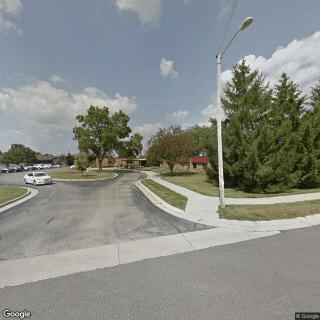
1 Hartwig Dr, Johnson Creek, WI 53549
To contact a resident: (414) 305-7730
For more information about senior living options: (866) 208-4318
Overall Review of The View at Johnson Creek
Pros
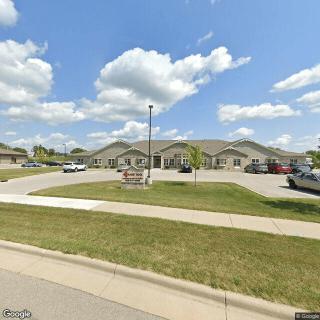
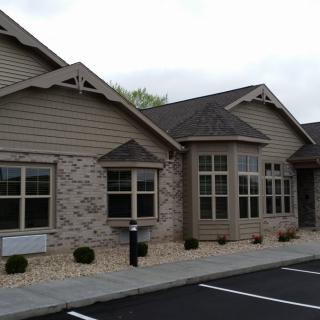
 The building is beautiful and the staff is amazing, and the facility feels state-of-the-art.
- The staff, the food, and the cleanliness impressed the reviewer, who felt treated like family.
- The therapy was great and helped the person get back home.
- The View at Johnson Creek is highly recommended.
- The View has caring staff who provide attentive care and help residents make new friends in the activity room.
- The meals were delicious.
- The staff are wonderful to residents, making The View a great place for loved ones.
Cons
 The tour was disappointing due to the smell of urine and staff on their phones.
- The facility is very poorly run.
- There is a need for more staff so the residents don't have to run around so much.
Review
The View at Johnson Creek is best suited for families seeking a modern, amenity-rich senior living environment where rehabilitation services and a warm, resident-centered staff experience are prioritized. It works well for seniors who value a state-of-the-art campus, abundant social activities, and reliable access to therapy that can support recovery or long-term wellness. The tone of care and the perception that staff treat residents like family make this community appealing to families who want visible warmth, clarity in daily routines, and a comfortable, home-like atmosphere as a loved one transitions into assisted living.
Those who may want to consider alternatives are families for whom consistency, meticulous hygiene, and predictable operations are non-negotiables. If daily life requires unwavering staffing coverage, minimal odor concerns, and a governance structure with fewer reported missteps, it is prudent to compare other communities. Residents with higher care needs or those who require very scrupulous oversight may benefit from options with more consistent staffing patterns and a proven track record of stable management.
The strongest positives here, a striking, well-equipped building, genuinely caring staff, good food, and solid therapy, do not merely offset the downsides; they alter the balance in meaningful, practical ways. Families note that attentive caregivers, pleasant meals, and clean environments can noticeably lift a resident’s mood, ease transitions from hospital stays, and foster meaningful social connections in activity spaces. When a resident is benefiting from effective therapy and feels truly valued by staff, those advantages can translate into measurable improvements in daily functioning and overall happiness, which is a compelling offset to occasional operational rough edges.
Yet the cons cannot be dismissed as cosmetic. Reports of urine odors and staff appearing distracted by phones raise legitimate concerns about dignity, cleanliness, and supervision. Several accounts point to staffing shortages, especially during busy periods, which can leave aides rushing and residents waiting for assistance. A few reviewers describe the facility as poorly run, signaling potential governance gaps that, if unaddressed, threaten safety and consistent quality of care. Taken together, these signals suggest that while the atmosphere and therapy options are strong, day-to-day reliability depends heavily on leadership execution and staffing stability.
To evaluate whether this community will meet a resident’s needs, practical checks are essential. Prospective families should schedule observations across different times of day, mealtimes, activity periods, and post-therapy hours, to assess responsiveness and pace. Ask direct questions about staffing ratios, turnover, and how often direct caregivers interact with residents versus administrative tasks. Review the latest state inspection or survey results, and request candid conversations with current families about safety, cleanliness, and the consistency of daily routines. If possible, request short-term trial periods to truly test care quality before a longer commitment.
In the end, The View at Johnson Creek delivers a compelling package: modern facilities, meaningful therapy, robust activities, and a staff that genuinely cares about residents. That combination can translate into real improvements in quality of life and recovery for many seniors. However, the strong positives come with notable caveats: occasional hygiene and odor concerns, visible staffing strain, and criticisms of how operations are managed. This means the community can be an excellent fit for families who can verify operational consistency and engage actively with care decisions. For those who cannot obtain that assurance, or who prioritize rock-solid daily reliability above all, it is wise to set alternatives on the shortlist and compare with sites known for steadier governance and staffing consistency.
 Assisted Living
 Memory Care
 Activities on-site
 Devotional services off-site
 Indoor common areas
 Ambulatory care
 Diabetic care
 Meals provided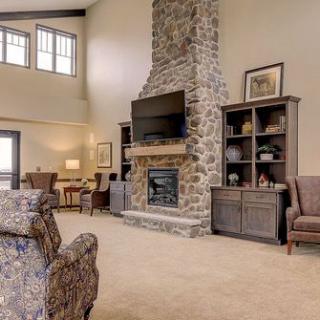



 An In-Depth Look at Reminiscence Therapy in Dementia Care
 Dementia-Related Hallucinations: Causes, Experiences, and Practical Approaches
 Illuminating Insights About Alzheimer's Disease: Ten Crucial Realities