
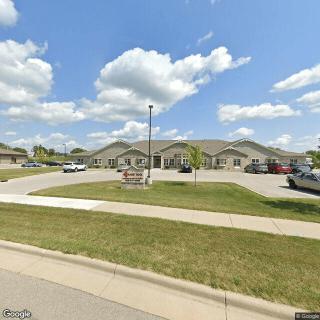
124 Orchard View Court, Jefferson, WI 53549
For more information about senior living options: (866) 208-4318
Overall Review of St Coletta Of Wi St Isidore
Pros
 The organization has amazing staff and programs that meet individual needs.
- St Coletta's is a one-of-a-kind institution, staffed by exceptional professionals who serve very special people.
- The organization has cared for residents for decades and is deeply appreciated for its dedication and love.
- They cared for Rosemary Kennedy after her father had her lobotomized, earning a 10/10 rating for the care.
- St Coletta's is described as a very good school.
Cons
 The drivers were described as horrible and endangering the lives of their passengers and others on the road.
- A St Coletta employee was photographed driving while using a cell phone, thereby endangering others.
- The account states the driver cut off another vehicle and slammed on the brakes, risking a serious accident.
Review
This community is best suited for families seeking a long-term, highly personalized environment for loved ones with complex needs, especially when stability, consistent staff relationships, and a mission-driven culture matter most. The history and testimonials point to a setting where residents can expect a steady, devoted team that crafts individual programs and maintains continuity over years. Cared-for stories about Rosemary Kennedy, long-tenured residents, and relatives who found reliable shelter and ongoing support underscore a model built on deep commitment and specialized attention. It is a place where professionals emphasize customized care for “very special people,” and where families often express profound gratitude for the continuity and clarity the staff provide.
Those weighing alternatives should consider whether transportation safety and the desire for a more independent, modern environment are non-negotiables. The negative reviews raise a red flag about driving safety and vehicle conduct, including an incident involving a staff member using a cell phone behind the wheel. For families that require frequent, predictable transportation with stringent safety controls, this may be a deal-breaker. Additionally, the overall rating spread, many five-star voices alongside several one-star experiences, signals that satisfaction can hinge on individual interactions and specific processes. If comfort with variability in day-to-day operational quality is a concern, exploring other options is prudent.
The strongest pros center on staff quality and the ability to tailor care. Reviewers repeatedly praise “amazing staff and programs to meet individual needs,” and describe the organization as a one-of-a-kind institution with exceptional professionals who serve residents with special requirements. These advantages translate into meaningful gains for daily life: structured routines, personalized activity plans, and a culture of attentiveness that can reduce questions about safety and dignity in care. When such deeply experienced teams exist, they often offset some risk in other areas by delivering reliability, empathy, and a proven track record of staying with families through generations of care.
Yet the main cons, principally transportation safety concerns and the potential for uneven experiences, cannot be dismissed. Transportation incidents threaten safety for residents and other road users and can undermine confidence in the overall program. Families should weigh these risks against the clear benefits of individualized, long-term care. The institution’s strength in delivering specialized support for a very particular population can be a decisive factor for those whose loved ones require specialized supervision, but it remains essential to verify that transport policies, driver training, and incident handling meet high standards. The mixed rating signal means families should probe outcomes rather than rely on reputation alone.
For families moving through the decision process, a thorough, proactive evaluation is essential. During visits, request transparent information on driver training, safety protocols, and how incidents are investigated and resolved. Inquire about staffing ratios, continuity of caregivers, and the availability of clinical supports or therapy services that align with a loved one’s needs. Talk with current residents’ families about daily life, pace, and how personally meaningful goals are pursued. If possible, organize ride-along opportunities to assess transport safety firsthand. Gather concrete examples of success stories and challenges to understand how the community handles real-life pressures.
In the end, this community stands out for families prioritizing sustained, individualized care delivered by deeply committed professionals who view care as a lifelong mission. It offers a rare depth of experience and a culture that many families come to rely on for decades. However, the transportation concerns and the stark variation in reviews mean that alternatives should be seriously considered by those who prize flawless mobility safety, predictability, and a uniformly high satisfaction signal. The right choice hinges on aligning the resident’s care intensity with the family’s tolerance for risk in transportation and the desire for a highly personalized, stable caregiving environment.
 10 resident community capacity
 Assisted Living
 Cable or satellite TV
 Dining room
 Fully furnished
 Garden
 Housekeeping services
 Move-in coordination
 Outdoor space
 Telephone
 Wi-Fi/high-speed internet available
 24-hour supervision
 Activities of daily living assistance
 Assistance with bathing
 Assistance with dressing
 Assistance with transfers
 Diabetes diet
 Meal preparation and service
 Medication management
 Special dietary restrictions
 Transportation arrangement (medical)
 Transportation to doctors appointments


 8 Key Indicators That Suggest It May Be Time to Transition from Assisted Living to Skilled Nursing Care
 Vibrant Senior Living: A Comprehensive Guide for Active Older Adults
 When to Transition from Assisted Living to Memory Care: Key Indicators, Steps, and Finding the Right Community