
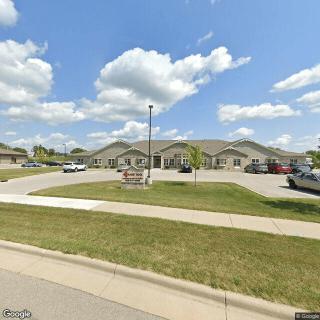
117 Orchard View Court, Jefferson, WI 53549
For more information about senior living options: (866) 208-4318
Overall Review of St Coletta Of Wi St Elizabeth
Pros
 The organization cared for Rosemary Kennedy, earning a 10/10 rating for its care.
- St Coletta's offers amazing staff and programs to meet individual needs.
- The institution is one-of-a-kind, staffed by exceptional professionals who serve very special people.
- A relative was a resident for over 50 years, and the organization is greatly appreciated for its dedication and love.
- Georgi Ann received care at St Coletta's across two separate stays, reflecting dependable support and commitment to residents' well-being.
Cons
 Horrible driver(s) that endanger the lives of their passengers and others on the road.
- A St Coletta employee is described as driving while using a cell phone, endangering others.
Review
St Coletta of Wisconsin St Elizabeth is best suited for families seeking long-term, highly personalized residential support for adults with special needs, where continuity of care and a mission-driven environment matter above all. The community earns trust through multi-generational engagement and a clearly dedicated staff that has repeatedly proven capable of sustaining demanding, individualized programs over years or decades. Testimonies from families spanning generations emphasize lasting relationships, steady routines, and a deep commitment to serving residents who require ongoing advocacy and specialized services. For households that prize a stable, purpose-built setting with a focus on personal dignity and tailored supports, this facility stands out as a serious option.
Those weighing alternatives should recognize that this setting may not be ideal for every situation. Families seeking acute medical oversight, frequent hospital-level care, or rapid, dynamic changes in care plans might find other options more responsive to fluctuating clinical needs. Transportation reliability is another consideration; while the on-site care and programming are strong, the transport component has drawn concern in some reviews. If a moving, high-frequency outing schedule or highly automated, tech-forward safety systems are non-negotiables, it may be prudent to compare with facilities that emphasize medical acuity, modern transport fleets, or enhanced real-time monitoring. In short, this community excels in consistent, person-centered living but may lag when a facility must meet brisk medical or logistical demands.
The core advantages are underscored by the staff and program design. Clients benefit from staff who are described as exceptional and deeply attentive to each person’s needs, with programming that adapts to individual capabilities and life histories. The sense of individualized pathway planning, often highlighted by families, translates into meaningful daily activities, sustained routines, and a supportive atmosphere where residents feel truly seen. Long-tenured residents and multi-generational family endorsements point to a governance and care culture that prioritizes stability, trust, and continuity over time. When care goals hinge on empathetic, skilled service delivery and a sense of belonging, these elements can offset many ordinary frustrations found in larger systems.
Further fueling the case is the organization’s history of extraordinary referrals and lifelong dedication. Descriptions of care for prominent individuals and lasting family partnerships suggest a depth of expertise and a mission-driven mindset that is uncommon. The “one of a kind” designation in the community narrative signals a specialization and an ethos that noticeably distinguishes it from generic congregate care options. For families who value a faith-aligned, community-centric approach and a track record of sustained support for difficult-to-place residents, these traits provide genuine reassurance that the site can remain a steadfast home as needs evolve.
However, the loudest caution comes from safety-related transport observations. Reports of drivers endangering others on the road, whether by inattention, risky behavior, or inconsistent enforcement of safety practices, cannot be dismissed. These concerns do not negate the compassion and competency on campus, but they do raise a concrete risk factor that must be actively managed. Prospective families should probe transport policies, driver training, incident reporting, and preventive measures. Request up-to-date data on any incidents, the proportion of trips covered by in-house vehicles versus contractors, and the availability of alternative transport options for families who prefer to shoulder or supervise these risks directly.
Decision-making comes down to balance: exceptional, individualized on-site care and enduring family trust versus transport safety concerns and the potential for slower responsiveness to acute medical changes. For those who can tolerate a transport risk if the rest of the care environment delivers unparalleled consistency, dignity, and connection to a long-standing mission, this community offers a compelling match. Families should plan a rigorous due diligence process, site visits at varying times, conversations with current residents and families, a review of care plans, and a clear outline of transport procedures. If these elements align, St Coletta of Wisconsin St Elizabeth can be a transformative, stabilizing home; if not, exploring alternatives with stronger medical acuity or safer transport may be the prudent path.
 4 resident community capacity
 Assisted Living
 Cable or satellite TV
 Dining room
 Fully furnished
 Garden
 Housekeeping services
 Move-in coordination
 Outdoor space
 Telephone
 Wi-Fi/high-speed internet available
 24-hour supervision
 Activities of daily living assistance
 Assistance with bathing
 Assistance with dressing
 Assistance with transfers
 Diabetes diet
 Meal preparation and service
 Medication management
 Special dietary restrictions
 Transportation arrangement (medical)
 Transportation to doctors appointments




 Beyond the Bingo Hall: 50+ Enriching Activities for Seniors in Assisted Living
 Understanding the Distinctions: Assisted Living and Memory Care Explained
 Guiding Elderly Parents Who Refuse Assisted Living: 6 Practical Steps