200 S Water St., Fort Atkinson, WI 53538
To contact a resident: (920) 563-6959
For more information about senior living options: (866) 208-4318
Wellington Place at Fort Atkinson Costs & Pricing
Wellington Place at Fort Atkinson offers competitive pricing for its accommodations compared to broader regional and state averages. For semi-private rooms, residents can expect a monthly fee of $2,030, which is significantly lower than the average costs in Rock County ($2,947) and the state of Wisconsin as a whole ($3,977). This presents Wellington Place as an attractive option for those seeking affordability without compromising quality. Additionally, for one-bedroom units, the cost at Wellington Place stands at $3,480, which is slightly above the Rock County average of $3,310 but remains well within reasonable limits compared to the state's average of $3,412. Overall, Wellington Place at Fort Atkinson represents a favorable choice for individuals looking for value in their assisted living options.
| Floor plans | Wellington Place at Fort Atkinson | Rock County | Wisconsin |
|---|---|---|---|
| Semi-Private | $2,030 | $2,947 | $3,977 |
| 1 Bedroom | $3,480 | $3,310 | $3,412 |
Memory care communities with a similar price nearby
-
from -$120 / mo
Towner Crest
$1,910 to $5,625 / month22.0 miles away -
from -$245 / mo
Deerview Meadows - Janesville I
$1,785 to $2,370 / month18.4 miles away -
from -$230 / mo
Sunnyside Home
$1,800 to $2,400 / month24.6 miles away -
from -$245 / mo
Deerview Meadows - Janesville II
$1,785 to $2,370 / month18.4 miles away
Overall Review of Wellington Place at Fort Atkinson
Pros
 They love the home setting.
- The staff is amazing.
- The place always looks clean.
- There is a lovely river setting outside.
Cons
 A staff member who had been there five months could answer very few questions.
- Wellington Place is very small and contained and has a real Motel 6-type feel to it.
- The interior seemed dingy overall.
Review
Wellington Place at Fort Atkinson is best suited for seniors who want a genuinely homey, low-key atmosphere where staff attention feels personal and cleanliness is a given. The community’s small footprint and intimate layout reward families seeking predictable routines, straightforward assistance, and a quiet daily rhythm. Residents who prize a pleasant outdoor backdrop will appreciate the river-adjacent setting that lends calm to mornings and evenings. Those chasing a modern, expansive campus with nonstop programming should consider alternatives. In short, this is a practical fit for someone who values warmth and simplicity over showroom polish or a bustling social calendar.
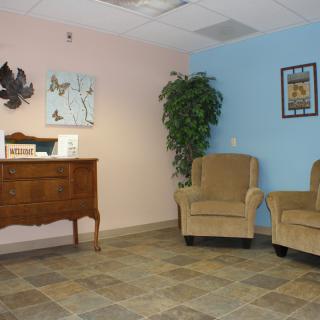
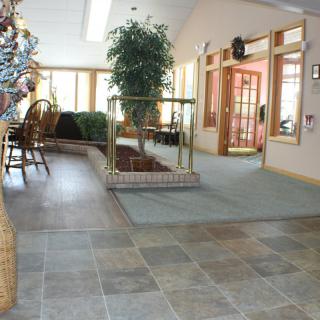
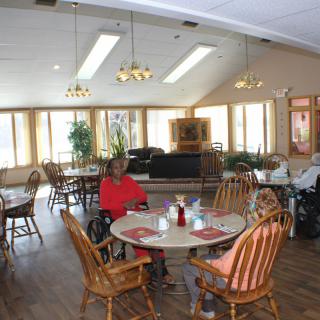
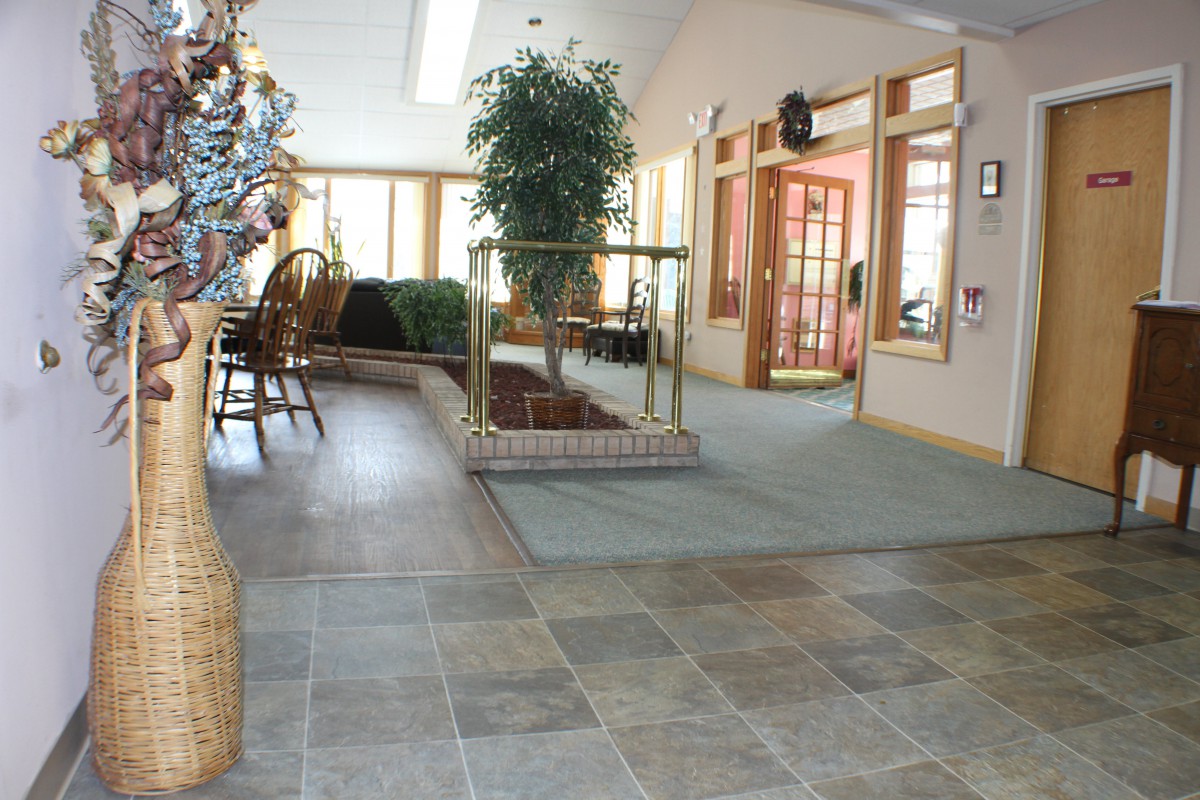
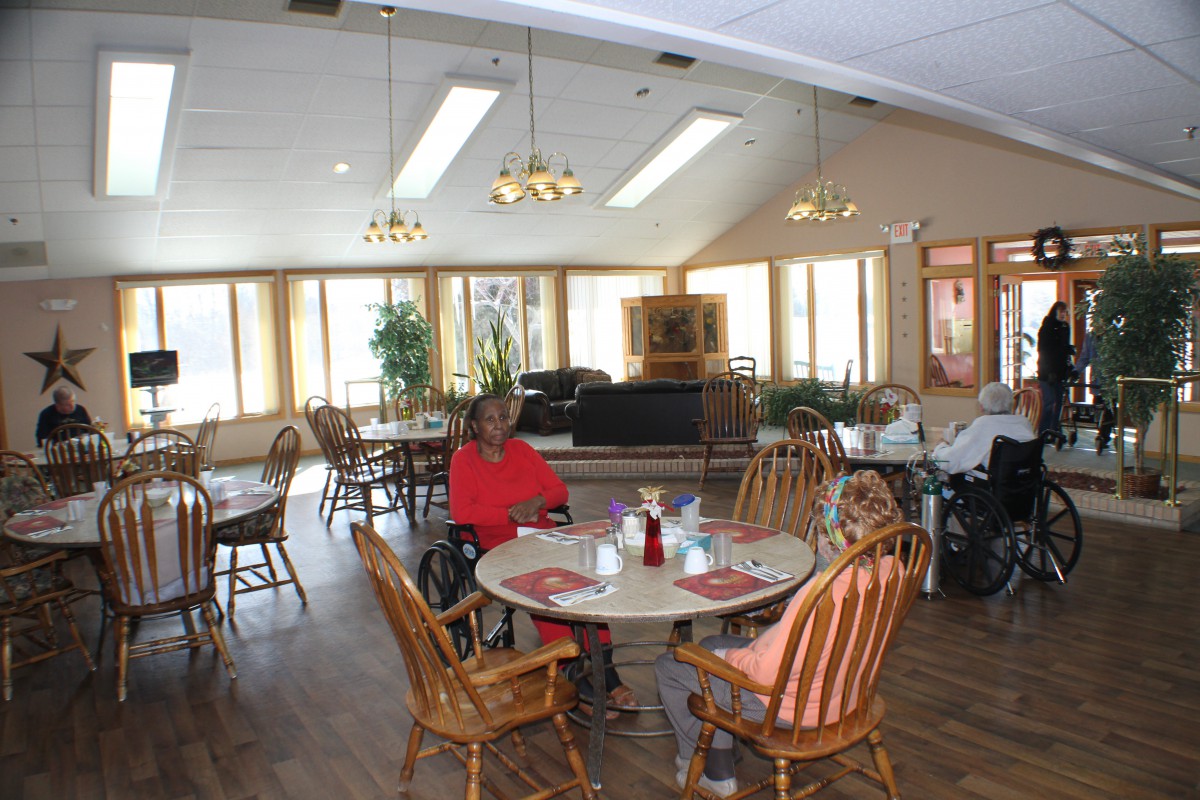
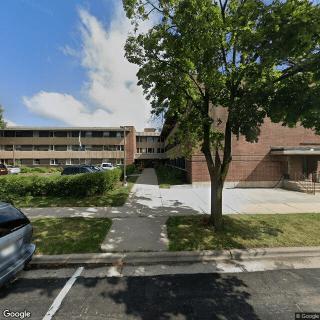
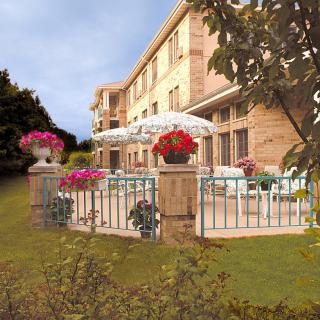
On the positive side, the core strengths are consistent: a true home-like feel, staff described as amazing, and a clean, well-kept environment. The central great room and combined dining-living area anchor daily life, creating natural opportunities for neighborly interaction without the bustle of a larger campus. A river view and surrounding greenery contribute to mood and overall quality of life, making routines feel less clinical. The small-scale setup translates into quicker responsiveness and more personalized attention than might be found in bigger facilities. For families prioritizing warmth and reliability, these attributes carry real weight.
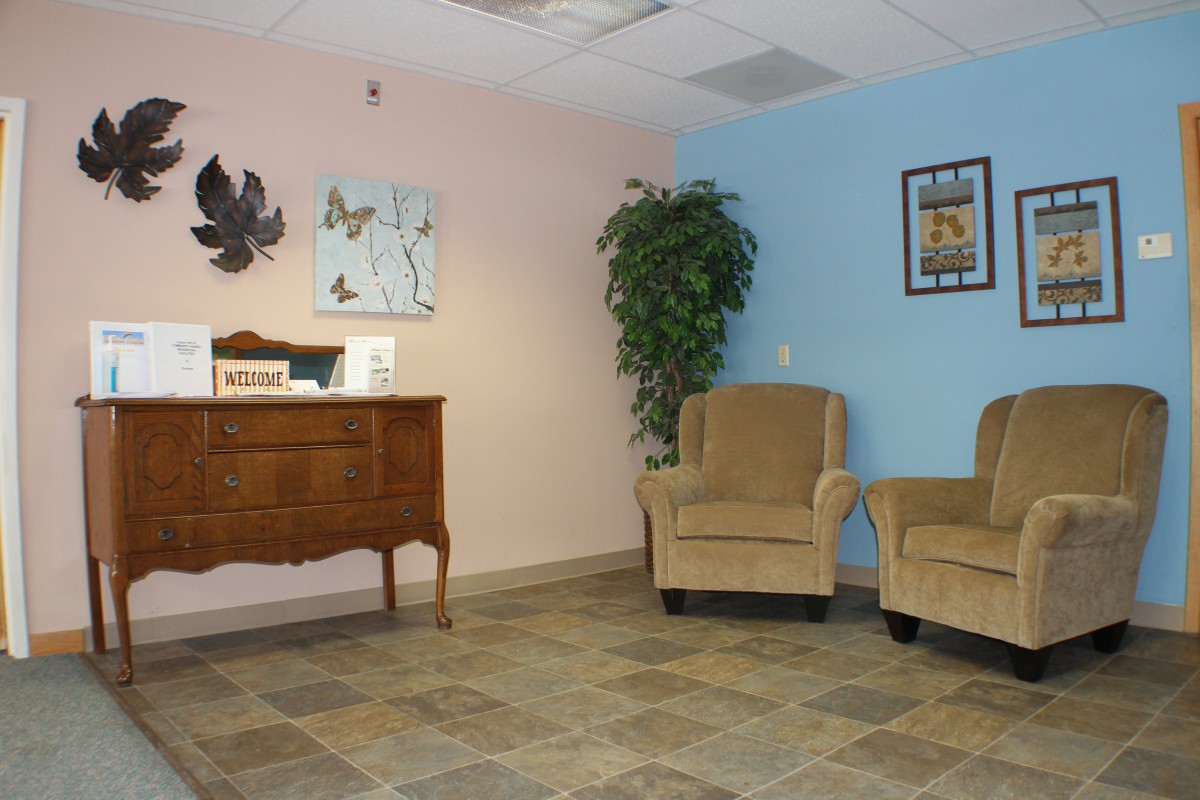
Yet the facility carries meaningful trade-offs. The campus is very small and contained, which can feel limiting for residents who thrive on variety or require a broader slate of activities and outings. Inside, décor can read as dingy, lacking the bright, refreshed ambiance some seniors expect in today’s assisted settings, regardless of the visible care in public spaces. A review notes uneven staffing knowledge at times, signaling that front-line experience may vary and questions may not always be answered promptly. For families seeking consistently polished interiors and deeply seasoned management, these gaps deserve careful probing during tours.
Still, the positives offset the drawbacks for the right profile. The home vibe and attentive, personable staff translate into dependable, compassionate care that can feel like family involvement, reducing caregiver stress and resident anxiety. The quieter scale often means better monitoring, predictable routines, and faster response to day-to-day needs. The river setting and central public spaces foster a sense of place that can compensate for a lack of showroom finishes, especially for residents content with a simpler, more predictable environment. In practice, Wellington Place delivers warmth and dependability; the trade-offs show up in aesthetics and scope, not in the core level of care.
Families weighing options should consider whether a larger campus with more expansive interiors, brighter decor, and a fuller activity calendar better matches the resident’s expectations and energy level. If independence needs, diverse dining choices, and more extensive social programming top the priority list, explore communities with wider footprints, more amenities, and steadier leadership. Those who want a strong sense of community without the frills will likely feel satisfied here, provided tours emphasize the actual daily rhythm, staffing consistency, and the realism of the interior setting. The right fit hinges on aligning what matters most, home-like comfort and reliable care, with what Wellington Place can deliver day to day.
Recommendation: visit with a clear checklist. Observe morning and mealtime dynamics; ask about staff training, turnover, and how care plans are developed; speak with current residents for candid impressions; confirm dining options and an activity calendar that match expectations; and inspect multiple rooms to gauge whether interior finishes meet those expectations. If the river view, intimate atmosphere, and steady team align with the resident’s priorities, Wellington Place can be a strong, cost-conscious choice. If not, pursuing alternatives with larger campuses and more modern aesthetics will likely yield greater long-term satisfaction.
 Assisted Living
 Memory Care
 Activities off-site
 Bath tubs
 Beautician on-site
 Devotional services off-site
 Indoor common areas
 Outdoor common areas
 Respite or short term stays offered
 Wheelchair accessible showers
 Ambulatory care
 Diabetic care
 Incontinence care
 Meals provided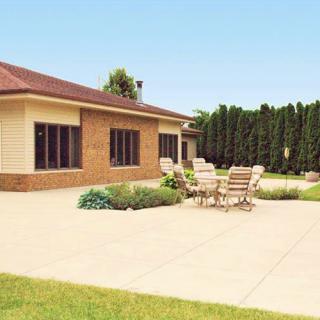



 Five Subtle Dementia Indicators to Observe: An In-Depth Guide to Understanding “Does My Mom Have Dementia?”
 Dementia, Paranoia, and Caregiver Guidance: Understanding the Connection
 Engaging Memory Care Activities That Enhance Quality of Life