





2525 Ward Ave, Hudson, WI 54016
To contact a resident: (715) 716-0228
For more information about senior living options: (866) 208-4318

Cambridge Senior Living Hudson Costs & Pricing
At Cambridge Senior Living Hudson, the monthly cost for a studio apartment is $4,000. This figure is somewhat higher than the average for St. Croix County, which stands at $3,701, and aligns closely with the overall state average of $3,999 in Wisconsin. While the pricing at Cambridge reflects its commitment to quality care and services tailored for seniors, prospective residents may want to weigh this cost against local and state benchmarks to fully understand the value offered by this community. The investment in a living space here includes not only accommodation but also access to amenities and support designed to enhance the overall well-being of its residents.
| Floor plans | Cambridge Senior Living Hudson | St. Croix County | Wisconsin |
|---|---|---|---|
| Studio | $4,000 | $3,701 | $3,999 |
Memory care communities with a similar price nearby
-
from +$600 / mo

Comforts of Home Memory Care - River Falls
$4,600 to $4,700 / month10.4 miles away -
from -$200 / mo

Our House Senior Living - New Richmond Memory Care
$3,800 / month13.4 miles away -
from +$295 / mo
Keystone Place at LaValle Fields
$4,295 to $5,695 / month18.9 miles away -
from -$220 / mo

Lilydale Senior Living
$3,780 / month20.4 miles away -
from -$500 / mo

Atlas Villas Memory Care
$3,500 / month17.7 miles away
Overall Review of Cambridge Senior Living Hudson
Pros
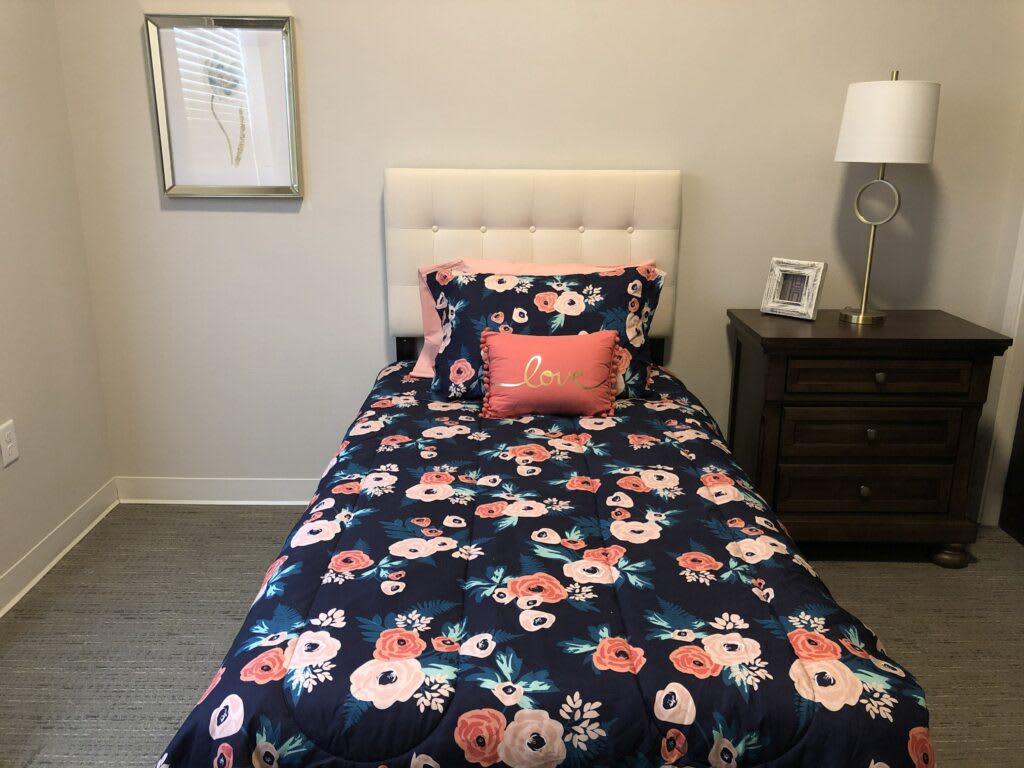
 The building is new and very pretty.
- The staff are incredibly kind, caring, and well-intentioned.
- The facility is clean, well-maintained, and smells pleasant.
- The staff are remarkable and attentive, consistently showing respect and aptitude.
- There are engaging activities, including live music and pet therapy, that keep residents involved.
- The environment feels home-like with plenty of comfortable spaces for families to relax.
- The management team is great and the caregivers are dedicated to residents' best interests.
- Families have peace of mind knowing their loved ones are well cared for.
Cons
 The facility's appearance is misleading.
 - The reviewer’s experience was horrendous and left them with guilt for what their family member endured.
- Everything promised during tours and meetings prior to moving in was absolutely misleading.
- The move-in process was sloppy and allowed a resident to escape with no assistance.
- There was little urgency or concern from the staff when residents escaped.
- Staffing and training were ongoing issues that compromised care.
- An employee was cruel to residents, and family members who worked there followed her lead.
- The activities schedule was a lie, with many activities canceled and residents bored.
- The move-in day had no help or support from staff; staff were hard to find.
- A large share of the staff—about 90%—is severely undertrained in elderly care.
- There were long periods without changing soiled pants, causing UTIs and skin problems.
- There were delayed or no responses to call buttons.
Review
Cambridge Senior Living Hudson is best suited for seniors who want a modern, aesthetically pleasing setting with a robust array of on-site amenities and programming, and for families who are prepared to take an active, hands-on role in care coordination. This community works best when there is a clear expectation that management and frontline staff will partner with families to monitor care, address issues promptly, and keep lines of communication open. It is not a hands-off option; it rewards families who can stay engaged, ask hard questions, and insist on accountability.
Alternatives should be strongly considered by families prioritizing rock-solid, consistently reliable staffing, predictable daily care, and rigorous oversight of medications and safety. Those with significant medical complexity, frequent falls, acute behavioral needs, or a history of difficulty reaching staff may find the experience uneven enough to seek a community with a deeper, more consistent emphasis on clinical care and risk management. If the plan is to avoid frequent staff turnover and ensure 24/7 reliability, other facilities may deliver greater peace of mind.
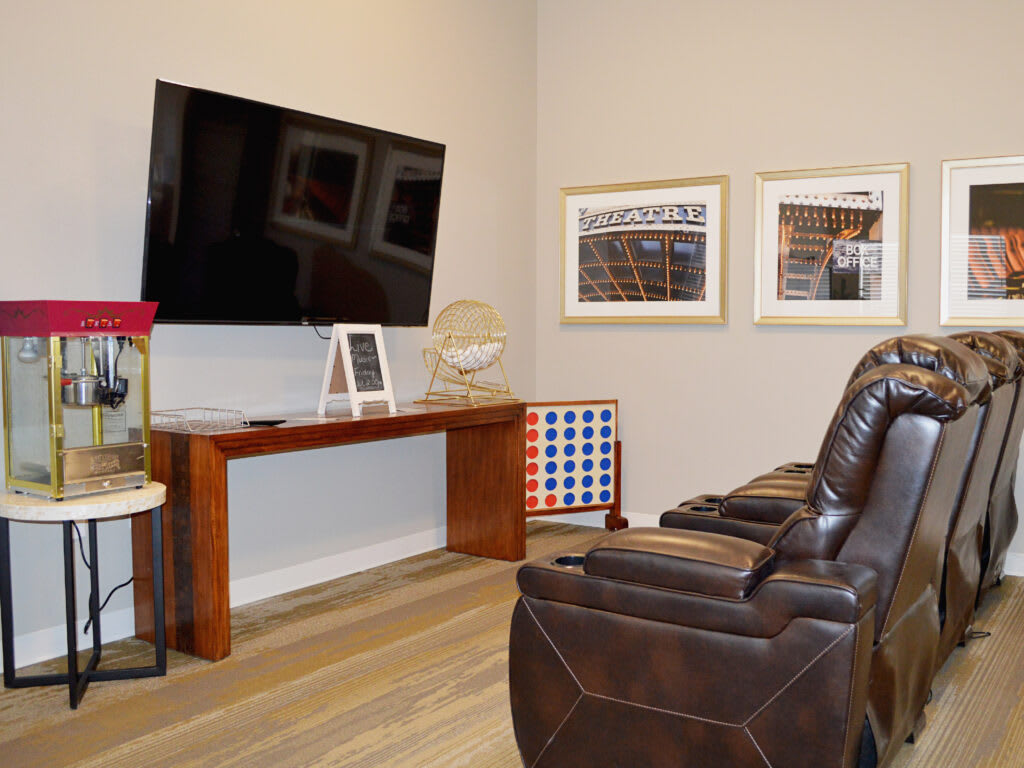
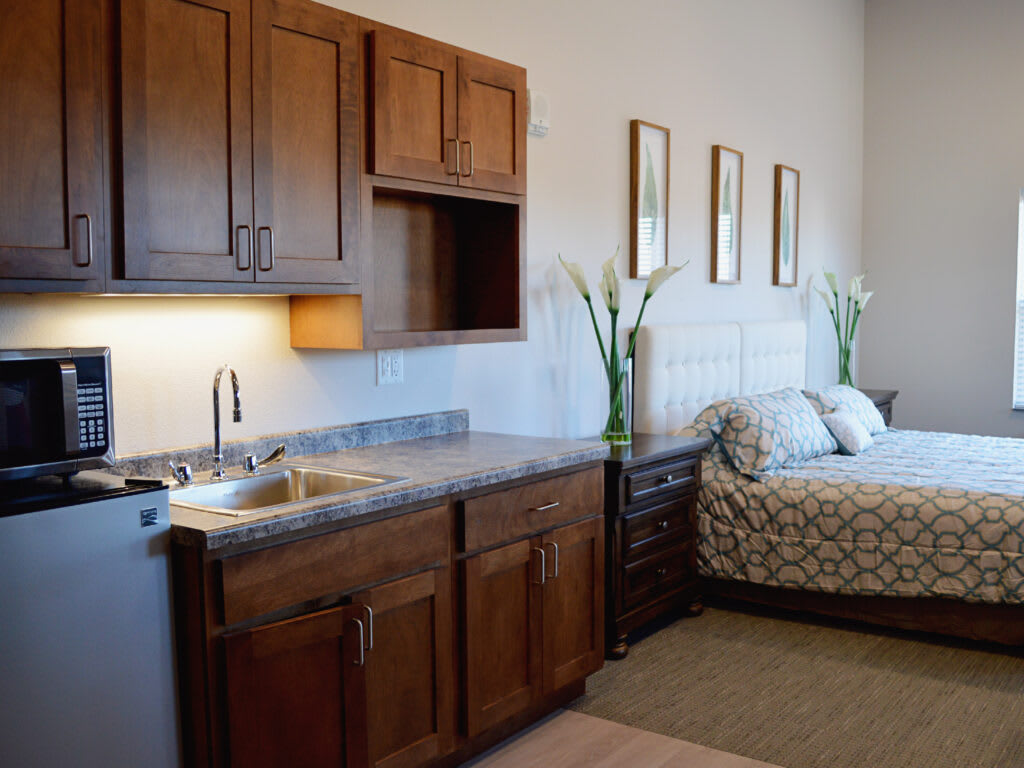
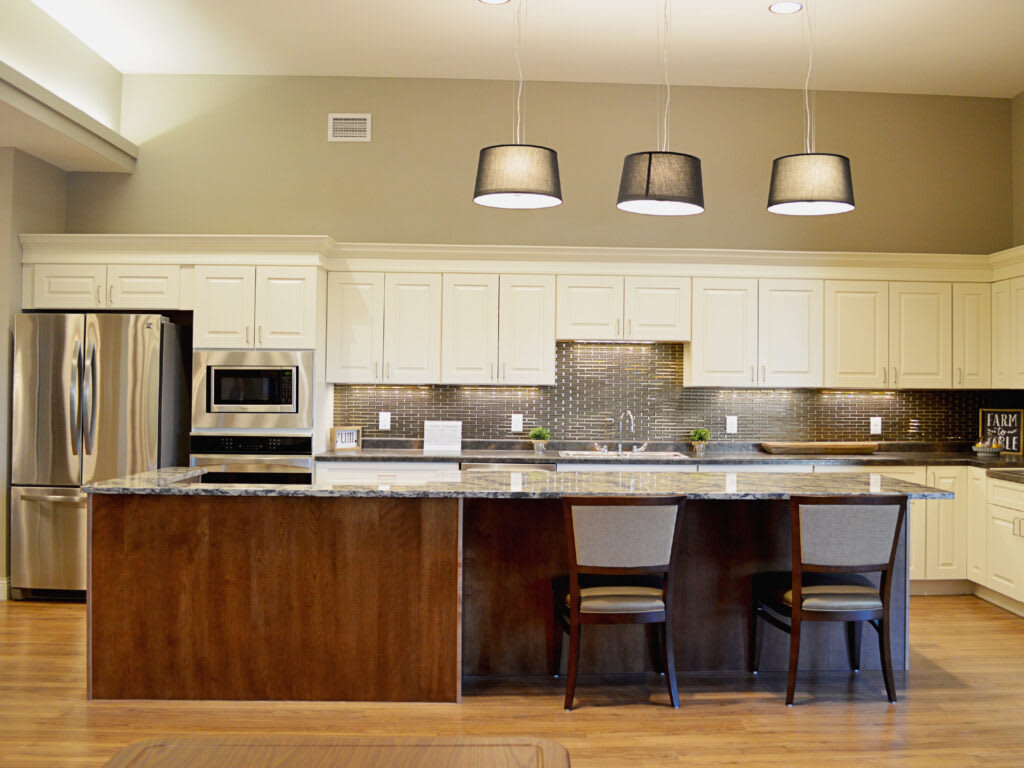
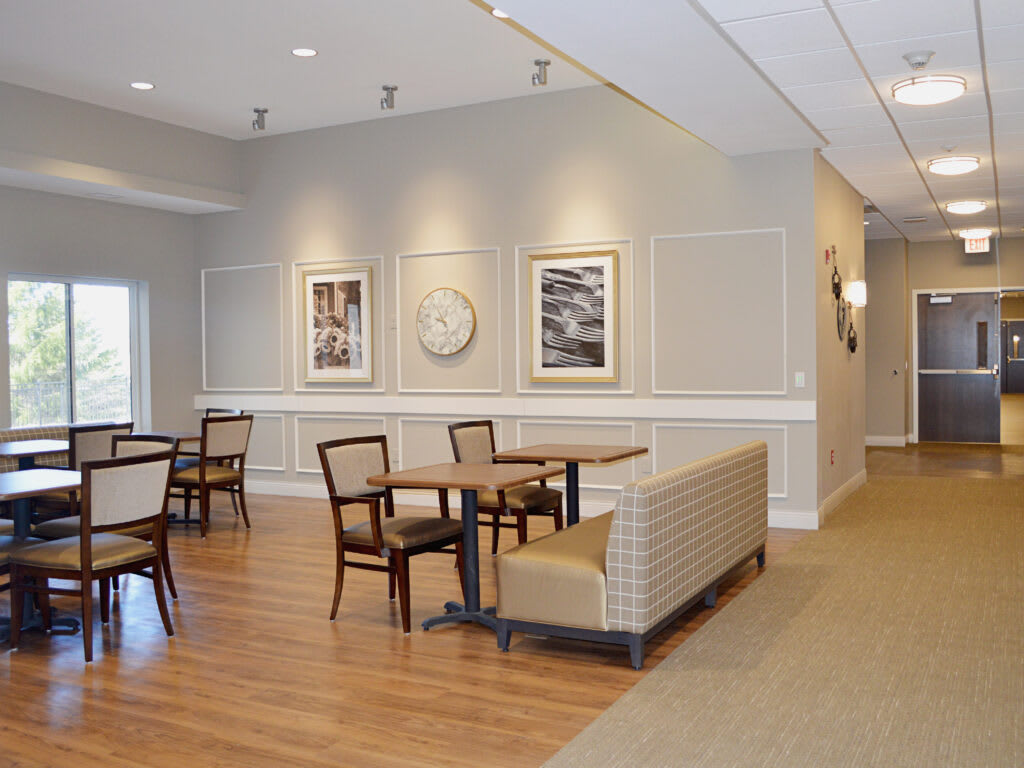
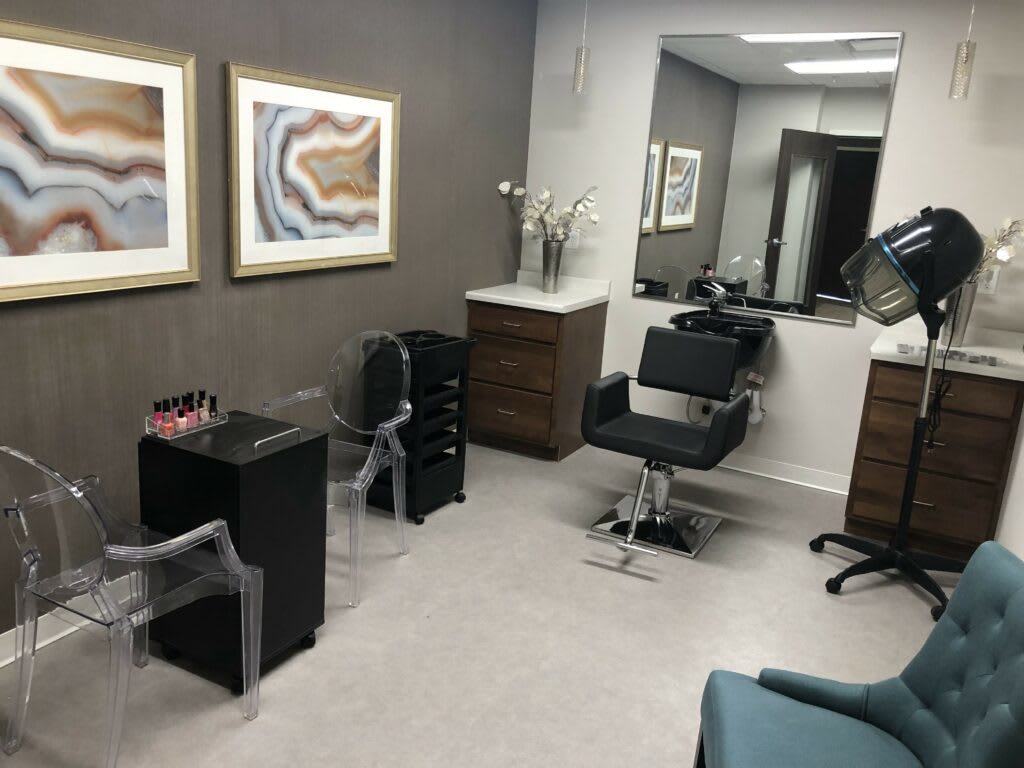
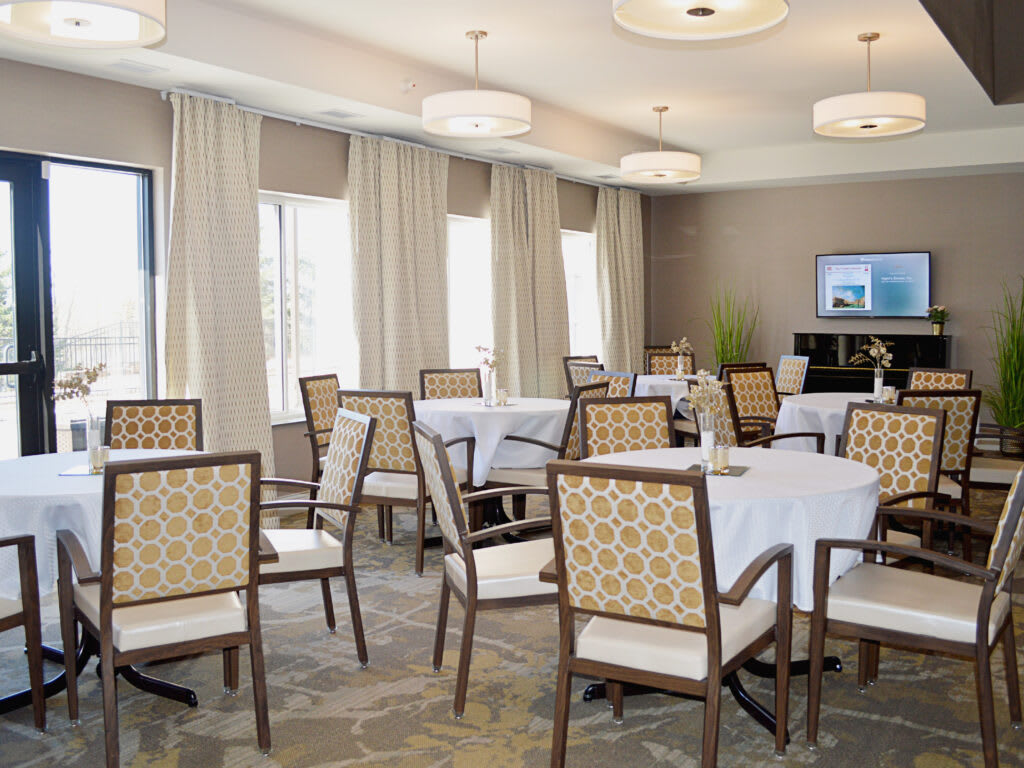
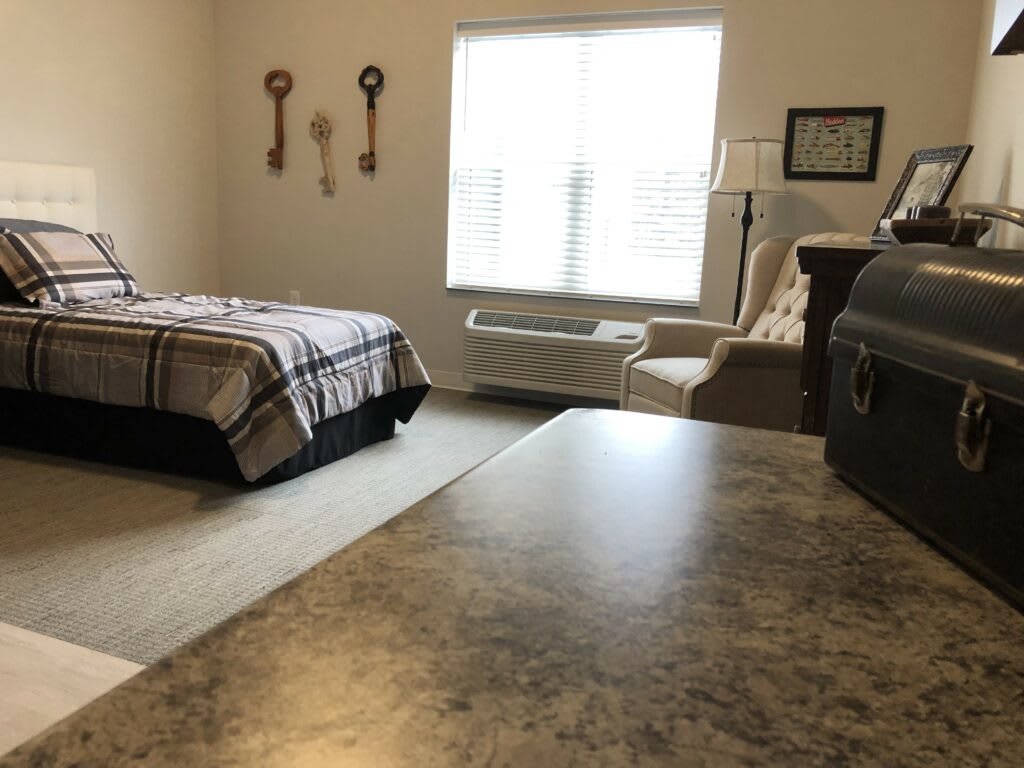
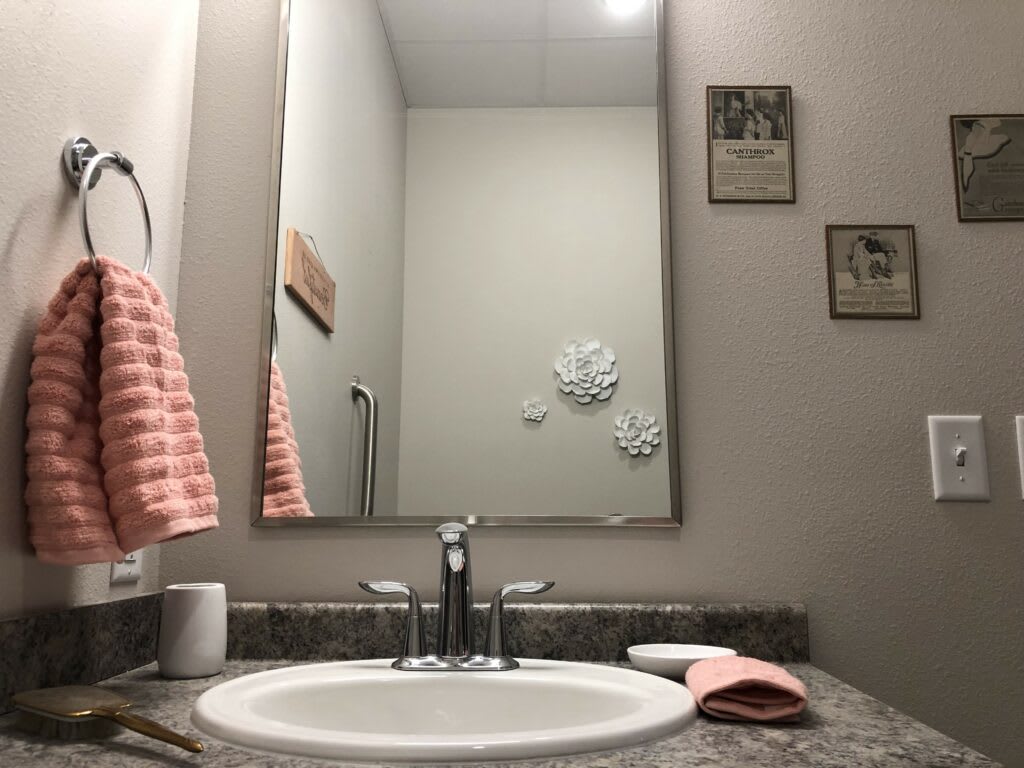
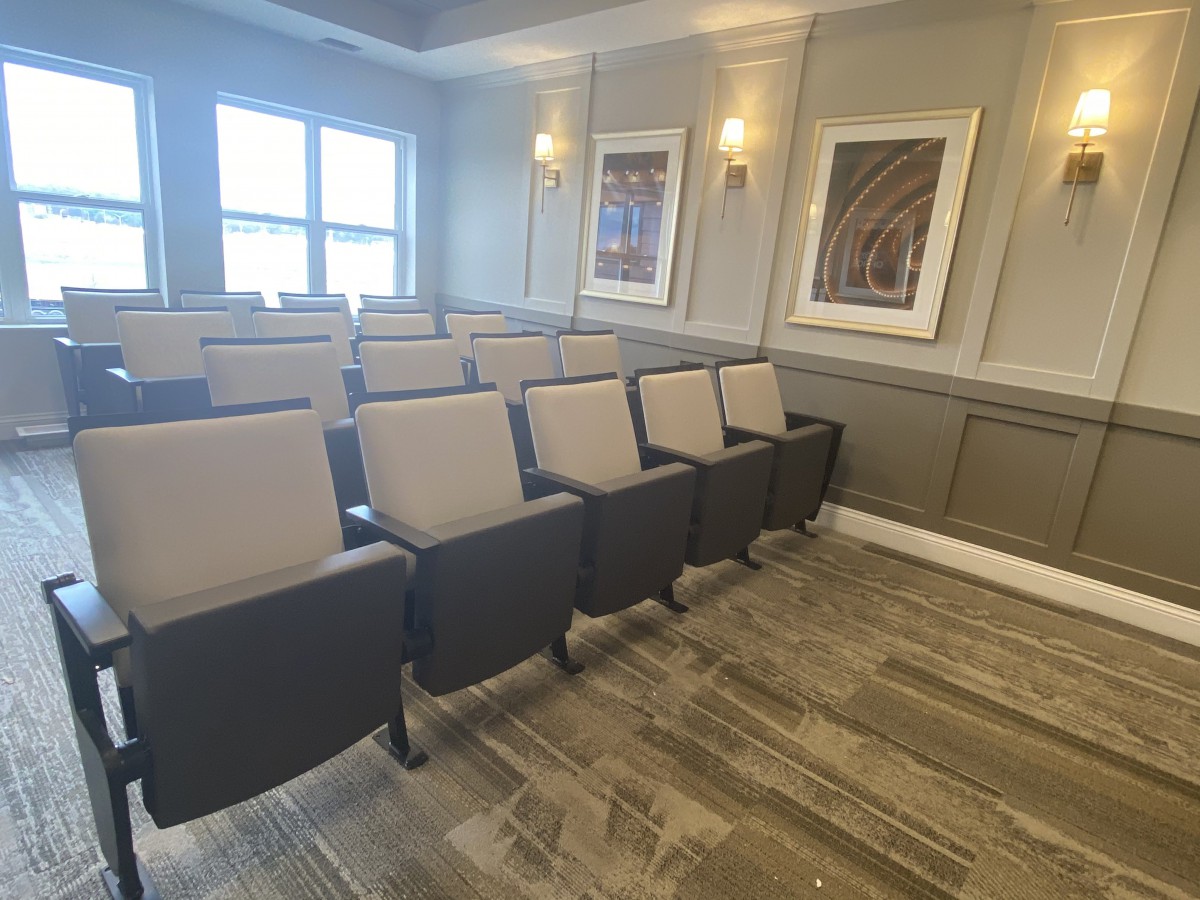
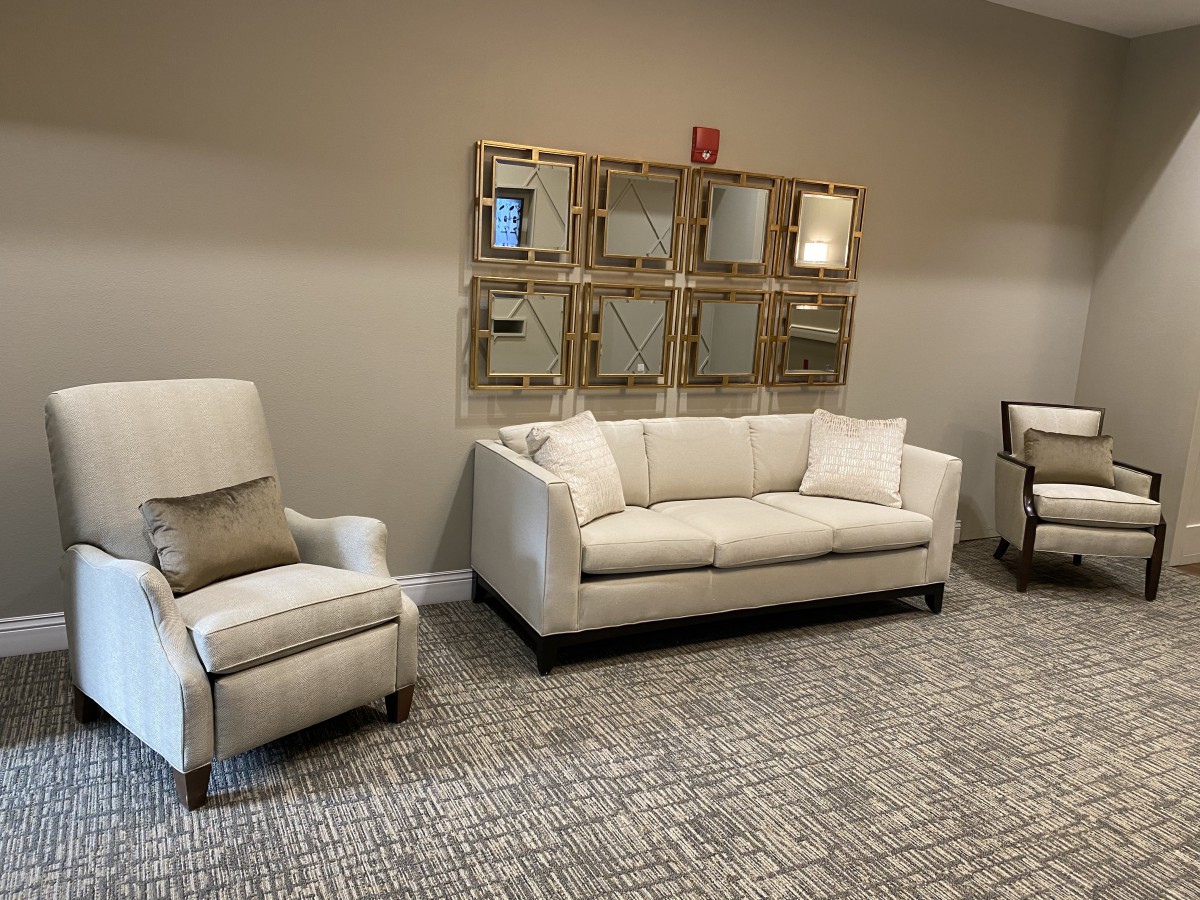
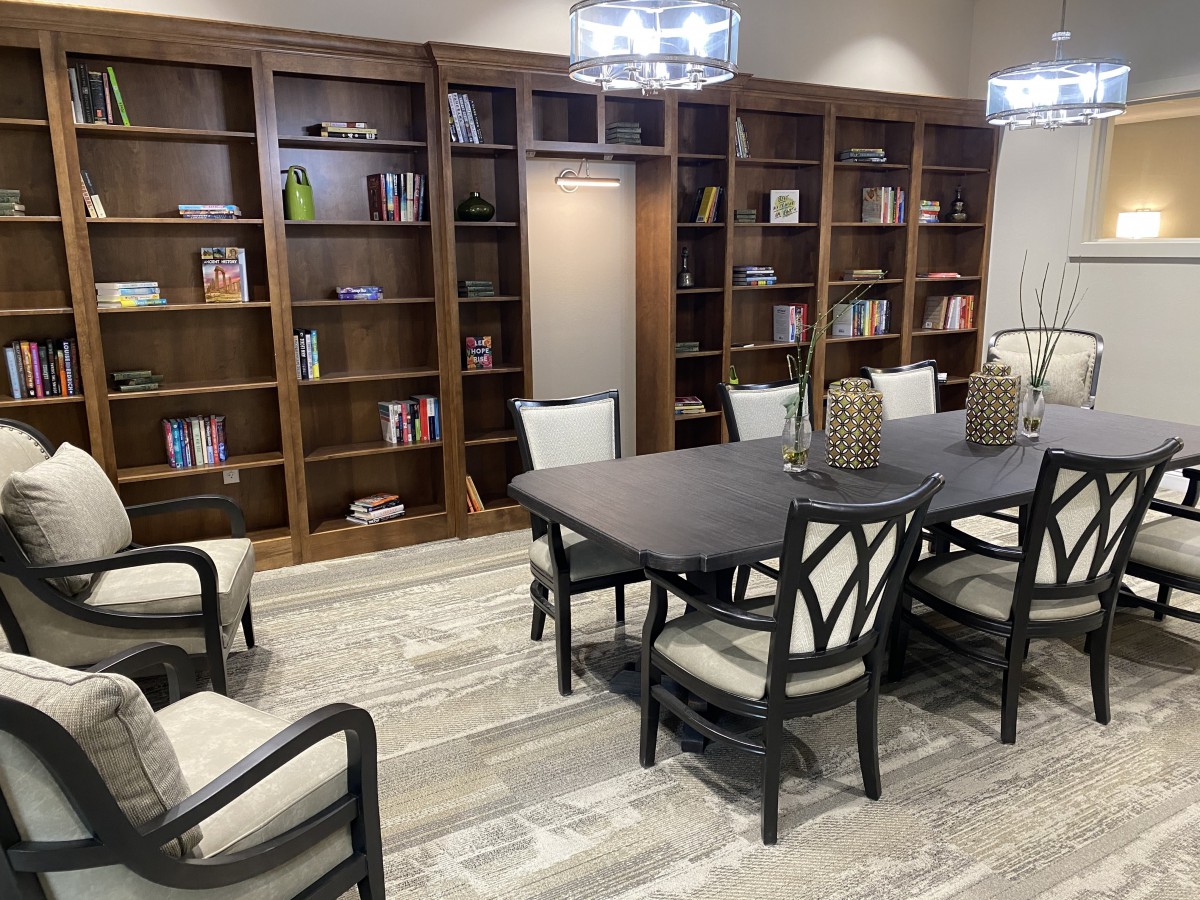
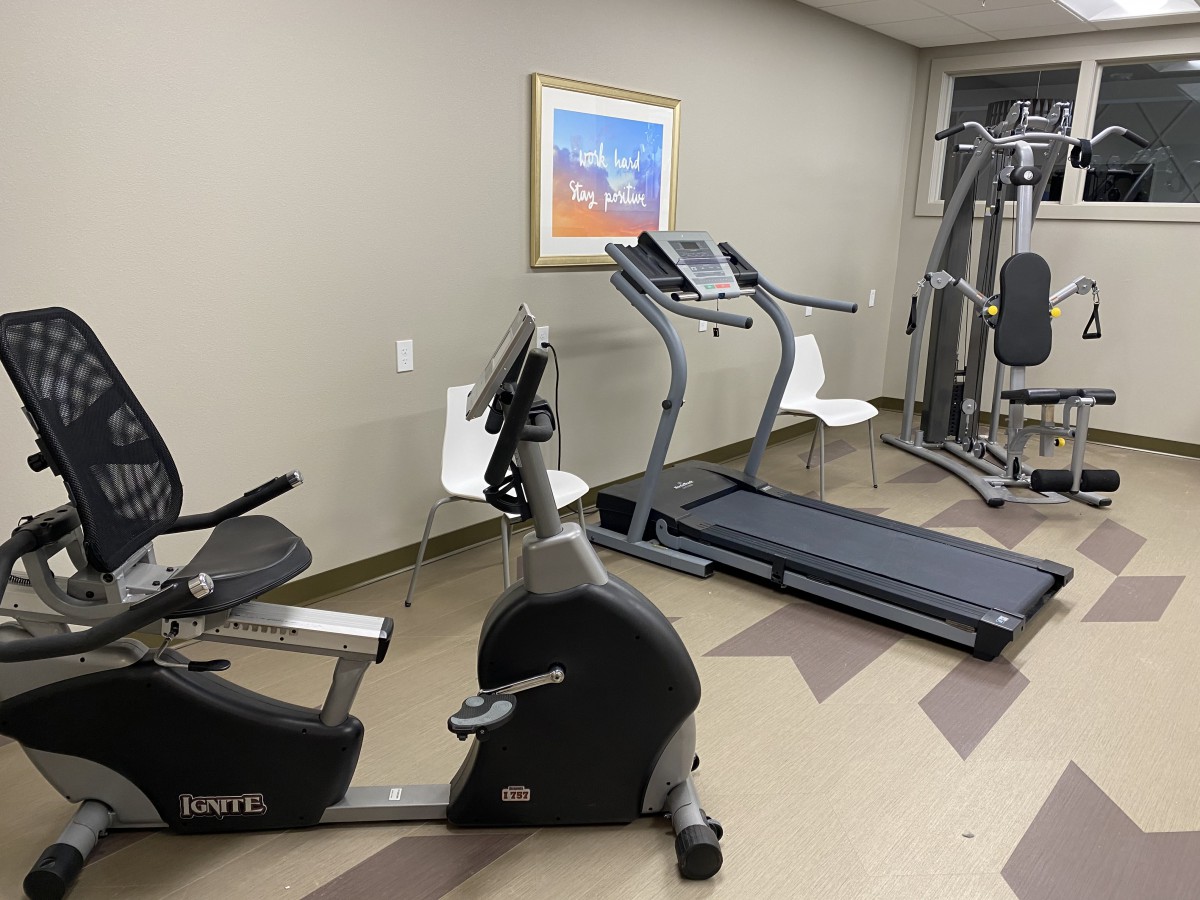
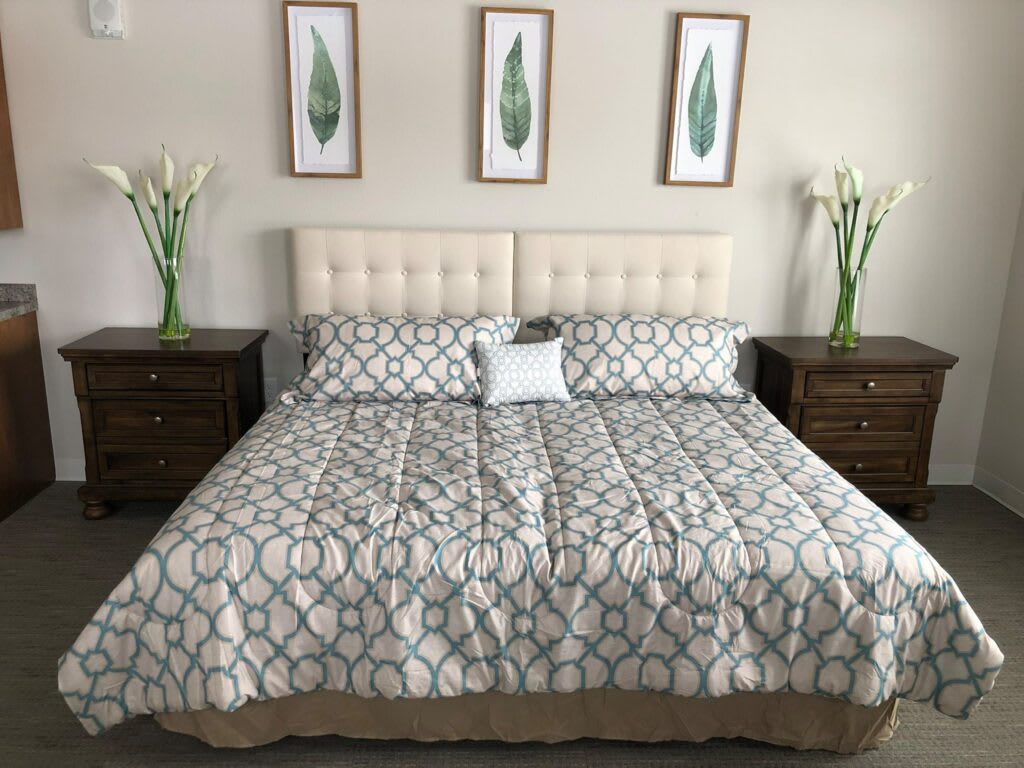
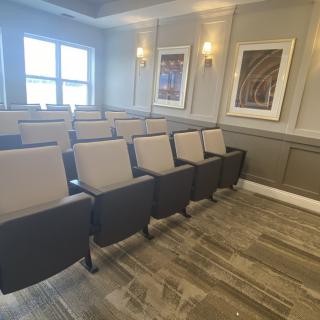
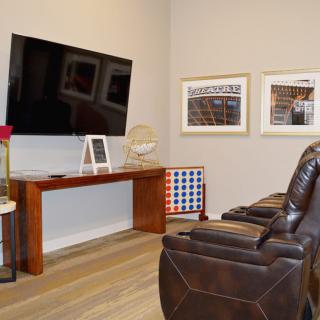
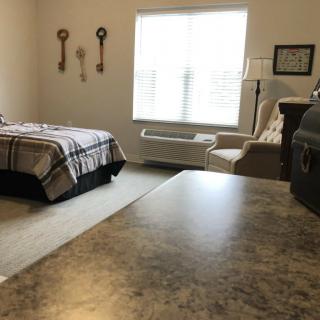
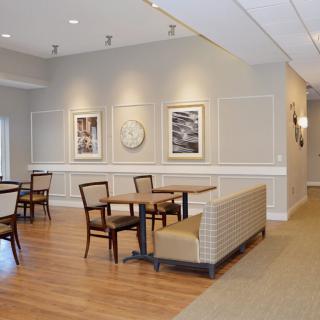
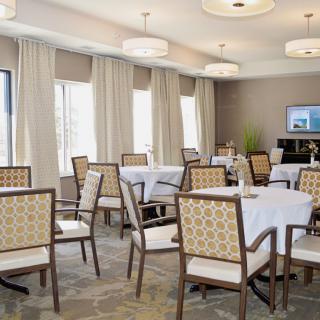
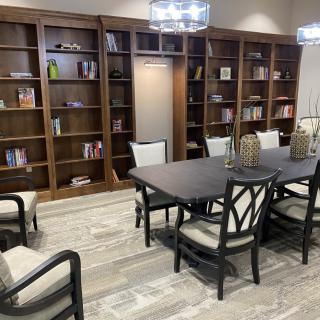
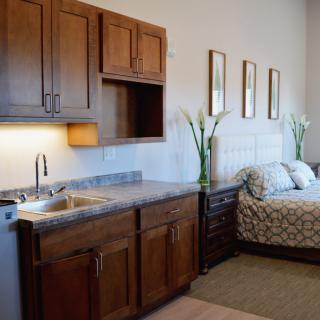
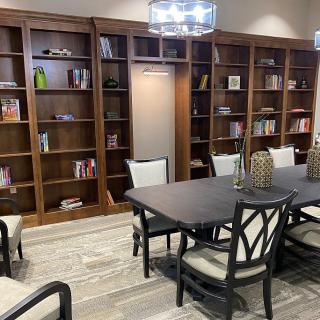
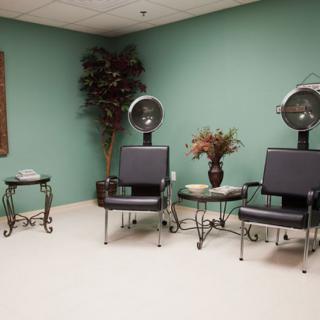
On the pro side, the building’s fresh construction, clean lines, and well-appointed common spaces create an inviting first impression that matters to both residents and families. Several reviews highlight attentive management and compassionate caregivers who genuinely strive to engage residents with activities, live music, pet therapy, and accessible social spaces. Families appreciate features like theatre, salon, and library spaces on the second floor, and the option of kitchenettes in some rooms. When staff steps in consistently, residents appear engaged, well cared-for, and able to enjoy a sense of normalcy and dignity in daily life.
Yet those positives face meaningful countercurrents. The most persistent concerns center on staffing reliability and training. Several accounts describe frequent difficulty locating staff, high turnover, and weekend access problems that impede timely updates and support. Critical lapses in care, delayed or missed medication administration, inadequate response to call buttons, and occasional neglectal patterns such as prolonged soiled clothing periods, underscore real safety risks. Reports of communication gaps with families, incomplete incident reporting, and instances of mistreatment by individual staff members cannot be dismissed, and they dramatically affect trust and decision-making for families weighing next steps.
The pros can offset the cons only when operations align with best practices: sufficient, well-trained staff on all shifts; reliable call systems and timely family updates; robust medication management and daily oversight; and clear, accountable processes for safety, wandering prevention, and falls. In practice, the gulf between the bright communal spaces and the hard realities of staffing quality and consistent care remains the deciding factor for most families. When Cambridge operates with steadier staffing and transparent communication, the environment becomes genuinely enabling, residents stay active, meals remain nourishing, and families feel their loved ones are protected. When those elements falter, the same environment can feel brittle and unsafe.
For families evaluating Cambridge, prioritize a comprehensive, current staffing snapshot: caregiver-to-resident ratios by shift, turnover rates, and the specific plan for evenings and weekends. Demand concrete responses about medication administration protocols, the phone system’s reliability, and the facility’s process for notifying families about falls or incidents. Inquire about respite or short-term options to observe firsthand how care flows on slower and busier days, and request a candid tour with frontline staff to gauge consistency and warmth. Check occupancy levels and how that affects staffing and program delivery, plus patient-centered metrics like cleanliness standards and the timeliness of routine room maintenance.
Ultimately, Cambridge Senior Living Hudson offers a compelling value proposition for a certain segment of families: those who can blend appreciation for a bright, activity-rich environment with vigilant, ongoing oversight of care quality. It can deliver real peace of mind when staffing is steady, communication is reliable, and clinical care is consistently managed. For seniors who cannot tolerate variability in staffing, inconsistent medication handling, or uncertain safety monitoring, however, alternatives with stronger, steadier clinical systems and fewer operational gaps will likely be the wiser investment. This community can be excellent for the right family, but it demands due diligence, proactive advocacy, and a readiness to intervene when expectations meet the realities of frontline care.
 Assisted Living
 Independent Living
 Memory Care
 Cats allowed
 Dogs allowed
 Activities on-site
 Air-conditioning
 Beautician on-site
 Devotional services on-site
 Ground floor units
 Handicap accessible
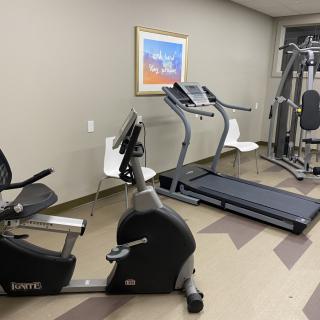
 Indoor common areas
 Kitchenette
 Outdoor common areas
 Private bathrooms
 Respite or short term stays offered
 Wheelchair accessible showers
 Wi-Fi/high-speed internet available
 Minneapolis-St Paul International (25 miles away)
 Diabetic care
 High acuity care
 Incontinence care
 Medication management
 Meals provided
 Art classes
 Brain fitness
 Day trips and outings
 Forever fit
 Happy hour
 Live dance or theater performances
 Live musical performances
 Live well programs
 Trivia games
 Wine tasting




 Estimating the Expenses of At-Home Dementia Care: A Detailed Exploration
 Comprehensive Insights on the Late Stages of Dementia: What to Expect and How to Provide Care
 Medications Associated with Dementia Risk: A Comprehensive Overview