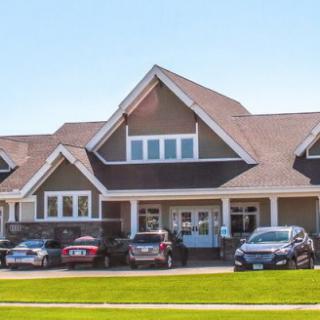
Comforts Of Home Hudson

Save

Comforts Of Home Hudson

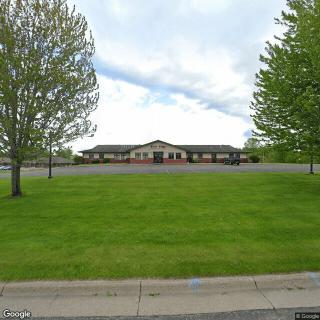
1111 Heggen Street, Hudson, WI 54016

For more information about senior living options: (844) 490-3973

3.3 from 4 reviews
5 stars
2
4 stars
0
3 stars
0
2 stars
1
1 stars
1

Assisted Living Memory Care

Comforts Of Home Hudson Costs & Pricing

Comforts Of Home Hudson offers competitive pricing for its residents, with monthly costs structured to reflect both the quality of care and local market conditions. For a semi-private room, residents can expect to pay $3,000, which is notably higher than the average cost in St. Croix County at $2,500 but remains more affordable than the statewide average of $3,977. For those seeking more privacy, the one-bedroom option is available for $4,600 per month - again positioning it above the county's average of $3,108 yet below Wisconsin's state average of $3,412. Overall, Comforts Of Home Hudson strikes a balance between offering exceptional care and maintaining reasonable costs within its regional context.

Floor plansComforts Of Home HudsonSt. Croix CountyWisconsin
Semi-Private$3,000$2,500$3,977
1 Bedroom$4,600$3,108$3,412

What level of care are you interested in?

Assisted Living

Memory Care

Independent Living

Skilled Nursing Facility

Continuing Care Retirement Community (CCRC)CCRC

Other


Request a tour at Comforts Of Home Hudson

    Overall Review of Comforts Of Home Hudson

    Pros

    • pro Mom is very content at Comforts of Home.
    • pro The staff go out of their way to keep her comfortable and to meet all her needs.
    • pro They talk to her, engage her, and strive to keep her happy.
    • pro They are on the spot with any needs as they come up.
    • pro They are very comforting, kind people.
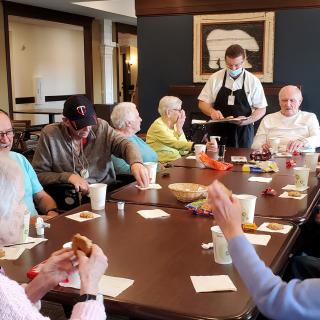
    • pro They get residents out of their rooms and socializing and engaged.
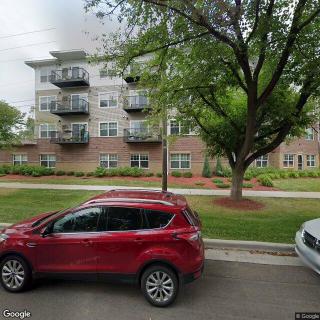
    • pro As a brand-new facility, the cleanliness is very good and it is much cleaner and newer than other places.
    • pro They are trying hard and are responsive, calling promptly when concerns arise.

    Cons

    • pro They considered it their least favorite among the properties.
    • pro The resident rooms are very small.
    • pro The tour guide didn't have answers to many questions.
    • pro The memory care tour contact never followed up.
    • pro The father was found sitting in his own waste.
    • pro There were no showers available.
    • pro Food sat on a table an hour after the meal time had passed.
    • pro The facility is severely understaffed, with only about 3 staff for 40?45 residents.
    • pro The staff were defensive, rude, and blamed each other when asked about care.
    • pro The broader company is a for-profit entity profiting off the humiliation of residents.
    • pro They should be ashamed.
    • pro The father is often grumpy when visited, suggesting he is being made to do things.

    Review

    Comforts Of Home Hudson is best suited for budget-minded families with seniors who are relatively independent but want social engagement and straightforward daily support. The community's newer, clean facility environment speaks to a desire for pleasant surroundings without premium pricing. However, potential residents should be aware that the living spaces are small, which may feel cramped for those who come with more belongings or require more private space. The tour experience, in at least one instance, suggested a staff member who could not fully answer questions or commit to follow-up, signaling a need for diligence in the initial information-gathering phase. For families prioritizing affordability plus opportunities for residents to mingle and participate in activities, Comforts Of Home Hudson can be a reasonable fit.

    Those who should consider alternatives are residents with higher-acuity needs or memory-care dependencies, and families that require highly reliable, transparent oversight. Several reviews flag staffing as a critical weakness, with reports of too few aides for dozens of residents and limited availability to respond quickly to care needs. The risk of gaps in daily care - such as delays in personal hygiene, meals, or showers - raises safety and dignity concerns for residents who rely on consistent supervision. Additionally, inconsistent communication, including missed follow-ups after inquiries and tours, undermines trust and makes ongoing risk assessment essential. For memory care or post-acute care with intensive support requirements, these gaps are not easily offset by cost or ambiance.

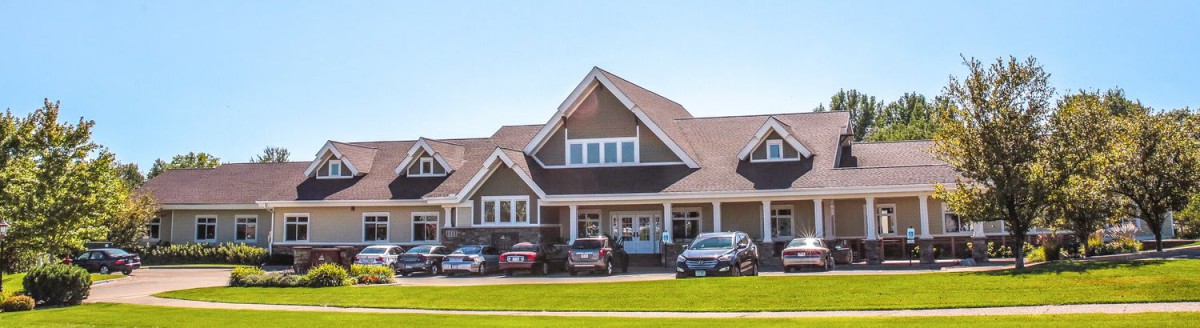
    The strongest positives center on cleanliness, affordability, and a clear emphasis on socialization. Being a newer facility, Comforts Of Home Hudson tends to be cleaner and more up-to-date than some peers, which matters for daily comfort and mood. The price point stands out in a crowded market, making it appealing to families watching the bottom line. When care is functioning well, staff members reportedly respond promptly to needs and create opportunities for residents to be active and engaged, rather than staying sedentary in rooms. For residents who thrive on routine contact with staff and regular social programming, these attributes can meaningfully improve day-to-day quality of life.

    Yet these strengths do not fully compensate for the most serious drawbacks observed. The understaffing dynamic can cascade into uncomfortable realities, such as residents waiting for assistance, meals, or personal care, and in one report, a resident was left sitting in waste without timely intervention. The defensive posture of some staff members when questions arise erodes confidence in the care environment and suggests a fragile safety net. The conflict between warmth and accountability is a crucial fault line here: the cheerful, socialized atmosphere in some shifts can coexist with lapses in basic care on others, depending on who is staffing and when. This inconsistency matters for families evaluating stability over the long term.

    From a practical decision-making standpoint, prospective families should demand concrete benchmarks before committing. Request current staffing ratios by shift, review care plans for residents with higher needs, and insist on visible, documented incident reporting and follow-up procedures. Schedule a second, more targeted tour that includes interactions with the care director, front-line supervisors, and a live observation of mealtime and activity programming. Seek to see how memory care needs are handled in real-time and whether staff can articulate a clear escalation path when concerns arise. A transparent tour and a detailed care workflow are essential to separating promise from performance.

    In the end, Comforts Of Home Hudson delivers a feasible option for households prioritizing affordability and social engagement, with the caveat of notable staffing and care consistency concerns. For anyone whose loved one requires steady, high-level supervision or has significant memory-care needs, exploring alternatives with demonstrably stable staffing and stronger oversight is prudent. If proceeding, approach with a proactive stance: secure a robust care plan, insist on visibility into staffing patterns, and prepare to reassess quickly if indicators of undercare emerge. A measured trial paired with clear accountability structures offers the most practical path, but readiness to pivot to higher-support options remains an essential contingency.

    Features

    Housing

    • 41 resident community capacity 41 resident community capacity

    Types of Care

    • Assisted Living Assisted LivingAssisted living facilities provide crucial support and care for seniors who may need help with daily tasks such as medication management, bathing, and meal preparation. These communities offer a safe and comfortable environment where seniors can maintain their independence while receiving the assistance they need to thrive in their golden years.
    • Memory Care Memory CareMemory care is crucial for seniors as it provides specialized support and services for individuals with dementia or Alzheimer's disease. These programs offer a safe and secure environment where residents receive personalized care, cognitive stimulation, and help with daily activities. Memory care helps seniors maintain their independence, quality of life, and dignity while also providing peace of mind for their families.

    Amenities

    • Activities off-site Activities off-siteEngaging in off-site activities is crucial for seniors to maintain social connections, stay active, and stimulate their minds. It promotes overall well-being and helps combat feelings of isolation and loneliness.
    • Activities on-site Activities on-siteActivities on-site are important for seniors because they provide opportunities for socialization, mental stimulation, physical activity, and overall well-being. Engaging in activities can help seniors stay active, maintain their independence, and improve their quality of life.
    • Bath tubs Bath tubsBath tubs are important for seniors because they provide a safe and relaxing way to bathe, helping to prevent slips and falls while promoting independence and overall well-being.
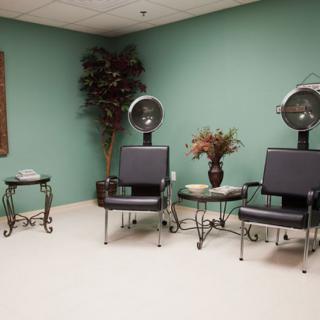
    • Beautician on-site Beautician on-siteHaving a beautician on-site at a senior living community is important for seniors as it allows them to easily access grooming and personal care services, boosting their self-esteem and overall well-being. It also provides convenience and helps seniors maintain their sense of independence and personal style.
    • Beauty salon Beauty salonBeauty salons are important for seniors because they provide a space for them to feel pampered, socialize, and maintain their personal grooming and hygiene. Regular visits to a beauty salon can help boost seniors' self-esteem and overall well-being.
    • Cable or satellite TV Cable or satellite TVCable or satellite TV is important for seniors because it provides entertainment, news, and companionship, helping to combat loneliness and boredom. It also offers a wide range of programming options tailored to different interests and preferences.
    • Devotional services on-site Devotional services on-siteDevotional services on-site provide seniors with spiritual support and a sense of community, as well as an opportunity for reflection and guidance during their senior living experience. This can promote emotional well-being and connection to others, leading to a more fulfilling and enriching lifestyle in their later years.
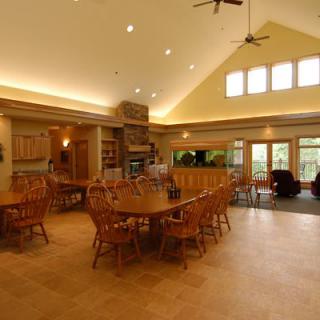
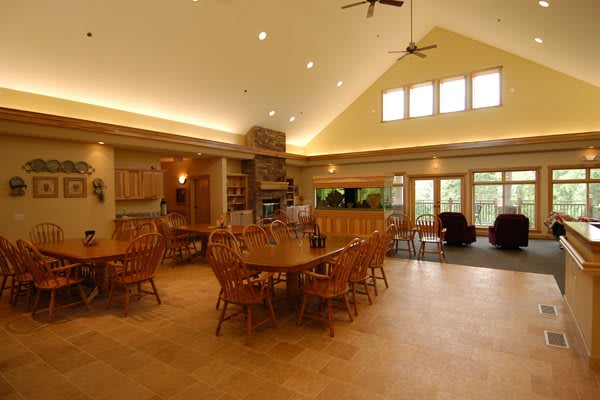
    • Dining room Dining roomDining rooms are important for seniors as they provide a space for socialization, connection, and nutritious meals. They offer opportunities for residents to bond over shared meals, foster a sense of community, and promote healthy eating habits. Dining rooms also ensure that seniors have access to well-balanced meals tailored to their dietary needs and preferences.
    • Fully furnished Fully furnishedFully furnished senior living communities are important for seniors because they provide convenience, comfort, and a hassle-free moving experience. Seniors can easily settle into their new living space without the stress of having to buy and move furniture. This allows them to focus on enjoying their new home and community.
    • Garden GardenGardens are important for seniors as they provide a peaceful and therapeutic environment for relaxation, physical activity, and socialization. Being in nature has been shown to reduce stress, improve mood, and promote overall well-being. Gardens also offer opportunities for seniors to engage in gardening activities, which can improve mobility, flexibility, and cognitive function. Additionally, gardens create a sense of community and connection with others who share a passion for plants and outdoor spaces.
    • Housekeeping services Housekeeping servicesHousekeeping services are important for seniors because they help maintain a clean and safe living environment, promote independence, and reduce the risk of accidents or illnesses. Additionally, having assistance with household chores can alleviate physical strain and allow seniors to focus on other aspects of their well-being.
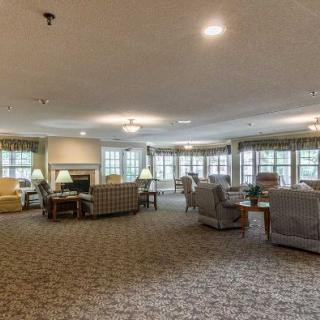
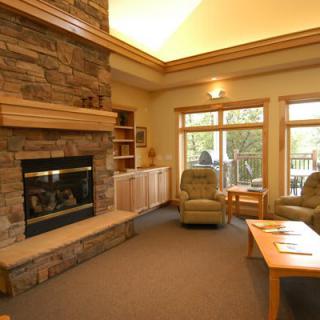
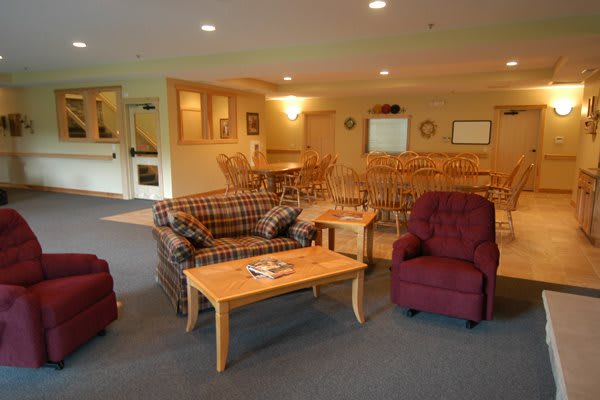
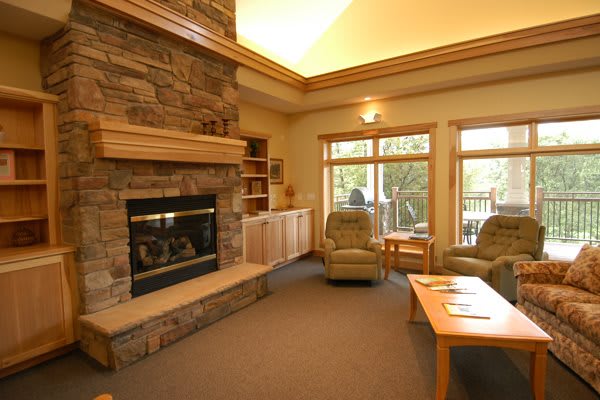
    • Indoor common areas Indoor common areasIndoor common areas are crucial for seniors as they provide a space for socialization, recreation, and community engagement, promoting overall well-being and reducing feelings of isolation and loneliness.
    • Kitchenette KitchenetteKitchenettes are important for seniors living in senior living communities because they provide the convenience and independence of being able to prepare simple meals and snacks in the comfort of their own living space. This can help promote a sense of autonomy and well-being for seniors, allowing them to maintain some level of control over their dietary choices and daily routines.
    • Move-in coordination Move-in coordinationMove-in coordination is important for seniors because it helps ease the transition into their new living environment. It ensures that all logistics, such as packing, organizing movers, and setting up utilities are taken care of, allowing seniors to focus on settling in and adjusting to their new home. Having a smooth move-in process can alleviate stress and anxiety, making the transition smoother and more enjoyable for seniors.
    • Outdoor common areas Outdoor common areasOutdoor common areas are important for seniors as they provide a space for socialization, physical activity, and relaxation. Being outside in nature can improve mood and overall well-being, while also encouraging movement and engagement with others. These spaces can help combat feelings of isolation and promote a sense of community among residents.
    • Outdoor space Outdoor spaceOutdoor spaces are important for seniors as they provide opportunities for physical activity, social interaction, exposure to natural light and fresh air, and a sense of connection to nature. Having access to outdoor spaces can improve overall well-being and quality of life for older adults living in senior communities.
    • Respite or short term stays offered Respite or short term stays offeredRespite or short term stays provide seniors with a temporary solution when their regular caregiver is unavailable, offering them the opportunity to receive additional care and support during times of need, while also giving caregivers a chance to rest and recharge.
    • Restaurant-style dining Restaurant-style diningRestaurant-style dining is important for seniors because it allows them to enjoy delicious, nutritious meals in a social and upscale setting. This enhances their dining experience, promotes healthy eating habits, and fosters socialization with fellow residents, ultimately contributing to their overall well-being and quality of life.
    • Small library Small librarySmall libraries are important for seniors as they provide access to a variety of reading materials, including books, newspapers, and magazines. This can help stimulate their minds, keep them engaged, and provide a sense of community through book clubs and other social activities. Additionally, reading has been shown to improve cognitive function and overall mental well-being in older adults.
    • Telephone TelephoneTelephones are important for seniors as they provide a lifeline for communication with loved ones, emergency services, and healthcare providers. They offer a sense of security and independence, enabling seniors to stay connected and access assistance when needed.
    • Wheelchair accessible showers Wheelchair accessible showersWheelchair accessible showers are crucial for seniors as they provide a safe and independent bathing option for those with mobility challenges. These showers help prevent falls and allow seniors to maintain their dignity and autonomy while ensuring they can bathe comfortably.
    • Wi-Fi/high-speed internet available Wi-Fi/high-speed internet availableWi-Fi/high-speed internet is important for seniors to stay connected with loved ones, access online resources, and participate in virtual activities to combat feelings of loneliness and isolation. It also allows them to easily manage healthcare needs, access entertainment, and engage in lifelong learning opportunities.

    Transportation

    • Minneapolis-St Paul International (24 miles away) Minneapolis-St Paul International (24 miles away)

    Care Services

    • 24-hour call system 24-hour call system24-hour call systems are important for seniors because they provide peace of mind and immediate assistance in case of emergencies. This technology ensures that help is always available, promoting safety and security for elderly individuals living alone or in assisted living facilities.
    • 24-hour supervision 24-hour supervision24-hour supervision is important for seniors to ensure their safety, well-being, and access to immediate assistance in case of emergencies or health issues. This constant support provides peace of mind for both seniors and their loved ones, allowing them to age in place with dignity and security.
    • Activities of daily living assistance Activities of daily living assistanceActivities of daily living assistance are important for seniors because they provide essential support with tasks such as eating, bathing, dressing, and mobility. This assistance helps seniors maintain their independence, dignity, and overall quality of life as they age.
    • Assistance with bathing Assistance with bathingAssistance with bathing is crucial for seniors as it helps maintain personal hygiene, prevents infections, and ensures their overall well-being and comfort. It also provides a sense of dignity and independence for seniors who may struggle with this task on their own.
    • Assistance with dressing Assistance with dressingAssistance with dressing is important for seniors because it helps maintain their independence, promotes personal hygiene, prevents accidents and injuries, and improves overall quality of life. This service ensures that seniors can continue to dress comfortably and confidently, despite any physical limitations they may have.
    • Assistance with transfers Assistance with transfersAssistance with transfers is crucial for seniors as it helps prevent falls and injuries, maintains their independence, and ensures they can safely navigate their living environment. It also provides peace of mind for both seniors and their loved ones.
    • Diabetes diet Diabetes dietA diabetes diet is crucial for seniors as it helps manage blood sugar levels, reduce risks of complications, and improve overall health and well-being. By following a balanced and nutritious diet tailored to their specific needs, seniors can better control their diabetes and enhance their quality of life.
    • Diabetic care Diabetic careDiabetic care is crucial for seniors as they are more susceptible to developing diabetes due to aging and other health conditions. Proper management of diabetes can help prevent complications such as heart disease, vision loss, and nerve damage, improving the overall quality of life for seniors in senior living communities.
    • Incontinence care Incontinence careIncontinence care is essential for seniors to maintain their dignity, hygiene, and overall quality of life. By addressing incontinence issues promptly and effectively, seniors can enjoy a sense of independence and comfort in their daily activities.
    • Meal preparation and service Meal preparation and serviceMeal preparation and service are crucial for seniors as they may have limited mobility or energy to cook nutritious meals. Having access to healthy and convenient food options can ensure they are getting the proper nutrition needed to maintain their overall health and well-being.
    • Medication management Medication managementMedication management is crucial for seniors to ensure they are taking the right medications at the correct dosages and times. This helps prevent adverse drug interactions, reduces the risk of medication errors, and promotes overall health and well-being. Proactive management also allows for adjustments as needed based on changing health conditions or new prescriptions.
    • Mental wellness program Mental wellness programMental wellness programs are essential for seniors as they promote cognitive stimulation, emotional support, and social engagement. These programs help prevent isolation, depression, and cognitive decline, ultimately enhancing the overall quality of life for older adults.
    • Mild cognitive impairment Mild cognitive impairment"Mild cognitive impairment" is important for seniors because it is an early stage of cognitive decline that can potentially progress to more severe conditions such as dementia. Recognizing and addressing mild cognitive impairment can help seniors receive appropriate care and support to maintain their quality of life and independence for as long as possible.
    • Special dietary restrictions Special dietary restrictionsSpecial dietary restrictions are important for seniors because age-related changes in metabolism and health conditions can make it difficult for their bodies to process certain foods. By following a diet tailored to their specific needs, seniors can maintain their overall health and well-being, manage chronic conditions, and reduce the risk of complications such as malnutrition or food interactions with medications.

    • Specialized memory care programming Specialized memory care programmingSpecialized memory care programming is crucial for seniors with cognitive impairments such as dementia or Alzheimer's disease. These programs provide a safe and supportive environment tailored to the unique needs of individuals with memory loss, helping them maintain their independence, dignity, and quality of life.

    Dining

    • Diabetes diet Diabetes dietA diabetes diet is crucial for seniors as it helps manage blood sugar levels, reduce risks of complications, and improve overall health and well-being. By following a balanced and nutritious diet tailored to their specific needs, seniors can better control their diabetes and enhance their quality of life.
    • Meals provided Meals provided"Meals provided" are crucial for seniors in assisted living communities as it ensures they have access to nutritious, balanced meals without the stress of meal planning and preparation. This can help promote overall health and well-being for seniors who may have limited mobility or cognitive abilities.
    • Special dietary restrictions Special dietary restrictionsSpecial dietary restrictions are important for seniors because age-related changes in metabolism and health conditions can make it difficult for their bodies to process certain foods. By following a diet tailored to their specific needs, seniors can maintain their overall health and well-being, manage chronic conditions, and reduce the risk of complications such as malnutrition or food interactions with medications.

    Activities

    • Activities off-site Activities off-siteEngaging in off-site activities is crucial for seniors to maintain social connections, stay active, and stimulate their minds. It promotes overall well-being and helps combat feelings of isolation and loneliness.
    • Activities on-site Activities on-siteActivities on-site are important for seniors because they provide opportunities for socialization, mental stimulation, physical activity, and overall well-being. Engaging in activities can help seniors stay active, maintain their independence, and improve their quality of life.
    • Community-sponsored activities Community-sponsored activitiesCommunity-sponsored activities are important for seniors as they provide opportunities for social interaction, mental stimulation, and physical activity. These activities can help improve overall well-being, combat loneliness and isolation, and promote a sense of belonging and purpose among older adults.
    • Devotional activities on-site Devotional activities on-siteDevotional activities on-site provide seniors with a sense of community, spiritual fulfillment, and emotional support, promoting overall well-being and a positive sense of purpose in their lives.
    • Resident-run activities Resident-run activitiesResident-run activities are important for seniors as they encourage social interaction, creativity, and a sense of autonomy. These activities empower seniors to stay engaged and active in their community while fostering meaningful connections with their peers.
    • Scheduled daily activities Scheduled daily activitiesScheduled daily activities are important for seniors because they provide structure, socialization, mental stimulation, and physical activity. Engaging in regular activities can improve overall well-being and quality of life for seniors living in a community setting.

    Description

    Comforts of Home Hudson in Hudson, WI is an assisted living community specializing in Memory Care. Our community offers a wide range of amenities to ensure the comfort and well-being of our residents.

    For leisure and entertainment, we provide various on-site activities, a small library, and resident-run activities. Residents can relax and socialize in our indoor common areas or enjoy the outdoors in our garden and outdoor common areas. We also offer fully furnished accommodations with cable or satellite TV, Wi-Fi/high-speed internet, and telephone access.

    Our care services are tailored to meet individual needs with 24-hour supervision available. Our trained staff assists with activities of daily living, such as bathing, dressing, transfers, and medication management. We provide specialized memory care programming for those with mild cognitive impairment and mental wellness programs to support overall well-being.

    Nutritious meals are provided as part of our dining program, which accommodates special dietary restrictions. Additionally, residents can enjoy restaurant-style dining in our dining room.

    Located in Hudson, WI, we benefit from the surrounding neighborhood amenities. There are 2 cafes nearby for socializing or outings with loved ones. Nature enthusiasts can explore the 6 parks nearby for recreational activities. We have convenient access to healthcare services with 4 pharmacies and 15 physicians in close proximity. Residents will find various dining options with 21 restaurants nearby for culinary variety. For spiritual needs, there is a place of worship nearby for devotionals or religious services.

    At Comforts of Home Hudson, we strive to create a warm and supportive environment where residents can feel at ease while receiving exceptional memory care services.

    Nearby Places of Interest

    This part of Hudson, Wisconsin offers a convenient and vibrant community for senior living. With several parks nearby such as Hazelcrest Playground and Anderson Park, residents can enjoy outdoor activities and nature walks. There are also various healthcare options in close proximity including Hudson Hospital and Rejuvenate Medi-Spa. A variety of dining options like Taco John's and Applebee's are available for those looking to dine out, while pharmacies like Walgreens and Walmart Pharmacy make accessing medication easy. Additionally, the area offers entertainment options such as Hudson Cinema 9 for movie enthusiasts. Places of worship including St Paul Lutheran Church cater to spiritual needs within the community. Overall, this part of Hudson provides a well-rounded living environment for seniors looking for convenience and amenities in their daily lives.

    Parks

    • Hazelcrest Playground (0.2 miles)
    • Anderson Park (0.3 miles)
    • Weitkamp Park (1.5 miles)
    • Castle Park (1.9 miles)
    • Jenson Memorial Park (3.5 miles)
    • Willow River State Park (4.7 miles)
    • Benson Park (7.2 miles)

    Hospitals

    • Hudson Hospital (0.2 miles)
    • Rejuvenate Medi-Spa (1.1 miles)
    • Hudson Hospital & Clinic (1.2 miles)
    • Physicians Neck and Back Clinic of Western Wisconsin (1.2 miles)
    • Hudson Hospital (1.2 miles)
    • Stillwater Health System (7.1 miles)
    • Stillwater Good Samaritan Center (8.2 miles)

    Restaurants

    • Taco John's (0.3 miles)
    • Jonesy's Bar and Grill (0.6 miles)
    • Wendy's (0.7 miles)
    • Applebee's (0.8 miles)
    • Popeyes Louisiana Kitchen (0.8 miles)
    • Taco Bell (0.9 miles)
    • McDonald's (1 miles)

    Physicians

    • New Beginnings Theraputic Massage (0.3 miles)
    • Miracle-Ear Hearing Aid Center (1.1 miles)
    • Amdahl Hearing (1.2 miles)
    • Hudson Physicians (1.2 miles)
    • Pediatric & Young Adult Medicine (1.2 miles)
    • Van Tyn Marlieke MD (1.2 miles)
    • Forefront Dermatology Hudson, WI (1.2 miles)

    Cafes

    • Joe To Go (0.5 miles)
    • Starbucks (1.1 miles)
    • Dock Cafe (7.2 miles)
    • Starbucks (8 miles)

    Pharmacies

    • Crossroads County Market (0.9 miles)
    • CVS Pharmacy (1.1 miles)
    • Walgreens (1.2 miles)
    • Micklesen Drug (4.4 miles)
    • Walgreens (6.2 miles)
    • Walmart Pharmacy (6.7 miles)
    • Cub Pharmacy (7.3 miles)

    Theaters

    • Hudson Cinema 9 (2.4 miles)
    • St Croix Hilltop Drive-In (7.8 miles)

    Places of Worship

    • Church (2.5 miles)
    • Eagle Brook Church - Woodbury Campus (6.9 miles)
    • St Paul Lutheran Church (7.1 miles)

    Frequently Asked Questions

    How much does it cost to live at Comforts Of Home Hudson in Hudson, WI?
    Where is Comforts Of Home Hudson?
    Does Comforts Of Home Hudson provide care for residents with dementia or Alzheimer's disease?
    What photos are available for Comforts Of Home Hudson in Hudson, Wisconsin?

    Nearby Communities

    • Comforts Of Home Hudson II

      Comforts Of Home Hudson II

      Hudson, WI


      pro Memory-care focused with 24/7 supervision, medication management, and engaging activities.

    • Comforts of Home - Hudson II

      Comforts of Home - Hudson II

      Hudson, WI

      4.5 from 4 reviews
      $4,400 to $4,600 / month

      pro Friendly, attentive staff; clean, aesthetically pleasing environment; engaging activities and quality meals.

    • Hometown Senior Living Crest View

      Hometown Senior Living Crest View

      Hudson, WI

      3.1 from 8 reviews
      $8,850 / month

      pro Private rooms with baths and comprehensive, specialized care options.

    • Peaceful Living

      Peaceful Living

      Hudson, WI

      4.6 from 9 reviews
       

      pro Reliable, on-time caregivers and friendly staff with generally fair pricing.

    • Rem Namekagon Loop

      Rem Namekagon Loop

      Hudson, WI

      3 from 4 reviews
       

      pro Fully furnished apartments with comprehensive assisted living services.

    • Rem Wisconsin III Wheatgrass II

      Rem Wisconsin III Wheatgrass II

      Hudson, WI

      3 from 4 reviews
       

      pro Extensive amenities and 24/7 care with transportation, move-in coordination, and regular activities.

    • Red Cedar Canyon Senior Living

      Red Cedar Canyon Senior Living

      Hudson, WI

      4.2 from 21 reviews
      $2,420 to $3,330 / month

      pro Warm, home-like environment with attentive caregivers and quality dining.

    • Boutwells Landing

      Boutwells Landing

      Oak Park Heights, MN

      4 from 49 reviews
      $970 to $2,165 / month

      pro Caring staff, wide amenities, and engaging activities.

    • Stillwater Residence

      Stillwater Residence

      Stillwater, MN

      5 from 1 review
       

      pro Extensive nearby amenities and healthcare access

    Related Resources

    • what do dementia patients think aboutDelving into the Inner World of Dementia: Insights into Thoughts and Awareness

      Dementia, primarily caused by Alzheimer's disease but also linked to other conditions, leads to cognitive decline impacting memory and daily functioning, with individuals experiencing varied awareness of their impairments. Despite memory loss, emotional connections persist, enabling responses to familiar stimuli, highlighting the need for caregivers to provide compassionate support that recognizes both limitations and retained emotional depth.

    • does my mom have dementia quizFive Subtle Dementia Indicators to Observe: An In-Depth Guide to Understanding “Does My Mom Have Dementia?”

      The article presents five subtle indicators of dementia, such as memory lapses and mood swings, to help families assess cognitive decline in loved ones. It emphasizes early detection, open communication, and seeking professional help while providing practical support steps.

    • dementia paranoiaDementia, Paranoia, and Caregiver Guidance: Understanding the Connection
      Dementia encompasses progressive neurological disorders that impair cognitive functions and can lead to paranoia due to cognitive decline and emotional changes. The article discusses the triggers of paranoia in dementia, caregiver strategies for managing it, and the importance of distinguishing between dementia-related paranoia and other psychiatric conditions.


    Get Pricing Ask A Question Schedule A Tour Contact Senior Advisor