

1810 Crest View Drive #3A, Hudson, WI 54016
For more information about senior living options: (866) 208-4318
Overall Review of Peaceful Living
Pros
 Rachel is kind, curious, and easy to talk to.
- The staff is committed, making the community fun and safe while consistently setting goals for each client.
- The homes are beautiful, warm, and clean.
- They strive for the best every day for their team and clients/loved ones.
- The resident enjoys the staff and the other residents.
- The care is person-centered, provided by skilled professionals who are attentive and truly get to know residents' needs.
- They maintain consistent caregivers who are friendly and reliable.
- Their pricing is on par with the quality of care they provide.
- They do a very good job.
Cons
 They report many issues with the service.
 - PCA pay has been frozen at $10 per hour for a long time.
- Administration fees are described as outrageous given the low pay.
- Their child’s PCA hours were cut by more than half without notice or explanation.
- They lost their PCA due to the pay cut.
- They are overall frustrated with the company.
Review
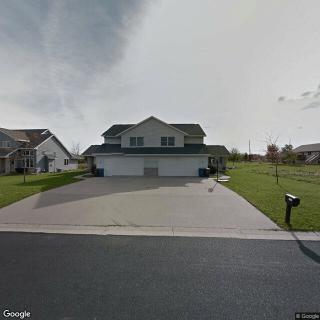
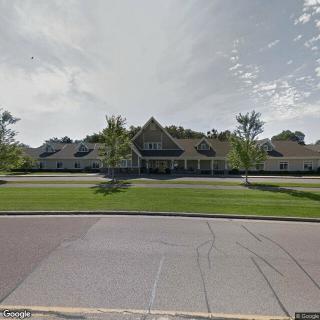
Peaceful Living in Hudson, Wisconsin, is best suited for seniors who prize a warm, home-like atmosphere, with a small-to-mid-sized community feel and a caregiving team that emphasizes personal attention. The intake experience stands out for clarity and approachability, with staff explaining services in understandable terms and guiding families through the decision with genuine care. The community earns praise for a committed staff, clean and welcoming homes, and a culture that aims to be safe and goal-focused for each resident. For residents who respond to person-centered care delivered by skilled professionals who truly get to know individual needs, Peaceful Living delivers a compelling, tangible sense of belonging.
Those who should consider alternatives include families prioritizing strict cost predictability, transparent pricing, and staffing models that remove some of the unpredictability tied to wage pressures. The strongest cautions in the feedback relate to pay and staffing: PCA hours have been cut, and a top wage has remained frozen for an extended period, while county reimbursement runs higher. Comments suggest administration fees may feel burdensome when wage pressures strain staffing levels. While the program can accommodate clients with their own providers, that flexibility may not fully shield families from the underlying tension between compensation and continuity, particularly for households needing steady, full-time coverage.
On the upside, the core strengths are clear: person-centered care delivered by attentive professionals who take time to learn residents’ preferences and routines. Families report having the same caregiver consistently and appreciate reliable arrival times and responsive communication. The setting reinforces these advantages: homes are described as beautiful, clean, and comfortable, supporting a sense of safety and well-being. The community’s emphasis on meaningful goals and daily engagement translates into a practical, active daily life for residents, which is a meaningful differentiator for families watching for real daily quality of life.
Yet the same threads that deliver individualized attention can amplify fragility when staffing cost pressures bite. The apparent wage ceiling for PCAs and the reliance on administrative fees introduce a potential for turnover and last-minute schedule changes, as seen in a few accounts. Instances of hours being cut without notice highlight a risk to continuity of care that families must weigh against the benefits of a warm, person-centered approach. Communication gaps around plan changes or budget-driven adjustments can erode confidence, especially for households that depend on predictable staffing patterns for safety and peace of mind.
These pros and cons balance in a way that favors families who value relational care and a homey environment, provided there is a plan to mitigate staffing variability. The option to work with a client’s own provider offers a practical workaround to maintain continuity when internal staff fluctuations occur, which can soften some of the risk. For residents needing steady medical oversight or clearer, guaranteed staffing, however, these wage-related dynamics warrant careful scrutiny. In practice, Peaceful Living tends to shine where moderate care needs meet a cooperative family relationship with administration and where back-up arrangements can be clearly defined.
Bottom line: Peaceful Living delivers warmth, attentiveness, and a genuine person-centered approach that resonates with families seeking daily purpose and companionship for seniors. It is a strong fit for households willing to engage actively with management to safeguard continuity and control costs, and for those who can leverage an outside provider to maintain steady coverage if internal staffing shifts occur. For families prioritizing absolute staffing predictability, transparent pricing, and robust clinical oversight, exploring alternatives is prudent. Prospective entrants should request a written care plan, a clear staffing schedule, and a formal understanding of how PCA hours are managed, plus clarity on any administration fees. If possible, arrange a short trial period to observe real-world operations. The decision will come down to balancing the heart of the community, the care, the people, and the home, against the realities of staffing economics and predictable coverage.
 21 resident community capacity
 Assisted Living
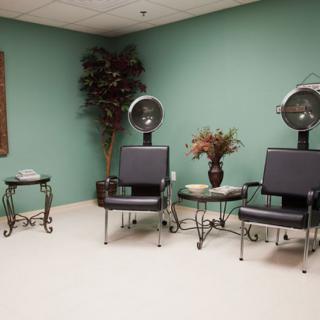
 Beauty salon
 Cable or satellite TV
 Dining room
 Fully furnished
 Garden
 Housekeeping services
 Kitchenette
 Move-in coordination
 Outdoor space
 Telephone
 Wi-Fi/high-speed internet available
 Minneapolis-St Paul International (24 miles away)
 24-hour call system
 Activities of daily living assistance
 Assistance with bathing
 Assistance with dressing
 Assistance with transfers
 Diabetes diet
 Meal preparation and service
 Medication management
 Mental wellness program
 Special dietary restrictions
 Transportation arrangement (medical)
 Transportation to doctors appointments





 Choosing the Right Senior Care: A Detailed Exploration of Assisted Living and Nursing Homes
 Understanding the True Cost of Assisted Living in 2025: A Comprehensive Guide
 Understanding Medicaid Coverage for Assisted Living: A Comprehensive Guide