
1700 Spartan Road, Green Bay, WI 54311
For more information about senior living options: (866) 208-4318
Autumns Promise Assisted Living Costs & Pricing
Autumns Promise Assisted Living offers competitive pricing for its residents, with a focus on providing exceptional care and accommodations. For a studio unit, the monthly cost is $4,150, which reflects a higher investment compared to the average rates in Brown County at $3,539 and across Wisconsin at $3,999. A one-bedroom unit is priced at $4,900, again positioning it above both county averages of $3,094 and state averages of $3,412. While Autumns Promise may be priced higher than local and state competitors, this premium likely encompasses additional services and amenities that prioritize resident comfort and well-being. Families considering assisted living options can weigh these costs against the quality of care provided when making their decision.
| Floor plans | Autumns Promise Assisted Living | Brown County | Wisconsin |
|---|---|---|---|
| Studio | $4,150 | $3,539 | $3,999 |
| 1 Bedroom | $4,900 | $3,094 | $3,412 |
Memory care communities with a similar price nearby
-
from -$750 / mo
Bay Road Place
$3,400 to $6,800 / month24.1 miles away -
from +$290 / mo
Oak Park Place Green Bay
$4,440 to $5,073 / month2.2 miles away -
from -$150 / mo
Dimensions Living Green Bay
$4,000 to $4,935 / month3.8 miles away -
from +$650 / mo
Marla Vista Assisted Living & Memory Care
$4,800 / month7.5 miles away -
from +$750 / mo
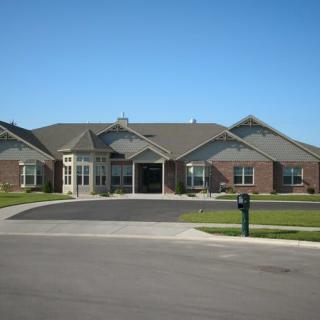
Angels Touch Assisted Living
$4,900 to $6,000 / month8.3 miles away
Overall Review of Autumns Promise Assisted Living
Pros
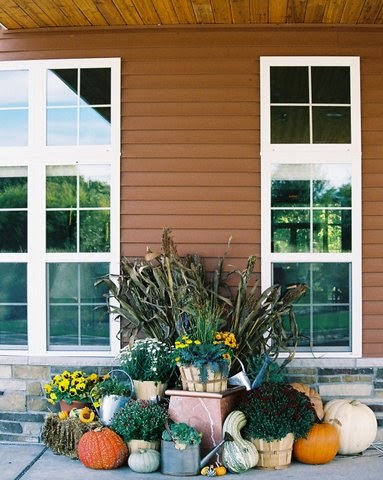
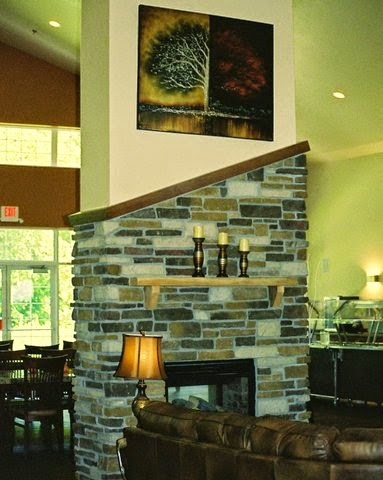
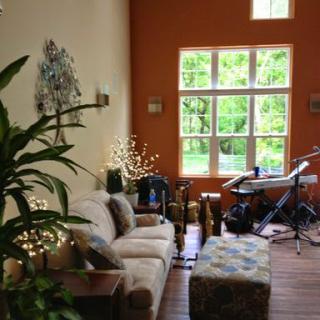
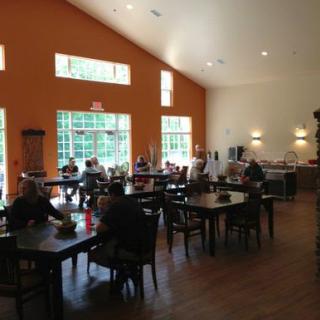
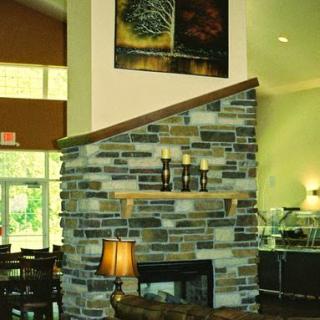
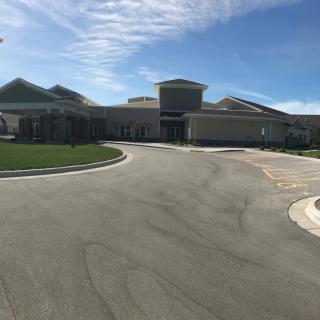
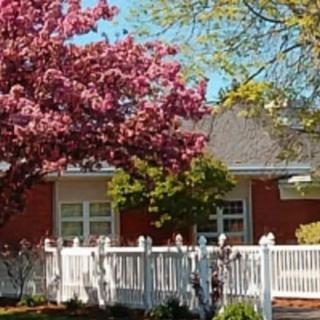
 The facility was described as a very beautiful place inside and out.
- They appreciated being able to come and go as they please.
- Aubrey is incredible, always treating people with respect, showing great professionalism, and having an infectious smile.
- Ginger Lutz is passionate about the care for her clients.
- The facility and its surroundings were beautiful.
- The ladies are all five stars.
Cons
 The reviewer was not impressed with his father's experience in this home.
- The facility did not allow enough time for new medications to adjust.
- The reviewer believed the staff could not provide the necessary care for a dementia patient.
- There were staff members who were rude to him and had little patience.
- The staff members who dealt with his father the most were not nice.
- If the resident did not want to take medications, the meds were skipped.
- If the resident did not want to eat, meals were skipped.
- Only one nursing assistant on duty at night made the situation feel very unsafe.
Review
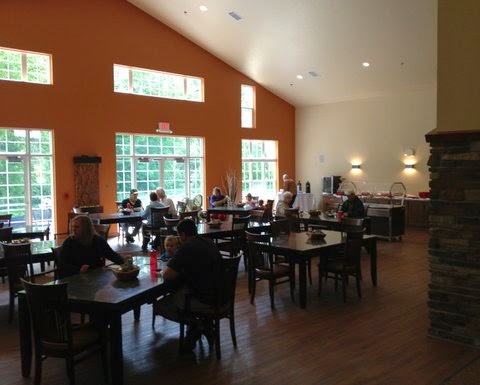
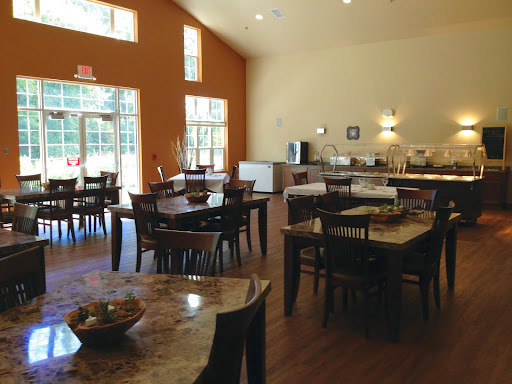
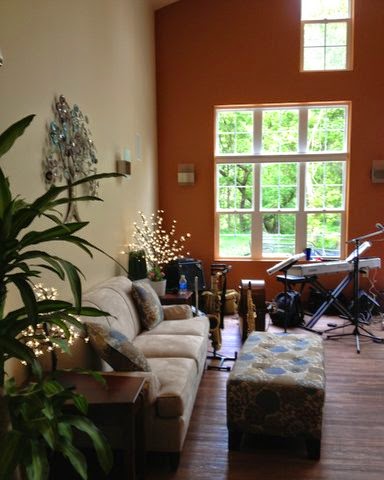
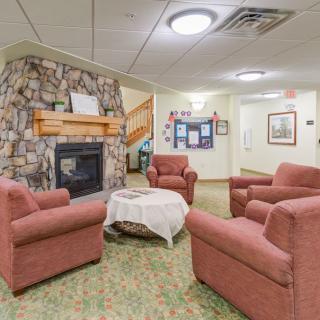
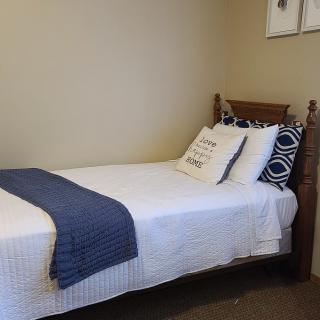
Autumns Promise Assisted Living in Green Bay is best suited for seniors who prize a bright, home-like setting and value flexibility in daily routines over a clinical, hospital-like atmosphere. The facility delivers a warm, aesthetically pleasing environment with pleasant rooms and well-kept common areas that can feel welcoming to someone who wants to maintain a sense of independence and casual visiting rhythms. It works particularly for residents who can handle most activities with minimal supervision and who benefit from the freedom to come and go as schedules demand. For families facing dementia-related needs or complex medication management, however, this community presents meaningful caveats that make a different choice worth serious consideration.
Those who should explicitly consider alternatives include families with loved ones who have advanced dementia or highly variable behavior, as well as residents requiring tight medication oversight and rapid adjustments. Several reviews highlight episodes where medications were not administered consistently, or were altered based on refusals rather than a formal plan, raising concerns about safety and medical responsiveness. The same accounts flag at least some staff as lacking patience or exhibiting unprofessional conduct, and point to gaps in nursing coverage at night. In short, the combination of dementia-specific needs and a history of inconsistent clinical care makes another setting more prudent for individuals with significant medical or behavioral support requirements.
The strongest positives of Autumns Promise, its beauty, comfort, and flexibility, do offer meaningful compensation for certain residents when viewed through a practical lens. The facility’s atmosphere can ease transitions for aging adults who value a non-institutional feel, and the ability to come and go can reduce stress for families balancing busy lives. Positive references about specific staff members underscore that not all interactions are problematic: Aubrey’s respectful demeanor and Ginger Lutz’s evident dedication illustrate that capable, compassionate care does exist on the floor. When residents do connect with well-trained staff, the living experience can feel personal, affirming independence within a supportive environment. These elements, however, do not fully counterbalance the systemic concerns raised in several reviews.
On the downside, the most consequential drawbacks center on care management and staffing reliability. Medication practices as described in multiple accounts raise red flags: lapses when a resident declines pills, and the absence of timely med adjustments can destabilize health and increase confusion in dementia scenarios. Staffing patterns contribute to the risk picture as well; the most pointed reports note an insufficient number of nursing assistants at night and occasional unprofessional disclosures from staff in front of family members. The impression of uneven nursing skill, contrasted with claims of RN presence, also creates uncertainty about whether medical needs will be met with consistency. Such dynamics matter most for families evaluating sustained safety, predictable care plans, and proactive symptom management.
To navigate these realities, families should focus on a disciplined tour and targeted questioning. Inquire about exact medication protocols: how meds are scheduled, adjusted, and reviewed, and how refusals are handled within a formal plan rather than ad hoc decisions. Probe the availability and shift coverage of licensed nursing staff, especially overnight, and request to see recent care plans for residents with dementia. Assess the training and experience of aides, the process for supervising care, and the facility’s track record with responsive, respectful communication in front of families. While the setting and some staff interactions can feel welcoming, the absence of consistent clinical oversight and robust dementia programming will matter most when choosing this community for someone who requires vigilant medical attention and steady behavioral support.
The bottom line for families weighing Autumns Promise is clear. If independence, social engagement, and a high-quality living environment are top priorities, and if the loved one’s needs are modest from a medical standpoint, this community can be a strong match. The aesthetic appeal and flexible scheduling are meaningful advantages that translate into livable days and a pleasant daily rhythm. Conversely, for residents whose care hinges on reliable medication administration, constant nursing supervision, or dementia-specific programming, this facility requires careful scrutiny and a reality-check against other options. The decision hinges on the degree of clinical certainty and behavior support that a family is willing to secure.
In practical terms, a decisive next step is a candid, problem-focused tour. Ask prospective staff to outline a typical night shift: who administers meds, how quick adjustments are made, and what escalation steps occur if a resident refuses treatment. Request a recent sample care plan for a dementia resident, and verify the presence and visibility of a dedicated RN or supervisor during evenings and weekends. Seek out current families’ perspectives on staff consistency, incident resolution, and how activity programming aligns with individual interests. If these elements align with expectations, Autumns Promise can offer a reassuring, home-like setting with real social vitality. If they do not, it becomes prudent to continue looking for a community that prioritizes steady clinical oversight and dementia-ready care without compromising on warmth and environment.
 30 resident community capacity
 Assisted Living
 Memory Care
 Activities off-site
 Bath tubs
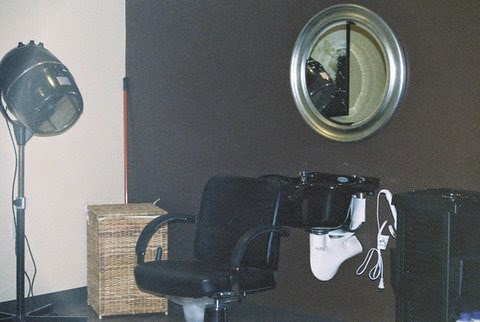
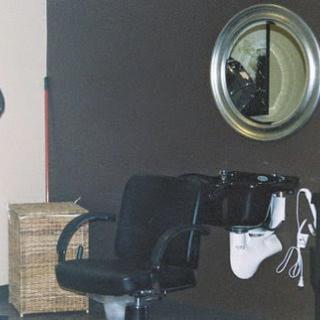
 Beautician on-site
 Cable or satellite TV
 Devotional services off-site
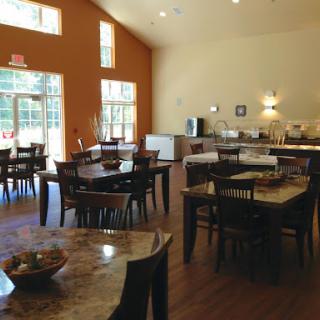
 Dining room
 Fully furnished
 Garden
 Housekeeping services
 Indoor common areas
 Kitchenette
 Move-in coordination
 Outdoor common areas
 Respite or short term stays offered
 Restaurant-style dining
 Small library
 Telephone
 Wheelchair accessible showers
 Wi-Fi/high-speed internet available
 Austin Straubel International (12 miles away)
 24-hour call system
 Ambulatory care
 Assistance with bathing
 Assistance with dressing
 Assistance with transfers
 Diabetes diet
 Diabetic care
 High acuity care
 Incontinence care
 Medication management
 Mental wellness program
 Special dietary restrictions

 Dementia Behaviors: In-Depth Understanding and Effective Coping Strategies
 5 Early Indicators of Dementia and What You Can Do
 8 Important Indicators That Memory Care May Be Necessary