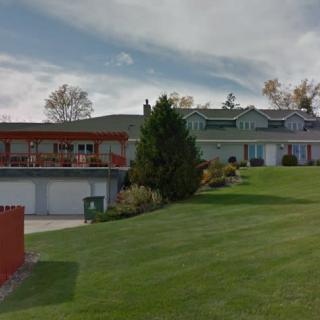
The Artisan Fond Du Lac House in Fond Du Lac, WI

Information last verified:

154 South Pioneer Parkway, Fond Du Lac, WI 54935

For more information about senior living options: (844) 490-3973

4.2 from 11 reviews
5 stars
8
4 stars
1
3 stars
0
2 stars
0
1 stars
2

Overall Review of The Artisan Fond Du Lac House

Pros

  • pro Eden Vista in Fond du Lac is a lovely community and a wonderful place to call home.
  • pro The care team truly loves all the residents.
  • pro It’s a smaller community, which is nice.
  • pro The team is passionate about providing amazing care.
  • pro There are great meals, fun activities, and wonderful people.
  • pro Denise, the director, is the heart of the community, and her warmth is felt by the entire team.
  • pro Residents enjoy music, activities, and celebrations such as Christmas parties.

Cons

  • pro The staff seemed upset that they had to open the door for visitors.
  • pro There was no verbal greeting.
  • pro The kitchen was messy.
  • pro Clothes were all over the place.
  • pro There was nowhere to sit.
  • pro Dirty clothes were on the floor, spilling out of the laundry room.
  • pro There was a strong urine smell down the hall.
  • pro A resident was trying to do her bedding.
  • pro The mattress was badly stained and had a huge dip in the middle.
  • pro Only two staff members were seen in the building.

Review

This Fond du Lac assisted living option is best suited for families seeking a small, neighborly environment where care feels personal and highly visible. It works well for residents who value daily engagement, warm interactions with a caregiving team, and a homey atmosphere over a large-campus feel. The leadership presence, especially the director, helps set a welcoming tone and fosters regular family communication, so relatives feel connected to their loved one’s day-to-day life. For seniors who thrive on scheduled activities, music, and social gatherings, and for families who want to see tangible, ongoing attention to wellbeing, this setting offers a compelling sense of security and belonging.

At the same time, it is prudent to consider alternatives for families prioritizing spotless, consistently maintained spaces or more structured medical oversight. A subset of notes describes moments of disorganization and cleanliness lapses, messy kitchens, cluttered hallways, and noticeable odors, that can erode comfort. Staffing visibility appears variable, with reports of only a couple of staff in the building at times, which raises questions about responsiveness and ongoing supervision. For residents who require rigorous housekeeping standards, tighter operational discipline, or round-the-clock medical supervision, a larger or more standardized option may be a better match. Families should weigh the warmth and engagement against these discernible operational gaps.

The strongest asset is the human connection: caregivers who seem genuinely invested in resident happiness and a leadership team that appears accessible and proactive. That relational foundation often translates into meaningful activities, reliable safety nets, and a welcoming day-to-day environment that feels less institutional. Yet the helpfulness of these positives is not uniform across all reports. Cleanliness and organization gaps, when they occur, can quickly undermine the sense of dignity and routine residents rely on. In those moments, even thoughtful care and spirited programming may not fully compensate for the discomfort created by upkeep lapses. The bottom line is that relational warmth and programmatic vitality must be sustained by consistent operations to deliver a truly steady senior living experience.

Families evaluating fit should adopt a straightforward, on-site verification approach. Schedule multiple tours at various times to observe how staff engage with residents under different pressures. Note the cleanliness of common areas, dining spaces, and the laundry area, and assess whether issues are addressed promptly or left unaddressed. Request to review current care plans, family communications, and any incident or maintenance logs. Inquire about staff-to-resident ratios, staff stability, and training standards, as well as the cadence of activity calendars and meal options. Speak with current residents or families about their communication experience and responsiveness. A trial period, if feasible, can reveal whether the environment consistently meets expectations before committing long-term.

Additional diligence should focus on red flags and risk signals. Ask how housekeeping is scheduled and audited, what happens if odors or cleanliness concerns recur, and how maintenance requests are prioritized and resolved. Explore shift-change dynamics to understand whether new teams offer seamless continuity of care or if gaps emerge at transition points. Clarify transportation, medication management, and assistance with daily living tasks, ensuring there are concrete, reproducible procedures aligned with the loved one’s needs. If these factors align with expectations, the setting can deliver genuine comfort and continuity; if not, it is sensible to pursue alternatives with a track record of steadier upkeep and more predictable staffing.

In sum, this Fond du Lac option presents a compelling choice for families prioritizing warmth, close personal attention, and an active social life within a compact community. The deeply rooted caregiver–family bond can be a decisive edge for residents who value daily engagement and a sense of belonging. Yet the trade-off is real: occasional lapses in cleanliness, organization, and staffing consistency can undermine comfort for residents who demand unwavering upkeep and reliable, around-the-clock supervision. The prudent path is to verify current conditions in person, compare with nearby options, and insist on clear, measurable indicators of performance, cleanliness, response times, and transparent family communication. When those measures align, the setting can be an excellent fit; when they do not, it is wise to move toward alternatives that deliver steadier operations and consistently pristine spaces.

Features

Housing

  • 20 resident community capacity 20 resident community capacity

Types of Care

  • Assisted Living Assisted LivingAssisted living facilities provide crucial support and care for seniors who may need help with daily tasks such as medication management, bathing, and meal preparation. These communities offer a safe and comfortable environment where seniors can maintain their independence while receiving the assistance they need to thrive in their golden years.
  • Board and Care Home Board and Care HomeBoard and care homes provide a smaller, more intimate setting for seniors who require assistance with daily tasks but do not need the level of care offered by a nursing home. They offer personalized care, meals, and social activities in a homelike environment, ensuring that seniors receive individualized attention and support in their golden years.
  • Memory Care Memory CareMemory care is crucial for seniors as it provides specialized support and services for individuals with dementia or Alzheimer's disease. These programs offer a safe and secure environment where residents receive personalized care, cognitive stimulation, and help with daily activities. Memory care helps seniors maintain their independence, quality of life, and dignity while also providing peace of mind for their families.

Amenities

  • Beauty salon Beauty salonBeauty salons are important for seniors because they provide a space for them to feel pampered, socialize, and maintain their personal grooming and hygiene. Regular visits to a beauty salon can help boost seniors' self-esteem and overall well-being.
  • Cable or satellite TV Cable or satellite TVCable or satellite TV is important for seniors because it provides entertainment, news, and companionship, helping to combat loneliness and boredom. It also offers a wide range of programming options tailored to different interests and preferences.
  • Dining room Dining roomDining rooms are important for seniors as they provide a space for socialization, connection, and nutritious meals. They offer opportunities for residents to bond over shared meals, foster a sense of community, and promote healthy eating habits. Dining rooms also ensure that seniors have access to well-balanced meals tailored to their dietary needs and preferences.
  • Fully furnished Fully furnishedFully furnished senior living communities are important for seniors because they provide convenience, comfort, and a hassle-free moving experience. Seniors can easily settle into their new living space without the stress of having to buy and move furniture. This allows them to focus on enjoying their new home and community.
  • Garden GardenGardens are important for seniors as they provide a peaceful and therapeutic environment for relaxation, physical activity, and socialization. Being in nature has been shown to reduce stress, improve mood, and promote overall well-being. Gardens also offer opportunities for seniors to engage in gardening activities, which can improve mobility, flexibility, and cognitive function. Additionally, gardens create a sense of community and connection with others who share a passion for plants and outdoor spaces.
  • Housekeeping services Housekeeping servicesHousekeeping services are important for seniors because they help maintain a clean and safe living environment, promote independence, and reduce the risk of accidents or illnesses. Additionally, having assistance with household chores can alleviate physical strain and allow seniors to focus on other aspects of their well-being.
  • Kitchenette KitchenetteKitchenettes are important for seniors living in senior living communities because they provide the convenience and independence of being able to prepare simple meals and snacks in the comfort of their own living space. This can help promote a sense of autonomy and well-being for seniors, allowing them to maintain some level of control over their dietary choices and daily routines.
  • Move-in coordination Move-in coordinationMove-in coordination is important for seniors because it helps ease the transition into their new living environment. It ensures that all logistics, such as packing, organizing movers, and setting up utilities are taken care of, allowing seniors to focus on settling in and adjusting to their new home. Having a smooth move-in process can alleviate stress and anxiety, making the transition smoother and more enjoyable for seniors.
  • Outdoor space Outdoor spaceOutdoor spaces are important for seniors as they provide opportunities for physical activity, social interaction, exposure to natural light and fresh air, and a sense of connection to nature. Having access to outdoor spaces can improve overall well-being and quality of life for older adults living in senior communities.
  • Telephone TelephoneTelephones are important for seniors as they provide a lifeline for communication with loved ones, emergency services, and healthcare providers. They offer a sense of security and independence, enabling seniors to stay connected and access assistance when needed.
  • Wi-Fi/high-speed internet available Wi-Fi/high-speed internet availableWi-Fi/high-speed internet is important for seniors to stay connected with loved ones, access online resources, and participate in virtual activities to combat feelings of loneliness and isolation. It also allows them to easily manage healthcare needs, access entertainment, and engage in lifelong learning opportunities.

Care Services

  • 24-hour call system 24-hour call system24-hour call systems are important for seniors because they provide peace of mind and immediate assistance in case of emergencies. This technology ensures that help is always available, promoting safety and security for elderly individuals living alone or in assisted living facilities.
  • 24-hour supervision 24-hour supervision24-hour supervision is important for seniors to ensure their safety, well-being, and access to immediate assistance in case of emergencies or health issues. This constant support provides peace of mind for both seniors and their loved ones, allowing them to age in place with dignity and security.
  • Activities of daily living assistance Activities of daily living assistanceActivities of daily living assistance are important for seniors because they provide essential support with tasks such as eating, bathing, dressing, and mobility. This assistance helps seniors maintain their independence, dignity, and overall quality of life as they age.
  • Assistance with bathing Assistance with bathingAssistance with bathing is crucial for seniors as it helps maintain personal hygiene, prevents infections, and ensures their overall well-being and comfort. It also provides a sense of dignity and independence for seniors who may struggle with this task on their own.
  • Assistance with dressing Assistance with dressingAssistance with dressing is important for seniors because it helps maintain their independence, promotes personal hygiene, prevents accidents and injuries, and improves overall quality of life. This service ensures that seniors can continue to dress comfortably and confidently, despite any physical limitations they may have.
  • Assistance with transfers Assistance with transfersAssistance with transfers is crucial for seniors as it helps prevent falls and injuries, maintains their independence, and ensures they can safely navigate their living environment. It also provides peace of mind for both seniors and their loved ones.
  • Coordination with health care providers Coordination with health care providersCoordination with health care providers is crucial for seniors to ensure proper medical care, medication management, and overall well-being. This collaboration helps prevent overlapping treatments, track progress more effectively, and provide comprehensive support tailored to individual needs.
  • Dementia waiver Dementia waiverDementia waivers are essential for seniors as they provide critical protections and accommodations for those experiencing cognitive decline. These waivers ensure individuals with dementia receive appropriate care, support, and resources to maintain their quality of life and dignity as they navigate the challenges of this progressive condition.
  • Diabetes diet Diabetes dietA diabetes diet is crucial for seniors as it helps manage blood sugar levels, reduce risks of complications, and improve overall health and well-being. By following a balanced and nutritious diet tailored to their specific needs, seniors can better control their diabetes and enhance their quality of life.
  • Hospice waiver Hospice waiverHospice waivers are important for seniors because they allow individuals to receive specialized end-of-life care and support at home or in a hospice facility. This waiver ensures that seniors can access the necessary resources and services to maintain comfort and dignity during their final days.
  • Meal preparation and service Meal preparation and serviceMeal preparation and service are crucial for seniors as they may have limited mobility or energy to cook nutritious meals. Having access to healthy and convenient food options can ensure they are getting the proper nutrition needed to maintain their overall health and well-being.
  • Medication management Medication managementMedication management is crucial for seniors to ensure they are taking the right medications at the correct dosages and times. This helps prevent adverse drug interactions, reduces the risk of medication errors, and promotes overall health and well-being. Proactive management also allows for adjustments as needed based on changing health conditions or new prescriptions.
  • Mental wellness program Mental wellness programMental wellness programs are essential for seniors as they promote cognitive stimulation, emotional support, and social engagement. These programs help prevent isolation, depression, and cognitive decline, ultimately enhancing the overall quality of life for older adults.
  • Mild cognitive impairment Mild cognitive impairment"Mild cognitive impairment" is important for seniors because it is an early stage of cognitive decline that can potentially progress to more severe conditions such as dementia. Recognizing and addressing mild cognitive impairment can help seniors receive appropriate care and support to maintain their quality of life and independence for as long as possible.
  • Special dietary restrictions Special dietary restrictionsSpecial dietary restrictions are important for seniors because age-related changes in metabolism and health conditions can make it difficult for their bodies to process certain foods. By following a diet tailored to their specific needs, seniors can maintain their overall health and well-being, manage chronic conditions, and reduce the risk of complications such as malnutrition or food interactions with medications.
  • Specialized memory care programming Specialized memory care programmingSpecialized memory care programming is crucial for seniors with cognitive impairments such as dementia or Alzheimer's disease. These programs provide a safe and supportive environment tailored to the unique needs of individuals with memory loss, helping them maintain their independence, dignity, and quality of life.
  • Transportation arrangement (medical) Transportation arrangement (medical)Transportation arrangements for medical purposes are essential for seniors as they may have difficulty driving themselves to appointments or accessing public transportation. Having reliable and safe transportation options ensures that seniors can receive timely medical care and maintain their health and well-being.
  • Transportation to doctors appointments Transportation to doctors appointmentsTransportation to doctors' appointments is crucial for seniors as it ensures they have access to necessary medical care and support for their health needs. Without reliable transportation, seniors may struggle to attend important appointments, leading to potential delays in treatment and health complications. Providing transportation services helps seniors maintain their overall well-being and quality of life.
Dining

  • Diabetes diet Diabetes dietA diabetes diet is crucial for seniors as it helps manage blood sugar levels, reduce risks of complications, and improve overall health and well-being. By following a balanced and nutritious diet tailored to their specific needs, seniors can better control their diabetes and enhance their quality of life.
  • Special dietary restrictions Special dietary restrictionsSpecial dietary restrictions are important for seniors because age-related changes in metabolism and health conditions can make it difficult for their bodies to process certain foods. By following a diet tailored to their specific needs, seniors can maintain their overall health and well-being, manage chronic conditions, and reduce the risk of complications such as malnutrition or food interactions with medications.

Activities

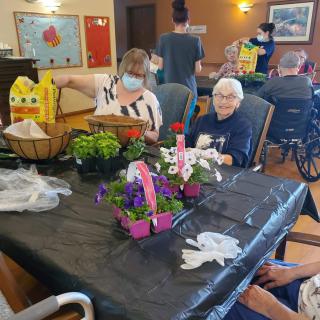
  • Community-sponsored activities Community-sponsored activitiesCommunity-sponsored activities are important for seniors as they provide opportunities for social interaction, mental stimulation, and physical activity. These activities can help improve overall well-being, combat loneliness and isolation, and promote a sense of belonging and purpose among older adults.
  • Scheduled daily activities Scheduled daily activitiesScheduled daily activities are important for seniors because they provide structure, socialization, mental stimulation, and physical activity. Engaging in regular activities can improve overall well-being and quality of life for seniors living in a community setting.

Description

The Artisan Fond Du Lac House is an assisted living community located in Fond Du Lac, WI. Our community offers a Board and Care Home as well as specialized Memory Care services for those with dementia or memory impairment.

Residents at The Artisan Fond Du Lac House enjoy a range of amenities to enhance their daily lives. Each room is fully furnished and equipped with cable or satellite TV and Wi-Fi/high-speed internet. Our dining room provides delicious meals prepared by our staff, taking into account any special dietary restrictions. Housekeeping services are provided to ensure a clean and comfortable living environment. Residents can also enjoy the outdoor space and garden area.

We prioritize the care and well-being of our residents, offering 24-hour supervision and assistance with activities of daily living such as bathing, dressing, and transfers. Our dedicated staff works closely with healthcare providers to coordinate personalized care plans for each resident. Medication management is provided to ensure medication schedules are followed accurately.

In addition to physical care, we also prioritize mental wellness. We offer a mental wellness program that includes specialized memory care programming for those with cognitive impairments or dementia. Mild cognitive impairment is also addressed through our services.

Transportation arrangements are available for medical appointments, ensuring residents can access necessary healthcare services easily. Nearby facilities include 4 cafes, 2 parks, 14 pharmacies, 22 physicians' offices for added convenience.

At The Artisan Fond Du Lac House, we strive to create a warm and welcoming community where residents can enjoy their retirement years with peace of mind knowing that their needs are met in a compassionate and caring environment.

Nearby Places of Interest

Places of Worship

  • Sacred Heart Church (0.4 miles)
  • Bread of Life Family Worship Center Church (1.3 miles)
  • Institutional Ministries (1.6 miles)
  • Holy Family Congregation (1.7 miles)
  • Holy Family Catholic Community (1.8 miles)
  • Salem United Methodist Church (1.8 miles)
  • Sisters Of Agnes (2.5 miles)

Transportation

  • Fond du Lac Skyport (FLD) (0.4 miles)
  • Quality Cab (1.2 miles)
  • U-Haul Neighborhood Dealer (1.6 miles)

Restaurants

  • Faros Restaurant & Cocktails (0.5 miles)
  • Ala Roma Pizzeria & Pub (0.6 miles)
  • Popeyes Louisiana Kitchen (0.7 miles)
  • McDonald's (0.7 miles)
  • Hardee's (0.7 miles)
  • Culver's (0.8 miles)
  • Arby's (0.8 miles)

Pharmacies

  • Pick 'n Save Pharmacy (0.6 miles)
  • Walmart Pharmacy (0.9 miles)
  • CVS Pharmacy (1.2 miles)
  • Agnesian Pharmacy West (1.6 miles)
  • Mercury Marine-Div of Brunswick, Pharmacy (1.6 miles)
  • Kremer Pharmacy & Gift (1.6 miles)
  • Walgreens (1.7 miles)

Cafes

  • Starbucks (0.6 miles)
  • Fanna's Market & Eatery (0.9 miles)
  • Cellar District (1.7 miles)
  • Starbucks (3.7 miles)

Physicians

  • Kagen Allergy Clinic (0.9 miles)
  • Family Focus Eye Care (1 miles)
  • Oral Surgery Associates (1 miles)
  • Optivision Eye Care (1 miles)
  • SSM Health Fond du L.Ac. Regional Clinic (1.6 miles)
  • Fond Du L.Ac. Psychiatry (2.2 miles)
  • Agnesian Healthcare Plastic Surgery & Cosmetic Services (2.2 miles)

Theaters

  • Odyssey Fond du L.Ac. 8 (1.3 miles)
  • Fond Du L.Ac. Theatre (1.3 miles)

Parks

  • Rotary Voyageur Playground (2.2 miles)
  • Lakeside Park (2.3 miles)

Hospitals

  • SSM Health St. Agnes Hospital - Fond du L.Ac. (2.4 miles)
  • St. Agnes Hospital (2.4 miles)
  • Agnesian Healthcare (2.4 miles)
  • Fond Du L.Ac. County Health Care Center (2.5 miles)
  • Aurora Health Care (2.6 miles)
  • Fond Du L.Ac. Surgery Center (3.2 miles)

Frequently Asked Questions

Where is The Artisan Fond Du Lac House?
Does The Artisan Fond Du Lac House provide care for residents with dementia or Alzheimer's disease?

Nearby Communities

  • Eden Vista of Fond du Lac

    Eden Vista of Fond du Lac

    Fond du Lac, WI

    4.1 from 21 reviews
    $3,970 / month

    pro Kind, attentive staff in a cozy, home-like setting with engaging activities.

  • Clarity Care Western

    Clarity Care Western

    Fond Du Lac, WI

    3.2 from 53 reviews
     

    pro Comprehensive assisted living with 24/7 supervision, healthcare coordination, diabetes-friendly meals, transportation to appointments, and engaging activities.

  • Pioneer Court

    Pioneer Court

    Fond Du Lac, WI


    pro Small, personalized board-and-care with comprehensive services.

  • Berger Place

    Berger Place

    Fond Du Lac, WI


    pro Wide range of amenities and care (fully furnished apartments, dining, outdoor spaces, housekeeping, 24-hour supervision, and move-in coordination).

  • Berger Parkway Home

    Berger Parkway Home

    Fond Du Lac, WI

    3.2 from 38 reviews
     

    pro Intimate board-and-care with 24/7 supervision and meals.

  • Peters Ave

    Peters Ave

    Fond Du Lac, WI


    pro Comprehensive assisted living with furnished apartments, meals, housekeeping, and transportation to medical appointments.

  • St Francis Home - Fond Du Lac

    St Francis Home - Fond Du Lac

    Fond Du Lac, WI

    2.7 from 3 reviews
     

    pro Extensive on-site amenities and 24/7 staff support.

  • Marvin's Manor IV

    Marvin's Manor IV

    Waupun, WI

    3.4 from 5 reviews
    $2,250 to $2,750 / month

    pro Friendly staff during tour; room options; convenient location near Culver's.

  • Lakeshore Manor

    Lakeshore Manor

    Oshkosh, WI

    4.3 from 56 reviews
    $3,850 to $4,600 / month

    pro Beautiful, homey memory care community with friendly staff and engaging activities.

Related Resources

  • dementia stagesUnderstanding Dementia Through Its Seven Stages: A Comprehensive Look at Progression and Expectations

    Dementia encompasses a range of cognitive impairments characterized by types such as Alzheimer's and vascular dementia, and follows a seven-stage progression model known as the Global Deterioration Scale (GDS), highlighting varying symptoms and decline timelines. Early detection allows for lifestyle adjustments to potentially slow progression, while caregivers need support and resources to manage the challenges involved in caring for affected individuals.

  • dementia careA Holistic Dementia Care Guide: Effective Strategies for Memory Support

    The guide on holistic dementia care outlines the complexity of dementia and stresses the need for individualized caregiver strategies that include medical treatment, psychological support, and environmental adaptations, while emphasizing early detection, various therapeutic options, and caregiver support to enhance quality of life and maintain dignity.

  • activities of daily livingComprehensive Insights into Activities of Daily Living (ADLs) and Their Assessment

    Activities of Daily Living (ADLs) are fundamental tasks vital for an individual's independence, particularly in older adults over 85, and include functions like bathing and dressing; assessing ADLs alongside Instrumental Activities of Daily Living (IADLs) helps determine the level of required assistance due to age-related health challenges. Tailored support plans, involving family and community resources, are essential for maintaining dignity and autonomy in assisted living environments.