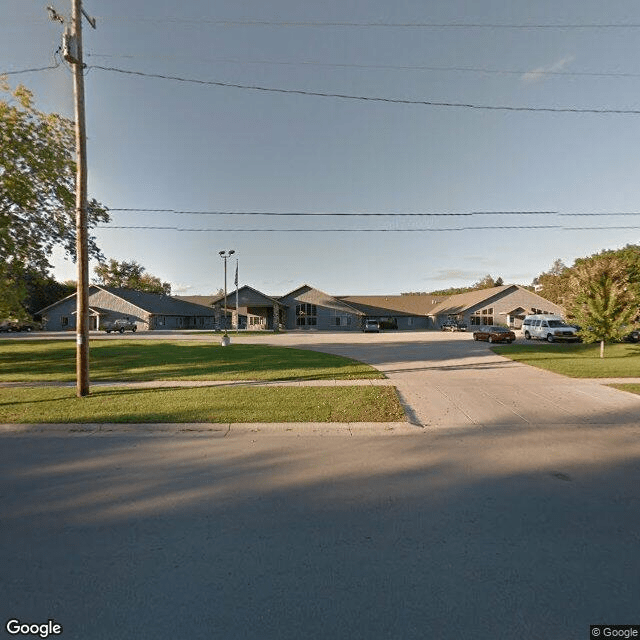
609 Broadway St, Berlin, WI 54923
To contact a resident: (920) 361-3008
For more information about senior living options: (866) 208-4318
Patriot Place Assisted Living Costs & Pricing
Patriot Place Assisted Living offers competitive pricing for its services compared to both Winnebago County and the broader state of Wisconsin. For a studio apartment, residents can expect to pay $2,600 per month, which represents a significant savings when compared to the county average of $3,905 and the state average of $3,999. Similarly, the cost for a one-bedroom unit at Patriot Place is $2,750, again showcasing affordability against the county's rate of $3,649 and Wisconsin's average of $3,412. These cost differences suggest that Patriot Place not only prioritizes providing quality assisted living options but also strives to make them accessible for families seeking comfortable accommodations for their loved ones.
| Floor plans | Patriot Place Assisted Living | Winnebago County | Wisconsin |
|---|---|---|---|
| Studio | $2,600 | $3,905 | $3,999 |
| 1 Bedroom | $2,750 | $3,649 | $3,412 |
Assisted Living communities with a similar price nearby
-
from +$207 / mo
Wolverton Glen
$2,807 to $3,389 / month10.2 miles away -
from -$320 / mo
Markesan Resident Home/North Terrace
$2,280 to $4,725 / month17.4 miles away -
from -$200 / mo

Maplecrest Manor
$2,400 / month11.2 miles away -
from +$400 / mo

Bella Vista
$3,000 to $4,600 / month22.5 miles away -
from +$176 / mo

Vista Care Quail Court - AFH
$2,776 / month18.2 miles away
Overall Review of Patriot Place Assisted Living
Pros
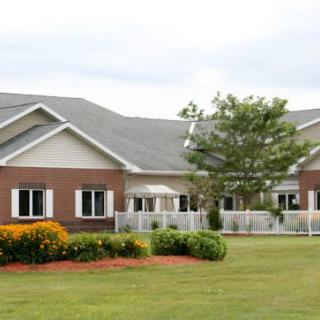
 Patriot Place Assisted Living is a new, modern facility that is very nice.
 - The staff are amazing and welcoming, with 10/10 recommendations to others.
- The facility is clean and well staffed, with attentive care.
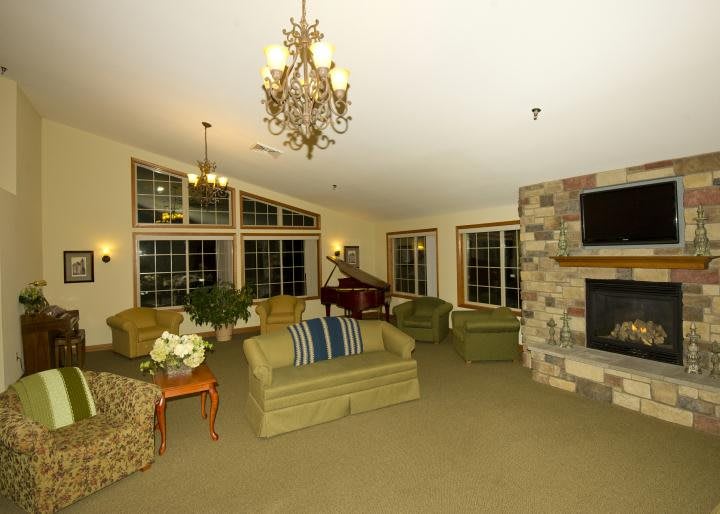
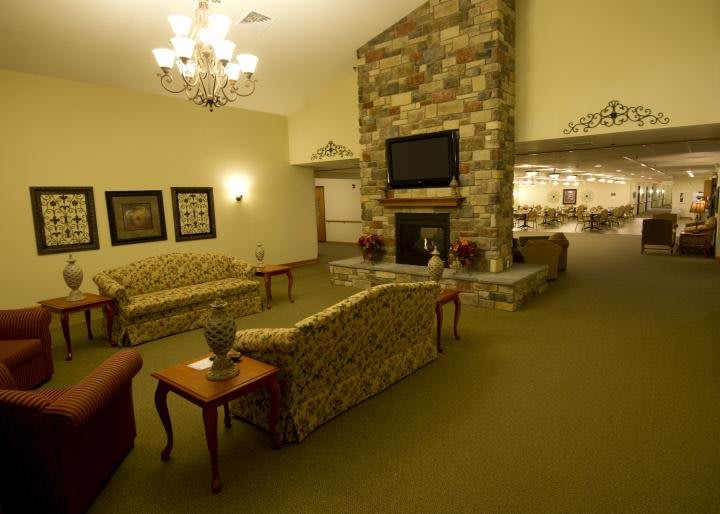
- The common areas are pleasant, featuring a large-screen TV that fosters a community feel.
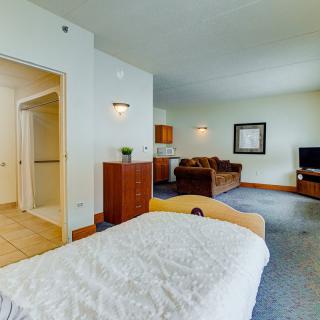
- The apartments are large and well-equipped, with a full kitchen and a patio overlooking a courtyard.
- The location is convenient, close to everything.
- The staff are top-notch, caring, and provide excellent care.
Cons
 They allege that a friend is treated differently in a family-run business where everyone covers for everyone, showing a lack of accountability and inhumane treatment.
- They say the staff need to be taught how to care for hospice patients, implying inadequate caregiving.
- The day shift allegedly never checked on residents, merely noting they were breathing and leaving.
- Hospice could not reach staff by phone to administer medications, suggesting poor communication.
- The workers do not change residents' briefs, causing sores.
- The staff reportedly sit in the office and talk all day.
- At least one staff member did not wear shoes.
- Dogs roam the building and drink from kitchen dishes.
- Cleaning is not thorough and rooms are not properly maintained; there are smells of urine.
- During a fire alarm, staff did not help handicapped residents escape.
Review
Patriot Place Assisted Living in Berlin, Wisconsin is best suited for families seeking a modern, apartment-focused environment where the resident can maintain independence with accessible on-site help and a clear sense of community. It works well for relatively lower-acuity residents who prize updated facilities, a pleasant common space, and the option to orient a move around a roomy one-bedroom unit with a kitchen and outdoor access. Those with higher care needs, especially dementia patients requiring constant supervision, or families seeking rock-solid consistency in staffing and safety, should strongly consider alternatives prepared to meet intensive, hands-on demands.
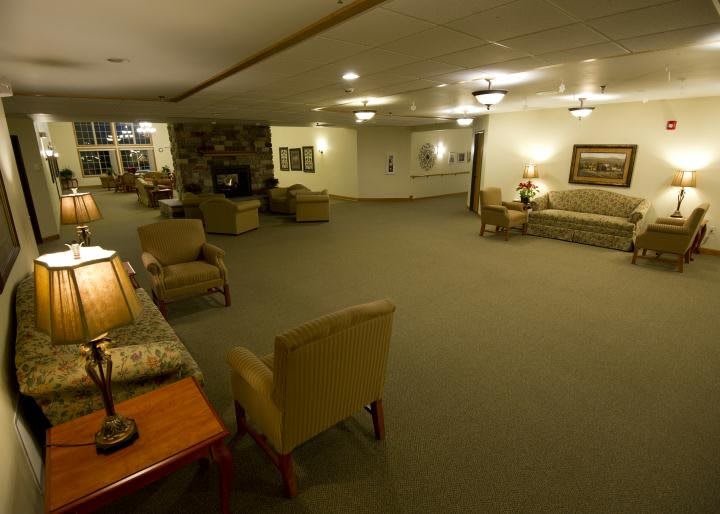
The facility’s strongest pull is its contemporary, well-kept footprint and the appeal of substantial apartment layouts. Several reviews highlight large one-bedroom units with separate living areas, kitchens, and patios that enable a more homelike transition. The public areas, common rooms and a welcoming entry, are described as attractive and comfortable, reinforcing a sense of community that can ease the move for anxious residents and anxious families alike. In the best cases, staff have been praised for responsiveness, attentiveness, and genuine warmth, and the overall environment can feel safer and more uplifting than older, more cramped facilities.
However, the landscape of care at Patriot Place is unsettled by persistent staffing and management gaps that undermine the solid veneer. Multiple accounts describe chronic understaffing, with aides who are slow to respond, inadequately monitor residents, or miss basic daily needs such as hygiene and comfort. There are disturbing reports of residents not being checked, not being properly dressed or bathed, and even dangerous lapses around safety during emergencies. The most troubling narratives trace lapses to turnover and inconsistent practices, including miscommunication with families and uneven enforcement of rules, which creates real risk for high-acuity residents or those with cognitive impairments requiring steady supervision.
These pros and cons do not cancel each other out; rather they set a conditional balance. For families who can actively participate, visit frequently, and verify daily routines, the modern amenities, high-quality spaces, and pockets of dependable care can make Patriot Place a workable choice. The ability to have regular contact with the staff, rapid attention to health concerns when they arise, and a facility that feels clean and well maintained are meaningful advantages. When care needs are not extreme and the resident can tolerate occasional staffing ebb and flow, the positives can offset rough days with the reassurance of a bright, comfortable home base.
Still, the constellation of red flags is significant enough to warrant serious caution. For residents requiring strong, consistent supervision, especially memory care, hospice, or post-acute support, the evidence suggests exploring alternatives with proven staffing stability, rigorous training, robust housekeeping, and dependable safety protocols. If a family judges that consistent, attentive care is non-negotiable, or if prior experiences with mismanagement weigh heavily, moving toward a community with a more uniform care culture and accountable leadership becomes a prudent step. The decision should rest on a clear assessment of care intensity versus facility atmosphere and reliability.
To make the best-informed choice, conduct a thorough, time-spread visit strategy. Observe staffing during meals and evening shifts; ask hard questions about nurse and aide ratios, med administration, and incident response times; request to review housekeeping frequencies and room cleanliness, laundry processes, and odor control. Engage directly with residents when possible and speak with multiple staff members about workflows and communication with families. Confirm the specific care plan for dementia, mobility challenges, and chronic conditions, and insist on written policies that address safety, emergency response, and ongoing medical oversight. This disciplined vetting will reveal whether Patriot Place’s charm and space align with the resident’s care demands, or if a more consistency-driven alternative is the wiser path.
 1-bedroom apartments
 Assisted Living
 Activities on-site
 Beautician on-site
 Devotional services off-site
 Dining room
 Full kitchen
 Garden
 Housekeeping services
 Indoor common areas
 Laundry
 Outdoor common areas
 Respite or short term stays offered
 Wheelchair accessible showers
 Diabetic care
 Incontinence care
 Medication management
 Meals provided
 English



 When to Transition from Assisted Living to Memory Care: Key Indicators, Steps, and Finding the Right Community
 Assisted Living and Memory Care: Understanding Their Core Differences
 Beyond the Bingo Hall: 50+ Enriching Activities for Seniors in Assisted Living