Aspire Oshkosh
Save150 Aspire Ln, Oshkosh, WI 54904
For more information about senior living options: (844) 490-3973
Aspire Oshkosh offers competitive pricing in comparison to both Winnebago County and the broader state of Wisconsin. For a one-bedroom unit, Aspire's rate of $2,895 stands out as significantly more affordable than the county's average of $3,649 and the state's average of $3,412. However, for those seeking a two-bedroom home, Aspire is positioned higher at $3,695 compared to Winnebago County's lower rate of $2,978 and slightly above the state average of $3,111. The studio apartments at Aspire Oshkosh are priced at $4,295, which is notably higher than both local and state averages ($3,905 and $3,999 respectively). This pricing structure reflects a nuanced approach to accommodation - offering attractive options for singles or couples while positioning itself as a premium choice for studio living.
| Floor plans | Aspire Oshkosh | Winnebago County | Wisconsin |
|---|---|---|---|
| 1 Bedroom | $2,895 | $3,649 | $3,412 |
| 2 Bedrooms | $3,695 | $2,978 | $3,111 |
| Studio | $4,295 | $3,905 | $3,999 |
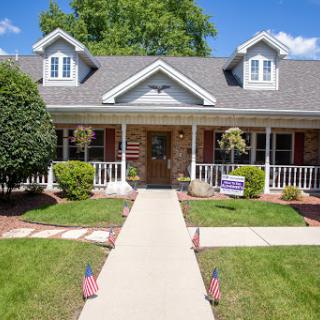
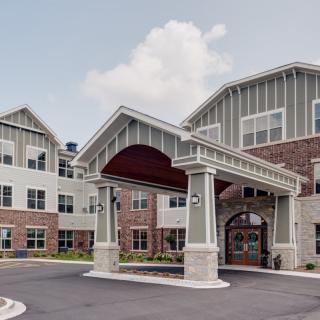
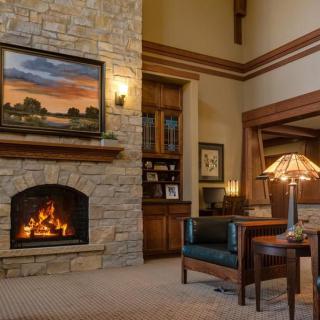
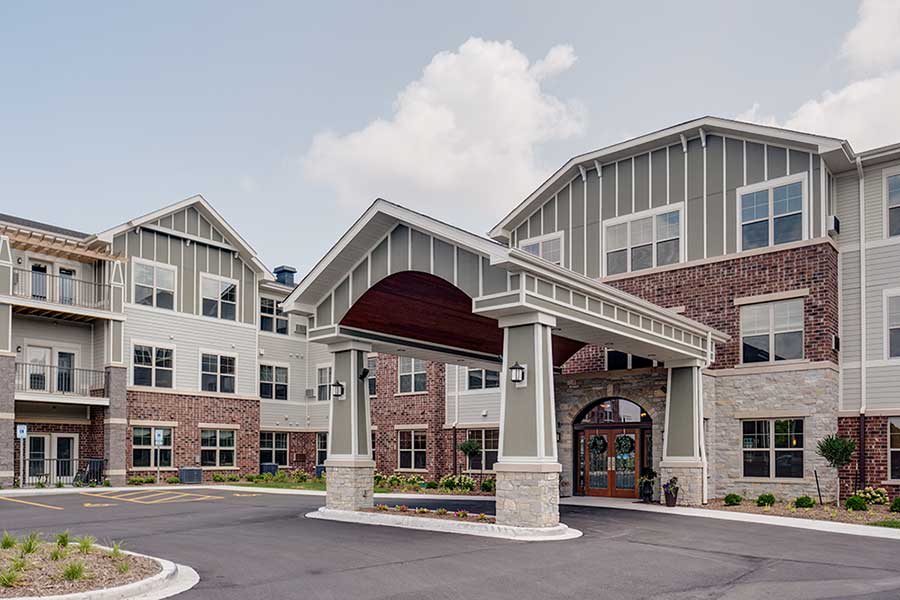
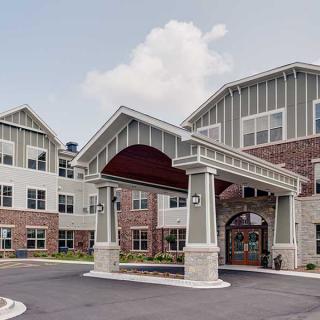
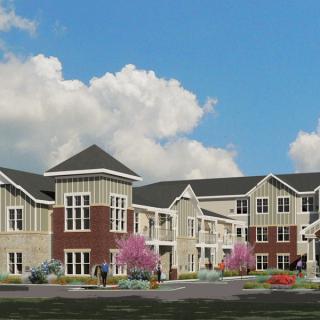
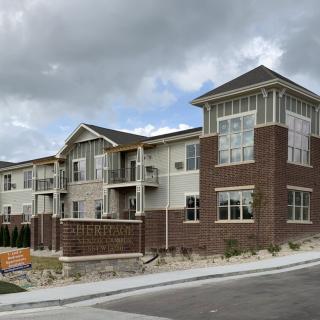
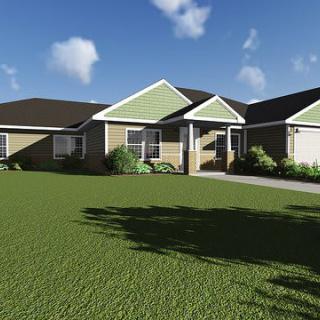
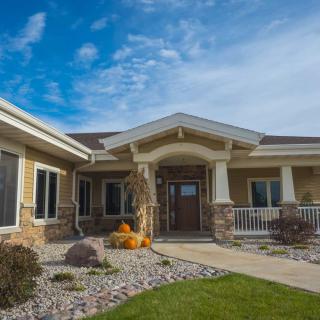
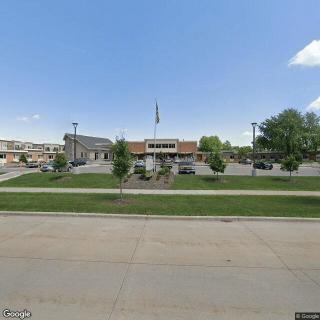
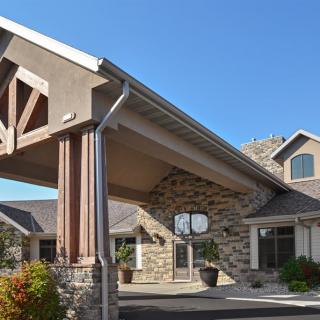
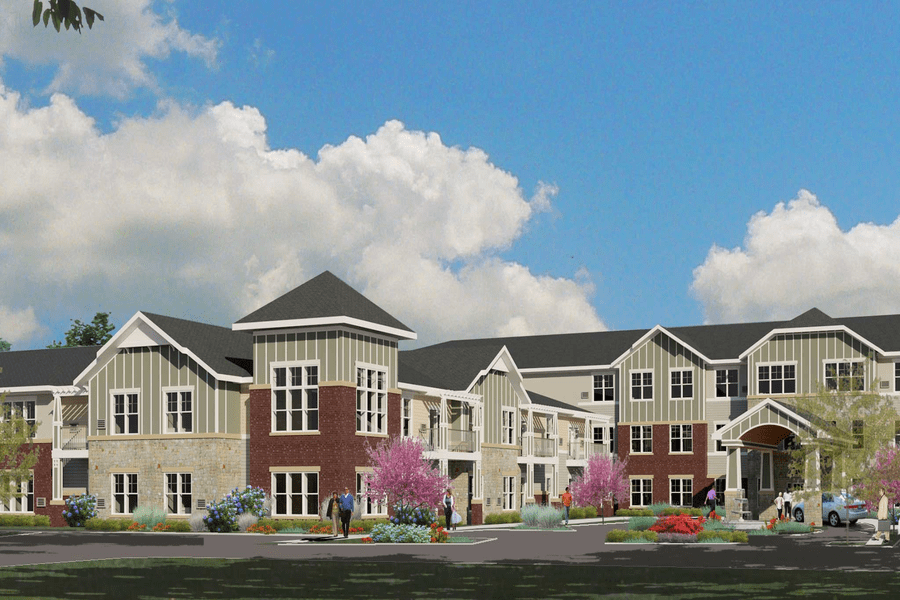
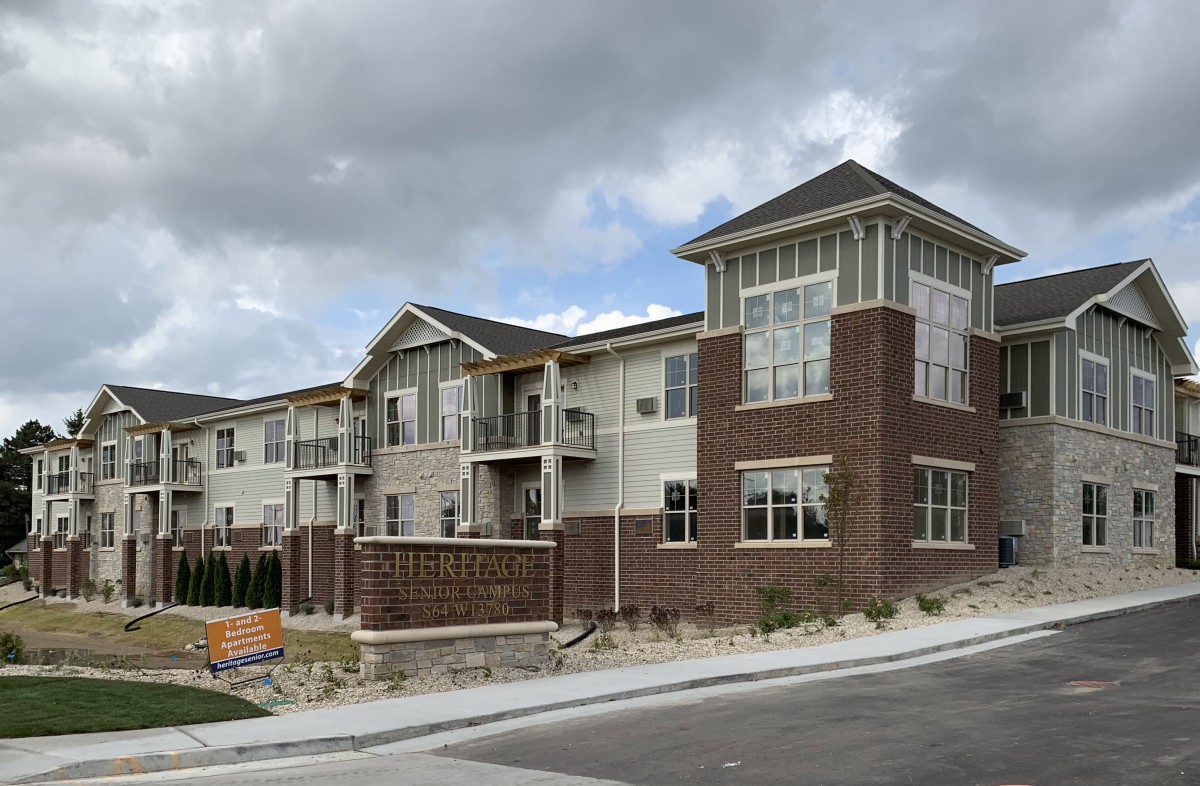
On the surface, the facility presents itself as a polished and inviting place. The exterior is clean and attractive, the lobby feels fresh, and the public-facing areas have a bright, updated look. Yet a consistent thread from multiple residents and families is that what you see at the entrance bears little relation to what goes on behind the scenes, especially in memory care. The reviews describe a stark disconnect between first impressions and day-to-day realities inside, with safety, hygiene, and care standards repeatedly called into question.
A central concern centers on memory care, where several reviewers note a strong odor permeating the halls, a signal many readers would instinctively associate with poor sanitation or inadequate odor-control protocols. More troubling are reports of residents being able to wander into other residents' rooms and remove personal belongings, suggesting insufficient supervision and a lack of visible security or redirective staffing in the memory care wing. In addition, rooms are described as messy, with care plans not being followed consistently, and meals frequently served cold rather than hot. The combination of odor, clutter, and unattended personal items paints a picture of a unit that struggles with basic environmental and care standards, undermining the safety and dignity of residents who require specialized attention.
Several reviews point to staffing realities as a root cause of many of these problems. In the memory care area and across the facility, staff are described as frequently unavailable or not actively supervising residents. There is a sentiment that there are not enough hands on the floor to redirect wandering residents, assist with meals, or respond promptly to needs during critical times like lunch and dinner. One recurring refrain is that staff meetings and care plans may exist on paper, but the implementation simply does not follow through in real time. The lack of on-the-ground supervision is compounded by reports that management changed in November, and after that shift many feel the quality of care and the overall environment declined markedly. The sense given is that a new leadership approach has failed to restore the warmth, attentiveness, and accountability families expected.
Communication is repeatedly highlighted as a major gap. Families feel restricted from speaking openly with staff and perceive a preference for written notes or limited face-to-face interactions. When questions arise about the status of a loved one, or about specific care practices, responses are described as delayed or insufficient, with some reviewers noting "repeated excuses" and a heavy reliance on email as a substitute for on-site leadership and accountability. This perceived disconnect between front-line caregivers and management contributes to a broader sense of mistrust among families, who ask for more proactive, visible oversight during meals, activities, and general daily routines.
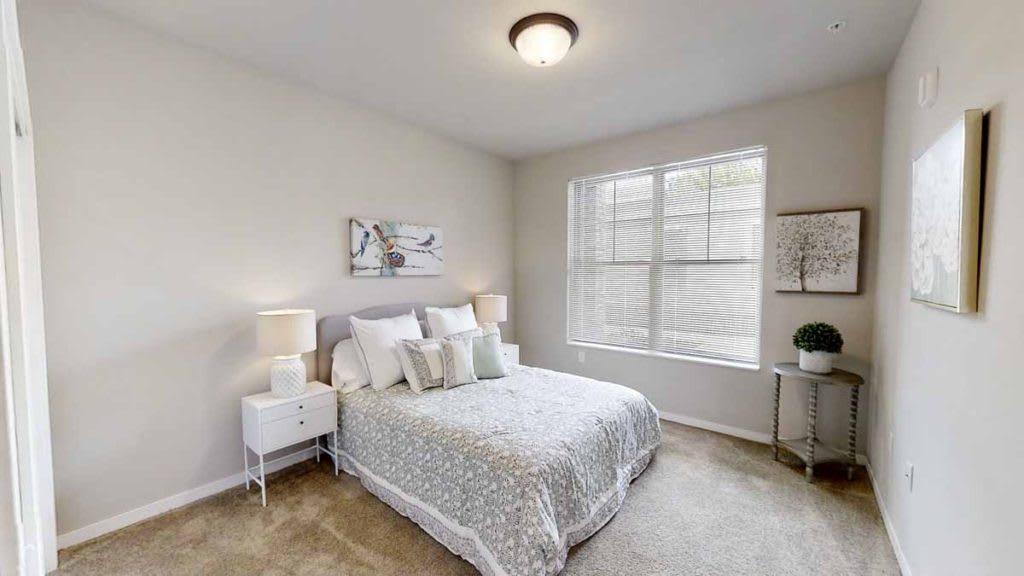
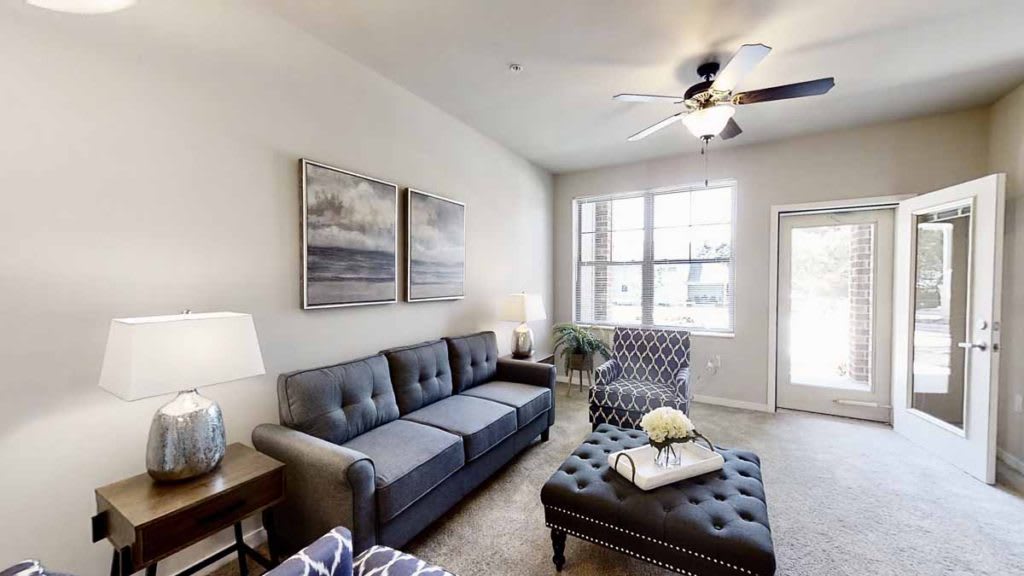
The narrative is not uniformly negative, however. A number of reviewers acknowledge positive interactions with some staff members, noting that the people working there can be kind, approachable, and helpful when asked. They point to moments when a resident's safety and comfort were prioritized, and when the living spaces - like private apartments in independent living - were well appointed and attractive. Some families report their loved ones feeling safe, making friends, and enjoying a nicely designed apartment and common areas. Yet even these positive observations sit alongside more troubling experiences, including the abrupt, heartbreaking accounts of disease progression and sudden changes in the level of care, or even loss, that shine a harsh light on the consistency and reliability of daily operations.
A particularly serious strand of the reviews focuses on end-of-life and hospice-related concerns. Several accounts allege that hospice services are being pushed onto residents due to staffing shortfalls, rather than solely based on clinical need. There are alarming claims about sedation and the use of narcotic or sedative medications administered with little or no family consent, followed by observations of residents appearing sedated and less responsive, sometimes accompanied by declines in appetite and general activity. Families describe discovering that hospice involvement has been leveraged or expanded in ways that feel unaligned with the resident's best interests, including claims of kickbacks or incentives tied to hospice enrollment. These accusations are compounded by stories of inconsistent care, including inadequate assistance with daily activities, missed showers or baths, and rooms that grew dirty over time. The overall impression is that, for some residents, decisions around hospice and palliative care were not fully transparent or patient-centered, raising serious questions about oversight, consent, and quality of life.
In sum, the consensus across the reviews is that a facility that can present itself as attractive and well-kept on the outside is undermined by internal challenges: inconsistent supervision in memory care, insufficient staffing, gaps in cleaning and hygiene, cold meals, and a management culture perceived as unresponsive or inattentive to family concerns. The call from families and residents is for immediate, concrete improvements: more visible and capable on-site leadership, increased and better-distributed staffing, stricter adherence to care plans and hygiene protocols, robust odor-control measures in memory care, and more transparent, face-to-face communication with families. Some reviews even urge reconsideration of management and staffing structures, advocating for a fresh start with compassionate, qualified leadership who will place resident safety, dignity, and trust at the forefront. While the property remains visually appealing and some staff contribute positively, the prevailing message is that without significant, verifiable changes - especially in supervision, care practices, and open communication - the facility struggles to fulfill the promises its polished public image suggests.
Aspire Oshkosh is an assisted living community located in the vibrant city of Oshkosh, WI. Our community offers a range of care services including Independent Living and Memory Care, ensuring personalized care for each resident.
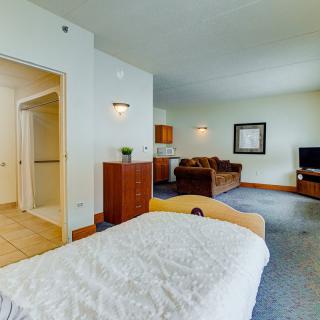
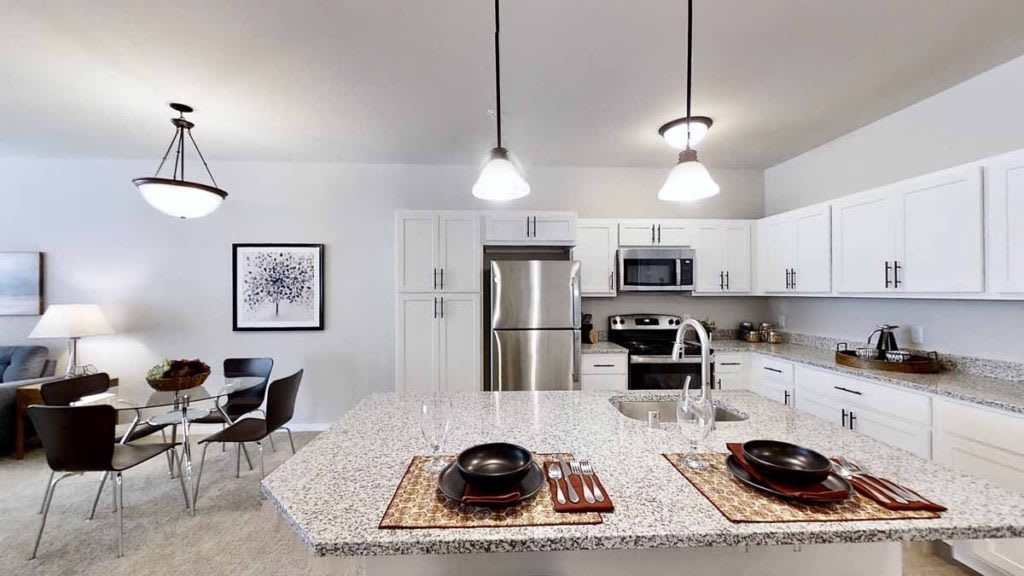
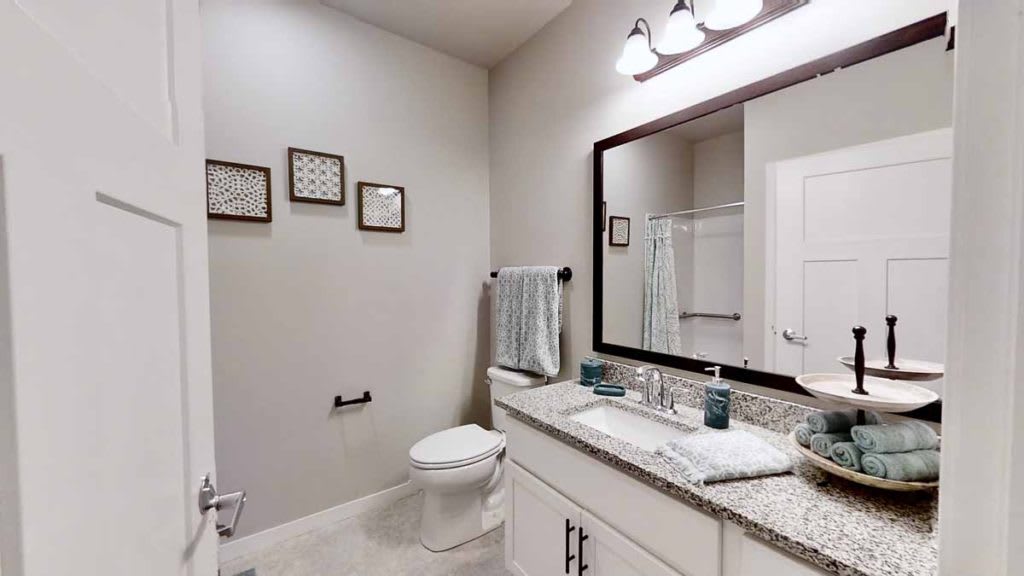
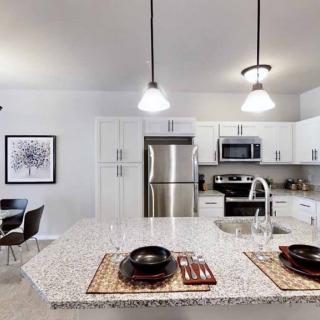
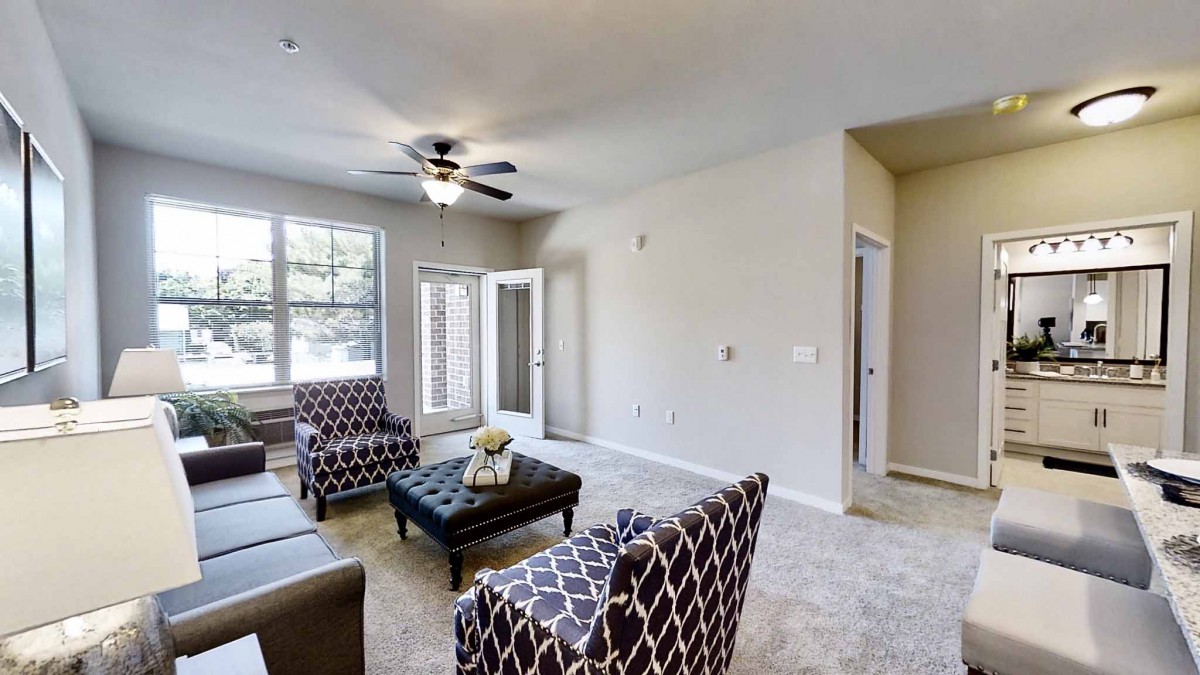
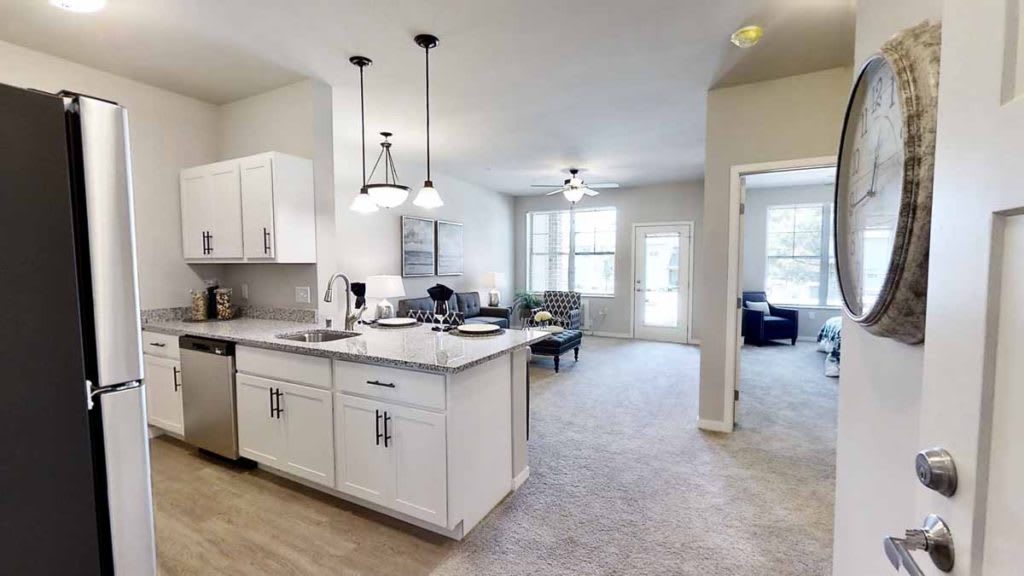
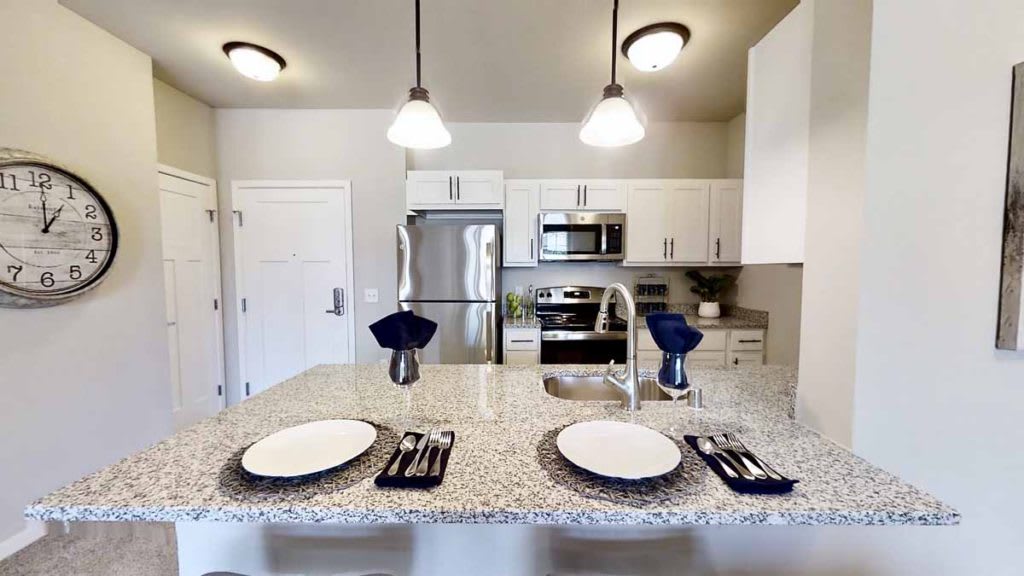
At Aspire Oshkosh, we pride ourselves on providing exceptional amenities to enhance our residents' quality of life. Our spacious apartments are equipped with air-conditioning and feature ground floor units for easy accessibility. Residents can enjoy the convenience of having a full kitchen or kitchenette in their apartment, as well as private bathrooms and a private patio, deck, or balcony to relax outdoors.
Our community boasts beautiful indoor and outdoor common areas where residents can socialize and engage in various activities. From swimming in our refreshing pool or hot tub to enjoying the serenity of our outdoor spaces, there is something for everyone at Aspire Oshkosh. We also provide Wi-Fi/high-speed internet access throughout the community.
Residents at Aspire Oshkosh receive expert care from our trained staff who assist with medication management. Additionally, we offer respite or short term stays for those who require temporary care.
Dining at Aspire Oshkosh is a delightful experience with our professional chef preparing delicious meals. We cater to various dietary needs with options such as low/no sodium, kosher, organic, vegan, vegetarian, and no sugar meals. Our restaurant style dining allows residents to enjoy their meals in a relaxed atmosphere or opt for room service if preferred.
We understand the importance of staying active and engaged in retirement years. At Aspire Oshkosh, we offer a diverse range of activities to cater to different interests. From cooking classes and educational speakers to live dance or theater performances and wine tasting events, there is never a dull moment. Residents can also participate in stretching classes and other wellness programs aimed at promoting a healthy lifestyle.
With several nearby amenities including cafes, parks, pharmacies, physicians, restaurants, transportation options, places of worship, theaters, and hospitals, residents have easy access to essential services and recreational opportunities.
At Aspire Oshkosh, we provide a warm and caring environment where residents can thrive. Join our community to experience excellent care and a fulfilling lifestyle.
This part of Oshkosh, Wisconsin offers a range of healthcare services with nearby physicians, hospitals, pharmacies, and specialists such as neurocare and urology associates. The area also boasts various dining options including fast food chains like Wendy's and Culver's, as well as HuHot Mongolian Grill for a more unique dining experience. With places of worship like St Raphael Catholic Church nearby, residents can stay connected to their faith community. For leisure activities, there are parks like Westhaven Circle Park and South Park within a short distance, as well as the Eaa Nature Center for outdoor enthusiasts. Additionally, transportation options include Pioneer Airport and Wittman Regional Airport for easy travel access. This neighborhood provides convenient amenities and services for seniors looking to settle in a vibrant and active community.
Aspire Oshkosh offers competitive pricing in comparison to both Winnebago County and the broader state of Wisconsin. For a one-bedroom unit, Aspire's rate of $2,895 stands out as significantly more affordable than the county's average of $3,649 and the state's average of $3,412. However, for those seeking a two-bedroom home, Aspire is positioned higher at $3,695 compared to Winnebago County's lower rate of $2,978 and slightly above the state average of $3,111. The studio apartments at Aspire Oshkosh are priced at $4,295, which is notably higher than both local and state averages ($3,905 and $3,999 respectively). This pricing structure reflects a nuanced approach to accommodation - offering attractive options for singles or couples while positioning itself as a premium choice for studio living.
Aspire Oshkosh is located at 150 Aspire Ln, Oshkosh, WI 54904 in Winnebago County, Wisconsin
Medication management at Aspire Oshkosh is crucial for residents with dementia or Alzheimer's disease as it ensures that individuals receive the correct medications in a timely manner, reducing the risk of missed doses or overdoses. This feature not only alleviates the stress often associated with managing complex medication regimens but also promotes adherence to prescribed therapies, which can help stabilize mood and cognitive function. Trained staff closely monitor residents for any potential side effects or changes in their condition, enabling timely interventions that enhance overall well-being. By providing this level of oversight and support, Aspire Oshkosh fosters a safe environment where residents can focus on their day-to-day activities without the burden of medication concerns.
Yes, Aspire Oshkosh allows both dogs and cats.
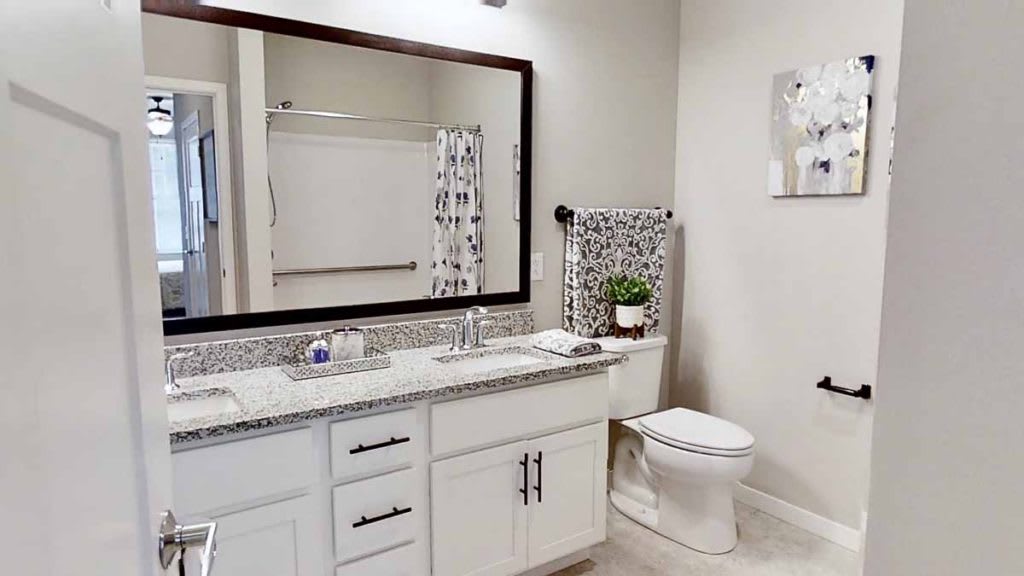
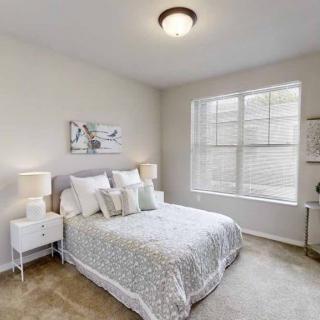
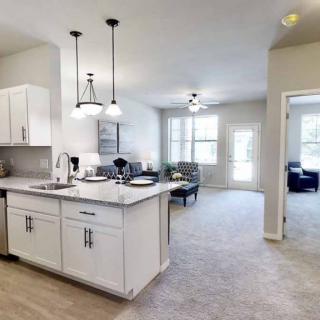
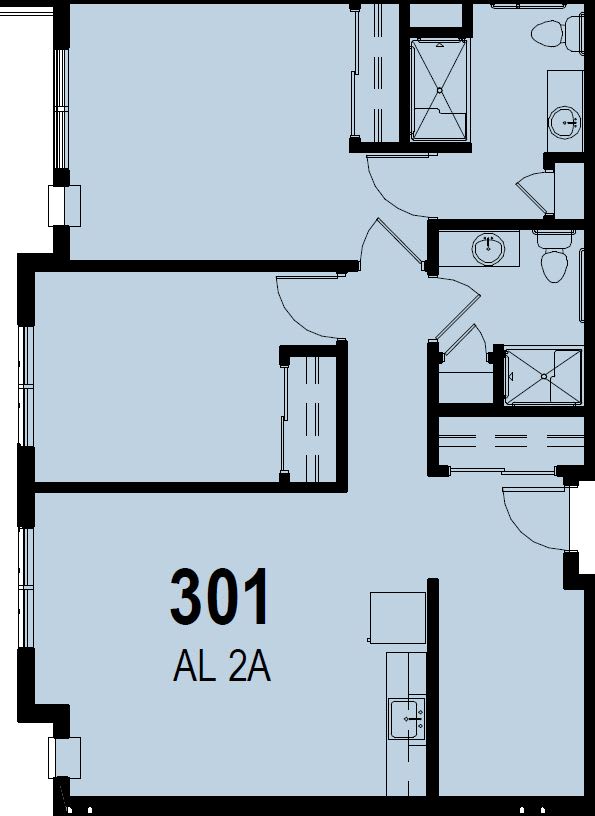
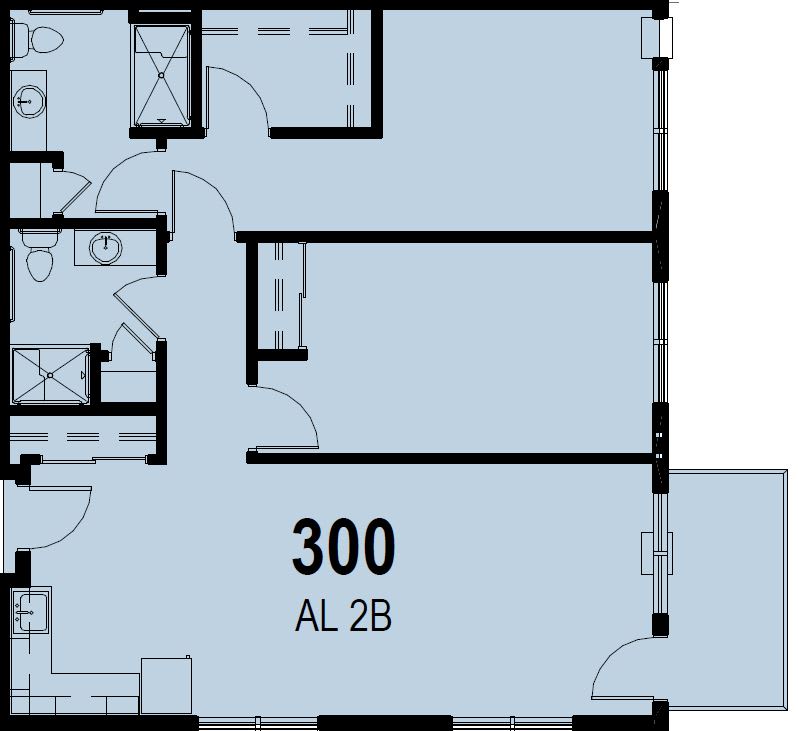
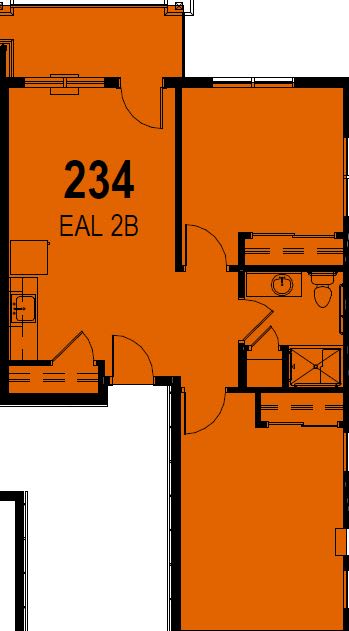
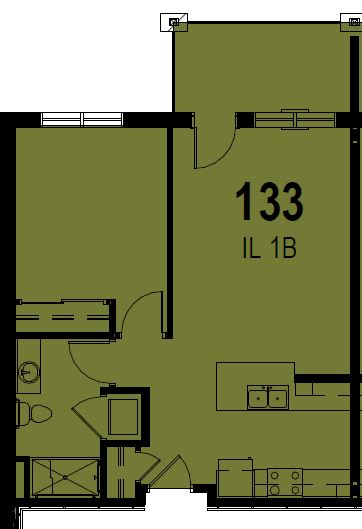
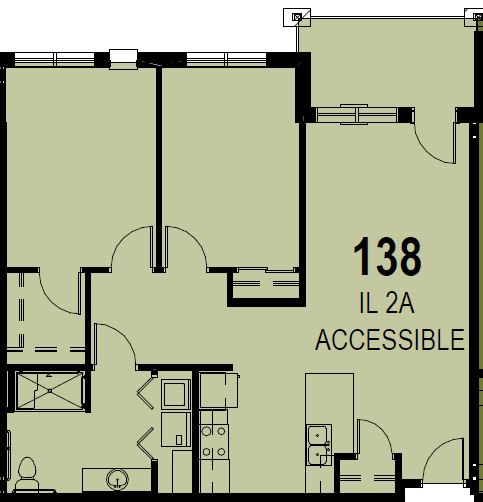
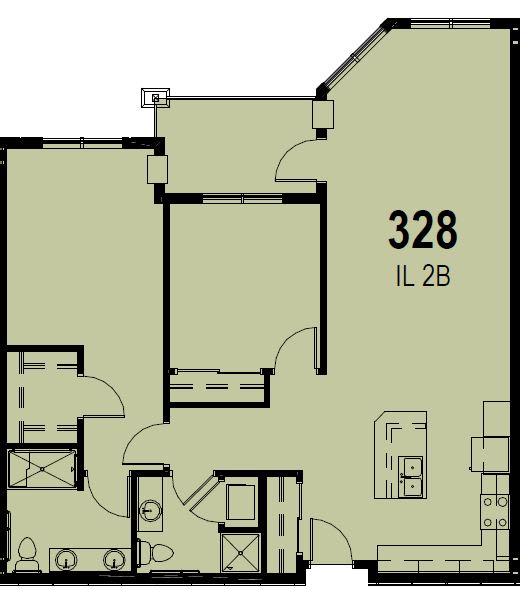
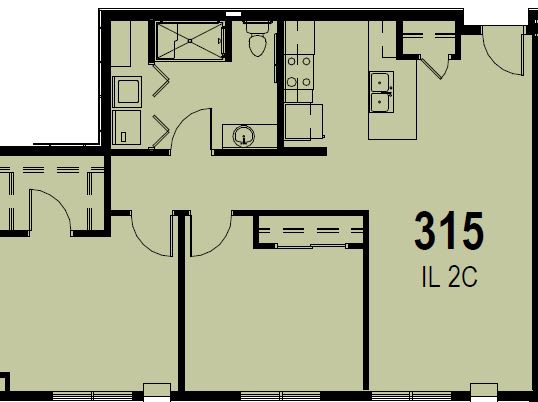
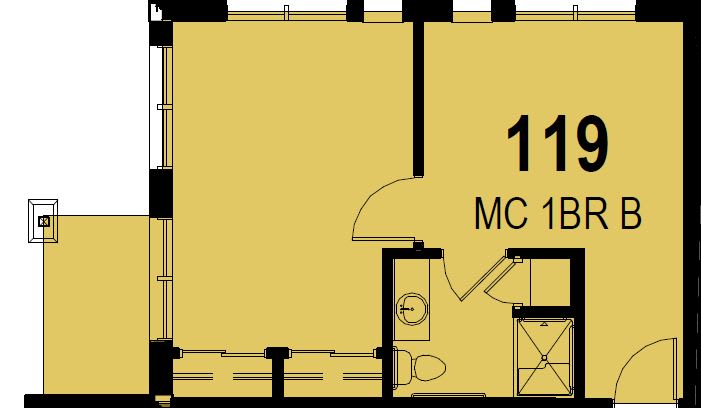
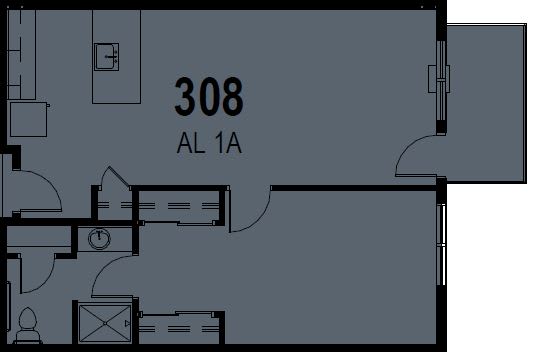
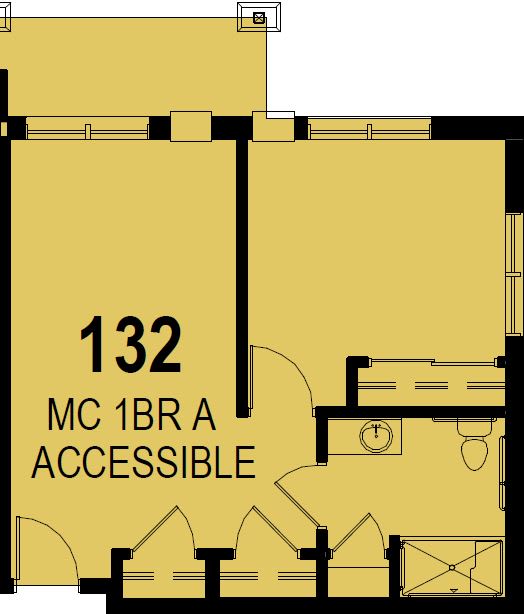
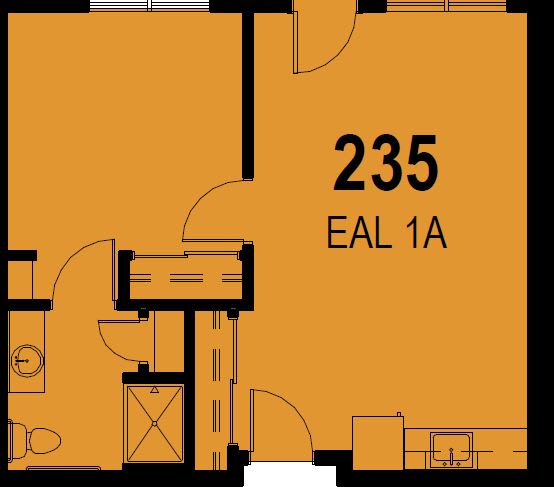
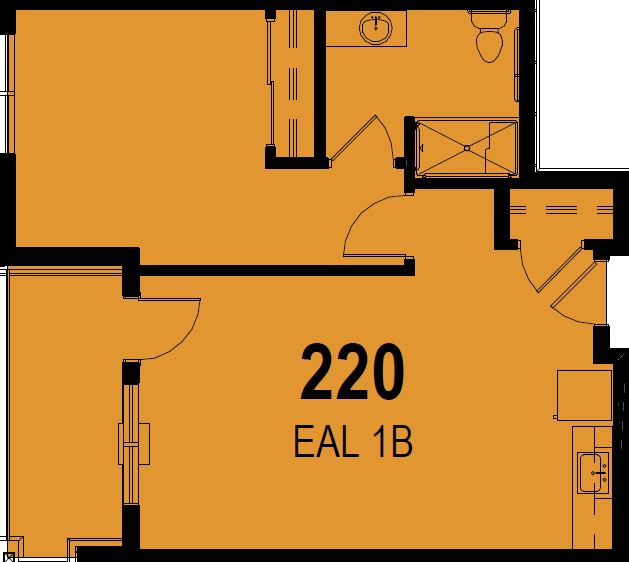
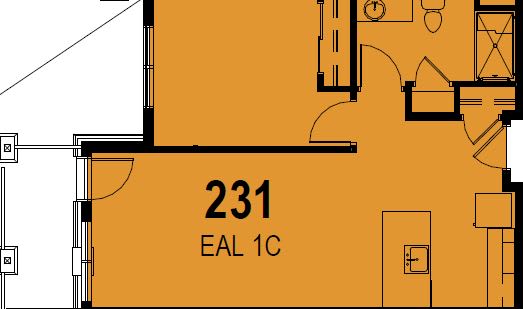
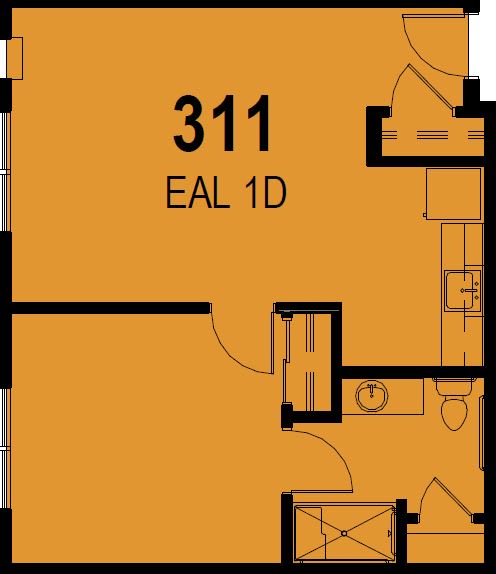
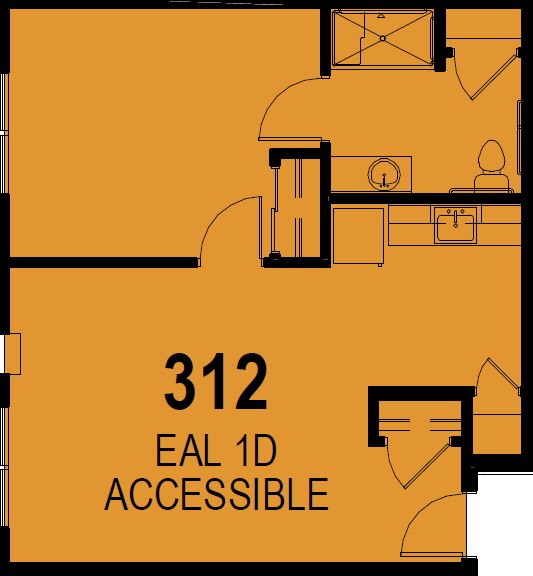
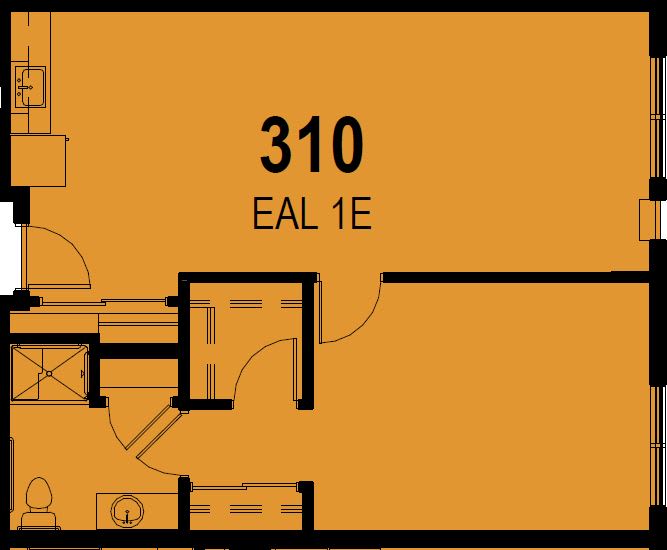
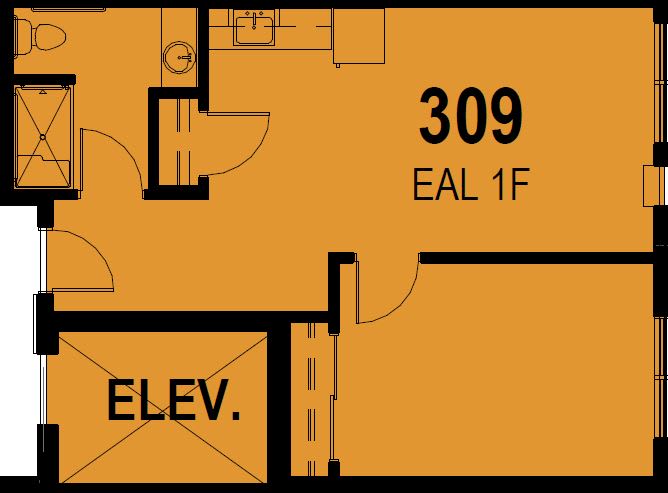
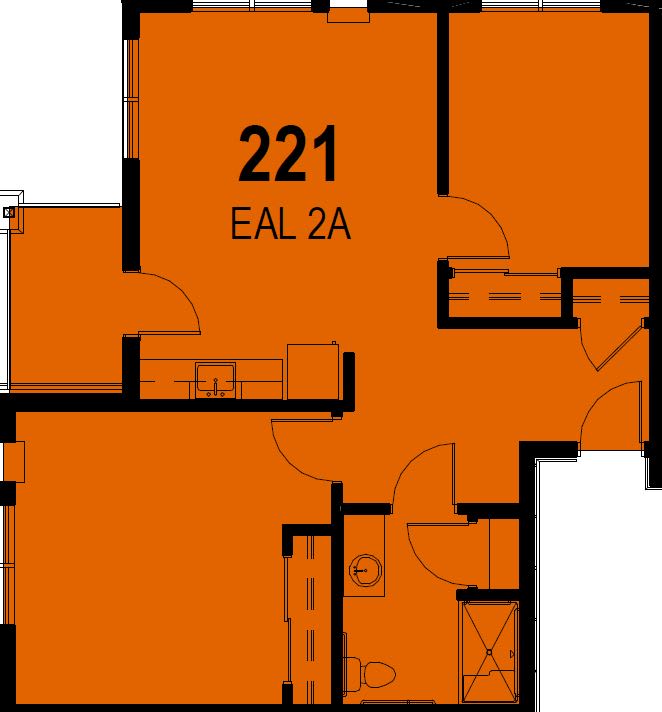
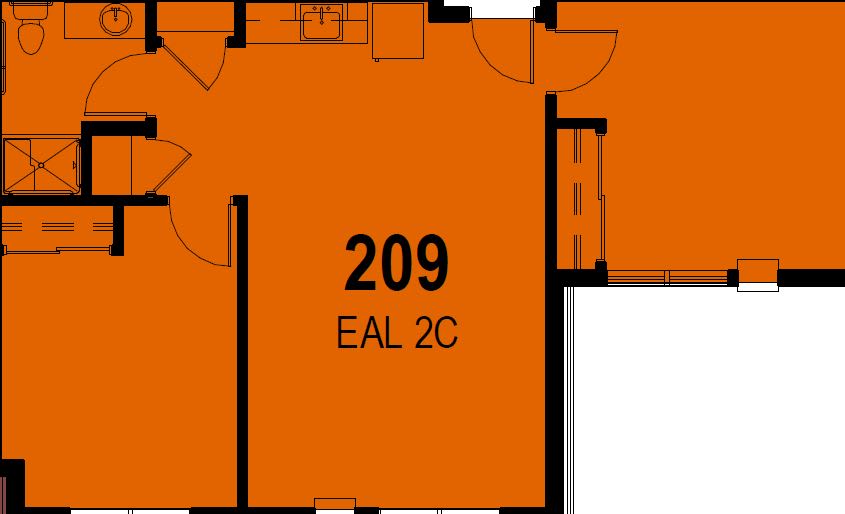
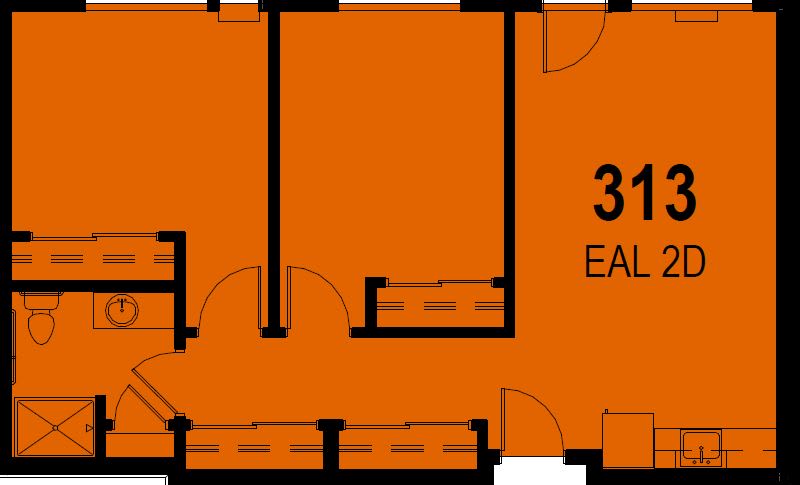
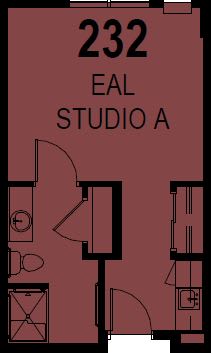
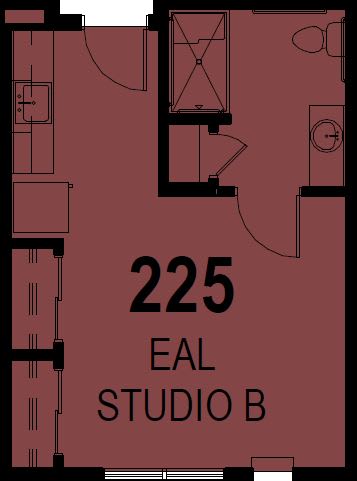
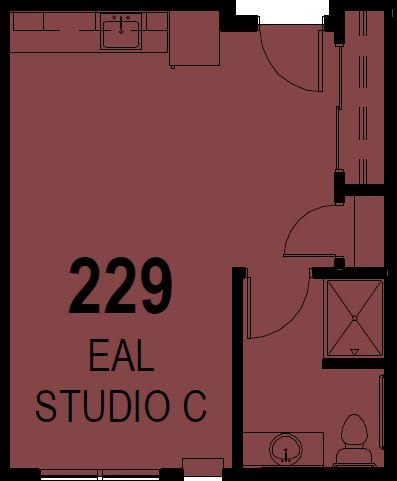
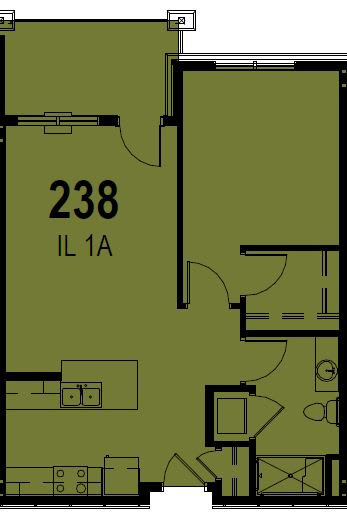
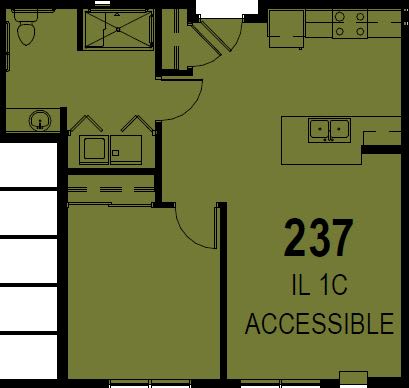
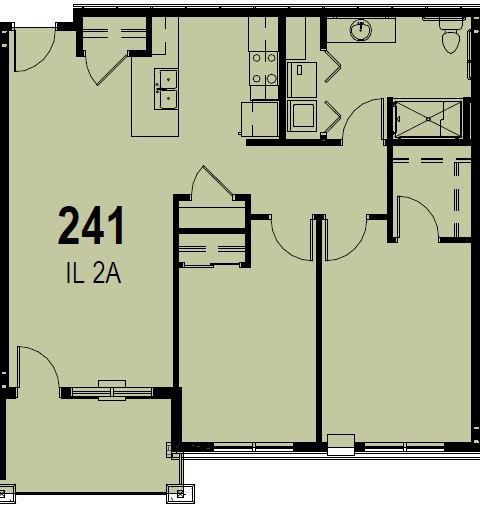
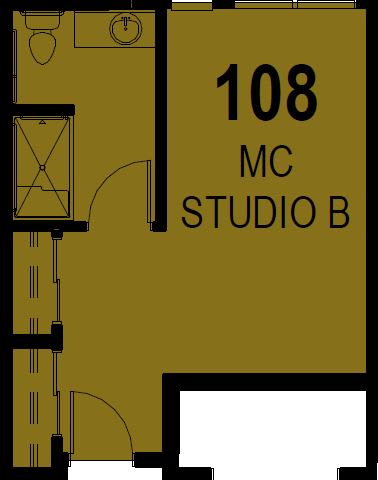
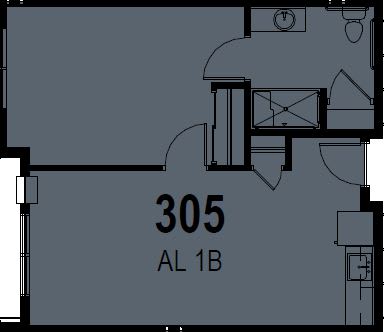
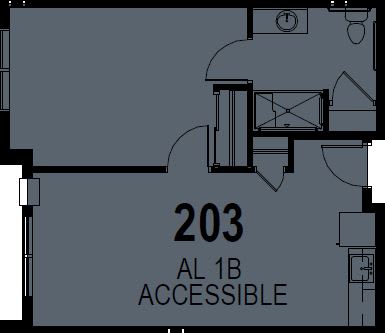
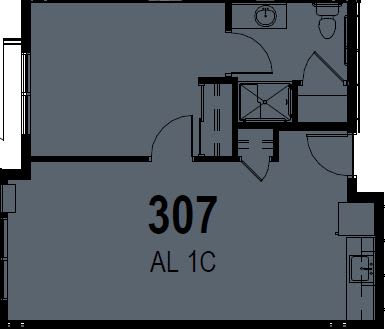
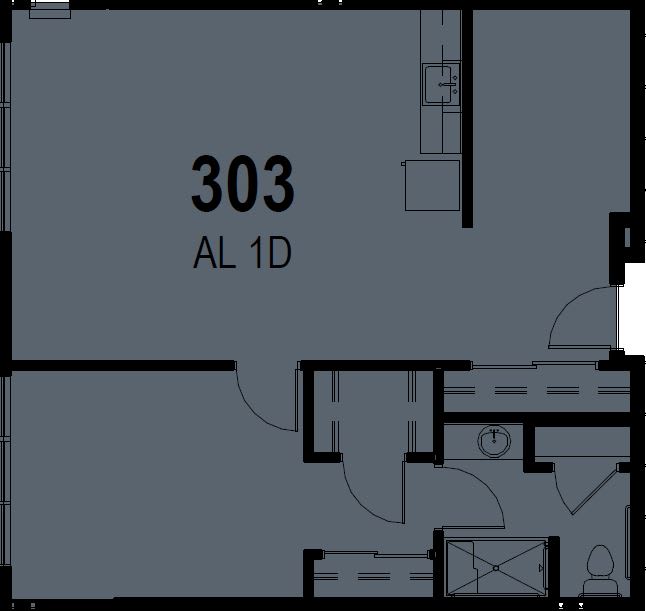
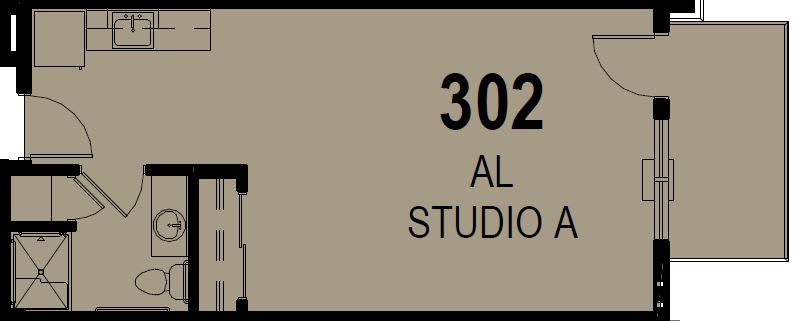
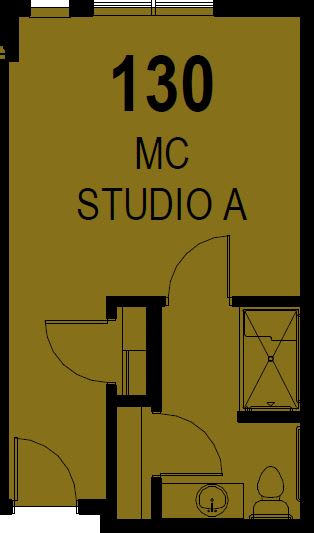
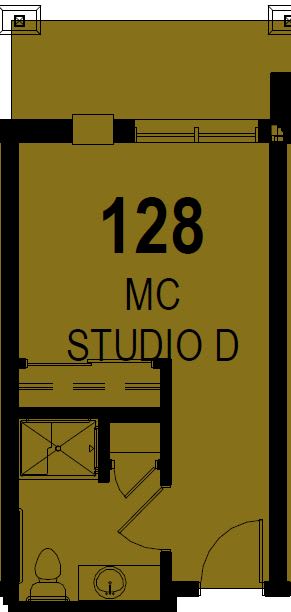
Aspire Oshkosh on seniors.fyi includes 47 photos including images showing floor plan, architecture, interior, room layout, studio, room design, bathroom, building, and more.
Memory Care Pathways: A Holistic Guide to Dementia Support

"Memory Care Pathways: A Holistic Guide to Dementia Support" outlines the complexities of dementia and its various types, emphasizing early detection, patient-centered care strategies, caregiver support, and long-term care options while addressing legal and financial considerations to enhance the quality of life for individuals with dementia and their families.
Comprehending Evening Confusion in Dementia: Causes, Manifestations, and Support

Sundown syndrome, or sundowning, is a phenomenon in dementia patients characterized by increased confusion and agitation during late afternoon and evening, influenced by factors like disrupted circadian rhythms and fatigue. Effective caregiver strategies include establishing routines and managing environmental light while addressing caregiver stress through support services.
Delirium and Dementia: Unraveling the Key Differences
Delirium is a rapidly onset, reversible cognitive disturbance often caused by acute medical issues, while dementia is a gradual and irreversible decline due to chronic neurodegenerative diseases. Accurate differentiation between the two is essential for appropriate treatment and management in older adults.