
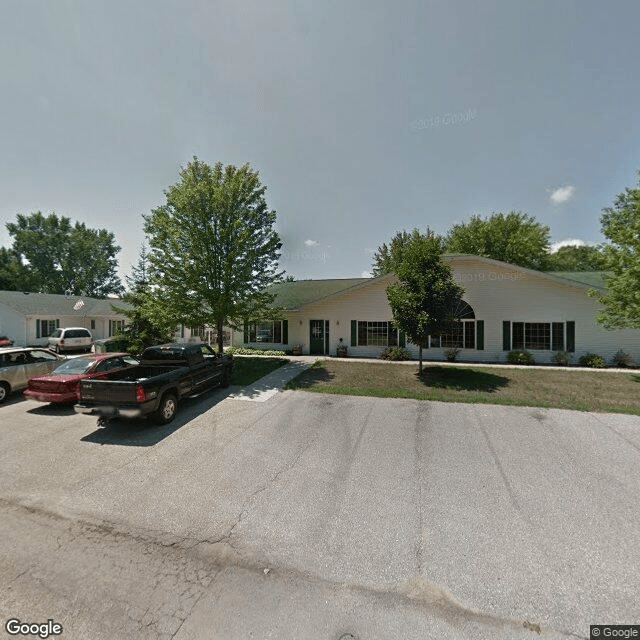
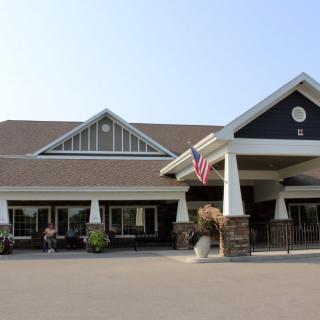
1612 Henry Johns Boulevard, Bangor, WI 54614
To contact a resident: (608) 486-4801
For more information about senior living options: (866) 208-4318
Rbi Caring Hearts A Costs & Pricing
Rbi Caring Hearts A offers a range of accommodation options, each reflecting a pricing structure that generally exceeds the average costs in Monroe County and aligns closely with broader state averages in Wisconsin. Specifically, for a semi-private room, residents can expect to pay $3,807 per month, which is notably higher than the county's average of $3,361 but slightly below the state average of $3,977. In terms of private rooms, Rbi Caring Hearts A charges $4,568 monthly; this rate is significantly above Monroe County's average of $3,402 yet competitive when compared to Wisconsin's statewide figure of $4,339. Lastly, their studio apartments come at a premium price of $4,949 per month - higher than both the county's rate of $4,614 and considerably less than the state's more affordable average of $3,999. Overall, while Rbi Caring Hearts A's prices reflect its commitment to high-quality care and amenities, they do position it as one of the more expensive options in the region.
| Floor plans | Rbi Caring Hearts A | Monroe County | Wisconsin |
|---|---|---|---|
| Semi-Private | $3,807 | $3,361 | $3,977 |
| Private | $4,568 | $3,402 | $4,339 |
| Studio | $4,949 | $4,614 | $3,999 |
Overall Review of Rbi Caring Hearts A
Pros
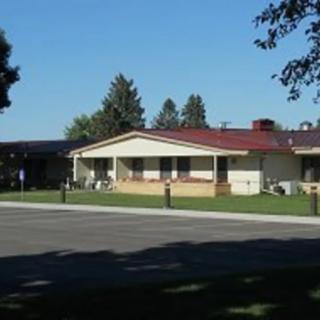
 The facilities are clean and well maintained.
- Grandma seems happy.
- It is a great place to work.
- The staff is caring and provides excellent care.
Cons
 The owner is rude.
Review
Rbi Caring Hearts A in Bangor, Wisconsin is best suited for families that place a premium on a clean, well-maintained environment paired with staff who appear engaged with residents and able to delight in everyday moments. The emphasis here is on a calm, orderly setting where visible upkeep supports comfort and safety, and where residents’ happiness, what family members observe in daily interactions, matters. Those who want a community with transparent governance, clearly stated pricing, and a consistently collaborative relationship with ownership should consider alternatives that prioritize those elements more overtly.
The physical plant at this community reads as cared for and orderly. Visitors note clean, well-kept common areas and living spaces, which matters not only for appearance but for infection control and daily ease of use. A maintained environment reduces everyday stress for residents and families alike, and it signals that attention is paid to the basics that support independent living or assisted living routines. However, cleanliness and upkeep address only one axis of quality; they do not, by themselves, prove the depth or consistency of care across shifts, medications, or individualized activity planning.
Care and staff emerge as the strongest positive signals from the available insights. Phrases like caring staff and excellent care point to hands-on attentiveness and a culture that prioritizes resident well-being. The remark that grandma seems happy reinforces the notion that staff interaction translates into meaningful daily experiences for residents. An added note of morale, describing the facility as a great place to work, suggests a workforce that is engaged and likely to stay long enough to build familiarity with residents’ routines and preferences. Taken together, these are credible indicators that, for many families, the day-to-day experience will feel warm, responsive, and person-centered.
Yet, there is a clear caveat that cannot be ignored: the comment that there is a rude owner introduces a meaningful risk. Leadership style and administrative approach can color every encounter a family has with the facility, from welcome conversations to policy enforcement and problem resolution. A contentious or dismissive tone from management can undermine otherwise solid caregiving by slowing communications, creating misaligned expectations, and friction during care planning or billing discussions. For families that require steady, constructive leadership and predictable responsiveness, this is a material factor that requires direct confirmation through conversations with the owner or administrator and through firsthand tour experiences.
Because ownership dynamics are uncertain from secondhand impressions, and price or comprehensive care details are not fully established in these notes, alternatives should be on the table for certain profiles. Families with a need for highly transparent pricing structures, explicit care protocols, or consistently collaborative governance may find better alignment elsewhere. Similarly, for those who want a guarantee of seamless coordination with medical providers and a policy framework that feels steady rather than reactive, expanding the search may pay dividends in peace of mind.
In the end, this community offers a pragmatic mix: a tidy, welcoming living environment supported by staff who genuinely appear to care, and a resident experience that can be deeply positive when leadership is aligned with those caregiving strengths. The decisive question is whether ownership dynamics can be trusted to sustain that warmth under pressure and in financially transparent ways. Prospective families should seize the next step, an in-person tour focused on meeting the administrator, observing how staff respond to questions, and reviewing sample care plans and pricing, to determine if the fit is right. If those elements align, Rbi Caring Hearts A can be a practical, solid choice; if they do not, the search should continue until a more consistent leadership cadence and clear affordability are in place.
 10 resident community capacity
 Assisted Living
 Board and Care Home
 Memory Care
 Activities on-site
 Cable or satellite TV
 Devotional services off-site
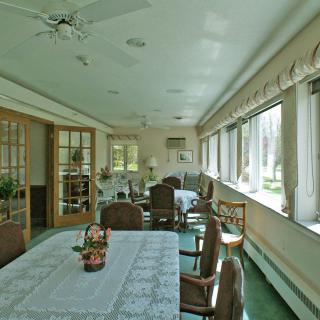
 Dining room
 Fully furnished
 Garden
 Housekeeping services
 Indoor common areas
 Move-in coordination
 Outdoor space
 Telephone
 Wi-Fi/high-speed internet available
 La Crosse Municipal (13 miles away)
 24-hour supervision
 Ambulatory care
 Assistance with bathing
 Assistance with dressing
 Assistance with transfers
 Diabetes diet
 Diabetic care
 Hospice waiver
 Meal preparation and service
 Medication management
 Mental wellness program
 Special dietary restrictions
 Transportation arrangement (medical)
 Transportation to doctors appointments

 Delirium and Dementia: Unraveling the Key Differences
 Are Dementia and Alzheimer's Disease Lethal? A Comprehensive Exploration
 Exploring the Power of Reminiscence Therapy for Individuals With Dementia