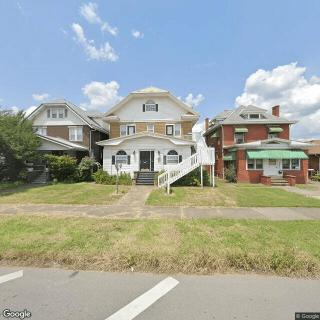
Mary Woelfel Assisted Living

921 23Rd Street, Huntington, WV 25701

For more information about senior living options: (844) 490-3973

4.6 from 20 reviews
5 stars
17
4 stars
1
3 stars
0
2 stars
1
1 stars
1

Assisted Living

What level of care are you interested in?

Assisted Living

Memory Care

Independent Living

Skilled Nursing Facility

Continuing Care Retirement Community (CCRC)CCRC

Other


Request a tour at Mary Woelfel Assisted Living

    Overall Review of Mary Woelfel Assisted Living

    Pros

    • pro It is considered by some to be the best retirement community and nursing home.
    • pro It is a beautiful place.
    • pro Her sister-in-law is quite comfortable there.
    • pro There are nothing but great things said about living there.
    • pro Breakfasts are good and freshly cooked to order.
    • pro The people there are tremendous; those who live there and those who work there are a treasure.

    Cons

    • pro The Woodlands is described as housing residents on the healthcare floor "like farm animals."
    • pro Residents are limited to token activities and are never taken outside the facility.
    • pro Residents routinely go to bed in dirty clothes and can wind up spending days staring at the wall.
    • pro A nurse named Kim Taylor is accused of withholding information from family members and failing to give residents the needed attention.
    • pro The reviewer implies Kim Taylor would be unlikely to care if a parent died.
    • pro The monthly care rate was increased by over $1,500 after reassessment.

    Review

    The impressions people have of this retirement community swing between admiration and alarm. Several reviewers call it "the best retirement community/nursing home," praising its beauty, its ambiance, and the overall feel of a place that could be a perfect home for a loved one - if money isn't an object. The sense of elegance and refinement is clear in their words: a beautiful place that makes a strong first impression and invites family members to imagine comfort and care for someone they love. But that beauty is consistently tied to a reality check: the price tag is steep, and for many families, cost becomes a central, almost unavoidable part of the conversation.

    Within that beauty, individual families share moments of genuine connection and affection. One reader speaks in deeply personal terms about their grandmother Linda Gutierrez, urging care with a moving, intimate plea: "Love you, please keep taking care of my lovely grandma Linda Gutierrez, tell her I love her, and to not forget me." The sentiment travels beyond flattery; it's a reminder that, for many families, the facility represents a living relationship, not just a service. Another voice echoes a similar devotion, writing of the affection and loyalty that persist despite the miles and the routines of daily life in a senior setting: "I love you Mimi, don't give up." Small joys are noted as well - good breakfasts cooked to order, the convenience of social visits, and even simple pleasures like golfing with friends before a round, described as an ideal prelude to a day on the greens.

    The praise isn't universal, though. Several comments carry warnings that the price of admission has a direct impact on the care and the experience your loved one will receive. One reviewer hails the place as wonderful and consistently notes how the people - both residents and staff - are "tremendous," a testament to the goodwill and community atmosphere that can make visits feel warm and rewarding. Yet another voice foregrounds cost in a way that colors the entire picture: a mother who required more intensive care saw her monthly rate rise by over $1,500 after a care level reassessment, ultimately leading the family to relocate to Ohio. The implication is sobering: even when the setting appears idyllic, the financial mechanics behind how care is billed can push families to make deeply difficult decisions about where and how their loved ones live.

    Not all concerns are solely financial. A particularly stark critique targets the quality of life on the healthcare floor, where one reviewer describes conditions in almost jarring terms: residents "basically housed like farm animals," with only token activities like bingo or occasional visits from a musician, and with limits on outdoor time. The reviewer paints a bleak picture of routine care: patients going to bed in dirty clothes, and days slipping by with little meaningful interaction or movement. The overarching message is one of stagnation and neglect, a sharp contrast to the care environment that families expect from a place that presents itself as an upscale option.

    In addition to generalized concerns about care quality, there are pointed accusations about individual staff behavior. A family member recounts serious problems with a nurse named Kim Taylor, claiming that information about a loved one's well-being was withheld and that the nurse failed to provide the attention needed for a successful senior-living experience. The review conveys a strong sense of distrust and frustration, suggesting that the absence of thorough communication and proactive care can have real, potentially dangerous consequences. The warning is blunt: "Beware of the Woodlands," and the sentiment invites other families to proceed with caution and to seek alternatives if they fear similar problems.

    There's another, more procedural criticism that compounds the emotional strains: the perceived push to move residents into "healthcare" when they might be better served in an independent or assisted-living arrangement. The reviewer describes a strategy in which apartments are marketed for sale or transition as soon as a house doctor deems a resident unfit to live independently. From there, the transition to healthcare appears to involve a small nursing staff - "one nurse for two floors" and "two aides for both floors" - whose frequent frustration is said to arise when families don't authorize external caregiving. The combination of perceived medical gatekeeping, staffing constraints, and cost concerns creates a troubling impression of a facility more eager to manage numbers and classifications than to sustain a steady, compassionate, and individualized care routine.

    Taken together, the collection of reviews presents a complex portrait of a community that many find deeply beautiful and emotionally meaningful, while others describe a precipice between care and neglect, affordability and exclusivity. The beauty of the setting and the warmth of the people in good days stand in vivid contrast to the allegations of animal-like conditions, inadequate attention to residents' hygiene and daily needs, and the chilling possibility that financial pressures and administrative decisions overshadow the core goal of care. For families considering this place, the message is nuanced and personal: you may encounter extraordinary kindness, memorable moments, and a sense of belonging, but you should also plan for significant cost, scrutinize the level of care on the healthcare floor, and ask hard questions about staffing, communication, and long-term plans for residents who may require more intensive support.

    In the end, this community seems to embody two opposing forces: it can be a sanctuary of beauty, companionship, and gentle routines that honor loved ones, and it can also become a source of anxiety when care needs escalate or when financial and administrative pressures threaten the quality and consistency of life inside. Those who voice their experiences do so with a mix of affection and caution, sharing both the bright memories made during visits and the heavy concerns that linger long after the doors close. For anyone weighing this option, the takeaway is clear: it's essential to balance the possibility of excellent days with the reality of ongoing costs, and to engage in comprehensive due diligence - inspecting care levels, front-line staffing, and the far-reaching policies that ultimately shape daily life for residents and the people who love them.

    Features

    Housing

    • 6 resident community capacity 6 resident community capacity

    Types of Care

    • Assisted Living Assisted LivingAssisted living facilities provide crucial support and care for seniors who may need help with daily tasks such as medication management, bathing, and meal preparation. These communities offer a safe and comfortable environment where seniors can maintain their independence while receiving the assistance they need to thrive in their golden years.

    Amenities

    • Cable or satellite TV Cable or satellite TVCable or satellite TV is important for seniors because it provides entertainment, news, and companionship, helping to combat loneliness and boredom. It also offers a wide range of programming options tailored to different interests and preferences.
    • Dining room Dining roomDining rooms are important for seniors as they provide a space for socialization, connection, and nutritious meals. They offer opportunities for residents to bond over shared meals, foster a sense of community, and promote healthy eating habits. Dining rooms also ensure that seniors have access to well-balanced meals tailored to their dietary needs and preferences.
    • Fully furnished Fully furnishedFully furnished senior living communities are important for seniors because they provide convenience, comfort, and a hassle-free moving experience. Seniors can easily settle into their new living space without the stress of having to buy and move furniture. This allows them to focus on enjoying their new home and community.
    • Garden GardenGardens are important for seniors as they provide a peaceful and therapeutic environment for relaxation, physical activity, and socialization. Being in nature has been shown to reduce stress, improve mood, and promote overall well-being. Gardens also offer opportunities for seniors to engage in gardening activities, which can improve mobility, flexibility, and cognitive function. Additionally, gardens create a sense of community and connection with others who share a passion for plants and outdoor spaces.
    • Housekeeping services Housekeeping servicesHousekeeping services are important for seniors because they help maintain a clean and safe living environment, promote independence, and reduce the risk of accidents or illnesses. Additionally, having assistance with household chores can alleviate physical strain and allow seniors to focus on other aspects of their well-being.
    • Move-in coordination Move-in coordinationMove-in coordination is important for seniors because it helps ease the transition into their new living environment. It ensures that all logistics, such as packing, organizing movers, and setting up utilities are taken care of, allowing seniors to focus on settling in and adjusting to their new home. Having a smooth move-in process can alleviate stress and anxiety, making the transition smoother and more enjoyable for seniors.
    • Outdoor space Outdoor spaceOutdoor spaces are important for seniors as they provide opportunities for physical activity, social interaction, exposure to natural light and fresh air, and a sense of connection to nature. Having access to outdoor spaces can improve overall well-being and quality of life for older adults living in senior communities.
    • Telephone TelephoneTelephones are important for seniors as they provide a lifeline for communication with loved ones, emergency services, and healthcare providers. They offer a sense of security and independence, enabling seniors to stay connected and access assistance when needed.
    • Wi-Fi/high-speed internet available Wi-Fi/high-speed internet availableWi-Fi/high-speed internet is important for seniors to stay connected with loved ones, access online resources, and participate in virtual activities to combat feelings of loneliness and isolation. It also allows them to easily manage healthcare needs, access entertainment, and engage in lifelong learning opportunities.

    Transportation

    • Tri-State Walker-Long (8 miles away) Tri-State Walker-Long (8 miles away)

    Care Services

    • 24-hour supervision 24-hour supervision24-hour supervision is important for seniors to ensure their safety, well-being, and access to immediate assistance in case of emergencies or health issues. This constant support provides peace of mind for both seniors and their loved ones, allowing them to age in place with dignity and security.
    • Activities of daily living assistance Activities of daily living assistanceActivities of daily living assistance are important for seniors because they provide essential support with tasks such as eating, bathing, dressing, and mobility. This assistance helps seniors maintain their independence, dignity, and overall quality of life as they age.
    • Assistance with bathing Assistance with bathingAssistance with bathing is crucial for seniors as it helps maintain personal hygiene, prevents infections, and ensures their overall well-being and comfort. It also provides a sense of dignity and independence for seniors who may struggle with this task on their own.
    • Assistance with dressing Assistance with dressingAssistance with dressing is important for seniors because it helps maintain their independence, promotes personal hygiene, prevents accidents and injuries, and improves overall quality of life. This service ensures that seniors can continue to dress comfortably and confidently, despite any physical limitations they may have.
    • Assistance with transfers Assistance with transfersAssistance with transfers is crucial for seniors as it helps prevent falls and injuries, maintains their independence, and ensures they can safely navigate their living environment. It also provides peace of mind for both seniors and their loved ones.
    • Coordination with health care providers Coordination with health care providersCoordination with health care providers is crucial for seniors to ensure proper medical care, medication management, and overall well-being. This collaboration helps prevent overlapping treatments, track progress more effectively, and provide comprehensive support tailored to individual needs.
    • Diabetes diet Diabetes dietA diabetes diet is crucial for seniors as it helps manage blood sugar levels, reduce risks of complications, and improve overall health and well-being. By following a balanced and nutritious diet tailored to their specific needs, seniors can better control their diabetes and enhance their quality of life.
    • Meal preparation and service Meal preparation and serviceMeal preparation and service are crucial for seniors as they may have limited mobility or energy to cook nutritious meals. Having access to healthy and convenient food options can ensure they are getting the proper nutrition needed to maintain their overall health and well-being.
    • Medication management Medication managementMedication management is crucial for seniors to ensure they are taking the right medications at the correct dosages and times. This helps prevent adverse drug interactions, reduces the risk of medication errors, and promotes overall health and well-being. Proactive management also allows for adjustments as needed based on changing health conditions or new prescriptions.
    • Special dietary restrictions Special dietary restrictionsSpecial dietary restrictions are important for seniors because age-related changes in metabolism and health conditions can make it difficult for their bodies to process certain foods. By following a diet tailored to their specific needs, seniors can maintain their overall health and well-being, manage chronic conditions, and reduce the risk of complications such as malnutrition or food interactions with medications.
    • Transportation arrangement (medical) Transportation arrangement (medical)Transportation arrangements for medical purposes are essential for seniors as they may have difficulty driving themselves to appointments or accessing public transportation. Having reliable and safe transportation options ensures that seniors can receive timely medical care and maintain their health and well-being.
    • Transportation to doctors appointments Transportation to doctors appointmentsTransportation to doctors' appointments is crucial for seniors as it ensures they have access to necessary medical care and support for their health needs. Without reliable transportation, seniors may struggle to attend important appointments, leading to potential delays in treatment and health complications. Providing transportation services helps seniors maintain their overall well-being and quality of life.

    Dining

    • Diabetes diet Diabetes dietA diabetes diet is crucial for seniors as it helps manage blood sugar levels, reduce risks of complications, and improve overall health and well-being. By following a balanced and nutritious diet tailored to their specific needs, seniors can better control their diabetes and enhance their quality of life.
    • Special dietary restrictions Special dietary restrictionsSpecial dietary restrictions are important for seniors because age-related changes in metabolism and health conditions can make it difficult for their bodies to process certain foods. By following a diet tailored to their specific needs, seniors can maintain their overall health and well-being, manage chronic conditions, and reduce the risk of complications such as malnutrition or food interactions with medications.

    Activities

    • Community-sponsored activities Community-sponsored activitiesCommunity-sponsored activities are important for seniors as they provide opportunities for social interaction, mental stimulation, and physical activity. These activities can help improve overall well-being, combat loneliness and isolation, and promote a sense of belonging and purpose among older adults.
    • Scheduled daily activities Scheduled daily activitiesScheduled daily activities are important for seniors because they provide structure, socialization, mental stimulation, and physical activity. Engaging in regular activities can improve overall well-being and quality of life for seniors living in a community setting.

    Description

    Located in Huntington, WV, Mary Woelfel Assisted Living offers a comfortable and convenient living environment for seniors. Our community provides a range of amenities to ensure that residents can enjoy a fulfilling lifestyle.

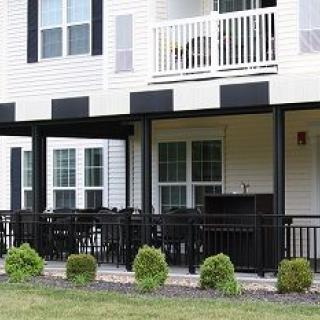
    Residents can gather and socialize in our dining room, where nutritious and delicious meals are served. Each apartment is fully furnished, providing a cozy space for residents to relax and feel at home. Our beautiful garden and outdoor spaces offer opportunities for leisurely walks or enjoying the fresh air.

    To make daily life easier, we provide housekeeping services to keep apartments tidy. We also offer move-in coordination assistance to help new residents settle in smoothly. With telephone and Wi-Fi/high-speed internet available, staying connected with loved ones or engaging in online activities is hassle-free.

    At Mary Woelfel Assisted Living, we prioritize the well-being of our residents. Our dedicated staff is trained to provide assistance with activities of daily living such as bathing, dressing, and transfers. We coordinate with health care providers to ensure that our residents receive the necessary care. For those with diabetes or special dietary restrictions, we accommodate their needs with specialized diet plans.

    Transportation arrangement for medical appointments is provided for ease and convenience. Additionally, our community is conveniently located near various pharmacies, physicians' offices, restaurants, places of worship, theaters, cafes, parks, and hospitals.

    To enhance social engagement and promote an active lifestyle, we organize scheduled daily activities for our residents to enjoy. Whether it's participating in group exercises or joining in on creative pursuits like arts and crafts or games - there is something for everyone.

    At Mary Woelfel Assisted Living in Huntington, WV - we aim to provide a supportive environment where seniors can thrive while receiving personalized care and attention as needed.

    Nearby Places of Interest

    This area of Huntington, West Virginia, offers a convenient and diverse range of amenities for seniors looking for a comfortable living environment. With multiple places of worship nearby, including Baptist Temple and the Huntington Mosque, residents have access to spiritual fulfillment. Additionally, there are numerous dining options such as Chipotle Mexican Grill and Stewarts Original Hot Dogs within walking distance. Medical care is easily accessible with physicians like Rashmi Kumar and facilities like Cabell Huntington Hospital Pain Management Center in close proximity. Pharmacies like Kroger Pharmacy and CVS Pharmacy are also readily available for prescription needs. For leisure activities, Ritter Park Amphitheater provides a tranquil outdoor space while Marquee Cinemas-Pullman Square 16 offers entertainment options. Overall, this neighborhood combines convenience with a sense of community, making it a desirable location for senior living in Huntington.

    Places of Worship

    • Baptist Temple (0.2 miles)
    • Huntington Mosque مسجد هنغتينغتون (0.3 miles)
    • Norway Avenue Church Of Church (0.3 miles)
    • New Baptist Church (1 miles)
    • New Life Church (2.8 miles)
    • Pea Ridge Baptist Church (5.3 miles)

    Restaurants

    • Chipotle Mexican Grill (0.5 miles)
    • Stewarts Original Hot Dogs (0.5 miles)
    • McDonald's (0.5 miles)
    • Cook Out (0.6 miles)
    • Fat Patty's (0.7 miles)
    • Frostop Drive Inn (1 miles)
    • Fazoli's (1.2 miles)

    Physicians

    • Rashmi Kumar (0.7 miles)
    • Cabell Huntington Hospital Pain Management Center (0.8 miles)
    • Marshall University Medical Center (0.8 miles)
    • Harless Auditorium (0.8 miles)
    • Hall, Joshua Marshall Pediatrics Huntington (0.8 miles)
    • Marshall Family Medicine (0.8 miles)
    • Foster, Carol A, Md - Marshall University Med Center (0.8 miles)

    Pharmacies

    • Kroger Pharmacy (0.7 miles)
    • CVS Pharmacy (1.2 miles)
    • St Mary's Pharmacy (1.3 miles)
    • Fruth Pharmacy (1.4 miles)
    • Kroger Pharmacy (2.1 miles)
    • Fruth Pharmacy (2.2 miles)
    • Walgreens (2.2 miles)

    Hospitals

    • Cabell Huntington Hospital (0.8 miles)
    • Hoops Family Children's Hospital (0.8 miles)
    • Cabell Huntington Hospital (0.8 miles)
    • Cabell Huntington Surgery Center (0.8 miles)
    • St Mary's Medical Center (1.3 miles)
    • Cornerstone Hospital Of Huntington (1.3 miles)
    • St Mary's Hospital Home Health Services (1.3 miles)

    Parks

    • Ritter Park Amphitheater (1 miles)

    Cafes

    • Starbucks (1.5 miles)

    Theaters

    • Marquee Cinemas-Pullman Square 16 (1.6 miles)

    Frequently Asked Questions

    Where is Mary Woelfel Assisted Living?

    Nearby Communities

    Assisted Living in Nearby Cities

    Related Resources

    • senior move managementSenior Transition Services: Understanding Their Role, Cost, and Importance
      Senior move management services assist older adults in the relocation process by providing emotional support and organizational help, addressing unique challenges like downsizing and moving from long-term homes. These specialists collaborate with real estate agents and manage logistics, making the transition smoother for seniors and their families.

    • independent living vs assisted livingExploring the Path to Senior Living: A Comprehensive Look at Independent Living and Assisted Living

      The article examines senior housing options, detailing the distinctions between independent living and assisted living, along with the emerging "independent assisted living" model that blends both approaches. It highlights the importance of assessing individual needs, preferences, and financial factors in making informed decisions about suitable living arrangements for seniors.

    • is assisted living tax deductibleIs Assisted Living Deductible on Your Taxes? Understanding the Complexities of Assisted Living Expenses and Deductions

      The deductibility of assisted living expenses on taxes hinges on factors like the individual's medical condition and service nature, typically requiring the resident to be "chronically ill" per IRS definitions. Taxpayers may deduct eligible medical expenses related to personal care services but generally not rent unless primarily for medical care, and they should maintain thorough documentation to support claims while considering itemizing versus standard deductions.


    Get Pricing Ask A Question Schedule A Tour Contact Senior Advisor