Heritage Center - WV in Huntington, WV
Save101-13th Street, Huntington, WV 25701
For more information about senior living options: (844) 490-3973
At Heritage Center in West Virginia, the monthly costs for assisted living reflect a higher investment compared to both Wayne County and the broader state averages. For a Semi-Private room, residents can expect to pay $5,280, which is slightly above Wayne County's rate of $5,125 and significantly higher than the West Virginia average of $3,683. Similarly, the cost for a Private room at Heritage Center is $5,580, again surpassing Wayne County's price of $5,290 and the state's average of $4,794. This pricing structure suggests that while Heritage Center may offer unique services or amenities justifying the premium rates, potential residents should carefully consider their budget in relation to available options within both the county and statewide context.
| Floor plans | Heritage Center - WV | Wayne County | West Virginia |
|---|---|---|---|
| Semi-Private | $5,280 | $5,125 | $3,683 |
| Private | $5,580 | $5,290 | $4,794 |
Heritage Center in Huntington is best suited for families seeking a warm, community-minded environment where staff are consistently described as compassionate, attentive, and genuinely invested in residents’ daily happiness. This is a place that often shines for long-term residents who value personal connections, meaningful activities, and steady rehab or therapy when needed. It works well for seniors who respond well to a friendly, family-like culture and for families that can and will participate in care plans and regular communications. Those with stable, low-acuity needs or dementia-friendly routines may find it a good fit if the care team remains reliably engaged. However, for those prioritizing ironclad consistency in medical care, aggressive monitoring, and uniformly strict standards across all shifts, alternatives deserve serious consideration.
On the plus side, the facility earns its strongest marks for staff warmth and resident-focused care. Multiple families describe staff as welcoming, patient, and genuinely caring, with therapists and nurses delivering attentive rehab and daily support. Cleanliness and a pleasant atmosphere recur as standout features; residents appear to benefit from well-structured activity calendars, social engagement, and visible efforts to treat each person with dignity. Front-desk and administrative teams are often praised for competence and courtesy, and several reviews note that communication with families is timely and thoughtful, especially when issues arise. In many accounts, residents form positive relationships with caregivers, and the sense of belonging, “like family”, is repeatedly highlighted as a meaningful, real-world differentiator.
Yet, the cons raised by families cannot be ignored, and they frequently cut to the heart of safety and trust. A substantial portion of reviews allege under-staffing and inconsistent coverage, leading to delays in care, missed routines, and difficulties in obtaining basic assistance. Instances of neglected personal care, delays in hydration and meals, and reported lapses in medication administration appear in multiple accounts. Families recount real fear when a loved one experiences dehydration, delayed showers, or extended periods without assistance, sometimes culminating in emergency visits or hospitalizations. There are also troubling anecdotes about poor meal quality, inadequate attention to wounds or mobility needs, and, in some cases, sharp frustration with management or accountability when problems are raised.
The key advantages, compassionate staff, clean surroundings, engaging activities, and reliable rehab services, do not fully offset the most serious drawbacks. For residents with complex medical needs or those who require vigilant, around-the-clock oversight, chronic understaffing can translate into dangerous gaps in care. When call lights go unanswered for long stretches, or when a resident’s basic needs are unmet for days, the protective benefits of a friendly environment lose their shield. The risk is not merely discomfort; it becomes a question of safety, dignity, and trust in the system. In short, the pros can sustain a good experience for some, but the cons create meaningful red flags for others, especially those whose loved ones require strict, consistent medical management.
Families evaluating Heritage Center should enter with a clear checklist and a plan for ongoing oversight. Begin by assessing staffing dynamics: ask for current nurse-to-resident and aide-to-resident ratios by shift, recent turnover, and whether specialty roles (rehab, wound care, memory care) are consistently available. Probe the rehab schedule, noting how many therapy hours are realistically provided weekly and how progress is tracked. Demand explicit med-management protocols, daily hydration routines, and showering/bathing practices, with concrete examples from recent weeks. Inquire about meal quality and assistance with eating, particularly for residents who require help. Demand recent survey results and any corrective-action plans, and talk with multiple staff members during tours to gauge consistency in tone and practice.
The verdict for Heritage Center is nuanced and decision-critical. It is a strong contender for families who prioritize a warm, relational environment, active social and rehab programs, and transparent, proactive communication with loved ones. It is less suitable for households where ongoing, rigorous oversight of medical care and basic daily needs is nonnegotiable, or where systemic under-staffing and reported care gaps raise legitimate safety concerns. If choosing Heritage Center, pair the decision with a concrete monitoring plan: schedule frequent visitations, request written care notes, and review recent incident reports and state survey data. For some families, the positives will align beautifully with their expectations and their loved one’s temperament; for others, the risk profile suggests looking at alternatives that emphasize more consistent staffing and tighter clinical controls. This facility can be a good home for the right resident, but the decision hinges on rigorous alignment between need, risk tolerance, and the assurance that care remains steady, attentively managed, and consistently safe.
Heritage Center in Huntington, WV is an assisted living community nestled in the heart of a vibrant neighborhood with a wealth of amenities nearby. With its convenient location, residents have easy access to various facilities and services to enhance their daily lives.
For those who enjoy dining out or meeting friends for a cup of coffee, there are 36 restaurants and 1 cafe within close proximity to Heritage Center. Whether it's savoring local cuisine or indulging in international flavors, residents have plenty of options to choose from.
Nature enthusiasts can take advantage of the 1 park in the vicinity, providing beautiful outdoor spaces for relaxation, picnics, or leisurely strolls amidst greenery. It offers a tranquil environment for residents to connect with nature and enjoy some fresh air.
Ensuring the well-being of residents is a top priority at Heritage Center, reflected by the presence of 11 pharmacies and 23 physicians nearby. This ensures easy access to essential medical supplies and specialized healthcare professionals whenever needed.
Additionally, Heritage Center caters to spiritual wellness with 5 places of worship situated nearby. Residents can find solace and participate in religious activities that align with their beliefs without having to travel long distances.
Residents looking for entertainment can explore the cultural scene by visiting one theater located in proximity. This allows them to conveniently experience live performances and immerse themselves in various forms of art and entertainment.
In terms of healthcare convenience, 10 hospitals are situated within reach from Heritage Center. This ensures prompt medical attention during emergencies or routine check-ups, providing peace of mind for both residents and their loved ones.
Overall, Heritage Center offers comfort and convenience within an inviting community setting. With its array of nearby cafes, parks, pharmacies, physicians, restaurants, places of worship, theaters, and hospitals; this assisted living community provides residents with everything they need for a fulfilling lifestyle while fostering a strong sense of belonging.
At Heritage Center in West Virginia, the monthly costs for assisted living reflect a higher investment compared to both Wayne County and the broader state averages. For a Semi-Private room, residents can expect to pay $5,280, which is slightly above Wayne County's rate of $5,125 and significantly higher than the West Virginia average of $3,683. Similarly, the cost for a Private room at Heritage Center is $5,580, again surpassing Wayne County's price of $5,290 and the state's average of $4,794. This pricing structure suggests that while Heritage Center may offer unique services or amenities justifying the premium rates, potential residents should carefully consider their budget in relation to available options within both the county and statewide context.
Heritage Center - WV is located at 101-13th Street, Huntington, WV 25701 in Wayne County, West Virginia
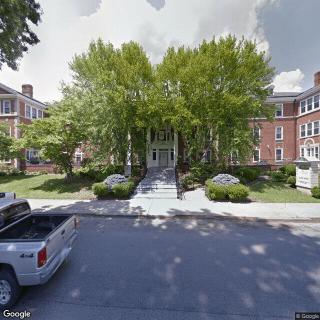
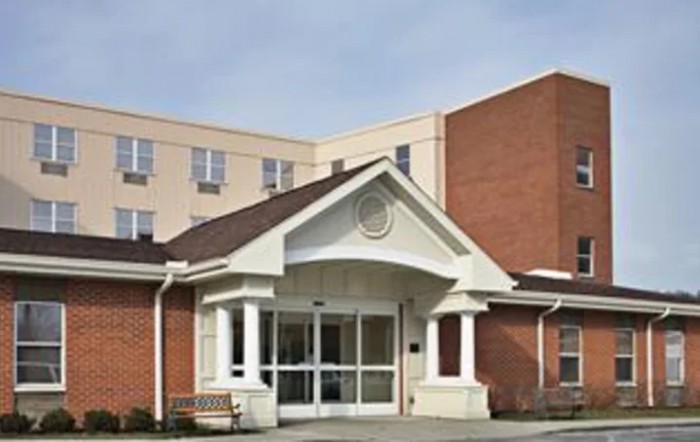
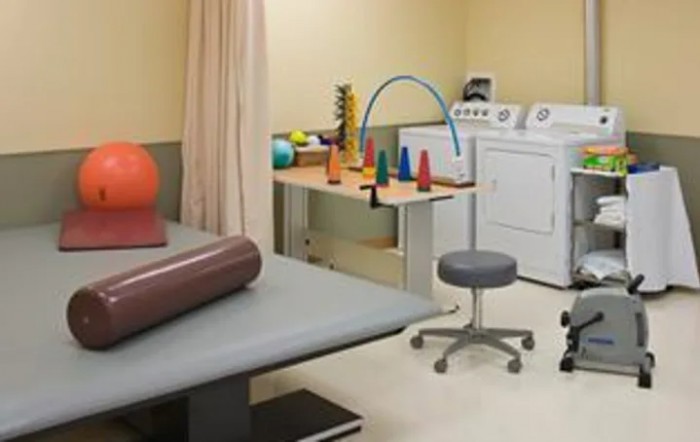
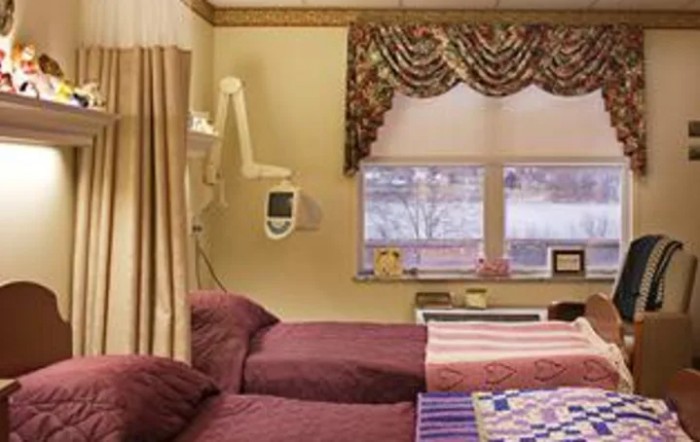
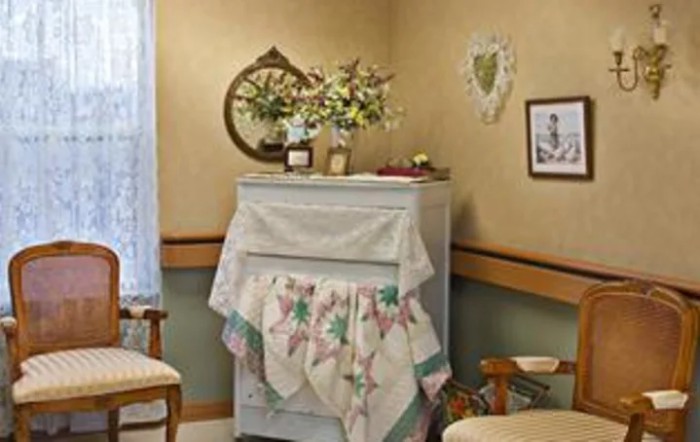
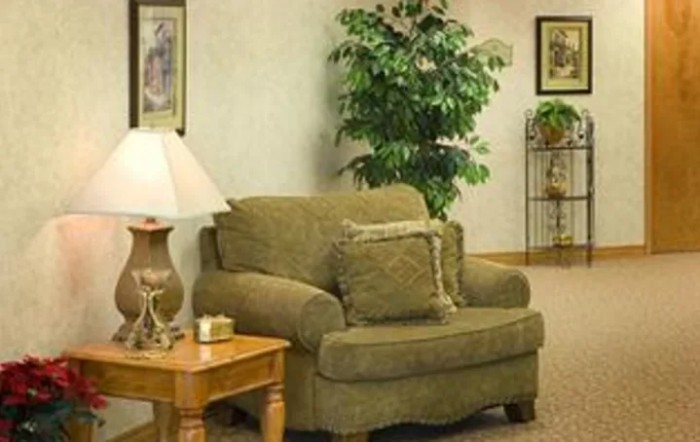
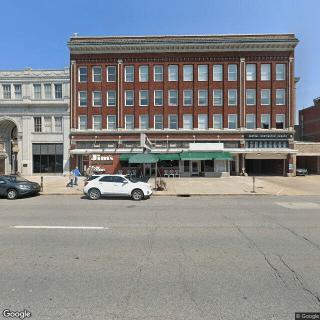
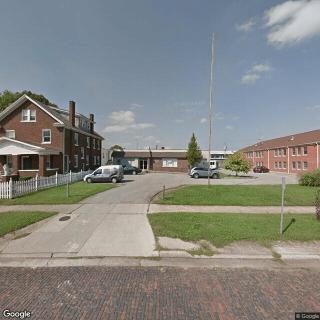
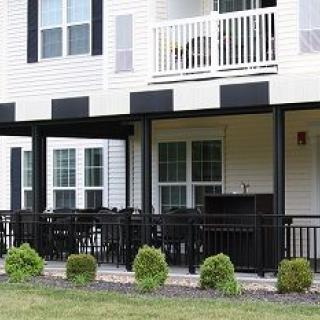
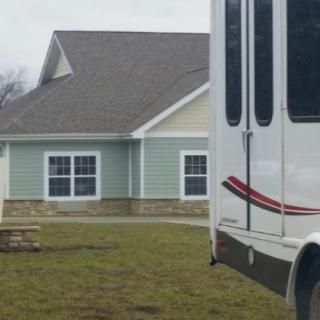
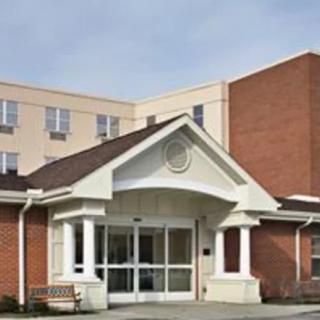
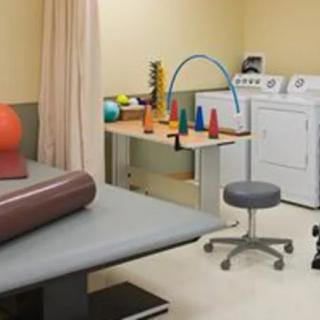
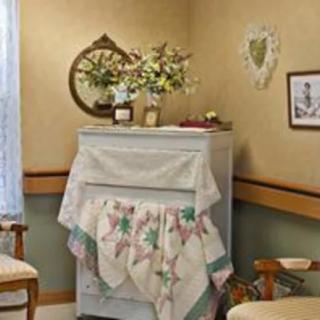
Heritage Center - WV on seniors.fyi includes 5 photos including images showing decor, interior, vintage, living room, wall art, building, entrance, architecture, and more.
Ten Vital Duties of a Senior Caregiver: A Comprehensive Guide

The guide details ten essential responsibilities of senior caregivers, including personal care, mobility assistance, medication management, and emotional support, while emphasizing the importance of safety, nutrition, and maintaining a safe living environment to enhance seniors' quality of life and independence.
9 Stimulating Memory Activities for Seniors: Puzzles, Cards, and Much More

The article highlights nine memory-boosting activities for seniors that enhance cognitive health and social interaction, including puzzles, trivia quizzes, and storytelling, while emphasizing the importance of adapting these activities to individual preferences to maximize enjoyment and engagement. Consistent mental engagement is linked to improved cognitive function and emotional well-being in older adults.
Managing Nursing Home Expenses After Medicare Coverage Ends

Medicare provides limited coverage for skilled nursing home care, covering full benefits for the first 20 days and partial benefits up to 100 days under certain conditions, after which families must explore alternative funding options like Medicaid or long-term care insurance to manage potentially high costs. Proactive planning is essential to navigate the complexities of financing ongoing care once Medicare coverage ends.