Woodland Care Center in Woodland, WA

Save

  • Interior

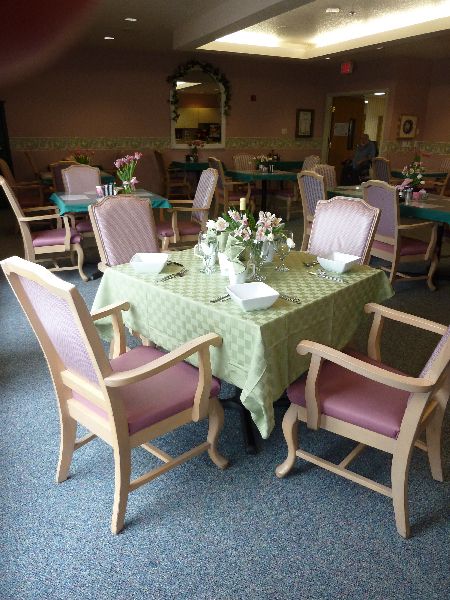
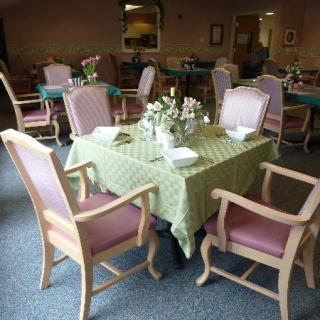
    A cozy dining area with elegantly set tables and comfortable seating.
  • Decor

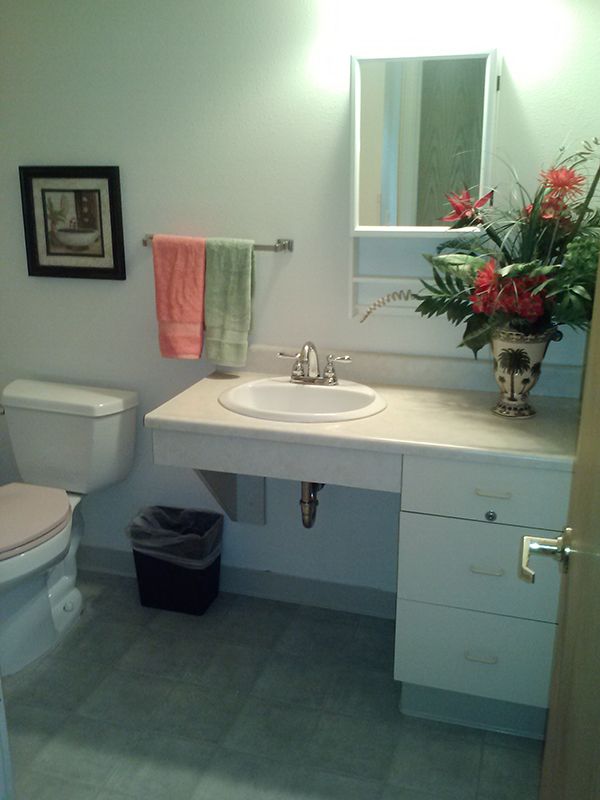
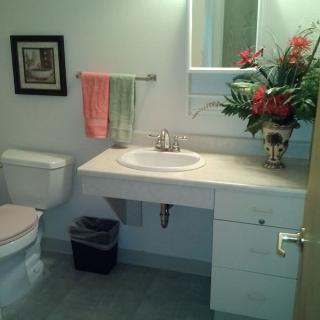
    A clean and tidy bathroom featuring a sink, mirror, and various decorations including towels and a floral arrangement.
  • Living Room

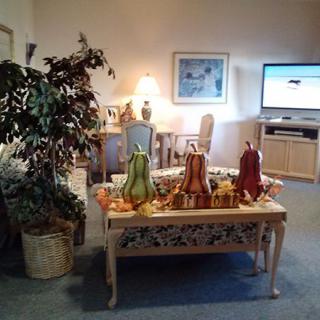
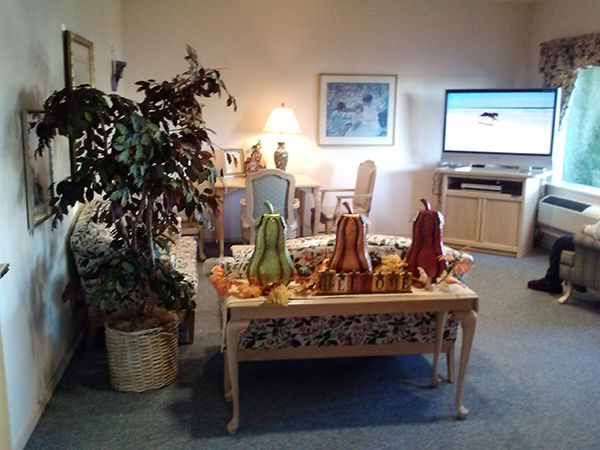
    A cozy living room featuring a coffee table with colorful decor, a large potted plant, and a television.
  • Building

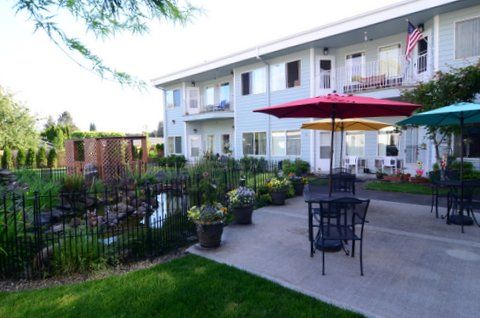
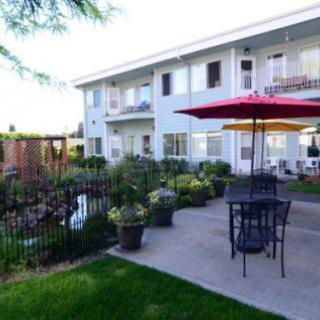
    A tranquil outdoor patio area with seating, surrounded by a lush garden next to a residential building.
  • Bedroom

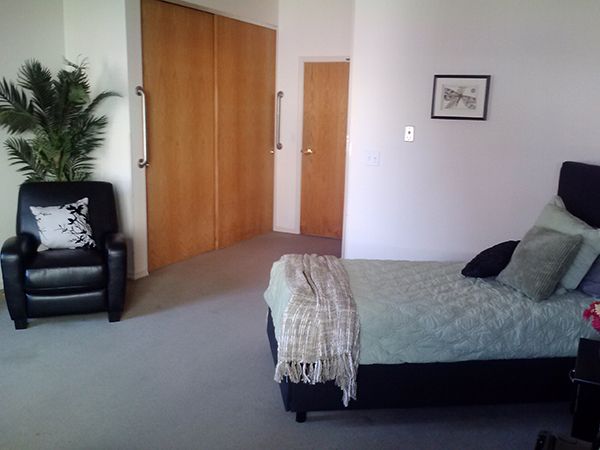
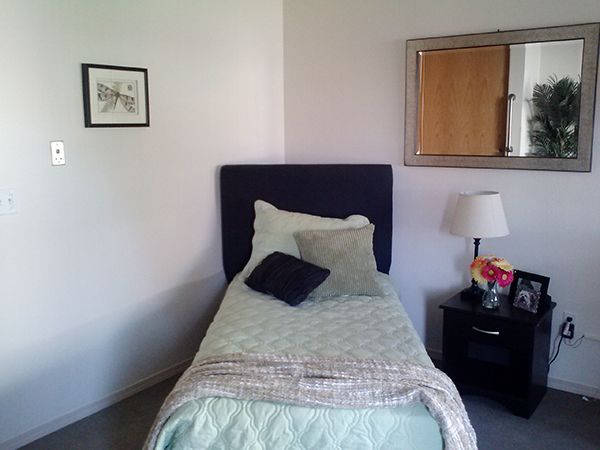
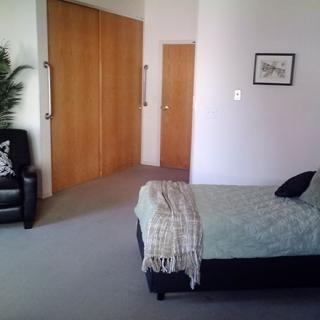
    A minimalist bedroom featuring modern decor with a bed, armchair, and wooden closets.
  • Windows

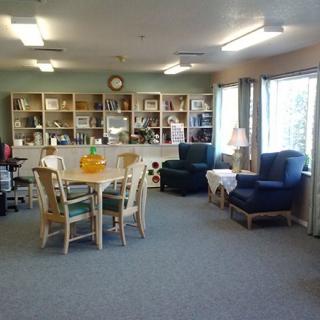
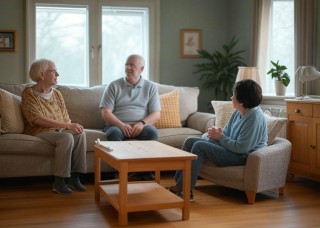
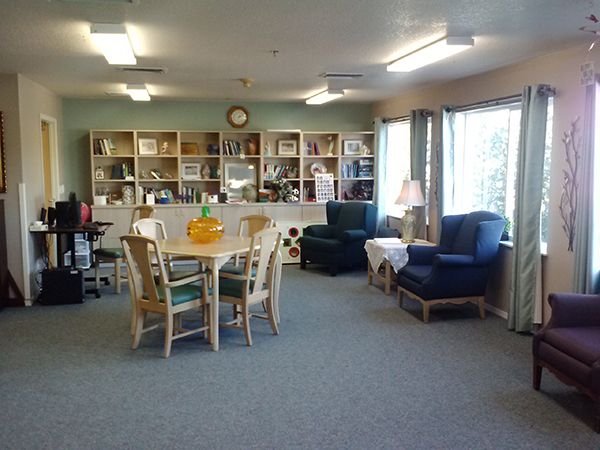
    A cozy living room with a table, chairs, bookshelves, and large windows.
  • Landscaping

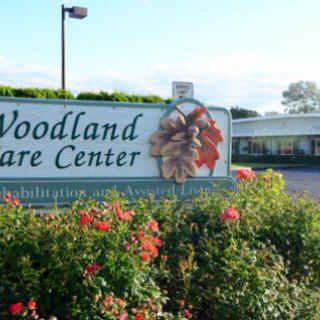
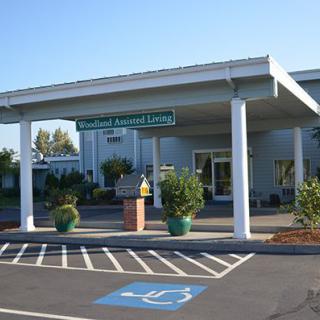
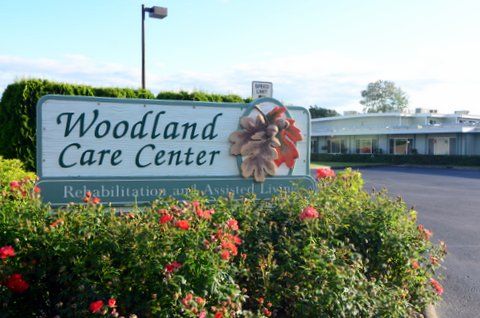
    Entrance of Woodland Care Center with surrounding flowers.
  • Entrance

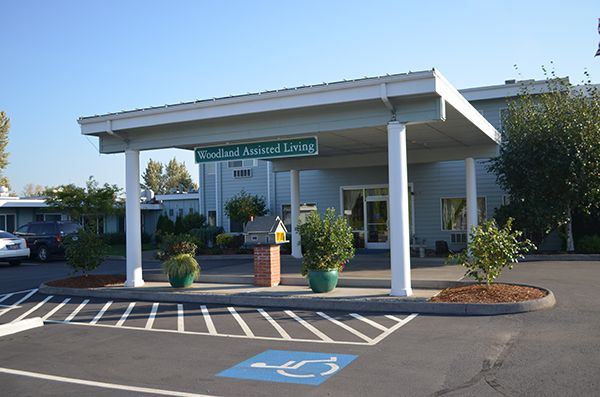
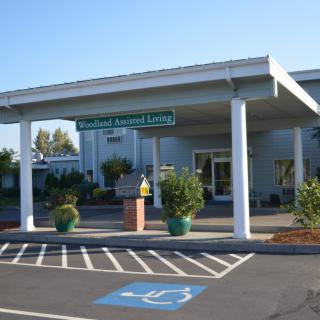
    Entrance of a medical facility with an accessible parking spot in front.
  • Television

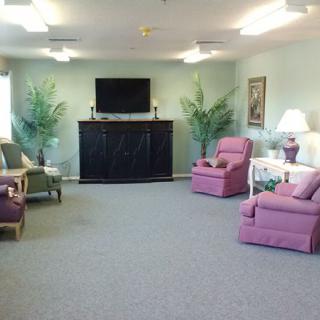
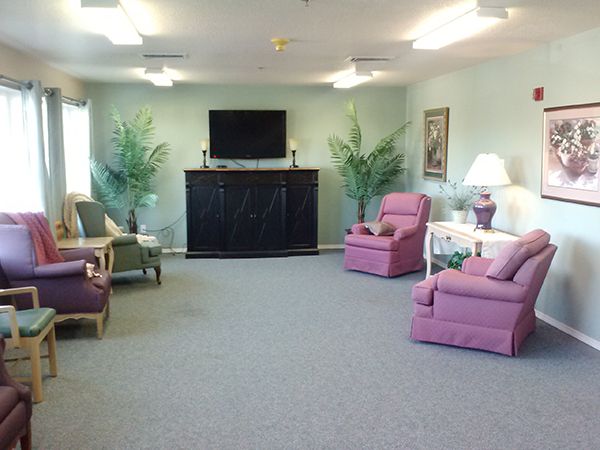
    A cozy living room with armchairs, a television, and indoor plants.

Woodland Care Center in Woodland, WA

Information last verified:

310 4Th Street, Woodland, WA 98674

For more information about senior living options: (844) 490-3973

4.4 from 64 reviews
5 stars
49
4 stars
7
3 stars
1
2 stars
1
1 stars
6

Overall Review of Woodland Care Center

Pros

  • pro The staff are caring, helpful, and kind.
  • pro The facility is clean and well run.
  • pro The care provided is compassionate and residents are treated with respect.
  • pro Families feel their loved ones are in good hands.
  • pro The administration is helpful and reassuring, with smooth handling of forms.
  • pro The call light system and nurse responsiveness are quick and reliable.
  • pro Residents enjoy engaging activities and flavorful meals.
  • pro The facility is regarded as award-winning for its care.

Cons

  • pro The care is subpar and many of the staff are dismissive.
  • pro They told my Aunt's children they needed to visit less, showing a shocking lack of compassion.
  • pro The incredible lack of compassion and empathy is atrocious.
  • pro Med tech lies; patients afraid of staff; disgusting treatment of patients.
  • pro My grandmother was neglected, left in bed for over 12 hours, and humiliated by being listed as incontinent.
  • pro They neglected her care and did not follow her heart-healthy diet, nearly causing her death.
  • pro The CNAs and other help are not so great.
  • pro The call lights were answered very slowly, with long delays.
  • pro This facility is not trustworthy; I would not recommend it to anyone.
  • pro The food was lackluster and arrived cold.

Review

Woodland Care Center in Woodland, WA is best suited for families seeking a single, integrated campus that can provide assisted living, rehab, skilled nursing, and hospice under one roof. This community shines for residents who prioritize a warm, respectful culture, consistent staffing, and a robust activity program, all within a clean, well-run environment. It is especially well-suited for families who want clear, proactive administration that can navigate funding, paperwork, and care transitions without scattering the family’s attention across multiple facilities. The strongest draw is the sense that residents are known and cared for day after day, with staff who emphasize compassion, dignity, and everyday reliability.

That said, some families may want alternatives if private space, consistently flawless dining, or uninterrupted 24/7 clinical attentiveness are non-negotiable. A few reviews flag smaller room options and variable food quality, with meals sometimes arriving less than hot or appealing. More serious outliers describe neglectful instances in rehab settings and episodes of miscommunication or perceived staff burnout. For families requiring near-constant, highly specialized attention, especially in hospice or complex medical scenarios, these experiences suggest exercising strong due diligence, requesting to meet frontline caregivers, and probing for a detailed walk-through of the care plan before committing. In other words, Woodland is strong, but not without the kinds of caveats that merit careful scrutiny when choosing between options.

The core strengths lie in the proven, compassionate culture that permeates the building. Visitors repeatedly emphasize friendly, patient, and genuinely caring staff, with nurses and CNAs who respond with alacrity to call lights and bedside needs. The facility’s cleanliness and organization consistently appear in reviews, reinforcing confidence in day-to-day operations. Families praise the administration for practical support, Medicaid navigation, paperwork, and timely communications, which translates into smoother transitions and less stress during move-in or changes in care level. The robustness of the care continuum, recovery and rehabilitation, long-term skilled nursing, and hospice, coupled with a well-developed activity slate and accessible outdoors, makes Woodland a durable, predictable home for many seniors.

Activity offerings, social stimulation, and family engagement are not afterthoughts here. The campus is described as having a lively, engaging atmosphere with programs that residents actually participate in, such as music or outdoor time, which helps sustain a sense of normalcy and purpose. Families consistently report positive notes about the meals when chefs are highlighted and praised, and they remark on the feeling that residents are welcomed into a community that values social connection. The building combines practical clinical capabilities with thoughtful amenities, including modern call-light technology and streamlined guest check-in processes, which reduce friction for visiting loved ones. For families seeking continuity of care in a familiar, multi-service setting, these practical advantages are meaningful counterweights to the inevitable challenges of aging and illness.

Yet the narrative is not one‑sided. Across reviews, important cautions surface. Several accounts describe distressing episodes of neglect, long delays for help with basic needs, harsh missteps in hygiene or dignity, and inconsistent care in rehab or post-acute settings. These anecdotes, while not universal, cannot be dismissed, and they underscore that staffing levels, supervision, and ongoing training matter deeply in practice. Additionally, some residents or families report less-than-ideal dining experiences or small, studio-style rooms that may feel cramped to those accustomed to larger accommodations. The presence of post-acute infections and occasional miscommunications around care plans also remind prospective residents to verify the exact staffing model, accountability channels, and bedside handoffs before choosing Woodland.

To navigate decisions confidently, approach Woodland with a targeted checklist. Schedule an in-person tour focused on the rehab and hospice units, and request time with the director of nursing or the administrator to review how care plans are developed, communicated, and adjusted. Ask for current staff-to-resident ratios during peak hours, a demonstration of the call-light response, and a walkthrough of the dining options and kitchen responsiveness. Review the private versus semi-private room choices, and ask for a sample weekly activity calendar to gauge alignment with a loved one’s interests. Finally, confirm their process for addressing concerns or incidents, and solicit references from families who have recent or ongoing experience with hospice, rehab, and long-term care pathways on the campus.

When a decision hinges on broad, dependable care coupled with a compassionate frontline team, Woodland Care Center stands as a dependable option in the Woodland area. The combination of a caring culture, clean facilities, and a continuum of services can deliver stability for families navigating transitions, from rehabilitation recovery to ongoing assistance and end-of-life care. It is a practical choice for those who value administration that can handle the practicalities of Medicaid, paperwork, and coordination, without sacrificing the daily warmth residents deserve. However, for families where the most critical criteria are flawless private rooms, perfectly consistent dining, and unblemished reports of hospice care, it is prudent to compare alternatives and weigh the relative emphasis of each facility’s strengths and risks. In the end, Woodland Care Center is a solid, experienced partner for the right family and the right stage of care.

Features

Housing

  • 32 resident community capacity 32 resident community capacity

Types of Care

  • Assisted Living Assisted LivingAssisted living facilities provide crucial support and care for seniors who may need help with daily tasks such as medication management, bathing, and meal preparation. These communities offer a safe and comfortable environment where seniors can maintain their independence while receiving the assistance they need to thrive in their golden years.
  • Memory Care Memory CareMemory care is crucial for seniors as it provides specialized support and services for individuals with dementia or Alzheimer's disease. These programs offer a safe and secure environment where residents receive personalized care, cognitive stimulation, and help with daily activities. Memory care helps seniors maintain their independence, quality of life, and dignity while also providing peace of mind for their families.
  • Skilled Nursing Facility Skilled Nursing FacilitySkilled Nursing Facilities are crucial for seniors as they provide round-the-clock medical care, rehabilitation services, and assistance with daily activities. These facilities ensure that seniors receive the specialized care they need to maintain their health and well-being as they age.

Amenities

  • Beauty salon Beauty salonBeauty salons are important for seniors because they provide a space for them to feel pampered, socialize, and maintain their personal grooming and hygiene. Regular visits to a beauty salon can help boost seniors' self-esteem and overall well-being.
  • Cable or satellite TV Cable or satellite TVCable or satellite TV is important for seniors because it provides entertainment, news, and companionship, helping to combat loneliness and boredom. It also offers a wide range of programming options tailored to different interests and preferences.
  • Dining room Dining roomDining rooms are important for seniors as they provide a space for socialization, connection, and nutritious meals. They offer opportunities for residents to bond over shared meals, foster a sense of community, and promote healthy eating habits. Dining rooms also ensure that seniors have access to well-balanced meals tailored to their dietary needs and preferences.
  • Fully furnished Fully furnishedFully furnished senior living communities are important for seniors because they provide convenience, comfort, and a hassle-free moving experience. Seniors can easily settle into their new living space without the stress of having to buy and move furniture. This allows them to focus on enjoying their new home and community.
  • Garden GardenGardens are important for seniors as they provide a peaceful and therapeutic environment for relaxation, physical activity, and socialization. Being in nature has been shown to reduce stress, improve mood, and promote overall well-being. Gardens also offer opportunities for seniors to engage in gardening activities, which can improve mobility, flexibility, and cognitive function. Additionally, gardens create a sense of community and connection with others who share a passion for plants and outdoor spaces.
  • Housekeeping services Housekeeping servicesHousekeeping services are important for seniors because they help maintain a clean and safe living environment, promote independence, and reduce the risk of accidents or illnesses. Additionally, having assistance with household chores can alleviate physical strain and allow seniors to focus on other aspects of their well-being.
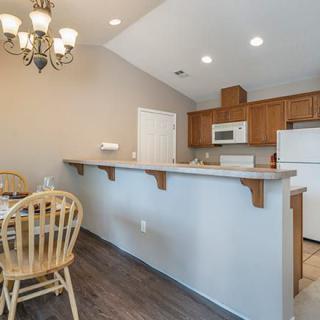
  • Kitchenette KitchenetteKitchenettes are important for seniors living in senior living communities because they provide the convenience and independence of being able to prepare simple meals and snacks in the comfort of their own living space. This can help promote a sense of autonomy and well-being for seniors, allowing them to maintain some level of control over their dietary choices and daily routines.
  • Move-in coordination Move-in coordinationMove-in coordination is important for seniors because it helps ease the transition into their new living environment. It ensures that all logistics, such as packing, organizing movers, and setting up utilities are taken care of, allowing seniors to focus on settling in and adjusting to their new home. Having a smooth move-in process can alleviate stress and anxiety, making the transition smoother and more enjoyable for seniors.
  • Outdoor space Outdoor spaceOutdoor spaces are important for seniors as they provide opportunities for physical activity, social interaction, exposure to natural light and fresh air, and a sense of connection to nature. Having access to outdoor spaces can improve overall well-being and quality of life for older adults living in senior communities.
  • Restaurant-style dining Restaurant-style diningRestaurant-style dining is important for seniors because it allows them to enjoy delicious, nutritious meals in a social and upscale setting. This enhances their dining experience, promotes healthy eating habits, and fosters socialization with fellow residents, ultimately contributing to their overall well-being and quality of life.
  • Small library Small librarySmall libraries are important for seniors as they provide access to a variety of reading materials, including books, newspapers, and magazines. This can help stimulate their minds, keep them engaged, and provide a sense of community through book clubs and other social activities. Additionally, reading has been shown to improve cognitive function and overall mental well-being in older adults.
  • Telephone TelephoneTelephones are important for seniors as they provide a lifeline for communication with loved ones, emergency services, and healthcare providers. They offer a sense of security and independence, enabling seniors to stay connected and access assistance when needed.
  • Wi-Fi/high-speed internet available Wi-Fi/high-speed internet availableWi-Fi/high-speed internet is important for seniors to stay connected with loved ones, access online resources, and participate in virtual activities to combat feelings of loneliness and isolation. It also allows them to easily manage healthcare needs, access entertainment, and engage in lifelong learning opportunities.

Transportation

  • Portland International (23 miles away) Portland International (23 miles away)

Care Services

  • 24-hour call system 24-hour call system24-hour call systems are important for seniors because they provide peace of mind and immediate assistance in case of emergencies. This technology ensures that help is always available, promoting safety and security for elderly individuals living alone or in assisted living facilities.
  • 24-hour supervision 24-hour supervision24-hour supervision is important for seniors to ensure their safety, well-being, and access to immediate assistance in case of emergencies or health issues. This constant support provides peace of mind for both seniors and their loved ones, allowing them to age in place with dignity and security.
  • Activities of daily living assistance Activities of daily living assistanceActivities of daily living assistance are important for seniors because they provide essential support with tasks such as eating, bathing, dressing, and mobility. This assistance helps seniors maintain their independence, dignity, and overall quality of life as they age.
  • Assistance with bathing Assistance with bathingAssistance with bathing is crucial for seniors as it helps maintain personal hygiene, prevents infections, and ensures their overall well-being and comfort. It also provides a sense of dignity and independence for seniors who may struggle with this task on their own.
  • Assistance with dressing Assistance with dressingAssistance with dressing is important for seniors because it helps maintain their independence, promotes personal hygiene, prevents accidents and injuries, and improves overall quality of life. This service ensures that seniors can continue to dress comfortably and confidently, despite any physical limitations they may have.
  • Assistance with transfers Assistance with transfersAssistance with transfers is crucial for seniors as it helps prevent falls and injuries, maintains their independence, and ensures they can safely navigate their living environment. It also provides peace of mind for both seniors and their loved ones.
  • Diabetes diet Diabetes dietA diabetes diet is crucial for seniors as it helps manage blood sugar levels, reduce risks of complications, and improve overall health and well-being. By following a balanced and nutritious diet tailored to their specific needs, seniors can better control their diabetes and enhance their quality of life.
  • Meal preparation and service Meal preparation and serviceMeal preparation and service are crucial for seniors as they may have limited mobility or energy to cook nutritious meals. Having access to healthy and convenient food options can ensure they are getting the proper nutrition needed to maintain their overall health and well-being.
  • Medication management Medication managementMedication management is crucial for seniors to ensure they are taking the right medications at the correct dosages and times. This helps prevent adverse drug interactions, reduces the risk of medication errors, and promotes overall health and well-being. Proactive management also allows for adjustments as needed based on changing health conditions or new prescriptions.
  • Mental wellness program Mental wellness programMental wellness programs are essential for seniors as they promote cognitive stimulation, emotional support, and social engagement. These programs help prevent isolation, depression, and cognitive decline, ultimately enhancing the overall quality of life for older adults.
  • Mild cognitive impairment Mild cognitive impairment"Mild cognitive impairment" is important for seniors because it is an early stage of cognitive decline that can potentially progress to more severe conditions such as dementia. Recognizing and addressing mild cognitive impairment can help seniors receive appropriate care and support to maintain their quality of life and independence for as long as possible.
  • Special dietary restrictions Special dietary restrictionsSpecial dietary restrictions are important for seniors because age-related changes in metabolism and health conditions can make it difficult for their bodies to process certain foods. By following a diet tailored to their specific needs, seniors can maintain their overall health and well-being, manage chronic conditions, and reduce the risk of complications such as malnutrition or food interactions with medications.
  • Specialized memory care programming Specialized memory care programmingSpecialized memory care programming is crucial for seniors with cognitive impairments such as dementia or Alzheimer's disease. These programs provide a safe and supportive environment tailored to the unique needs of individuals with memory loss, helping them maintain their independence, dignity, and quality of life.

Dining

  • Diabetes diet Diabetes dietA diabetes diet is crucial for seniors as it helps manage blood sugar levels, reduce risks of complications, and improve overall health and well-being. By following a balanced and nutritious diet tailored to their specific needs, seniors can better control their diabetes and enhance their quality of life.
  • Special dietary restrictions Special dietary restrictionsSpecial dietary restrictions are important for seniors because age-related changes in metabolism and health conditions can make it difficult for their bodies to process certain foods. By following a diet tailored to their specific needs, seniors can maintain their overall health and well-being, manage chronic conditions, and reduce the risk of complications such as malnutrition or food interactions with medications.

Activities

  • Community-sponsored activities Community-sponsored activitiesCommunity-sponsored activities are important for seniors as they provide opportunities for social interaction, mental stimulation, and physical activity. These activities can help improve overall well-being, combat loneliness and isolation, and promote a sense of belonging and purpose among older adults.
  • Resident-run activities Resident-run activitiesResident-run activities are important for seniors as they encourage social interaction, creativity, and a sense of autonomy. These activities empower seniors to stay engaged and active in their community while fostering meaningful connections with their peers.
  • Scheduled daily activities Scheduled daily activitiesScheduled daily activities are important for seniors because they provide structure, socialization, mental stimulation, and physical activity. Engaging in regular activities can improve overall well-being and quality of life for seniors living in a community setting.

Description

Woodland Care Center is an assisted living community located in Woodland, WA. We specialize in providing memory care and skilled nursing services to ensure that all residents receive the support and care they need.

Our community offers a range of amenities to enhance the quality of life for our residents. Each room is fully furnished and equipped with cable or satellite TV, telephone, and Wi-Fi/high-speed internet access. Our common areas include a dining room where residents can enjoy delicious meals prepared by our staff in a restaurant-style setting. Additionally, we have a small library and outdoor spaces where residents can relax and engage in activities.

At Woodland Care Center, we provide 24-hour supervision to ensure the safety and well-being of all our residents. Our dedicated staff assists with activities of daily living such as bathing, dressing, and transfers. We also offer medication management services to ensure that each resident receives proper dosage at the right time. We have a mental wellness program in place to address the specific needs of individuals with mild cognitive impairment.

Dietary needs are taken care of with special dietary restrictions available upon request, including diabetes diets. Our kitchenette allows residents to prepare light snacks or drinks whenever desired. In terms of activities, we offer resident-run activities as well as scheduled daily activities to keep everyone engaged and entertained.

In terms of convenience, we are situated close to various amenities in the area. There are parks nearby for outdoor recreation, multiple pharmacies for easy access to medications, physicians' offices for regular check-ups, restaurants for dining options outside our premises, and hospitals nearby for any medical emergencies.

Woodland Care Center is committed to providing personalized care that promotes independence and enhances the overall well-being of our residents. Come join us at our assisted living community where you will find comfort, support, and a vibrant social environment.

Nearby Places of Interest

This area of Woodland, Washington offers a variety of amenities that cater to senior living. With multiple hospitals and physicians in close proximity, residents can easily access healthcare services. Additionally, there are several pharmacies nearby for convenient medication management. For leisure activities, there are parks where seniors can enjoy nature walks and outdoor activities. There are also cafes and restaurants for socializing with friends and family. The presence of places of worship provides spiritual support, while transportation options like the Southwest Washington Regional Airport ensure easy travel when needed. Overall, this neighborhood provides a well-rounded environment for seniors looking to settle in the Woodland area.

Hospitals

  • Stacie Crochet, LICSW, BCD, SAP (0.2 miles)
  • Salmon Legacy Creek Hospital (13.3 miles)
  • HCR ManorCare (13.4 miles)

Physicians

  • Family Health Center (0.8 miles)
  • Vancouver Clinic | Heron Gate (6.5 miles)
  • Ridgefield Family Medicine (7.4 miles)
  • Magic Smiles: Philbert C. Doleac, Jr DDS Pc (11.5 miles)
  • Family Vision of Oregon (12.3 miles)
  • The Vancouver Clinic (12.4 miles)
  • Great West Family Care PC (12.8 miles)

Restaurants

  • McDonald's (0.8 miles)
  • Dockside Steak & Pasta (3.5 miles)
  • Gouger Cellars Winery (7.3 miles)
  • Warren Country Inn (7.5 miles)
  • Three Brothers Vineyard and Winery (8.7 miles)
  • MOD Pizza (13.1 miles)
  • Happy Family Restaurant (13.4 miles)

Pharmacies

  • Hi-School Pharmacy (0.8 miles)
  • The Healing Connection (1.8 miles)
  • Columbia River Natural Medicine (3.4 miles)
  • Semlings Pharmacy (4.2 miles)
  • Rite Aid (5.2 miles)
  • Safeway Food & Drug (5.2 miles)
  • Hi-School Pharmacy (11.9 miles)

Parks

  • Paradise Point State Park (2.7 miles)
  • Davis Park (5.7 miles)
  • Daybreak Park (9.8 miles)
  • Trojan Park (11.4 miles)
  • Lewisville Park (11.5 miles)
  • Fairgrounds Community Park (11.5 miles)
  • McConnell Park (11.9 miles)

Cafes

  • Island Cove Cafe & Market (10.4 miles)
  • Starbucks (12 miles)
  • Dutch Bros Coffee (12.6 miles)
  • Blackrock Coffee (13.4 miles)
  • Dutch Bros Coffee (14.8 miles)
  • Dutch Bros Coffee (16.1 miles)
  • Panera Bread (16.1 miles)

Places of Worship

  • Word of Grace Bible Church (12.3 miles)
  • Battle Ground United Methodist Church (12.7 miles)
  • Church of God of Prophecy (17.7 miles)
  • Shekinah Christian Center (18 miles)
  • New and Living Way Church (18.1 miles)
  • East Kelso Baptist Church (18.1 miles)

Transportation

  • Southwest Washington Regional Airport KLS (17.2 miles)

Frequently Asked Questions

Where is Woodland Care Center?
Does Woodland Care Center provide care for residents with dementia or Alzheimer's disease?
What photos are available for Woodland Care Center in Woodland, Washington?

Nearby Communities

  • Woodland Assisted Living

    Woodland Assisted Living

    Woodland, WA

    4.4 from 63 reviews
    $2,843 / month

    pro Caring and attentive staff providing high-quality resident care.

  • Conteh Care AFH

    Conteh Care AFH

    Woodland, WA

    4.2 from 5 reviews
     

    pro Convenient location with access to parks, pharmacies, physicians, restaurants, and a hospital.

  • Thanksgiving House

    Thanksgiving House

    St. Helens, OR

    5 from 4 reviews
     

    pro Small, personalized board-and-care with 24-hour supervision, ADL support, meals, medication management, and convenient access to nearby medical services and amenities.

  • Spring Meadows Assisted Living Facility

    Spring Meadows Assisted Living Facility

    St Helens, OR

    3.7 from 12 reviews
     

    pro Friendly staff and a home-like atmosphere with engaging activities.

  • Spring Meadows

    Spring Meadows

    St. Helens, OR

    3.5 from 10 reviews
    $2,265 to $2,530 / month

    pro Beautiful, accessible facility with pleasant gardens and engaging activities.

  • Columbia Hills Retirement Ctr

    Columbia Hills Retirement Ctr

    St. Helens, OR

    4 from 1 review
     

    pro Close to parks, hospital, pharmacies, and dining options.

  • Dayspring Memory Care

    Dayspring Memory Care

    Vancouver, WA

    4.4 from 5 reviews
    $6,500 to $6,800 / month

    pro Spacious rooms with a warm, engaging staff and a strong sense of community.

  • Brookdale Rose Valley Scappoose

    Brookdale Rose Valley Scappoose

    Scappoose, OR

    4.2 from 46 reviews
    $4,365 to $6,465 / month

    pro Caring staff and engaging activities.

  • Brookfield Health and Rehab

    Brookfield Health and Rehab

    Battle Ground, WA

    3.7 from 46 reviews
     

    pro Memory care and skilled nursing with compassionate staff; convenient access to parks, pharmacies, and doctors.

Related Resources

  • va nursing homeComprehensive Guide to VA Nursing Homes: A Crucial Long-Term Care Resource for Veterans

    VA nursing homes, or Community Living Centers (CLCs), offer tailored long-term care for veterans, featuring medical attention and rehabilitation in a supportive environment. The guide covers facility types, eligibility criteria, financial assistance options, quality of care standards, and alternatives to full-time nursing home placement.

  • in home dementia care costsEstimating the Expenses of At-Home Dementia Care: A Detailed Exploration

    At-home dementia care expenses vary widely based on care levels, location, and caregiver expertise, with monthly costs for home health aides exceeding $4,500 and specialized care potentially surpassing $100,000 annually. While families favor in-home care for its comfort and personalized attention, they must consider financial planning and the challenges of caregiver fatigue.

  • end stage dementiaComprehensive Insights on the Late Stages of Dementia: What to Expect and How to Provide Care
    The article discusses the late stages of dementia, detailing the progression from mild to severe impairment and highlighting key characteristics such as profound cognitive decline and dependency in daily activities. It emphasizes care strategies focused on comfort and dignity, the importance of advance directives, and the emotional support needed for family caregivers facing this challenging journey.