



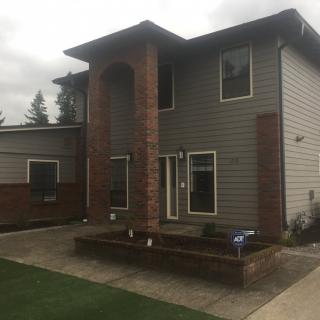


1712 NW 149th St, Vancouver, WA 98685
To contact a resident: (360) 726-6163
For more information about senior living options: (866) 208-4318
Dayspring Memory Care Costs & Pricing
Dayspring Memory Care offers various accommodations tailored for residents, with costs reflecting the specialized services provided in a supportive environment. The monthly fees for a one-bedroom unit and a private room are both $6,500, significantly higher than the average rates in Clark County and throughout Washington, which range from approximately $3,992 to $4,632. For those considering studio options, Dayspring's rate of $6,800 also exceeds local averages of around $3,882 to $4,126. While these prices may be steep compared to surrounding facilities, they reflect the enhanced care and comprehensive support that Dayspring Memory Care is dedicated to delivering for individuals with memory-related challenges.
| Floor plans | Dayspring Memory Care | Clark County | Washington |
|---|---|---|---|
| 1 Bedroom | $6,500 | $4,178 | $4,634 |
| Private | $6,500 | $3,992 | $4,774 |
| Studio | $6,800 | $3,882 | $4,128 |
Memory care communities with a similar price nearby
-
from -$500 / mo
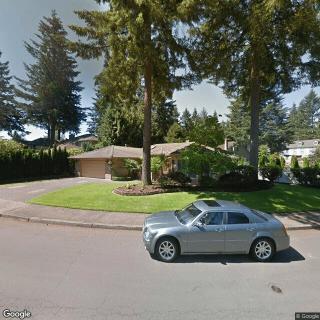
Magnolia Gardens Senior Care Home
$6,000 / month10.6 miles away -
from -$1000 / mo

Evergreen Quality Home
$5,500 / month2.5 miles away -
from -$360 / mo
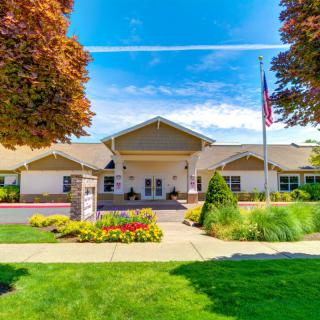
Rosewood Memory Care
$6,140 to $6,585 / month19.2 miles away -
from -$450 / mo

The Cottages Senior Living
$6,050 to $6,300 / month18.4 miles away -
from +$500 / mo
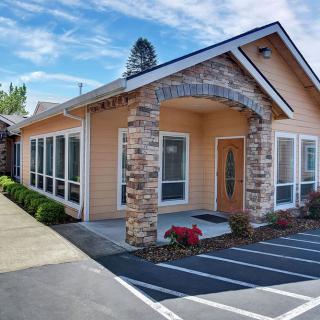
Tabor Crest 1
$7,000 / month16.3 miles away
Overall Review of Dayspring Memory Care
Pros
 The caregivers provided a personal tour and answered questions thoroughly.
- Their compassion and understanding were among the best.
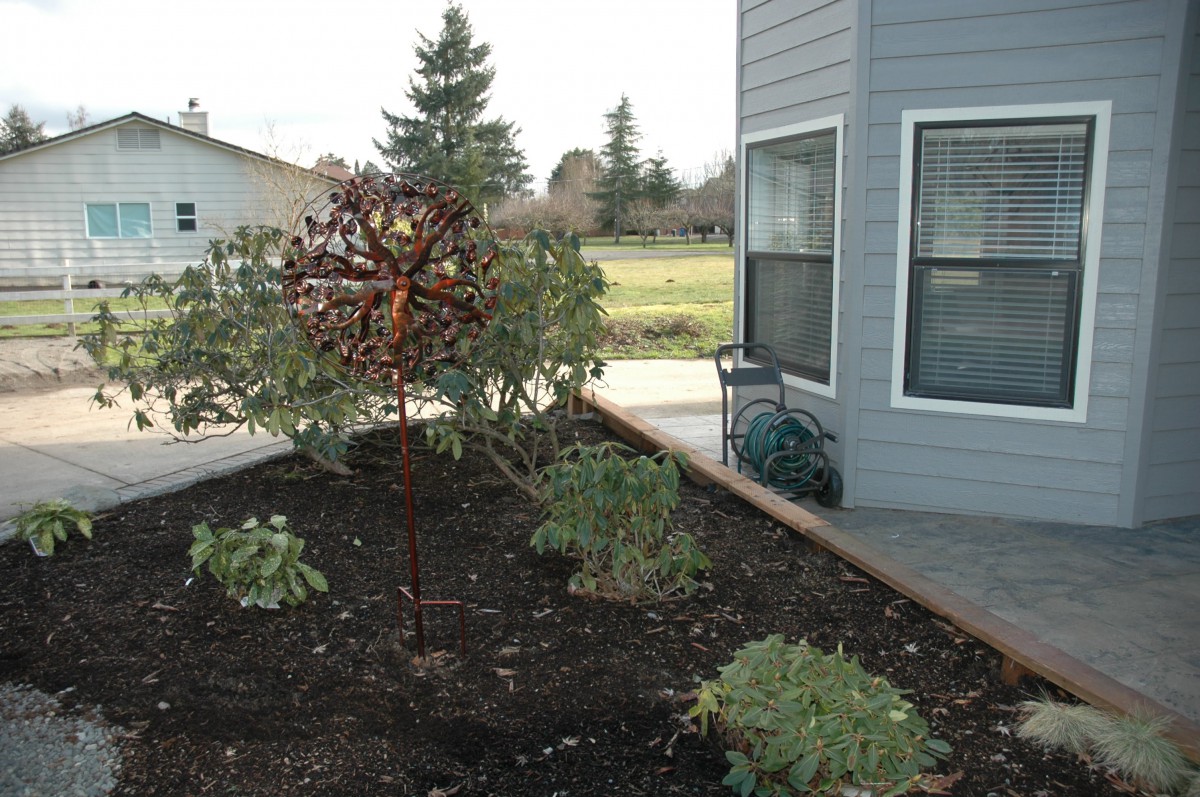
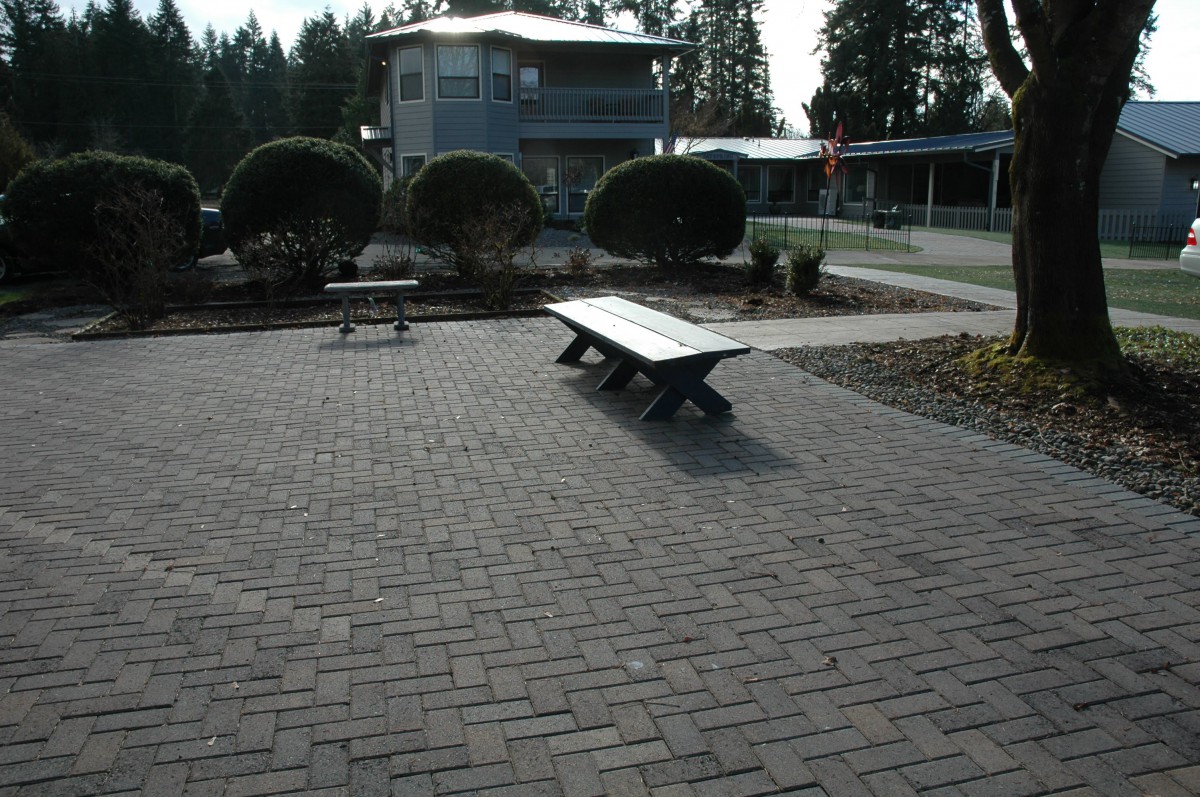
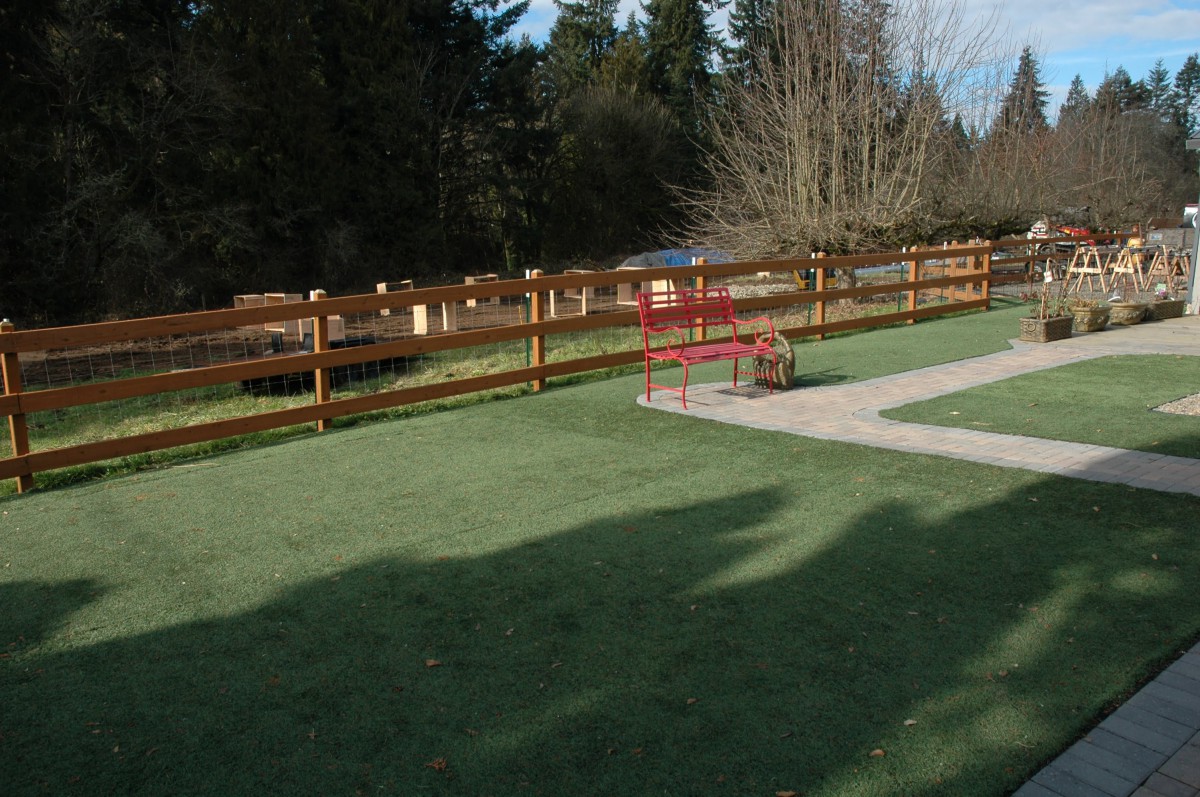
- The facility is absolutely beautiful.
- The staff are very friendly and professional.
- They feel like a second family.
- They went above and beyond in helping her get the best care anywhere.
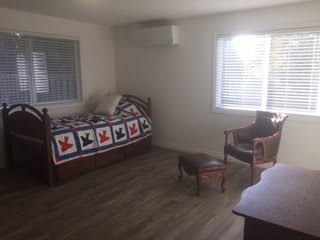
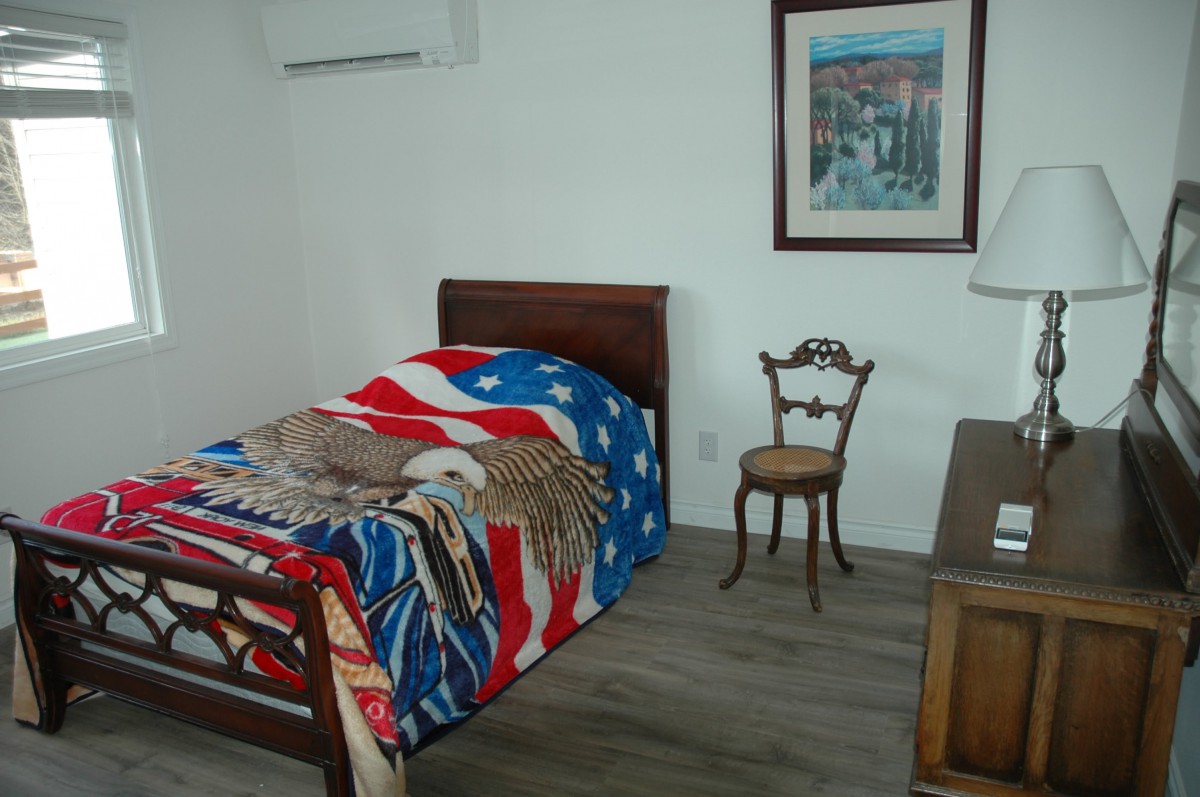
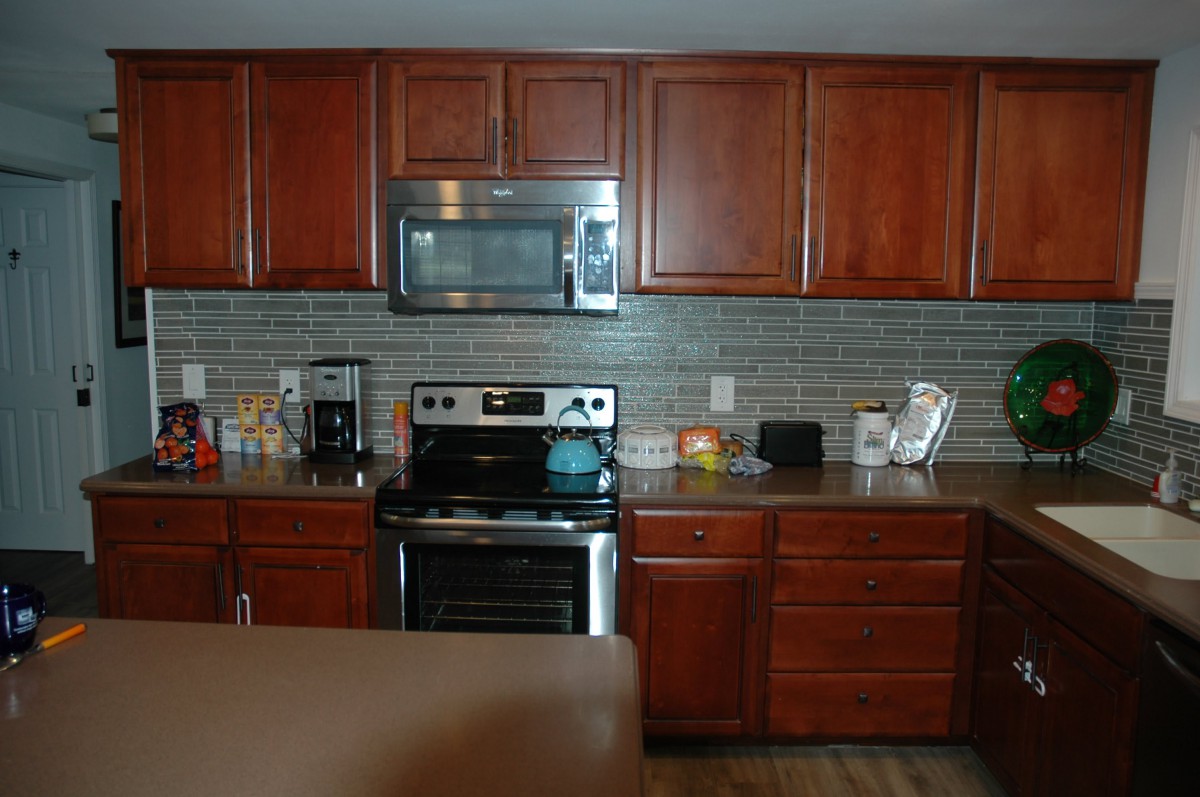
- The rooms are very large.
- Caregivers and residents are out and about and visible.
Cons
 The only negative noted was that they had called and left a voicemail but had not heard back after more than three days.
- The staff were distant and uninterested in helping families find a place for their mothers.
- They viewed the facility as a business and the staff as mere employees.
- That was not what they wanted for their mother who has dementia.
Review
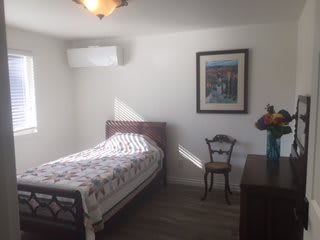
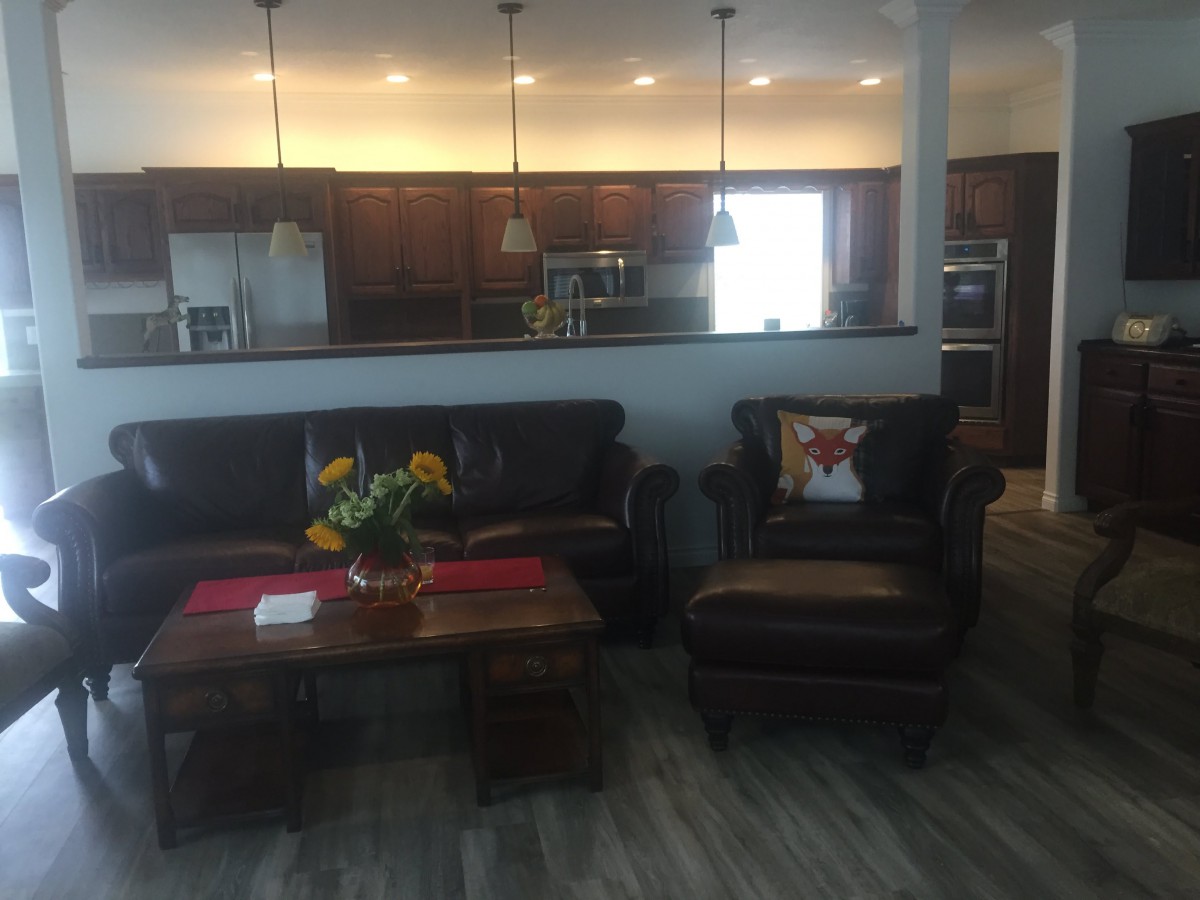
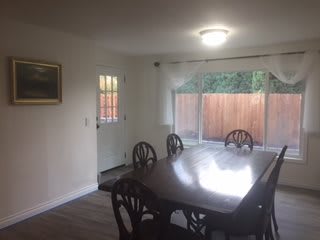
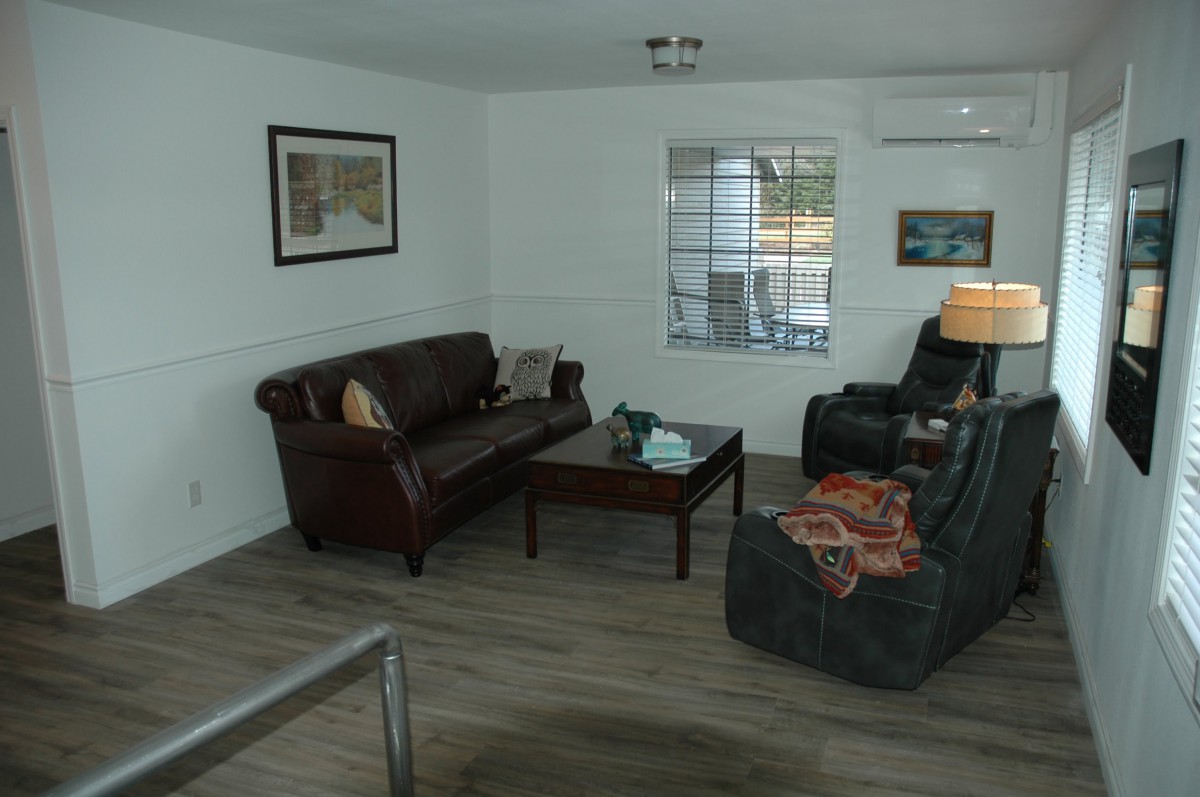
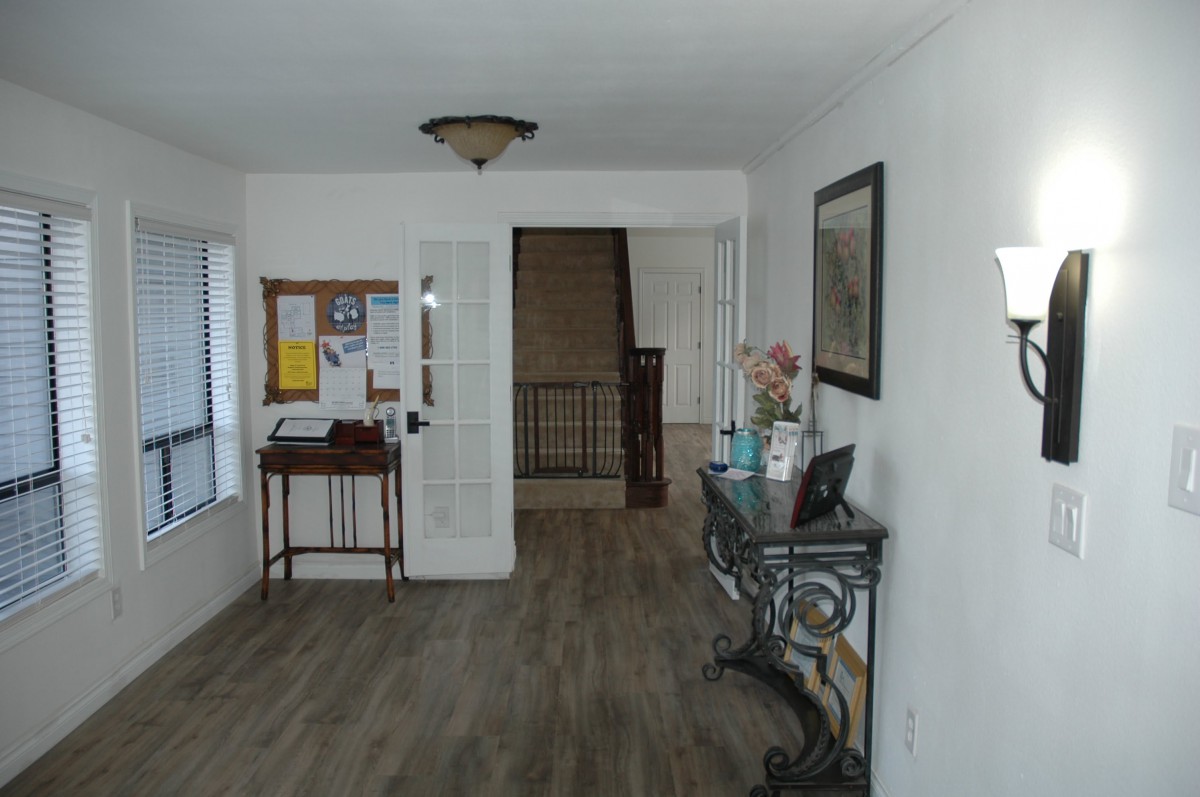
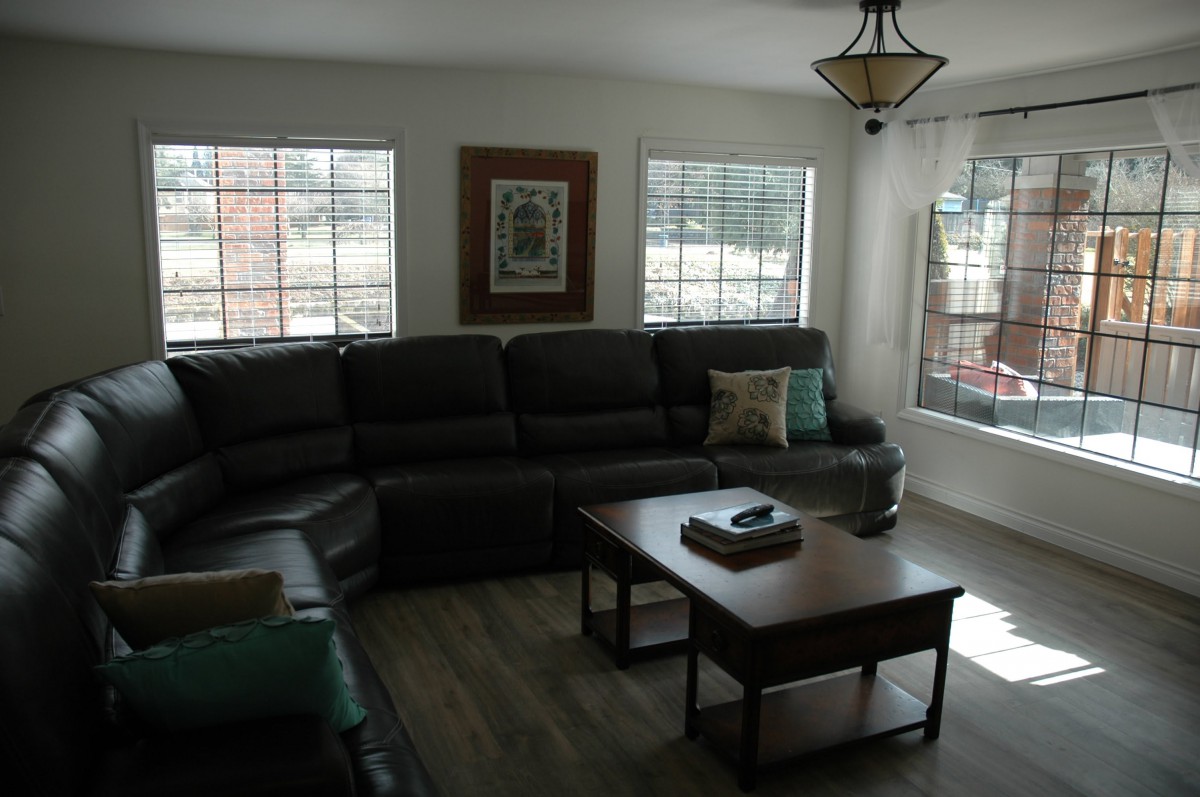
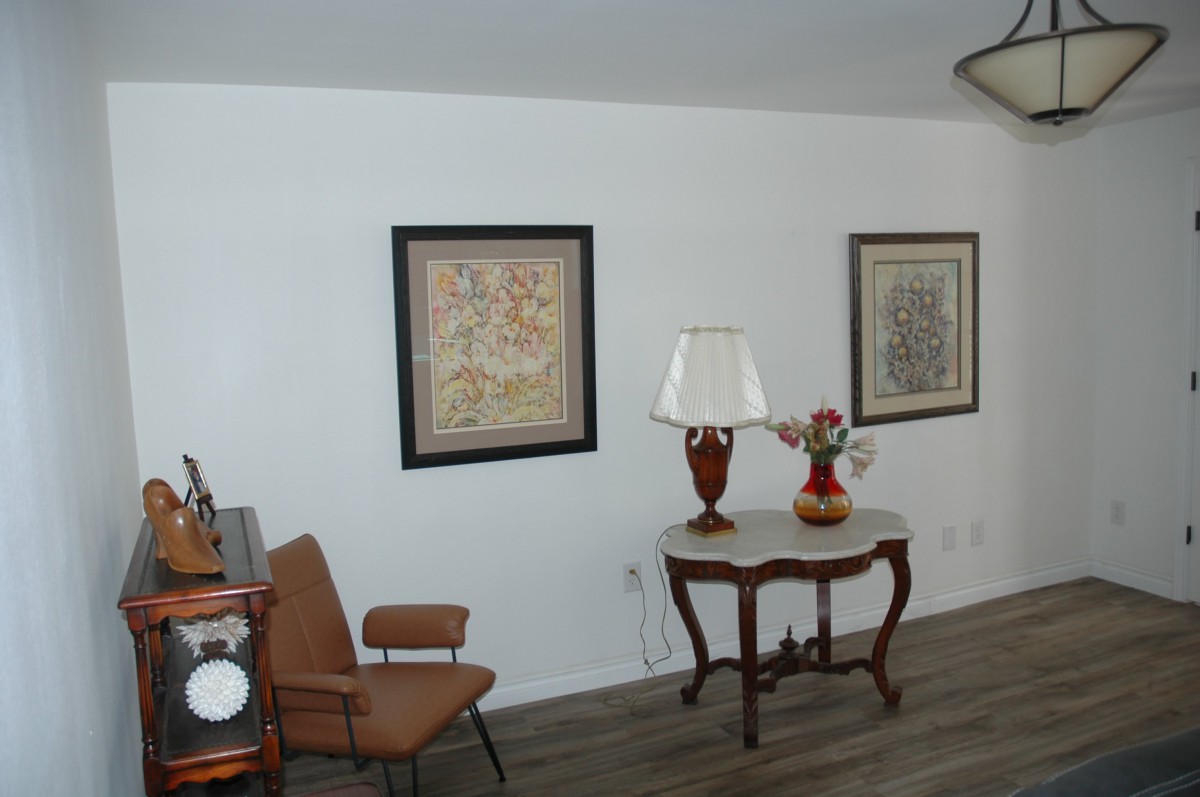
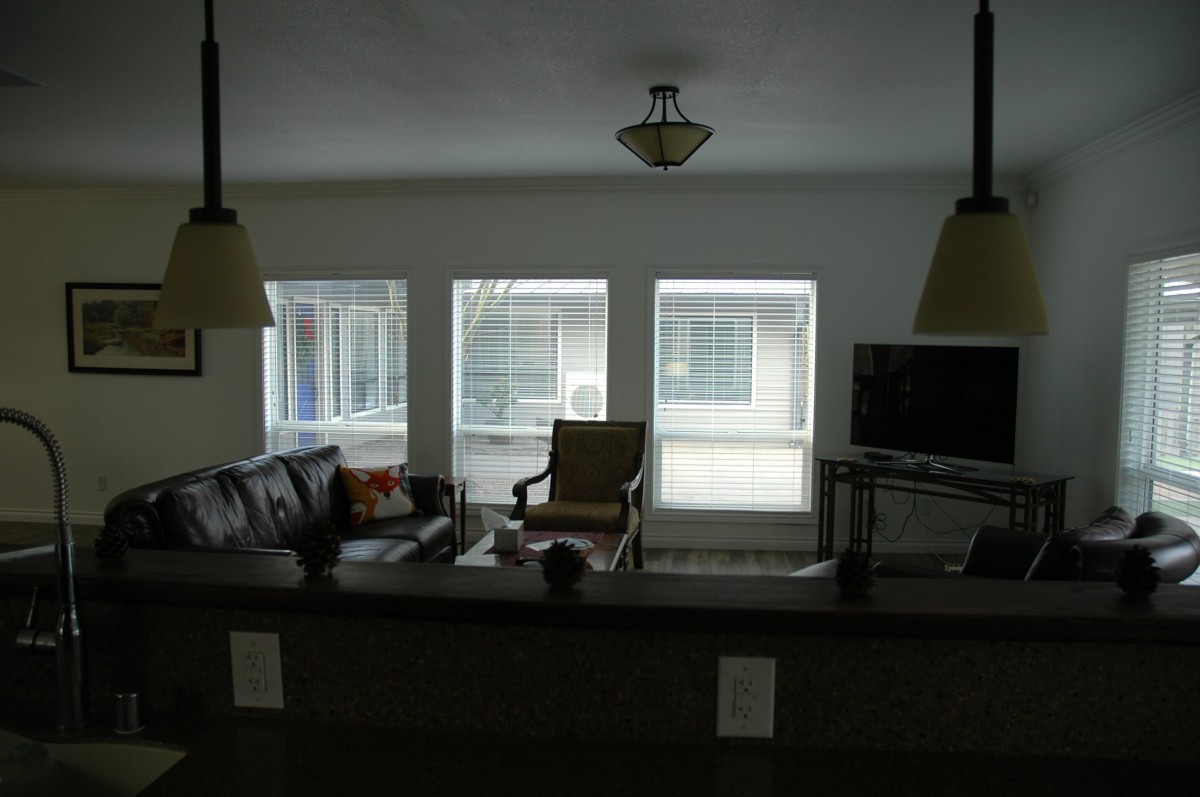
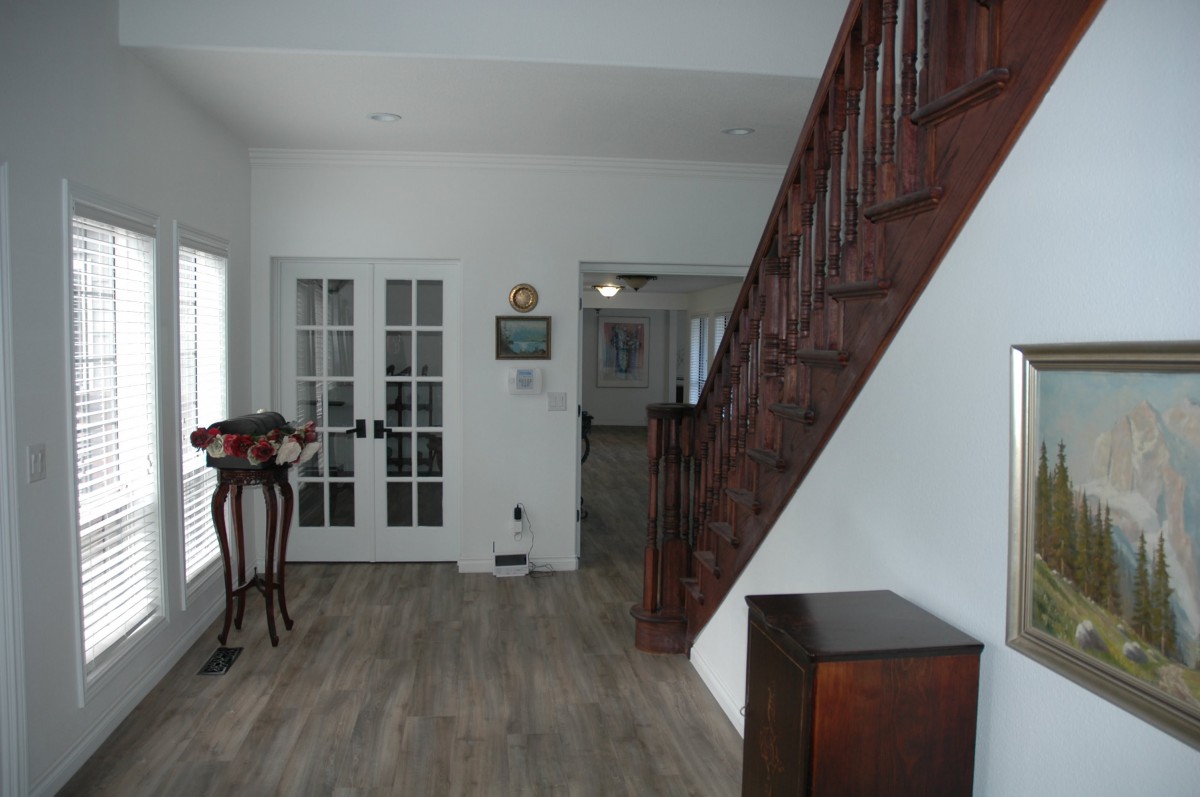
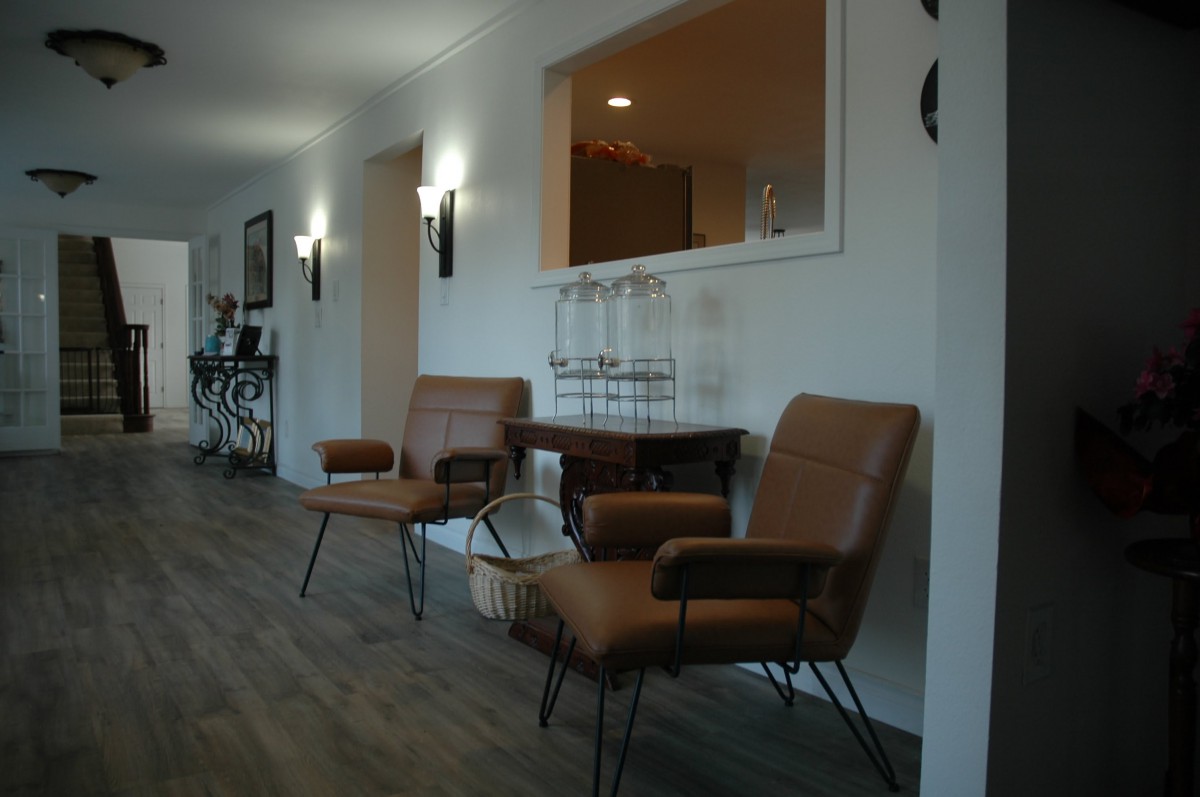
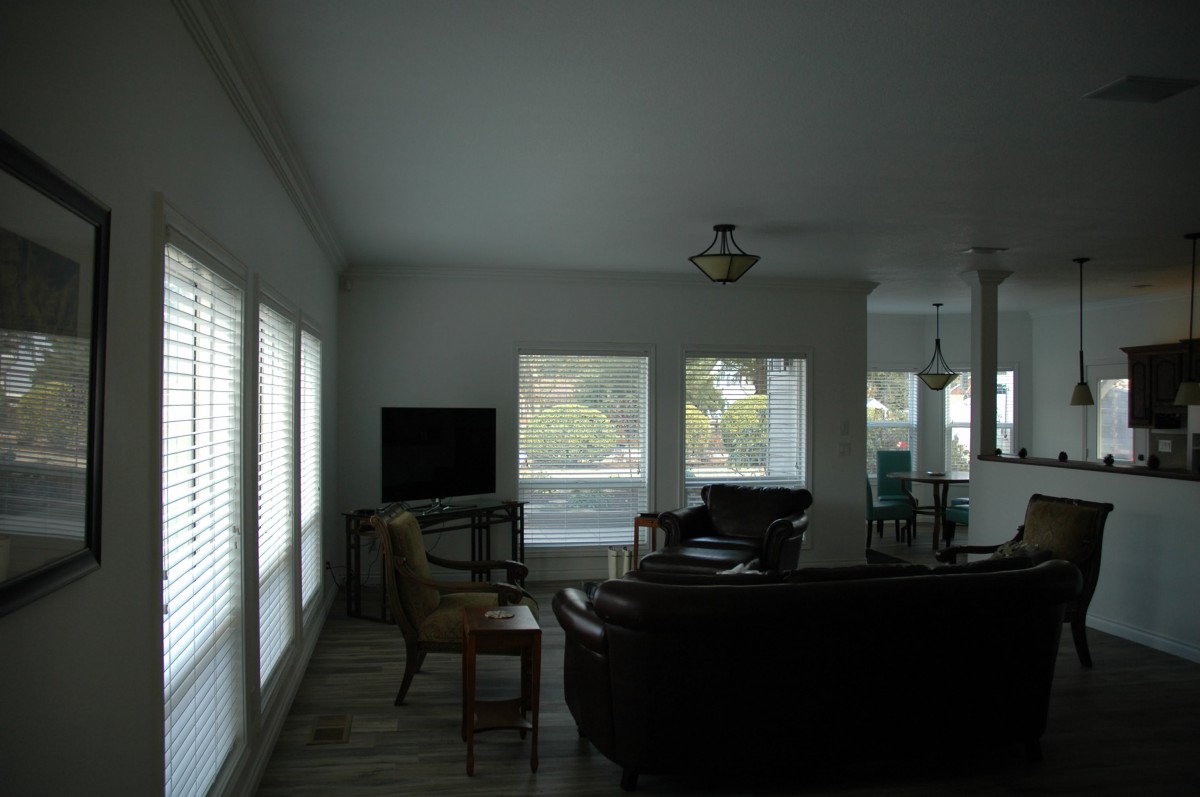
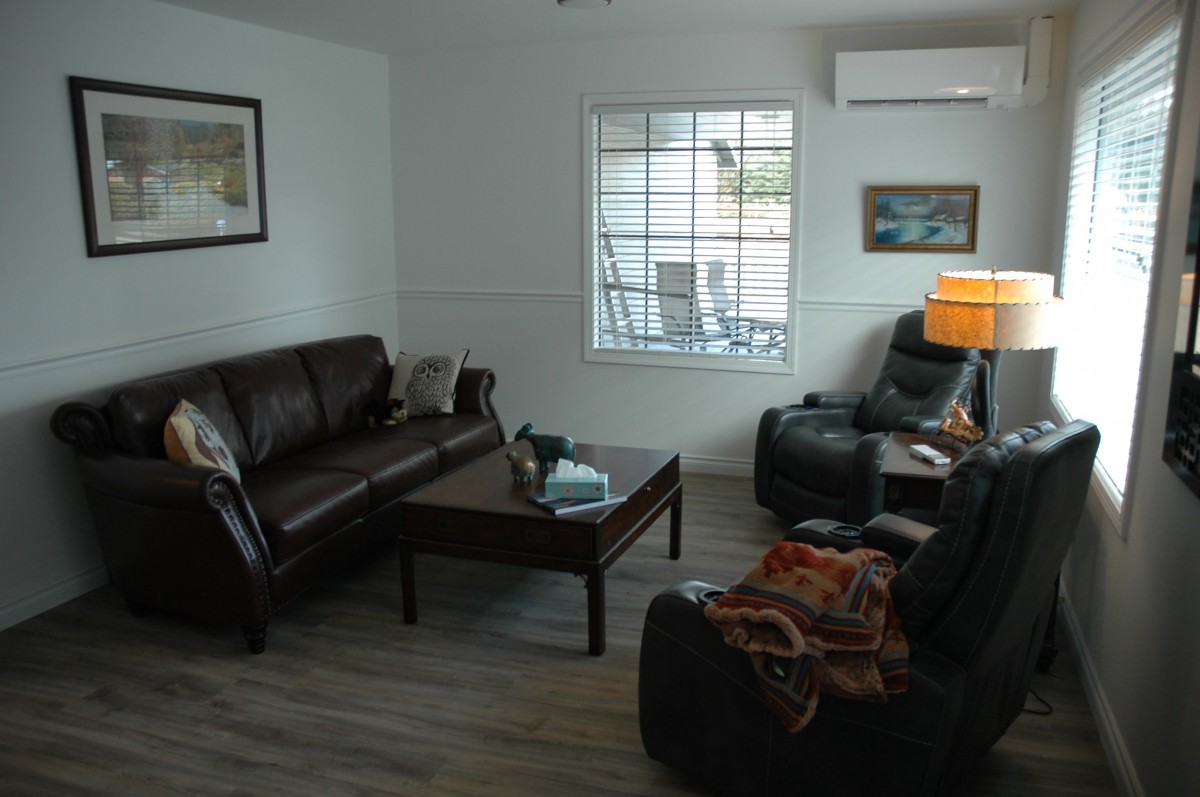
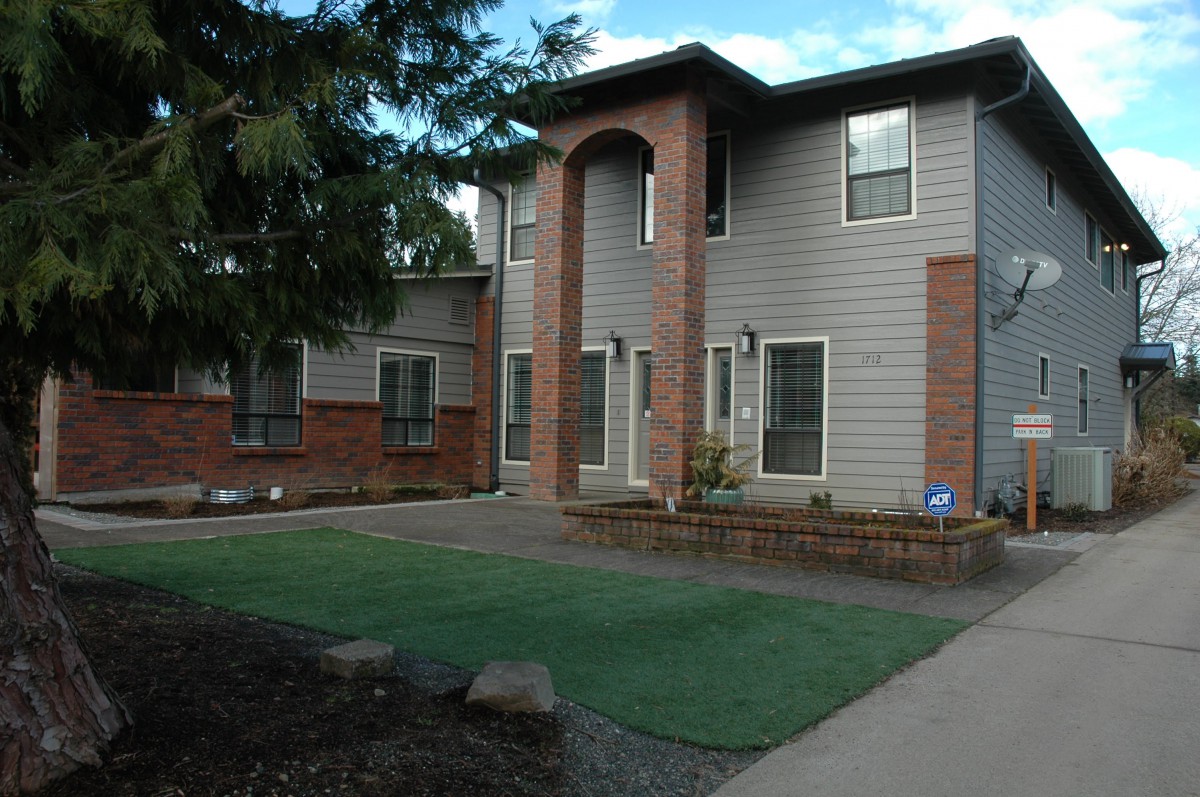
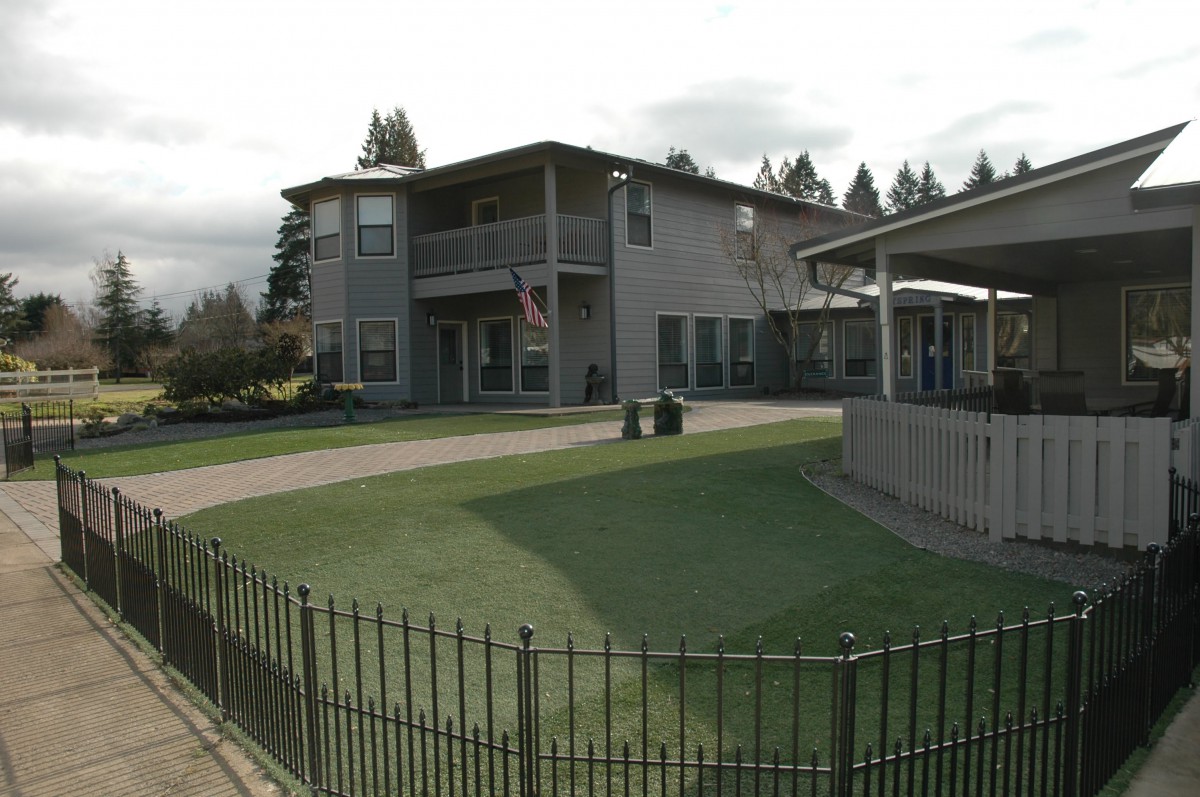
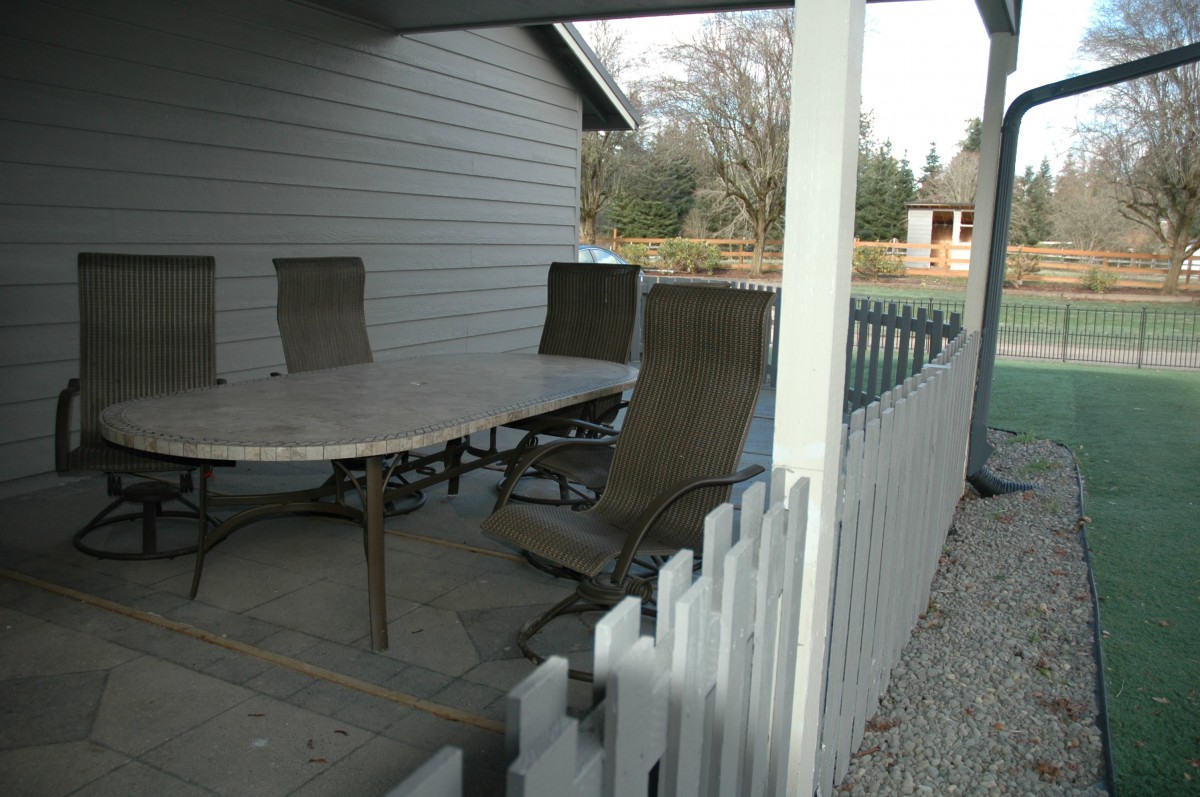
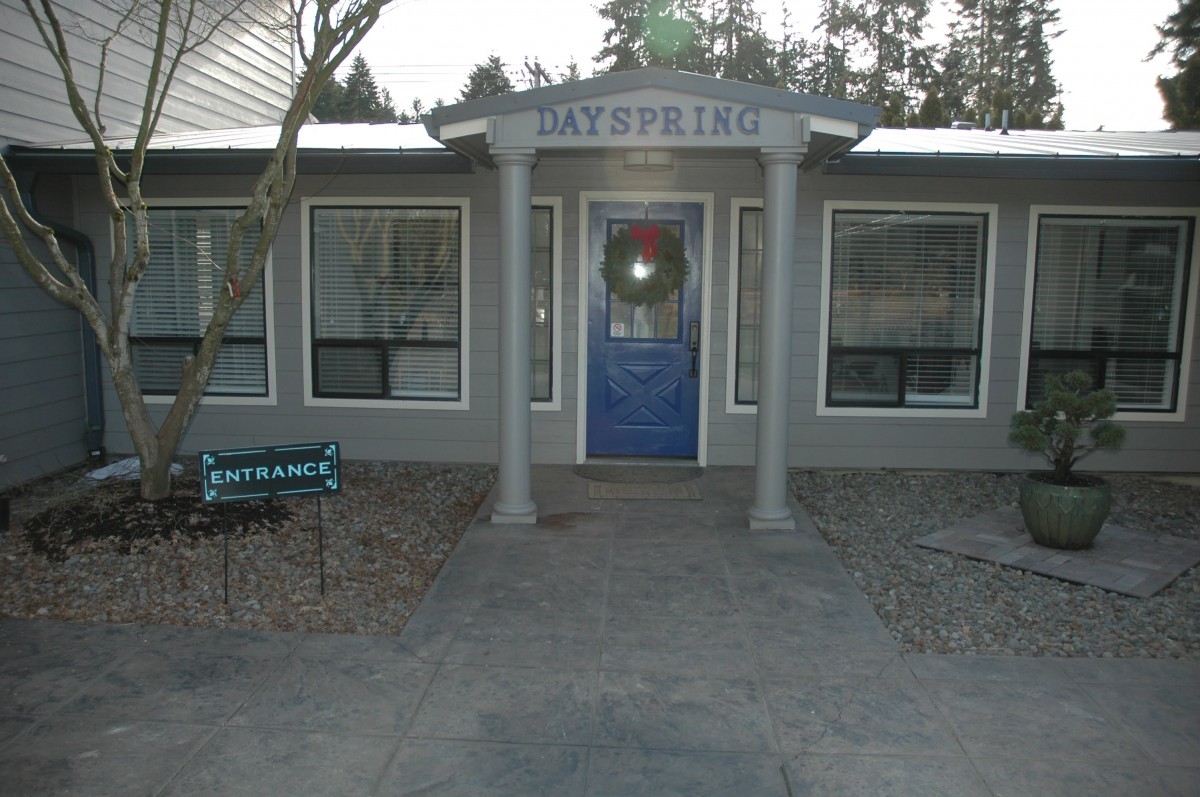
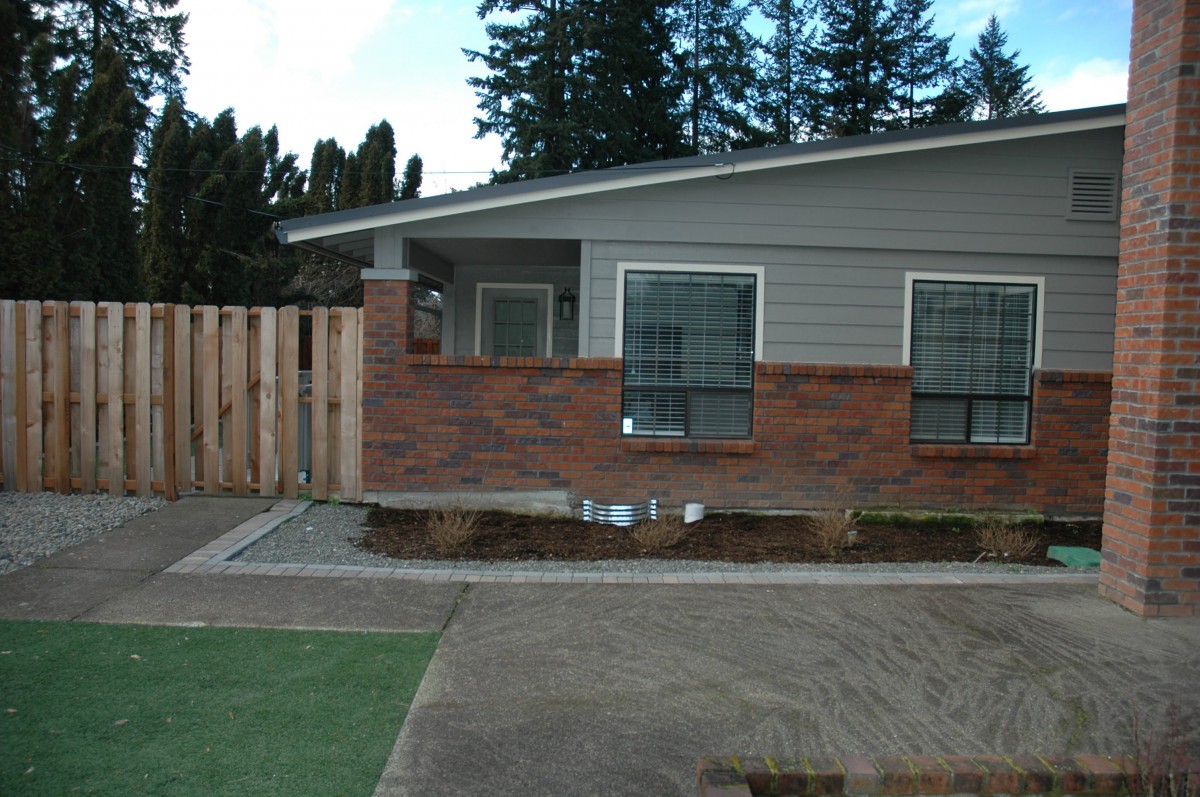
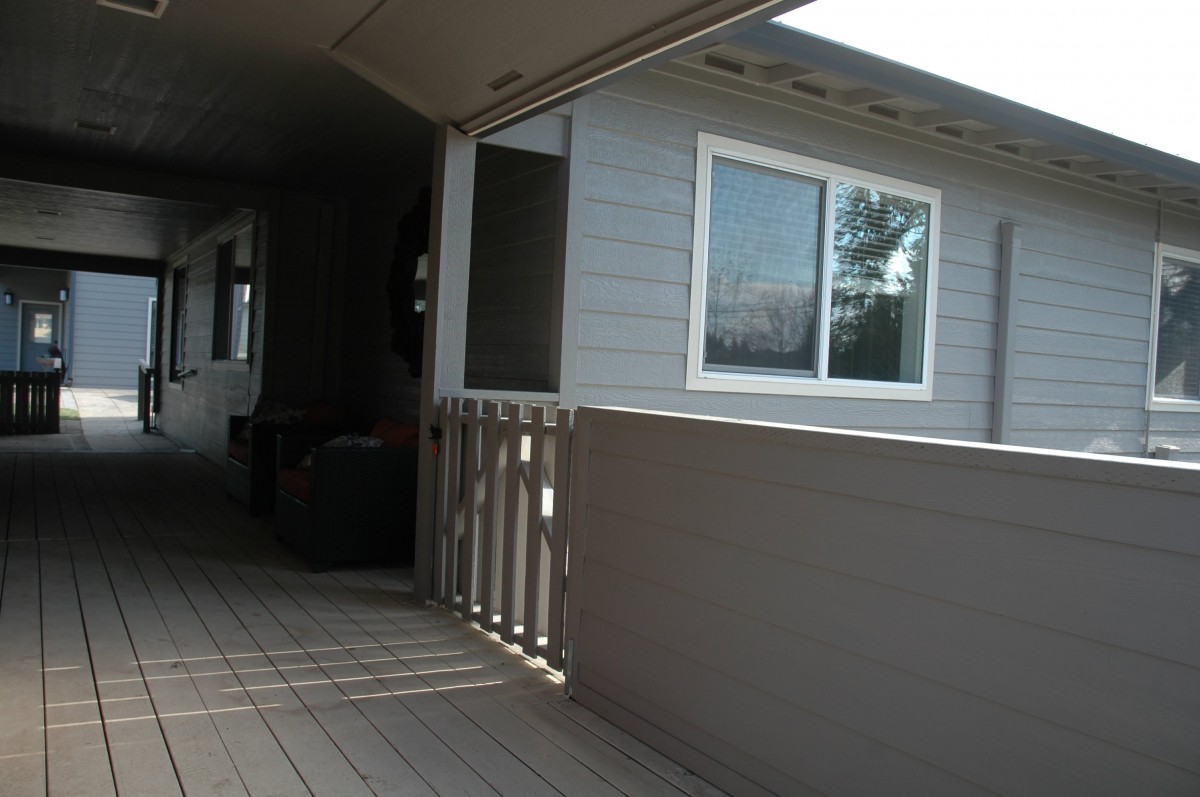
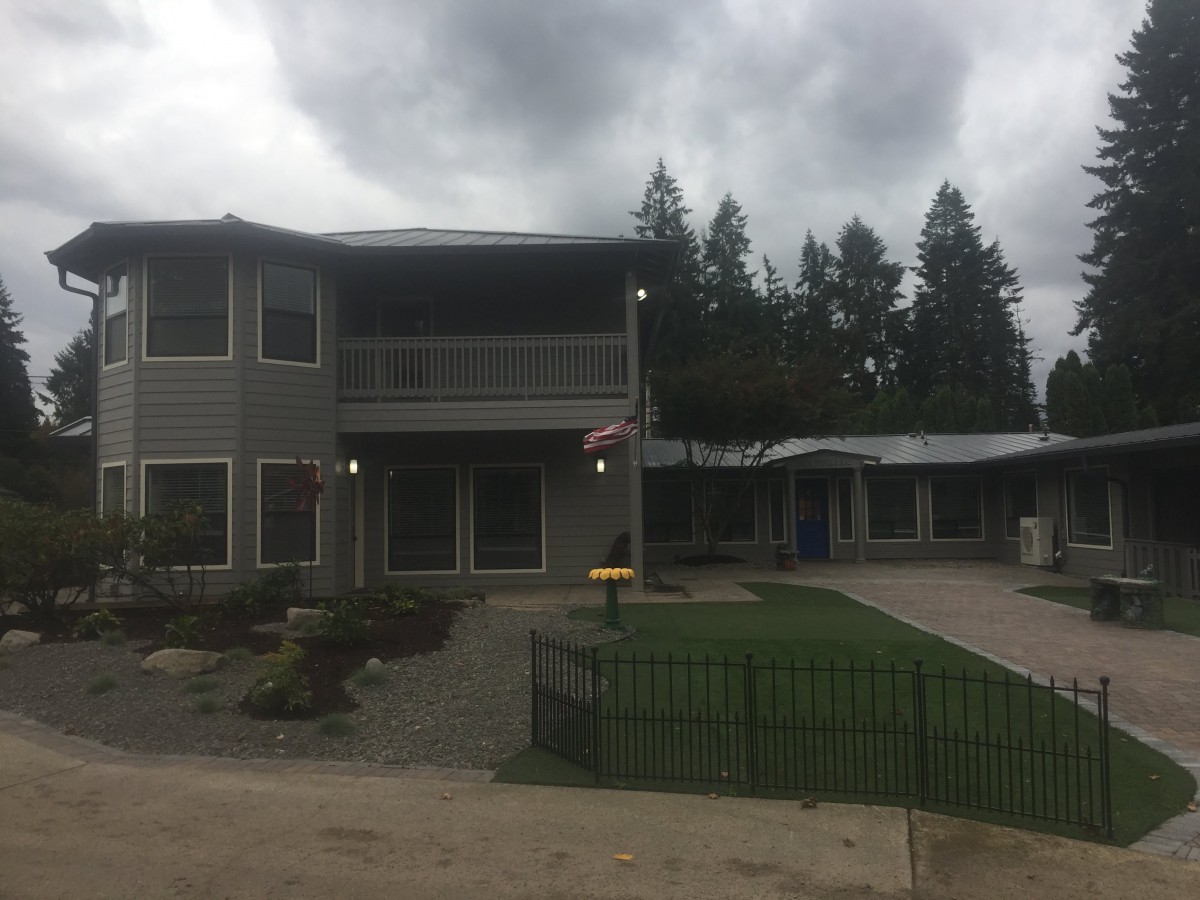
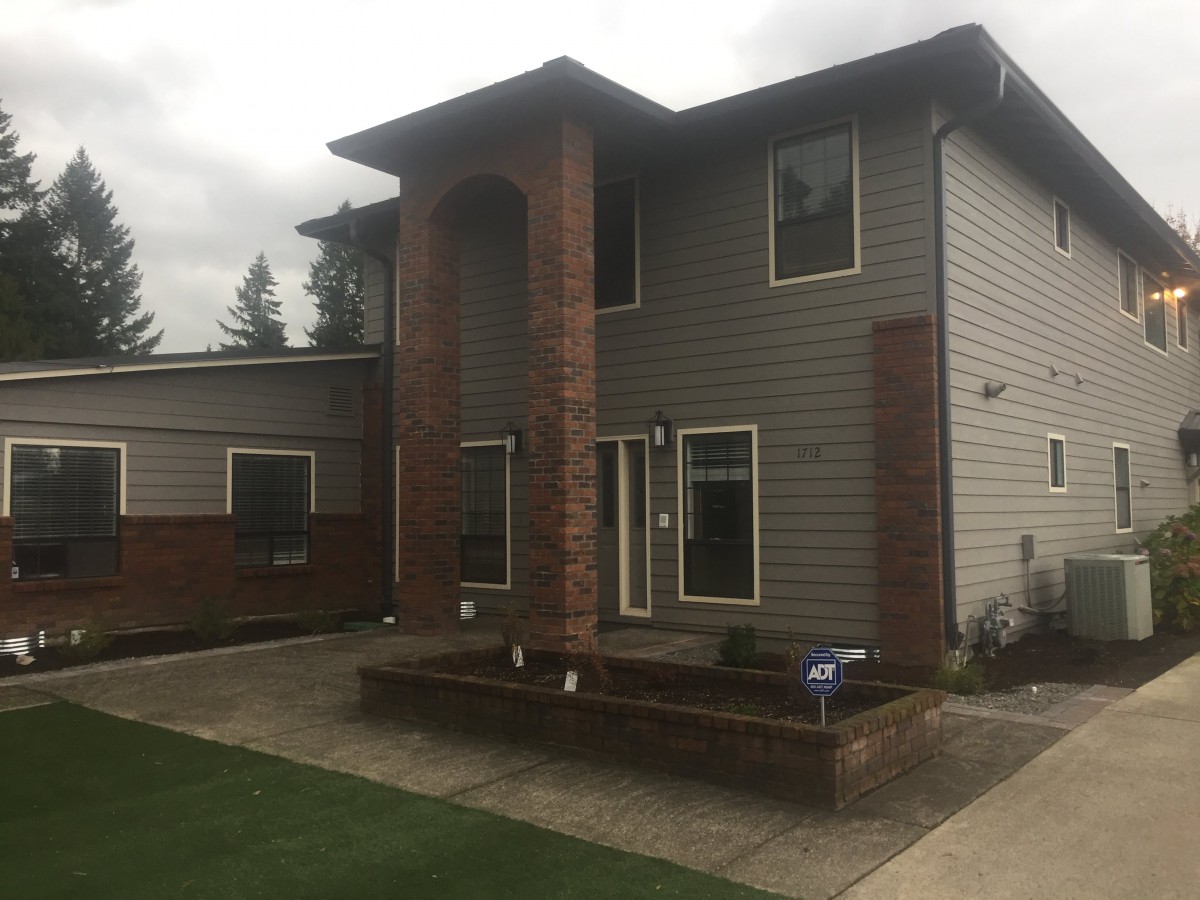
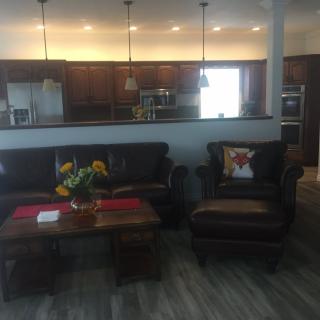
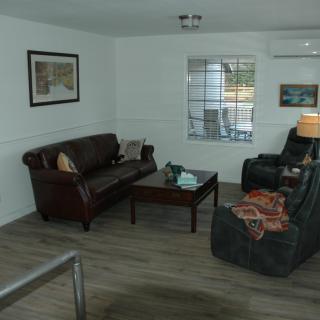
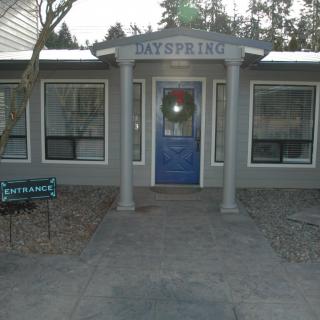
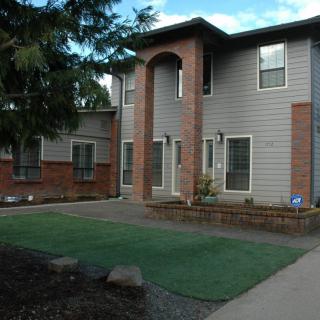
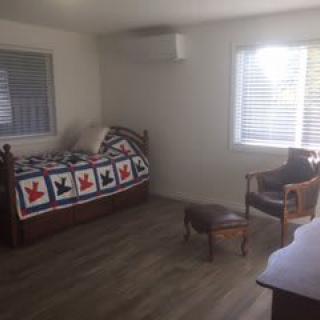
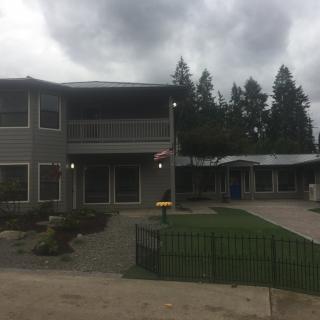
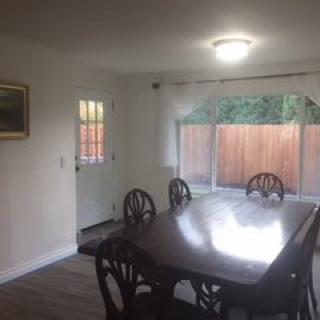
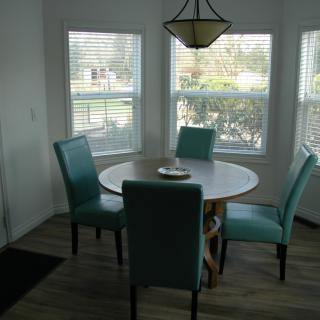
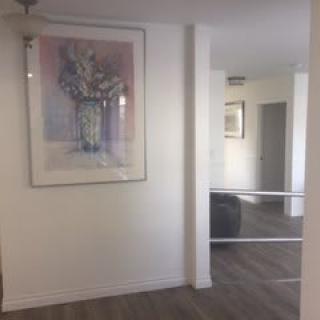
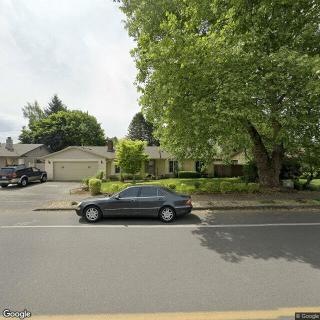
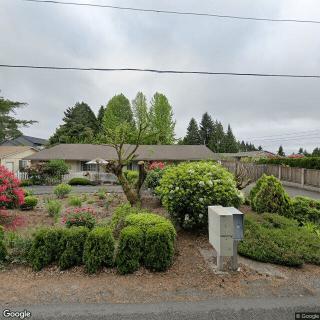
Dayspring Memory Care in Vancouver, Washington is best suited for families seeking a dementia-focused environment where care feels intimate, staff are visibly engaged, and residents are encouraged to stay active and connected. The setting is clearly home-like and aesthetically appealing, with large rooms that help reduce the sense of confinement. Caregivers are present and out in the open, and multiple encounters emphasize warmth and personal attention. Reviews repeatedly describe a "second family" feeling toward the staff, and families note that caregivers often go above and beyond to secure thoughtful, individualized care. For families who prioritize compassionate, hands-on support in a beautiful, resident-centered atmosphere, Dayspring stands out as a practical, reliable option.
That said, some prospective residents may want to consider alternatives if initial outreach and administrative responsiveness are non-negotiables. One reviewer encountered distant staff during the inquiry process, and another noted a delay in returning a voicemail, more than three days went by before a response. Those experiences matter, because the decision process for memory care often hinges on timely communication and a sense of proactive partnership with the facility. For families under time pressure or those who require an especially brisk intake experience, exploring other communities with a consistently responsive admissions process may be the prudent move.
The core strengths of Dayspring lie in the tangible care delivery and the atmosphere surrounding it. The caregiving team is described as compassionate, knowledgeable, and accessible, capable of answering questions thoroughly during tours and open to ongoing dialogue. The facility itself earns praise for beauty and professionalism, with staff portrayed as friendly and prepared to support families through the transition. The combination of visible care, personal attention, and an environment that feels like a supportive community helps families feel confident that their loved one will be treated with respect and attention to individual needs. In practice, these advantages often translate into smoother daily routines, more meaningful engagement for residents, and a sense of partnership for relatives.
However, the negatives highlighted by reviewers cannot be dismissed. The discrepancy between initial impressions and later experiences raises questions about consistency across shifts and departments. Distant or less engaged outreach at the front end suggests that first contact can be unreliable, which can complicate decisions for families who rely on proactive communication. These concerns do not negate the demonstrated quality of care once engagement occurs, but they do imply that consistency in communications should be confirmed before making a commitment. In short, Dayspring delivers strong day-to-day care and a warm culture, but ongoing, clear communication must be ensured from the outset.
For families weighing options, Dayspring’s story points toward a practical decision framework. If a loved one needs memory care that combines social activity, accessible caregiving, and a setting that feels like a true community, Dayspring offers compelling value. The large rooms and inviting ambience support dignity and independence, while the demonstrated compassion of the staff provides reassurance during difficult transitions. From a planning perspective, it is essential to tour with a focus on meeting frontline staff, observing how questions are handled, and establishing a reliable point of contact for ongoing updates. Ask to see care plans, caregiver-to-resident ratios, and daily schedules to gauge how the environment would function in daily life.
Ultimately, Dayspring Memory Care is not the obvious pick for every family, but it stands as a strong, practical option for those who prize genuine compassion, visible engagement, and a welcoming, home-like setting for a loved one with dementia. The positives, compassionate staff, engaging residents, and a beautiful, functional space, generally offset the reported front-end communication gaps when the team is engaged and responsive. Families willing to verify continuity of communication, request consistent follow-up, and maintain clear expectations will likely find Dayspring a trustworthy partner in care. For others, especially those who cannot tolerate inconsistent outreach, a careful comparison with alternatives remains essential before deciding.
 Board and Care Home
 Memory Care
 Cats allowed
 Dogs allowed
 Activities off-site
 Air-conditioning
 Beautician on-site
 Cable or satellite TV
 Devotional services off-site
 Indoor common areas
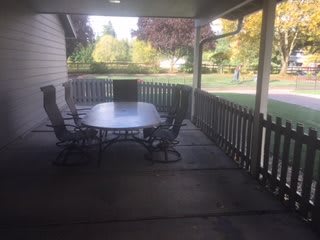
 Outdoor common areas
 Private
 Private bathrooms
 Respite or short term stays offered
 Wheelchair accessible showers
 Wi-Fi/high-speed internet available
 Portland International (11 miles away)
 Diabetic care
 High acuity care
 Incontinence care
 Medication management
 Gluten-free
 Art classes
 Cooking classes
 Day trips and outings
 Educational speakers / life long learning
 Live musical performances
 Live well programs
 Protestant services




 Comprehensive Insights on the Late Stages of Dementia: What to Expect and How to Provide Care
 Medications Associated with Dementia Risk: A Comprehensive Overview
 Guiding Your Journey: Understanding Power of Attorney for Elderly Parents