
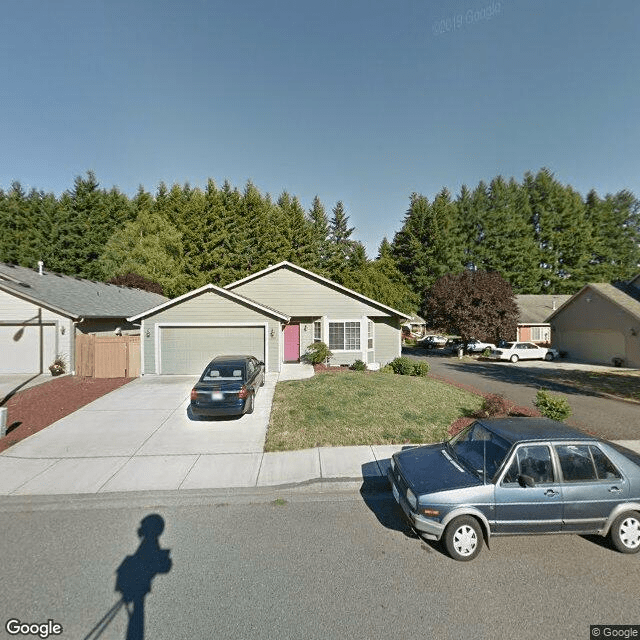
13001 NE 3rd Ave., Vancouver, WA 98685
To contact a resident: (360) 907-2948
For more information about senior living options: (866) 208-4318
Lockehaven Adult Family Home Costs & Pricing
Lockehaven Adult Family Home offers competitive pricing for its private rooms at $3,400 per month, positioning itself as an appealing choice for families seeking quality care without compromising on comfort. Compared to the average monthly cost in Clark County, which stands at $3,992, Lockehaven provides significant savings while maintaining high standards of service. Furthermore, when considering the broader Washington state average of $4,772, Lockehaven's rates reflect not only affordability but also a commitment to accessible care options. This makes it an attractive option for those looking to secure dedicated support within a nurturing environment.
| Floor plans | Lockehaven Adult Family Home | Clark County | Washington |
|---|---|---|---|
| Private | $3,400 | $3,992 | $4,774 |
Senior living communities with a similar price nearby
-
from +$400 / mo

The Inn at University Village
$3,800 to $7,500 / month1.2 miles away -
from -$400 / mo
A Piece of Heaven
$3,000 / month20.2 miles away -
from -$400 / mo
Yamhill Senior Care Home
$3,000 / month15.9 miles away -
from -$400 / mo
Peaceful Lighthouse Adult Care Home
$3,000 / month16.2 miles away -
About the same
Fulga's ACH
$3,500 / month19.3 miles away
Overall Review of Lockehaven Adult Family Home
Pros
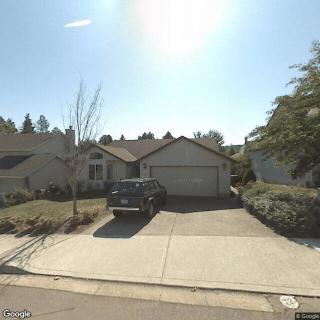
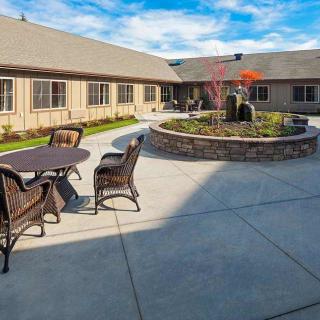
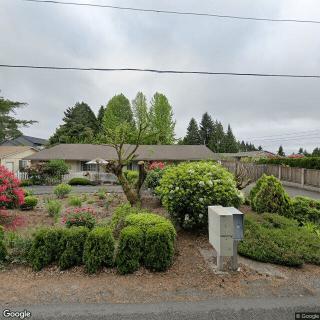
 The place gives the impression of a lovely home with warm, homey touches.
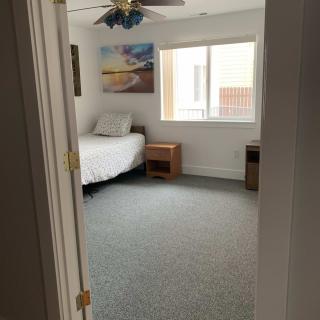
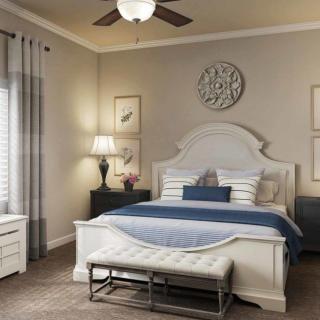
 - Residents are treated with respect and have private rooms with bathrooms.
- A large shower facility provides caregivers with space to bathe residents safely.
- Mealtimes are communal, with residents sharing three meals at a large dining table.
- The living room is spacious, where residents gather to watch TV or visit.
Review
Lockehaven Adult Family Home in Vancouver, WA is best suited for seniors who prize a warm, home-like atmosphere and a small, tightly managed care setting. Residents typically enjoy private rooms with their own bathrooms (sink and toilet), which preserves dignity while avoiding the crowds of larger facilities. The layout centers on everyday life, three meals shared at a large dining table, a welcoming living room for group TV viewing or quiet visiting, and a large shower facility that lets caregivers assist residents safely. It’s a setting where routine, familiarity, and personal touches are the default, not the exception, and where staff can form meaningful connections with residents.
Those weighing alternatives should consider situations where more intensive medical oversight is non-negotiable. If round-the-clock skilled nursing, frequent medical monitoring, complex wound or infusion care, or dementia care with structured memory support are essential, a larger assisted living or a dedicated memory-care community may serve better. Families might also seek more robust activity calendars, transportation services, on-site therapists, or a broader range of specialized programs that typically accompany bigger campuses. In short, for residents with higher medical needs or a desire for a more expansive amenities slate, alternatives deserve a serious look.
The strongest pro in Lockehaven’s favor is the intimate, home-like environment it cultivates. The private rooms with private baths reduce everyday friction and preserve autonomy, while the communal meals create a predictable, social rhythm that combats isolation. The dining-table ritual, combined with a comfortable living room, supports conversation, companionship, and a sense of belonging that can smooth transitions for residents who value stability. The large shower facility is not just a convenience for caregiving tasks; it signals a practical approach to safety and independence, allowing residents to maintain dignity during routine care.
These strengths, however, translate into natural trade-offs. The small scale means fewer on-site medical resources and, potentially, fewer highly specialized programs than larger communities. For families, this can mean coordinating external services or scheduling care around a smaller staff footprint. Yet the proximity of staff and residents, paired with the home-like routine, often yields quicker, more personalized responses to changes in condition. Visiting Lockehaven and speaking with current residents or families can reveal how well care plans are tailored, how staff responsiveness feels in day-to-day moments, and whether the social environment remains consistently engaging as needs evolve.
Practical evaluation steps help crystallize fit. Prospective residents should observe meal times and social interactions to gauge whether the environment aligns with expectations for companionship and routine. Ask direct questions about staffing ratios, caregiver training, and the availability of on-call medical support or visiting clinicians. Inquire about medication management, mobility assistance, and how changes in health are communicated and documented. It’s also wise to probe the consistency of care, staff turnover can dramatically affect daily life in a small home setting, and to verify how privacy is maintained during caregiving tasks.
Overall, Lockehaven stands out for families seeking a discreet, homey, intimate setting where residents enjoy private space with personal baths and share meaningful social moments at meals and in a welcoming living area. It serves as a practical, compassionate option for seniors who thrive on routine, personal interaction, and a sense of belonging within a small caregiving team. For those whose priorities lean toward comprehensive medical services or dementia-specific programming within a larger campus, alternatives should be explored. A guided visit is the best next step to confirm whether the day-to-day rhythm matches the resident’s needs and family expectations.
 Board and Care Home
 Activities on-site
 Air-conditioning
 Bath tubs
 Cable or satellite TV
 Devotional services off-site
 Handicap accessible
 Indoor common areas
 Outdoor common areas
 Private
 Private bathrooms
 Respite or short term stays offered
 Wheelchair accessible showers
 Wi-Fi/high-speed internet available
 Portland International (9 miles away)
 Ambulatory care
 Diabetic care
 High acuity care
 Incontinence care
 Medication management
 Anytime dining
 Art classes
 Stretching classes
 Trivia games
 Wii bowling
 Comprehensive Guide to Qualifying for Home Health Care Services
 Powerful Realities of Elder Abuse and the Most Effective Ways to Report It
 Ten Vital Duties of a Senior Caregiver: A Comprehensive Guide