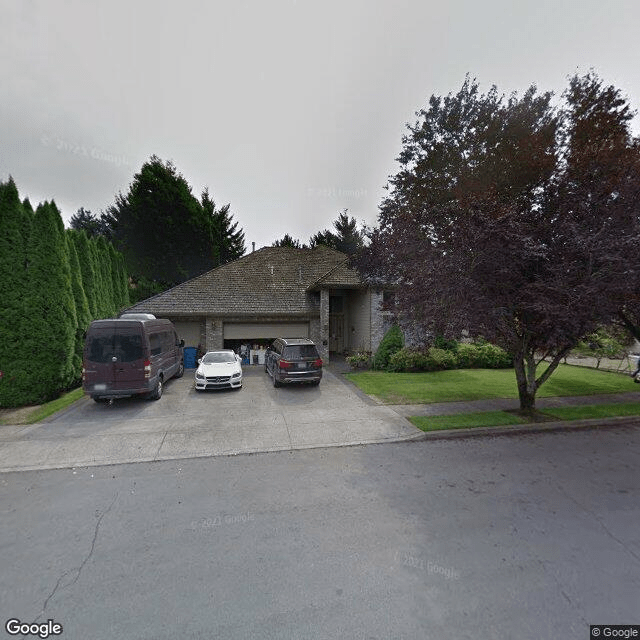
17719 SE 38th Street, Vancouver, WA 98683
To contact a resident: (360) 901-9032
For more information about senior living options: (866) 208-4318
The Edelweiss AFH Costs & Pricing
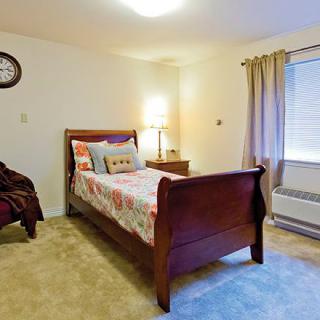
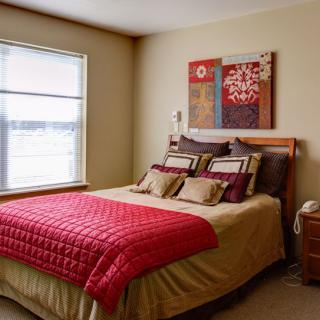
The Edelweiss Adult Family Home (AFH) offers a private room option for $6,500 per month, which positions it significantly above the average costs in both Clark County and the broader state of Washington. In Clark County, the average cost for a comparable private room is approximately $3,992, while the statewide average is around $4,772. This pricing reflects The Edelweiss AFH's premium services and amenities designed to provide a higher level of comfort and care. While prospective residents may find more economical options nearby, those choosing The Edelweiss can expect an elevated quality of life that justifies this higher investment.
| Floor plans | The Edelweiss AFH | Clark County | Washington |
|---|---|---|---|
| Private | $6,500 | $3,992 | $4,774 |
Senior living communities with a similar price nearby
-
from -$500 / mo
Magnolia Gardens Senior Care Home
$6,000 / month3.4 miles away -
from -$1000 / mo
Evergreen Quality Home
$5,500 / month11.3 miles away -
About the same
Guardian Angel ACH
$6,500 / month19.4 miles away -
from -$360 / mo
Rosewood Memory Care
$6,140 to $6,585 / month21.6 miles away -
from -$450 / mo

The Cottages Senior Living
$6,050 to $6,300 / month5.8 miles away
Overall Review of The Edelweiss AFH
Pros
 The staff here has been phenomenal.
- Their care for residents has been off the charts helpful.
- They have a great family of longtime employees who live on site.
- The owners are a hoot and provide a lot of upliftment of spirit for the residents.
Review
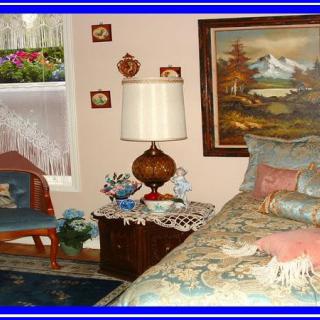
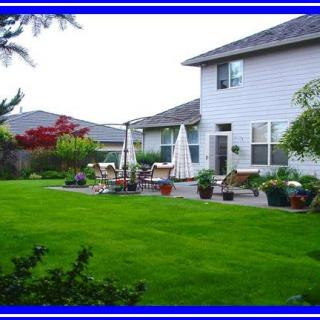
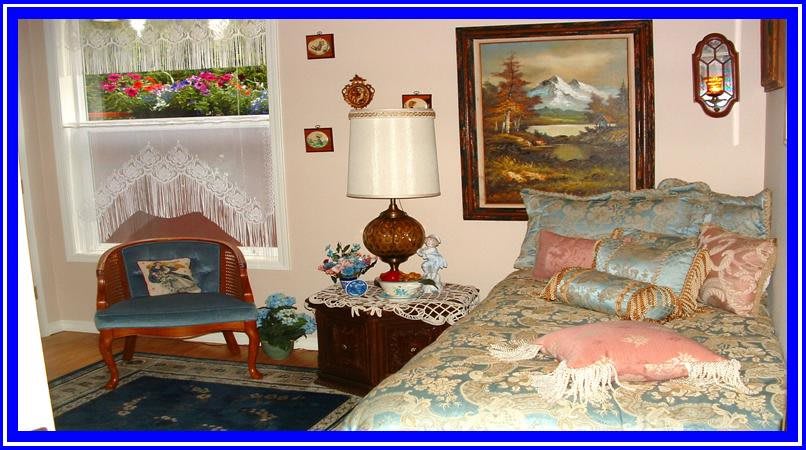
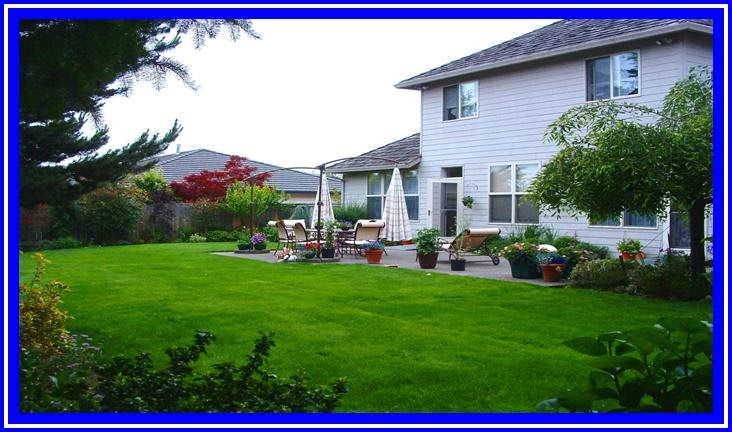
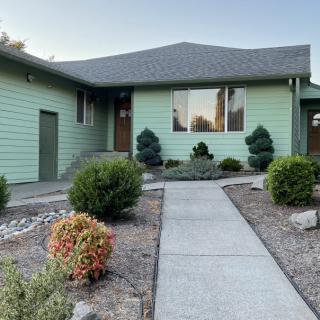
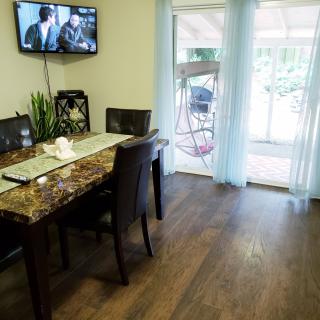
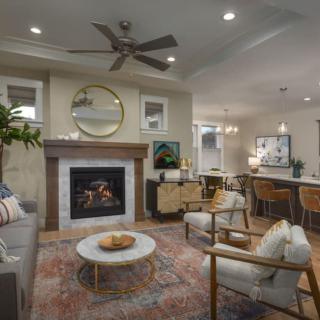
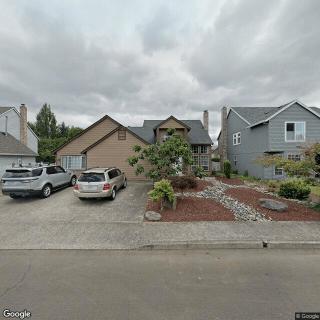
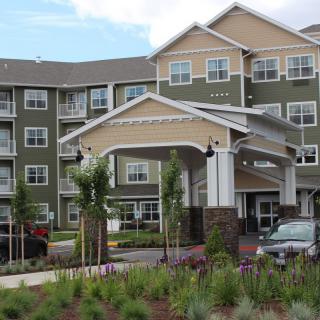
The Edelweiss AFH in Vancouver, WA is best suited for families seeking a truly home-like senior living option where caregiving feels personal, highly responsive, and anchored by stable, long-tenured staff. This is not a sprawling campus; it’s a small, family-run adult family home designed to feel less institutional and more like a trusted residence. Residents who thrive here tend to value face-to-face connections, routines that mirror a familiar household, and daily interactions with caregivers who know their names, preferences, and histories. The on-site owners participate actively in daily life, which tends to translate into quicker problem-solving, more consistent communication, and a sense that care is crafted with genuine warmth rather than processed through layers of administration. In short, Edelweiss AFH rewards families seeking reliability, warmth, and a sense of being welcomed into a small circle of care.
However, Edelweiss AFH may not be the best match for those who require robust medical oversight on a 24/7 basis, or for residents with specialized memory-care needs that demand structured therapy crews and secured environments. The home-style model excels at daily companionship, gentle assistance, and person-centered routines, but it does not present as a large-scale care operation with on-call clinical teams, hospital-grade monitoring, or expansive rehabilitation services. Families dealing with complex wounds, frequent IVs, or high-risk medical conditions should weigh the trade-off between the intimate setting and the level of clinical coverage available on site. Similarly, residents who crave a full slate of scheduled activities, diverse social programming, or formal memory-care programming may find options in larger facilities better aligned with those expectations. Alternatives that offer broader medical infrastructure will be a more suitable fit for those needs.
On the upside, the standout strength is the staff. The care team is described as phenomenal, with a deep commitment to each resident’s well-being that goes beyond basic tasks. Longtime employees contribute continuity that minimizes the sense of upheaval whenever shifts change or routine adjustments are needed. The owners’ hands-on involvement and optimistic, uplifting style create a mood that can brighten days and bring solace during difficult moments. For families, that combination, highly skilled caregivers, on-site residents living in, and leadership that models the tone of the home, translates into easier day-to-day coordination, transparent updates, and less friction when care plans need tweaking. The result is a remarkably responsive environment where small concerns are addressed quickly and with empathy, reducing the risk of neglected details that sometimes occur in larger settings.
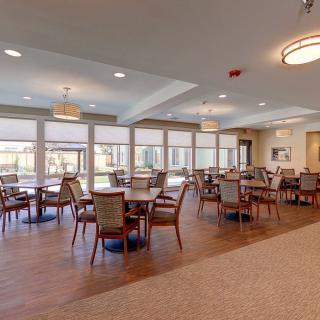
Another advantage lies in the stability a small, family-oriented setting offers. Long-tenured staff who live on-site can be counted on for consistent, familiar routines, respectful communication, and a sense of safety that comes from knowing caregivers by name. The owners’ presence often translates into proactive problem-solving and a culture that values uplifting spirits as part of care, not as an afterthought. Residents experience a more intimate social fabric, shared meals, casual conversations, and spontaneous moments of humor, that can make a challenging transition feel more like a return home. The downside of this intimacy lies in the potential for limited formal programming and a smaller pool of specialized activities, but careful scheduling can still deliver meaningful engagement through tailored activities that fit individual interests and energy levels.
Yet the main considerations should be weighed against what is not present at Edelweiss AFH. The size and model mean fewer hands in the daily operations and a leaner cadre of professionals who can handle complex medical tasks without coordinating with external partners. Emergency contingencies and transportation arrangements may hinge on a smaller network, which could slow responses during a crisis if the resident’s needs outpace what the home can comfortably manage. Privacy, while abundant in a home-like setting, can also feel more intimate, a double-edged sword for families who desire more autonomy for their loved one or a broader social calendar. Despite these caveats, the living fabric, the warmth, the stability, and the rapid, personal responsiveness, tends to offset these potential gaps for residents who simply want to stay connected to a familiar face and a familiar voice day after day.
Overall, Edelweiss AFH offers a compelling choice for families prioritizing relationship-driven caregiving in a Vancouver neighborhood setting. It is best suited for a resident who thrives on predictability, close caregiver relationships, and a sense of being part of a small, supportive community. Those needing hospital-level medical oversight, advanced memory-care programming, or a wide array of structured activities should consider alternatives that provide deeper clinical resources. Before moving in, families should visit with questions about care plans, staff-to-resident ratios, how health changes are managed, and what constitutes an on-site emergency protocol. When the goal is to preserve dignity, warmth, and everyday comfort in a home environment, Edelweiss AFH stands out as a pragmatic, experienced option that delivers far more than a standard caregiver presence.
 Board and Care Home
 Cats allowed
 Dogs allowed
 Activities off-site
 Beautician on-site
 Devotional services off-site
 Indoor common areas
 Outdoor common areas
 Private
 Private bathrooms
 Respite or short term stays offered
 Portland International (5 miles away)
 Diabetic care
 High acuity care
 Incontinence care
 Medication management
 Kosher

 Understanding Home Health Care: A Comprehensive Guide
 Home Health Care Demystified: A Comprehensive Guide for Families and Caregivers
 Seniors and Modern Transportation: Exploring Uber, Lyft, and Other Ride-Hailing Options