
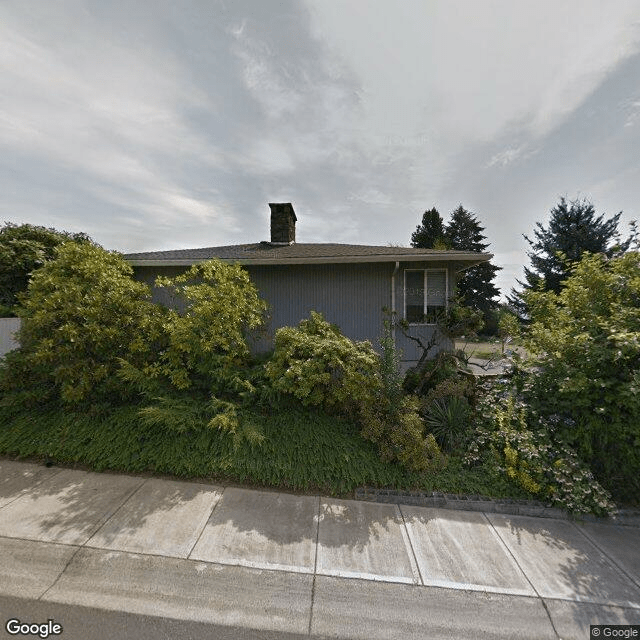
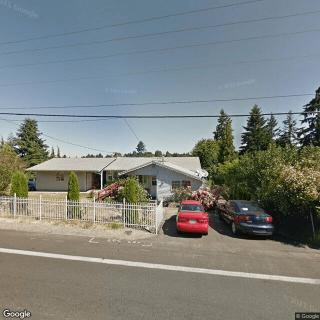
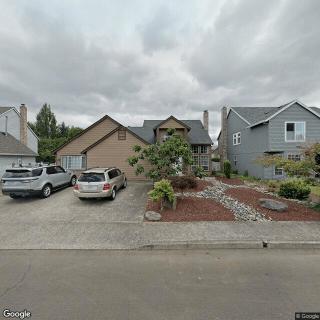
4101 SE 168 Ave, Vancouver, WA 98683
To contact a resident: (360) 883-0747
For more information about senior living options: (866) 208-4318
Peaceful Meadow AFH Costs & Pricing
Peaceful Meadow Adult Family Home (AFH) offers a competitive monthly rate of $2,500 for private rooms, significantly lower than the average costs in Clark County and the broader state of Washington. In Clark County, the average monthly cost for similar accommodations reaches approximately $3,992, while statewide averages soar to around $4,772. This pricing structure positions Peaceful Meadow AFH as an attractive option for individuals seeking quality care without the financial strain often associated with assisted living facilities. The affordability combined with a commitment to personalized care makes it a compelling choice for families considering long-term options.
| Floor plans | Peaceful Meadow AFH | Clark County | Washington |
|---|---|---|---|
| Private | $2,500 | $3,992 | $4,774 |
Memory care communities with a similar price nearby
-
About the same
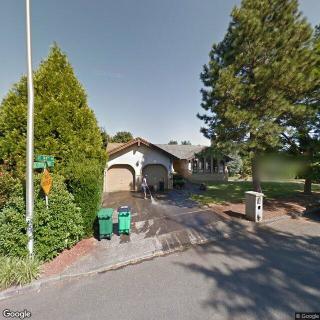
A Gentle Care Home
$2,500 / month8.8 miles away -
from +$300 / mo
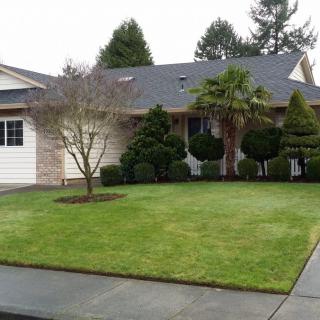
Aging Gracefully Family Home
$2,800 to $3,500 / month4.0 miles away -
from +$150 / mo
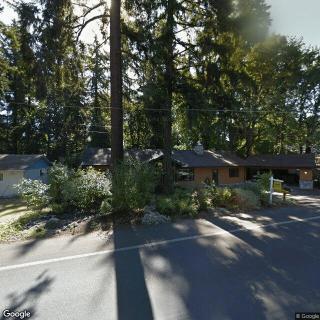
Cedar Lodge Care Home
$2,650 to $3,000 / month17.7 miles away -
from +$100 / mo
Golden Lane Adult Care Home
$2,600 / month7.4 miles away -
from +$95 / mo

Highgate Senior Living
$2,595 to $3,095 / month10.8 miles away
Overall Review of Peaceful Meadow AFH
Pros
 They have been with Peaceful Acres for over two years and feel comfortable sharing positive thoughts about the facility.
- They feel lucky to have found Peaceful Acres and praise the location as perfect for them.
- They describe the cleanliness of the entire floor as amazing, with nothing dirty, dusty, or in disrepair.
- Their first visit put their concerns to rest.
- They praise the small, intimate size of the place, noting residents receive plenty of attention and won’t be ignored.
- Tabitha is fantastic, and the reviewers are fortunate to have found a place they don’t have to worry about.
- The Marsh family appreciates Tabitha’s care for Ruth Marsh’s grandmother and regards her as the best.
Cons
 Some other care homes the reviewer had visited in their previous career were truly horrifying.
Review
Peaceful Acres (often listed as Peaceful Meadow AFH) in Vancouver, Washington, is best suited for families seeking a small, homelike care setting where every resident receives noticeable, ongoing attention. This community prioritizes safety, relationship-based care, and stability over a bustling campus atmosphere. The location works well for families who want proximity to urban conveniences without sacrificing a country-like feel, thanks to a generous lot surrounding the home. The intimate size becomes the defining strength: residents aren’t lost in a crowd, and the opportunity for meaningful daily interactions is built into the fabric of everyday life. For caregivers prioritizing trust, continuity, and a tight-knit routine, this is a compelling match.
Those weighing alternatives should note that Peaceful Acres may not be the right fit for every situation. Families facing complex medical needs, high-acuity care requirements, or dementia programs that demand structured, ongoing clinical oversight often benefit from larger communities with on-site specialists and a wider array of therapy options. Similarly, caregivers seeking a calendar filled with organized activities, broad social programming, or multi-staff coverage at all hours may find the intimate setting less suitable. In short, this home shines when care is about personalized attention; it may fall short for those needing more formal, hospital-like support or extensive clinical resources.
The strongest positives revolve around cleanliness, location, and the people-driven culture. The entire floor is consistently clean and well-maintained, with a standard of care that puts resident wellbeing front and center. The setting feels safe and orderly, which reduces worry for families evaluating daily living risks. Location is practical for families who want easy access for visits and transitions, while the countryside-esque ambiance, made real by a spacious lot, helps residents feel calm and settled. The small scale matters here: staff can respond quickly, and residents aren’t overlooked, which translates into reliable daily reassurance for loved ones.
Equally important are the human dynamics that shape day-to-day life. The owner, Tabitha, emerges as a genuine, caring force who prioritizes residents’ welfare and continuity of relationships. With a notably low turnover of employees, residents and families benefit from familiarity, predictable routines, and dependable care partners who know each person’s preferences and needs. The testament from families that they don’t have to worry about their loved ones underscores a deeper confidence in the caregiving approach, creating a sense of stability that is rare in larger, more impersonal settings. This combination of personal leadership and persistent staff presence makes the home feel truly satisfying for long-term placement.
Yet even strong pros face natural limits in a small, owner-operated setting. The compact footprint means fewer on-site amenities and a narrower spectrum of programming than what larger facilities offer, which can translate into fewer options for social variety or advanced activities. Families should verify how the home plans to sustain and broaden activities as resident needs evolve, and whether additional external supports are readily accessible if medical or cognitive demands increase. While the owner’s involvement and low turnover mitigate some risk, these constraints highlight the importance of clear planning: discuss staffing coverage, escalation paths for care changes, and contingencies if the owner becomes unavailable.
In the end, Peaceful Acres stands out for families who prize intimate, attentive care delivered in a clean, serene, home-like setting. For those who require substantial medical complexity management, frequent, diverse programming, or a larger campus environment, alternatives with broader clinical staffing and more expansive amenities will likely be more fitting. Prospective residents and their representatives should visit with a concrete checklist: observe staff interactions with residents, assess the consistency of daily routines, ask about future care escalation plans, and confirm how housekeeping, meals, and activity offerings are managed on a weekly basis. If the priority is a trustworthy, low-key home where residents feel seen and safe, this community earns strong consideration.
 Board and Care Home
 Memory Care
 Cats allowed
 Dogs allowed
 Activities off-site
 Beautician on-site
 Devotional services off-site
 Indoor common areas
 Outdoor common areas
 Private
 Private bathrooms
 Respite or short term stays offered
 Wheelchair accessible showers
 Portland International (5 miles away)
 Diabetic care
 High acuity care
 Incontinence care
 Medication management
 Kosher
 Christian services



 Understanding Dementia Through Its Seven Stages: A Comprehensive Look at Progression and Expectations
 Safeguarding Your Memory Through the Golden Years: Eight Ways to Preserve Cognitive Health
 Comprehensive Insights into Activities of Daily Living (ADLs) and Their Assessment