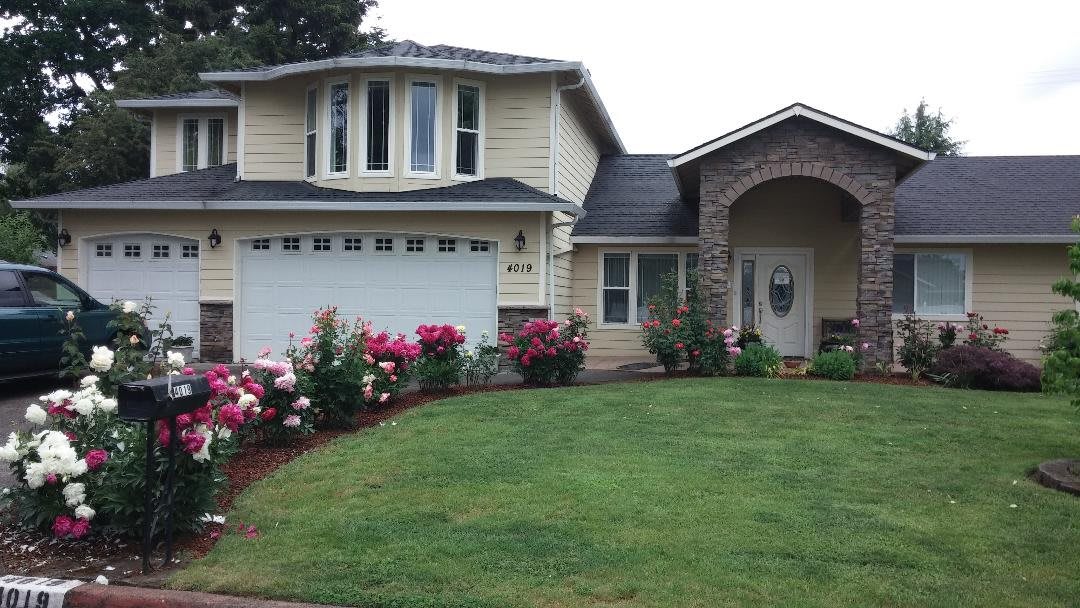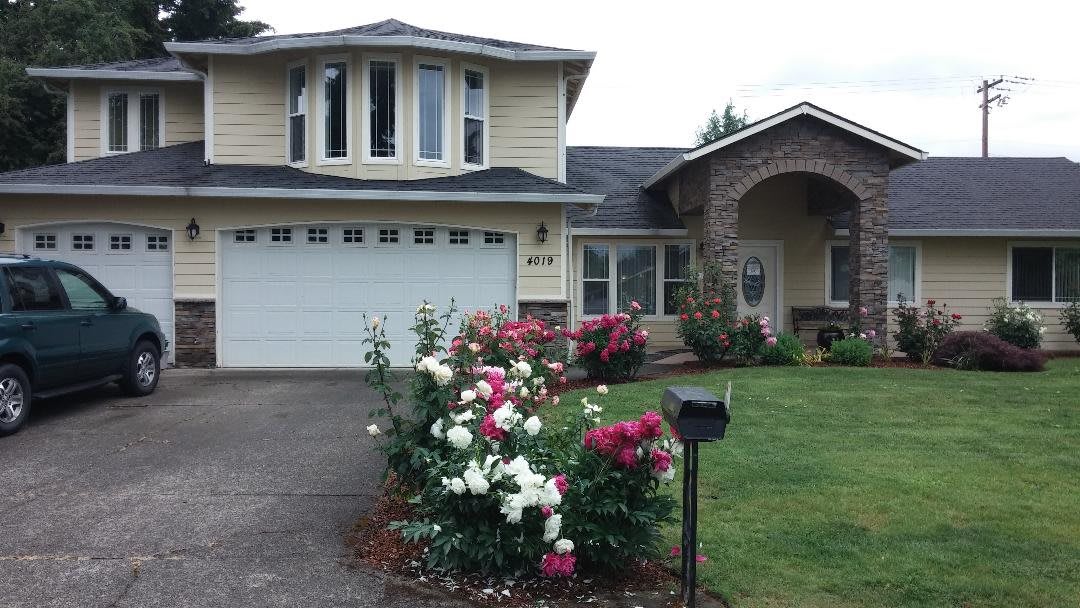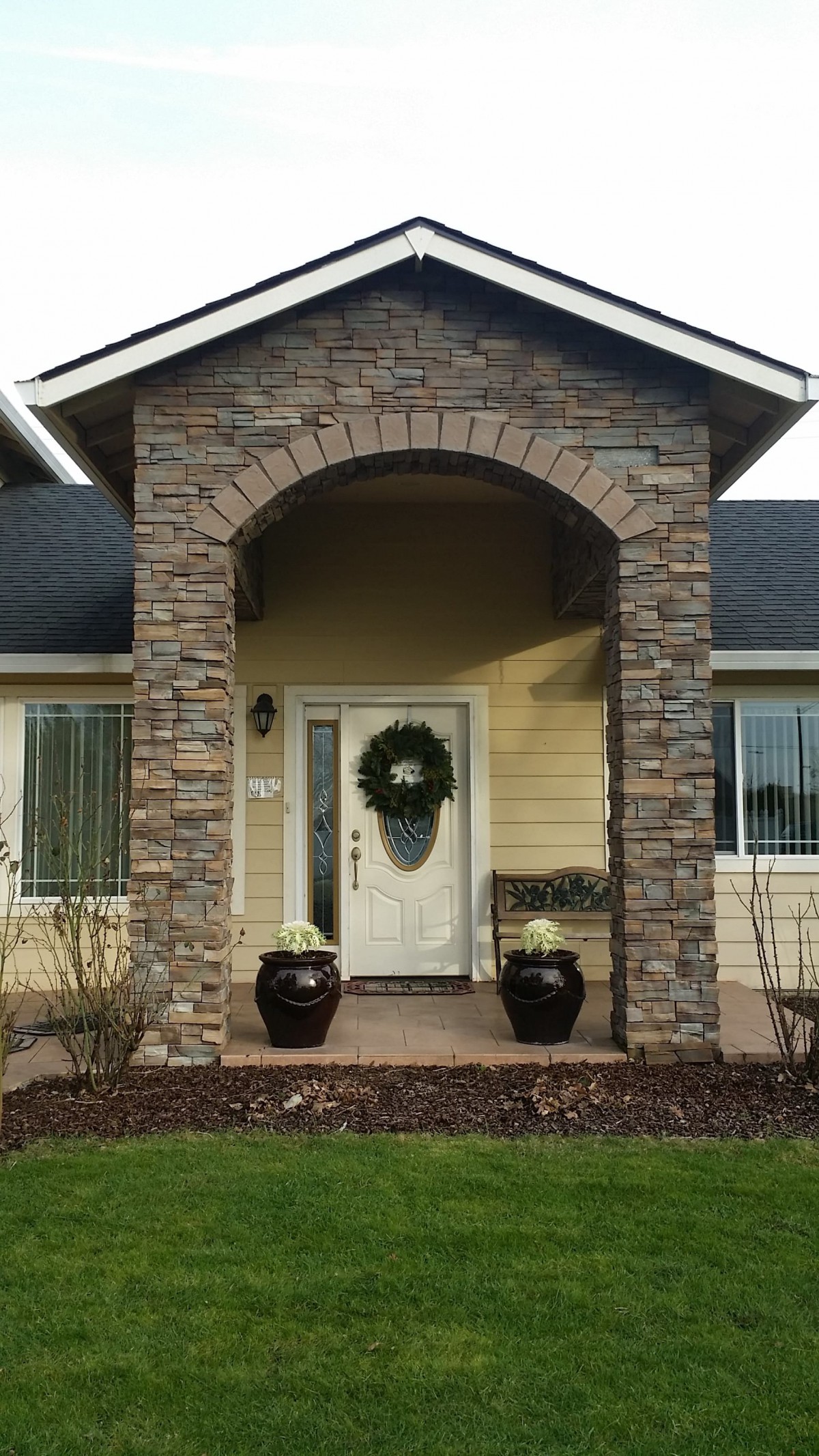
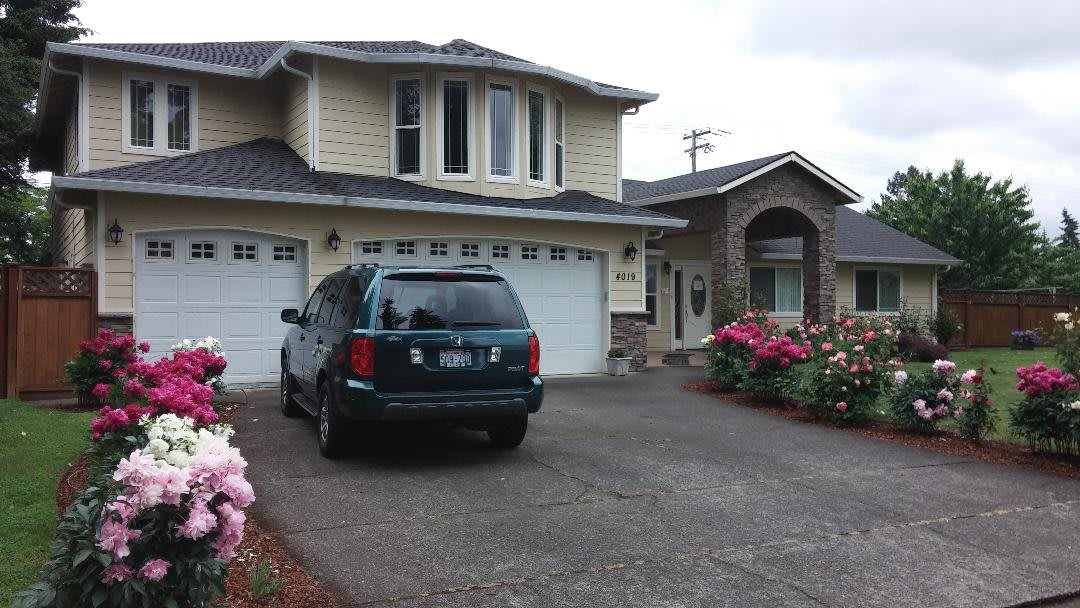
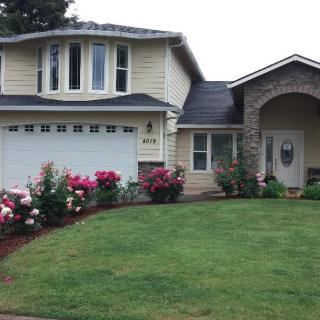
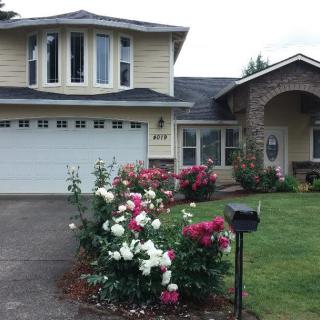
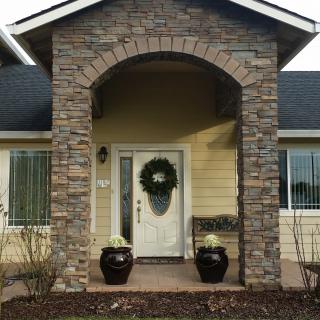
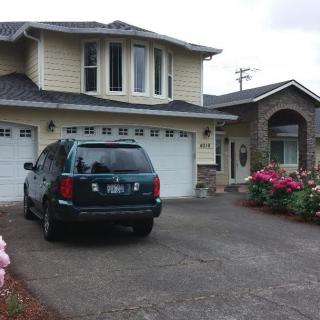
4019 NE Pacific Way, Vancouver, WA 98662
To contact a resident: (360) 253-9777
For more information about senior living options: (866) 208-4318
Northwest Quality Adult Care Costs & Pricing
Northwest Quality Adult Care offers competitive pricing for private room accommodations, set at $3,500 per month. This cost is notably lower than the average monthly charges observed in Clark County, which stands at $3,992, and significantly below the state average of $4,772 in Washington. By providing a more affordable alternative while maintaining a high standard of care, Northwest Quality Adult Care positions itself as an appealing option for individuals seeking quality adult care services without breaking the bank.
| Floor plans | Northwest Quality Adult Care | Clark County | Washington |
|---|---|---|---|
| Private | $3,500 | $3,992 | $4,774 |
Senior living communities with a similar price nearby
-
from +$300 / mo
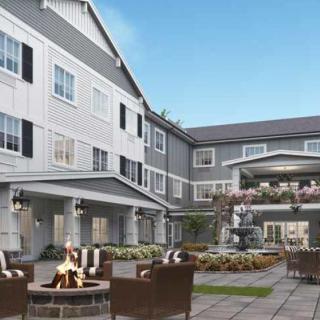
The Inn at University Village
$3,800 to $7,500 / month5.3 miles away -
from -$500 / mo
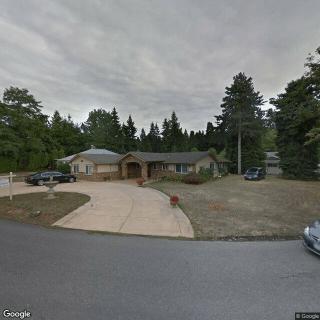
A Piece of Heaven
$3,000 / month15.6 miles away -
from +$500 / mo
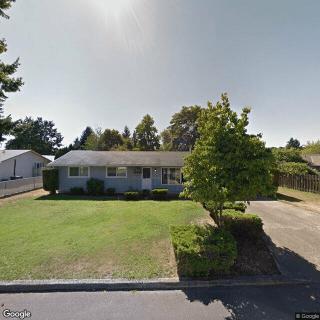
Oaktree Adult Care Home
$4,000 / month22.1 miles away -
from -$500 / mo
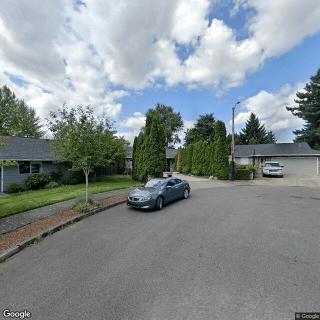
Yamhill Senior Care Home
$3,000 / month10.2 miles away -
from -$500 / mo
Peaceful Lighthouse Adult Care Home
$3,000 / month10.3 miles away
Overall Review of Northwest Quality Adult Care
Pros
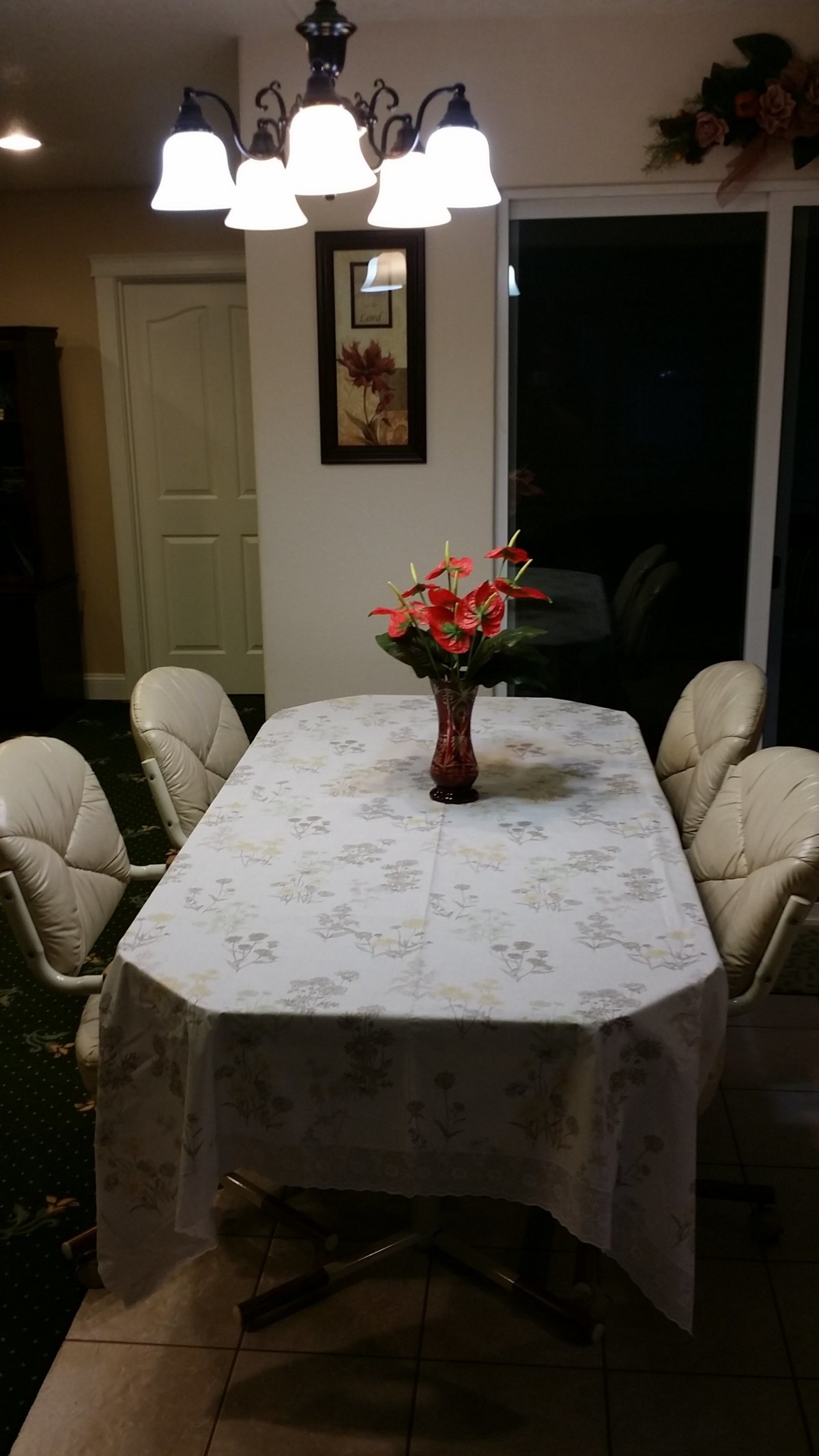
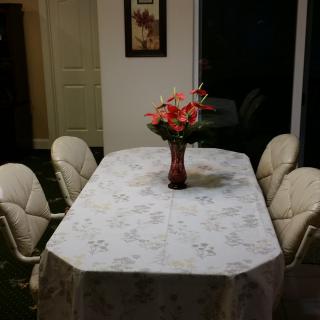
 The atmosphere of the home feels good.
- There is always laughter and joking.
- People seem genuinely happy.
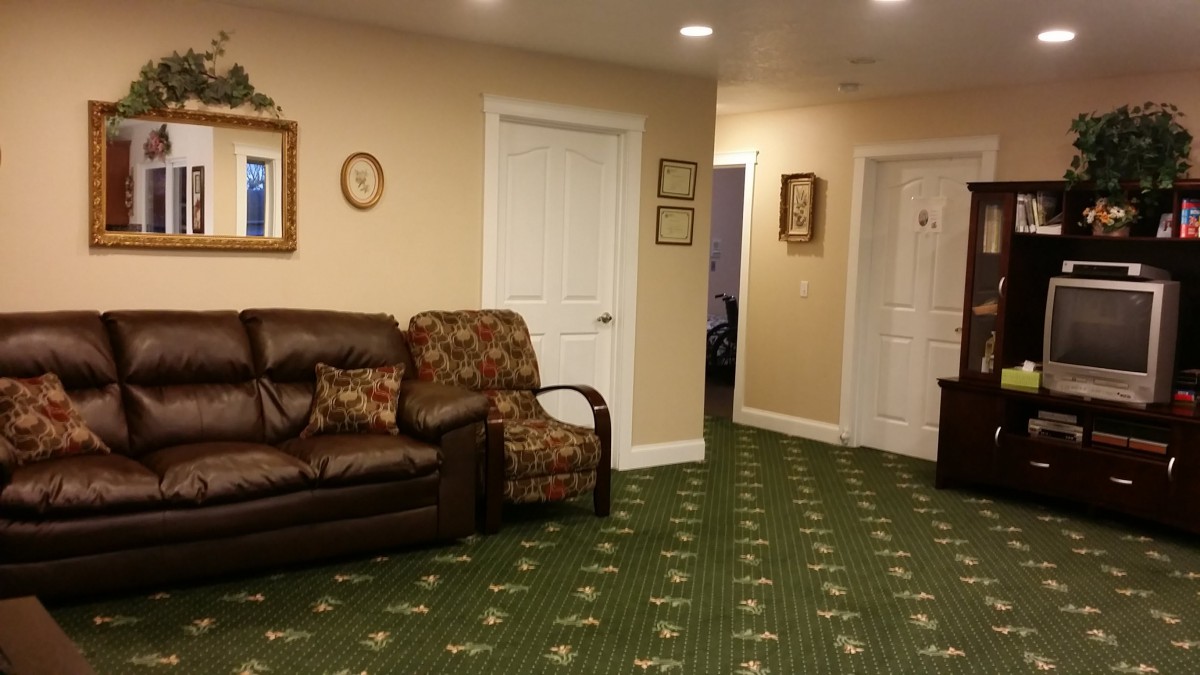
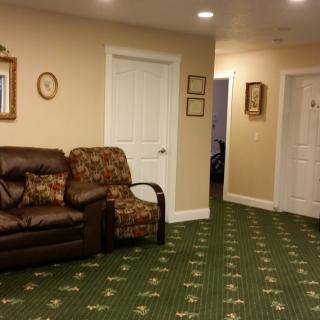
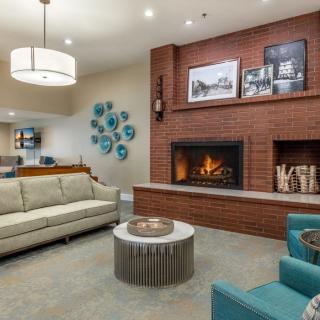
- The common area invites residents and visitors to hang out together.
- The common room offers a terrific view of the river and airport.
- There is no noise pollution here.
- The caregivers are very friendly and helpful.
- It is evident that they truly care about the residents.
Review
Northwest Quality Adult Care in Vancouver, Washington is best suited for seniors who prize a warm, home-like atmosphere where genuine laughter and friendly, attentive caregivers define daily life. The setting emphasizes personal connections and quiet enjoyment over a bustling, institutional feel. A common-area layout fosters relaxed social time, and the scenic view of the river plus the distant airport provides a pleasant backdrop rather than a distraction. Caregivers come across as competent and caring, with a culture that feels responsive and approachable. For residents who want a small, cohesive community where staff know them by name and daily routines unfold with a reassuring predictability, this community delivers tangible comfort.
That said, this is not the choice for every senior. If high medical acuity or memory-care needs demand on-site physicians, constant skilled nursing, or highly structured dementia programming, alternatives may better fit. The available impressions focus on warmth and individualized attention rather than detailed information about on-site clinical services, therapy offerings, or extensive safety protocols. With only three positive reviews, the sample size implies a smaller operation and less publicly documented breadth of services, which is a practical signal for families evaluating facilities that can scale care as needs evolve.
The strongest pros, the authentic warmth of staff, evident competence in daily care, and a social, welcoming common area, form a compelling offset to the absence of more expansive service offerings. Residents appear to benefit from a low-noise environment that supports calm routines and reduces the agitation sometimes associated with larger care campuses. The atmosphere itself acts as a therapeutic asset: genuine smiles, easy accessibility of caregivers, and a sense that staff genuinely cares about individual residents can markedly improve mood, cooperation with care plans, and overall satisfaction.
The advantages extend beyond interpersonal warmth to the setting. A serene, quiet environment minimizes sensory overload and contributes to better sleep and daily steadiness. The combined effect of approachable staff and peaceful surroundings can lessen frustration for residents who value independence but still rely on assistance with daily activities. However, prospective families should seek specifics about daily schedules, meals, and safety features, elements that are not explicitly detailed in the reviews but are crucial to sustaining long-term comfort and health.
When evaluating options, it helps to ask pointed questions about nursing coverage, medication management, and who handles care planning and crisis response. Inquire about memory-care capabilities, if applicable, and whether activities and outings are tailored to varying cognitive and physical levels. Clarify the cost structure, what is included in monthly rates, and whether there are tiered levels of care as needs change. The right fit will align the residentā€™s social desires and emotional well-being with clear expectations around medical oversight, daily routines, and predictable access to help.
Ultimately, Northwest Quality Adult Care stands out for seniors who want a genuine, community-centric home where warmth, attentiveness, and a tranquil setting drive daily life. It excels for those who value connection, quiet, and a staff culture that communicates care through actions as much as words. However, families considering this community should be mindful of potential gaps in visible medical services or memory-care specialization, and they should contrast these with options that offer broader clinical capabilities. For the right resident, the combination of mood-boosting staff interactions, a peaceful ambiance, and thoughtful adjacency to nature and views can be a decisive, life-enhancing fit.
 Board and Care Home
 Activities on-site
 Beautician on-site
 Devotional services off-site
 Indoor common areas
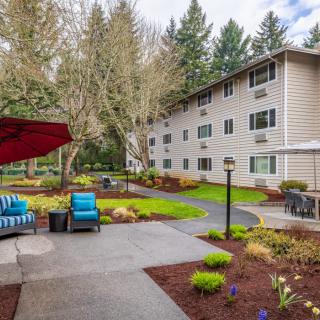
 Outdoor common areas
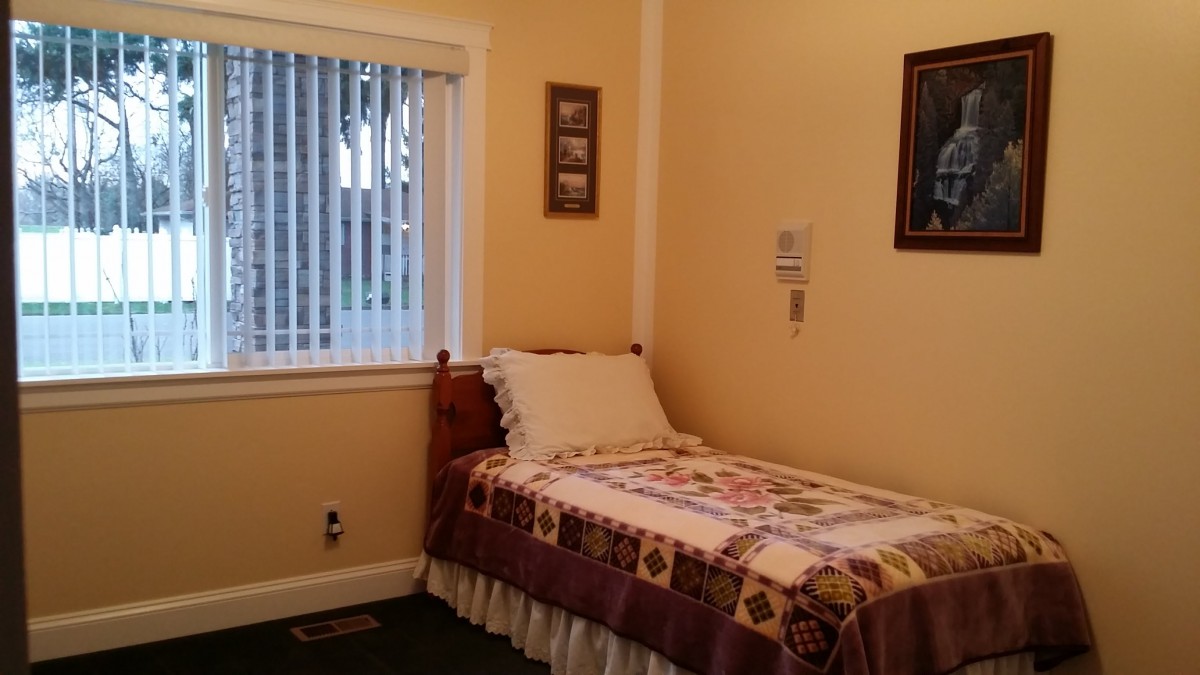
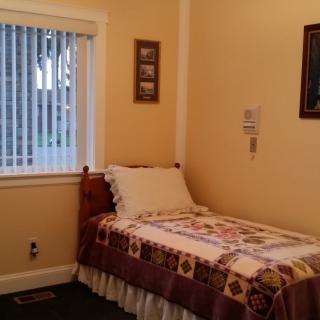
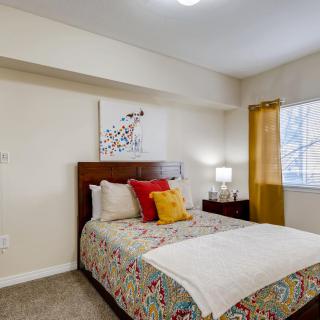
 Private
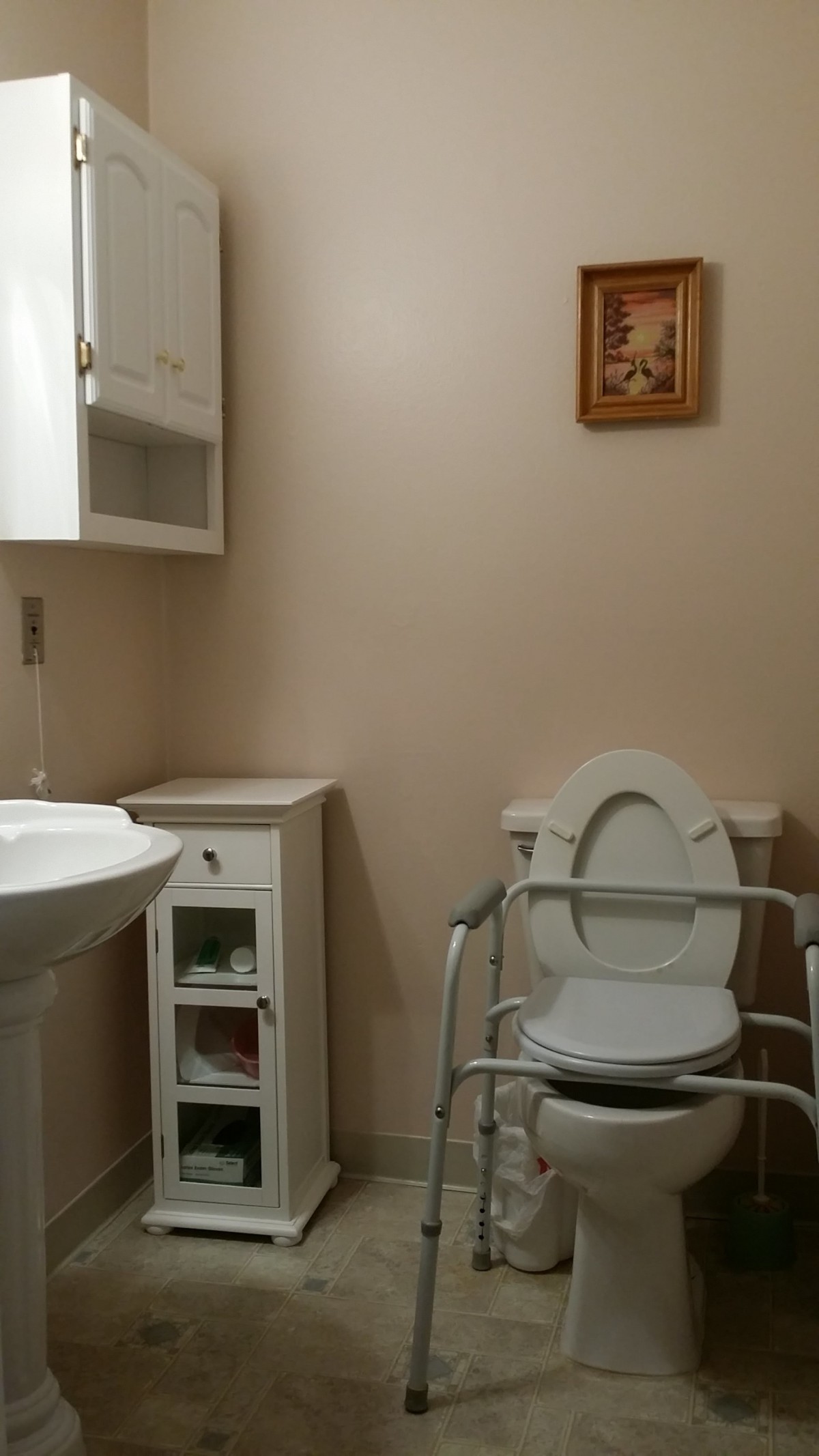
 Private bathrooms
 Respite or short term stays offered
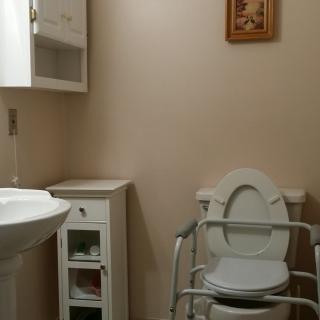
 Wheelchair accessible showers
 Portland International (4 miles away)
 Diabetic care
 High acuity care
 Incontinence care
 Medication management
 Kosher
 Christian services
 Top Canine Companions for Older Adults
 Comprehensive Guide to Blood Pressure Charts for Older Adults: Understanding Normal and High Readings by Age
 Financing Long-Term Nursing Home Care Through Social Security: A Thorough Exploration