
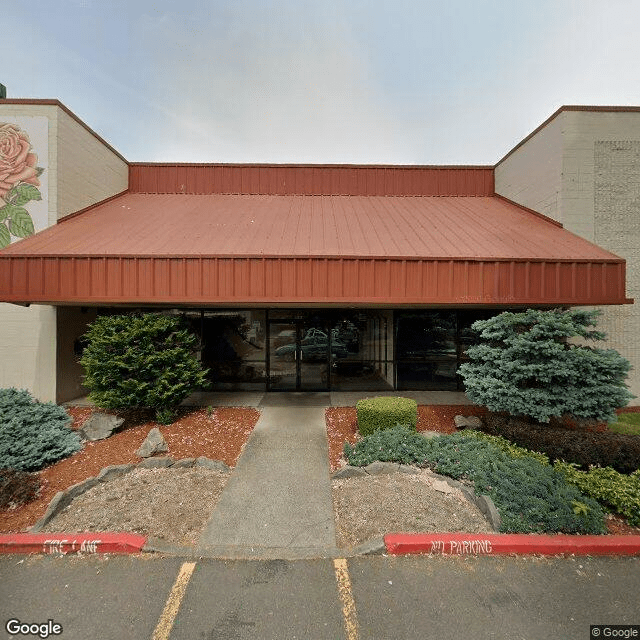
4317 NE Thurston Way Suite 230, Vancouver, WA 98662
To contact a resident: (360) 891-1506
For more information about senior living options: (866) 208-4318
Overall Review of Synergy HomeCare- Vancouver WA
Pros
 The Synergy caregivers are wonderful assistants, helpful, and a strong support for families.
- They are efficient and reliable.
- The staff are kind, patient, and considerate, especially in stressful times.
- They maintain clear communication and provide updates and time cards when needed.
- Akayla and the scheduling team are outstanding, arranging care promptly and covering extra shifts as required.
- The office staff are compassionate, helpful, and easy to reach.
- The care enables loved ones to stay at home with confidence, giving families peace of mind.
Cons
 They had an awful experience with the service.
- There were days when no one showed up.
- They couldn't reach anyone at the company at times.
- The client received different caregivers each time, and most were not competent.
- One caregiver stole their money and disappeared.
- They would not recommend the company.
Review
Synergy HomeCare in Vancouver, WA is best suited for families that need flexible, compassionate in-home support that can scale quickly to dementia care, post-hospital needs, or hospice-style caregiving. The standout value is the ability to assemble a skilled team on short notice and to sustain coverage across long days or around-the-clock hours when family members are unavailable or located far away. This agency tends to deliver a steady, personable caregiver presence and a practical approach to daily routines, outdoor activity, and medication support that many families will find reassuring during challenging transitions.
Those who should consider alternatives are families with an unusually high demand for unwavering, fixed staffing. A single, troubling review describes repeated no-shows, shifting caregivers, and even theft, underscoring that reliability can vary and accountability can be uneven. For households where a strict, predictable schedule and a guaranteed caregiver roster are non-negotiable, a different agency with more rigid assignment processes and clearer escalation protocols may be a safer fit.
The primary strengths of Synergy offset the main concerns in several convincing ways. Scheduling flexibility stands out as a core advantage: families report rapid mobilization for 24/7 care with little notice, which is especially valuable when a loved one is transitioning from hospital to home or needs around-the-clock supervision. The caregivers themselves are repeatedly described as patient, kind, and thorough, an essential factor when medicine management, dementia cues, or daily routines require careful, compassionate execution. Office staff receiving praise for open communication and accessibility helps families feel connected, even when the care plan changes, and key administrative tasks, such as submitting time cards for long-term care reimbursements, are handled smoothly, which reduces financial and logistical stress.
A second wave of positive feedback highlights genuine commitment from long-term caregivers and the staff’s willingness to “go the extra mile.” Instances where a caregiver begins tasks without prompting, maintains punctuality, and builds trusting relationships with both clients and family members reinforce the sense that Synergy can become an integral, stabilizing part of daily life. Notable examples include caregivers who engage in routine cleaning, personal care, and even specialized attention like foot care, alongside a scheduling team that successfully coordinates shifts to keep a loved one engaged and safe. In dementia care scenarios, the ability to sustain a reliable routine with consistent messaging and daily updates proves especially valuable.
However, the negative experience cannot be dismissed. The risk of not having a caregiver show up, inconsistent caregiver assignments, and a theft incident highlight real fragility in execution. These issues point to gaps in scheduling discipline, caregiver stability, and accountability that can, in the worst case, erode trust and require families to scramble for alternatives. The contrast between strong, ongoing reliability reported by many families and the episodic failures in one account suggests that outcomes with Synergy hinge on precise alignment of caregivers, scheduling discipline, and responsive communication during crises.
In practical terms, families considering Synergy should enter with a clear plan to maximize reliability. Request assigned primary and backup caregivers to minimize disruption; insist on transparent, rapid escalation procedures for missed visits; confirm after-hours contact and a clear communication cadence for changes in the plan. Verify how time cards are transmitted and how confidential funds or insurance paperwork, often essential for long-term care reimbursement, are managed. If rock-solid predictability is essential or if a prior experience with caregiver turnover was devastating, it may be prudent to explore providers with stricter caregiver continuity guarantees. For others, Synergy offers practical, compassionate care that can make the difference between a stressful, fragmented experience and steady, home-based support.
 Portland International (5 miles away)





 Managing Nursing Home Expenses After Medicare Coverage Ends
 Is a Geriatric Care Manager the Right Choice for Your Family?
 Compassionate Conversations: How to Comfort Someone Who Is Grieving