Franke Tobey Jones in Tacoma, WA

Save

  • Interior

    A cozy bedroom with a wooden bed frame, red bedding, and decorative artwork on the walls.
  • Outdoors

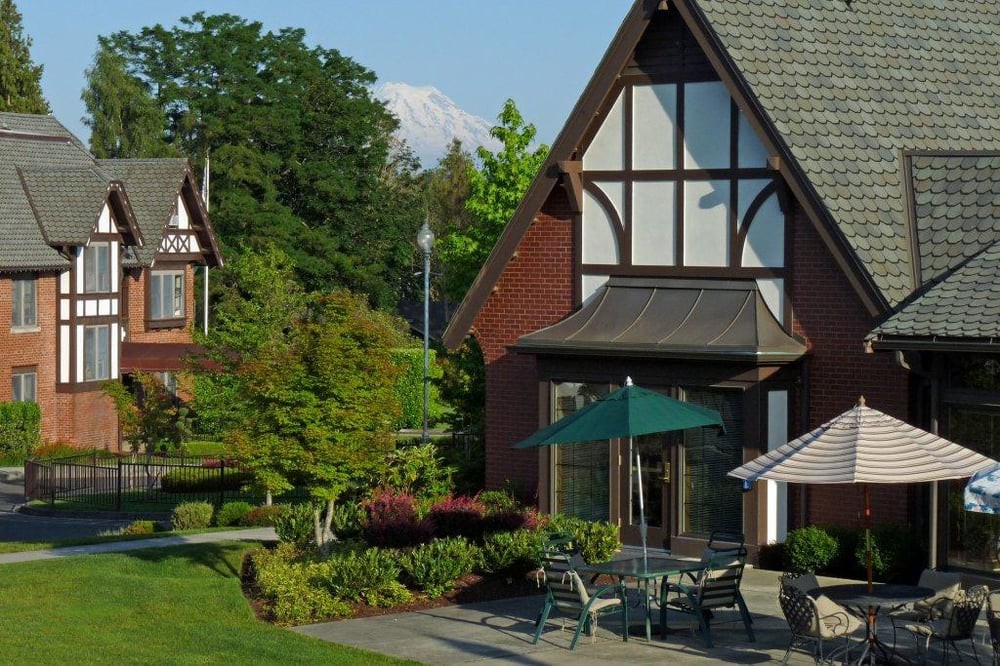
    A spacious outdoor area with people gathered near a building, showcasing traditional architecture.
  • Decor

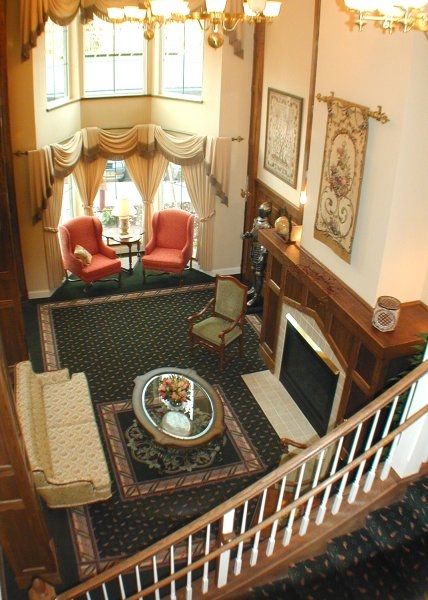
    A cozy living room with a fireplace, elegant seating, and classic decor viewed from an upper level.
  • Living Room

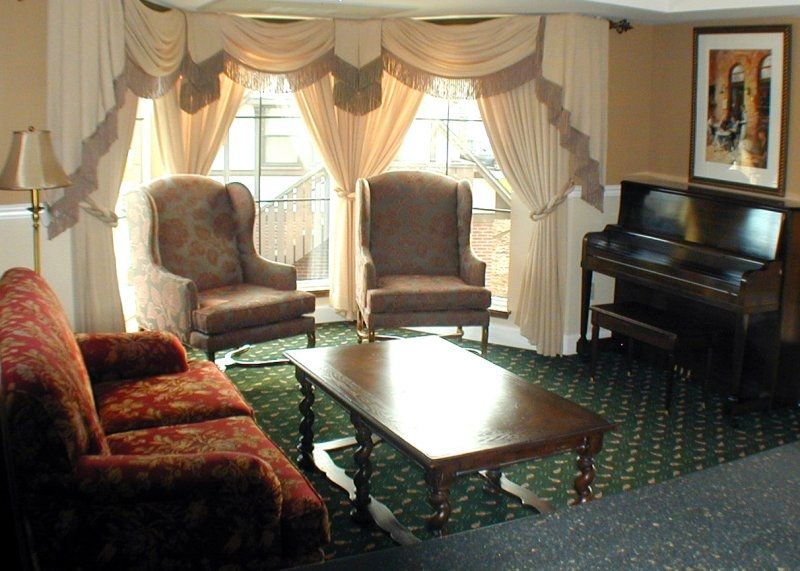
    A cozy living room featuring two armchairs, a coffee table, and a piano, with elegant curtains framing the windows.
  • Building

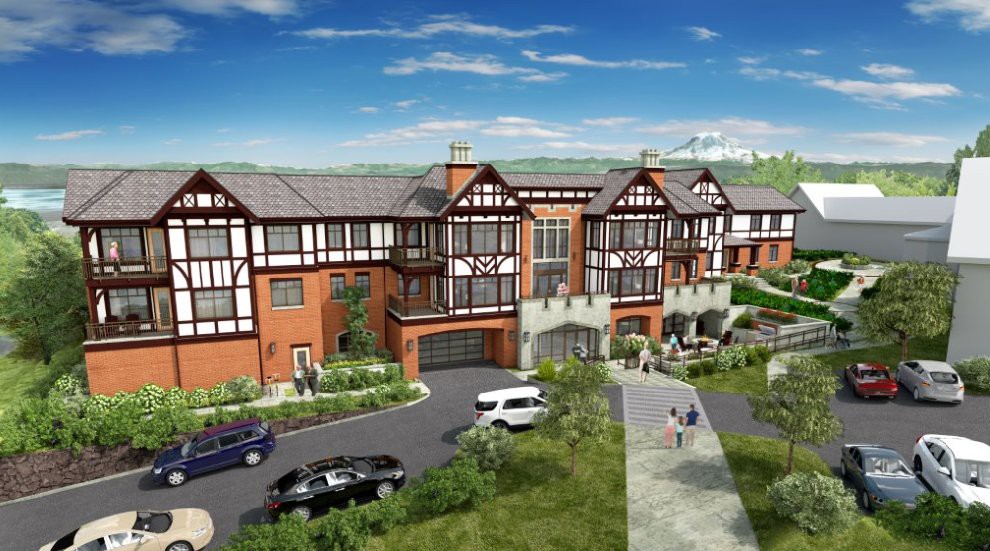
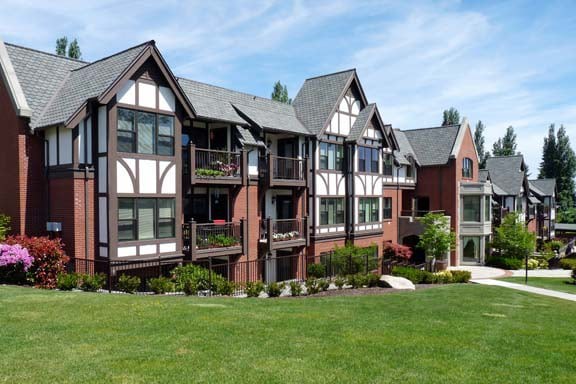
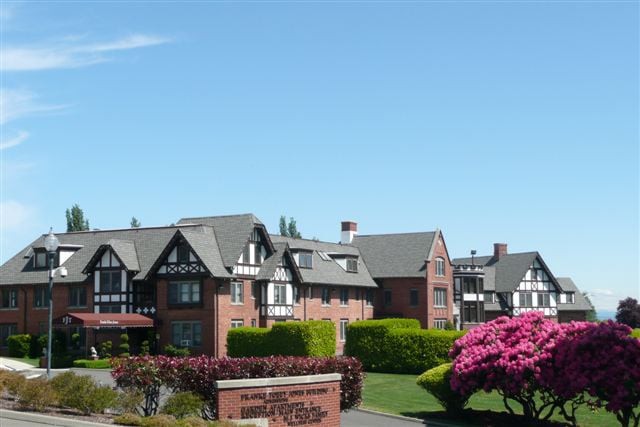
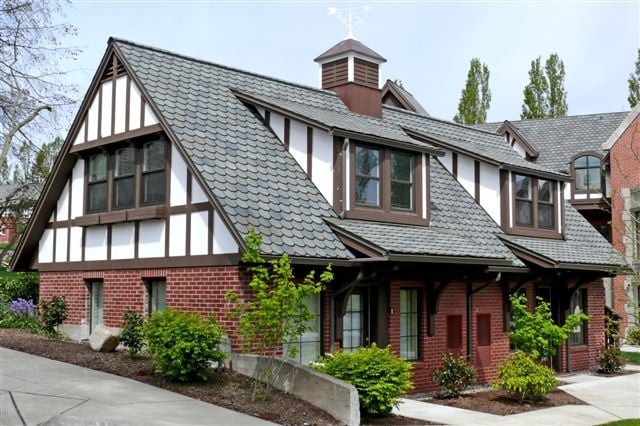
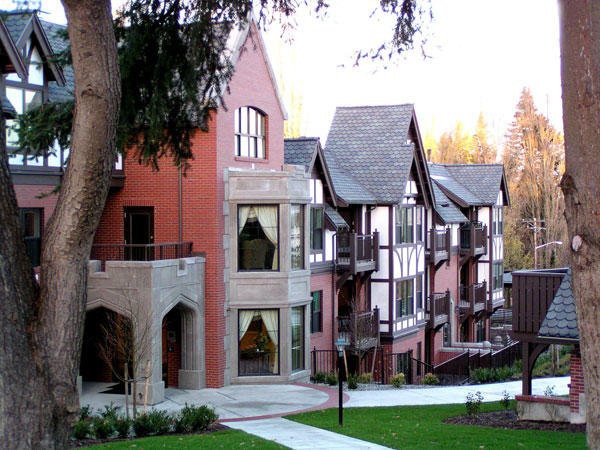
    A Tudor-style residential building surrounded by landscaping, with parked cars and people walking along a pathway under a clear blue sky.
  • Architecture

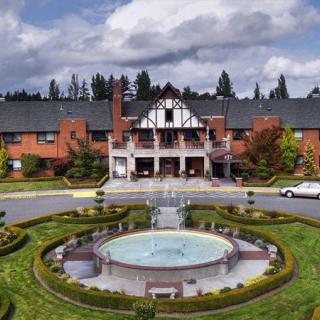
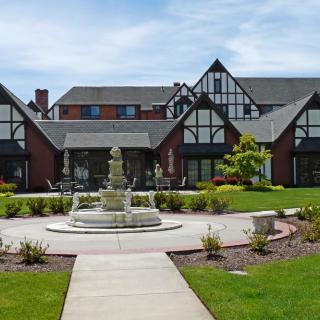
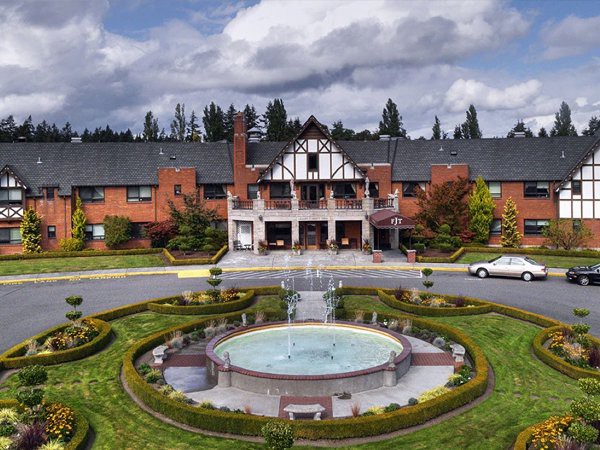
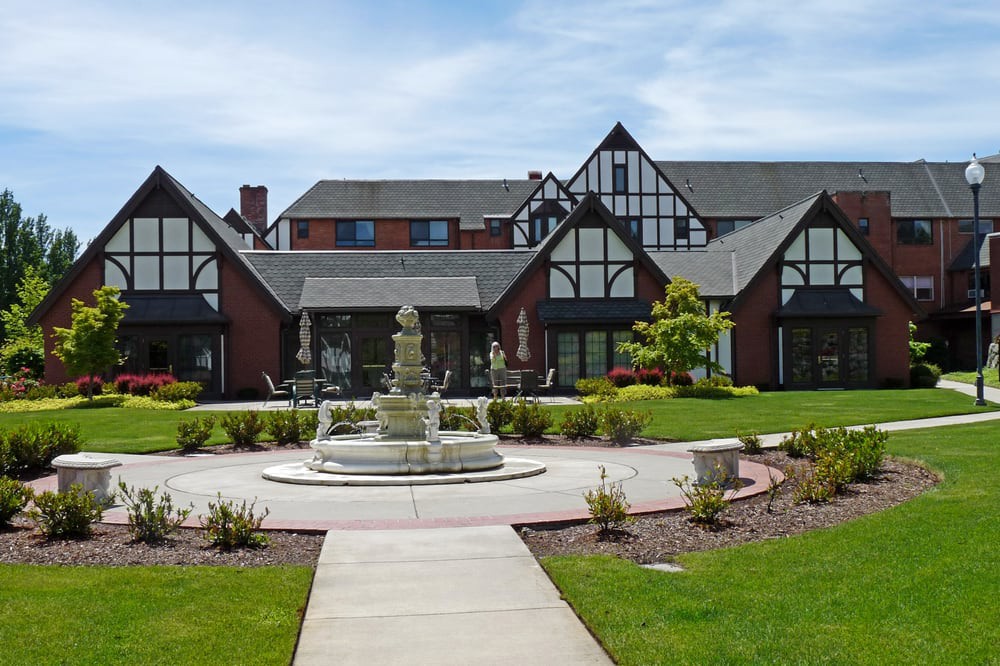
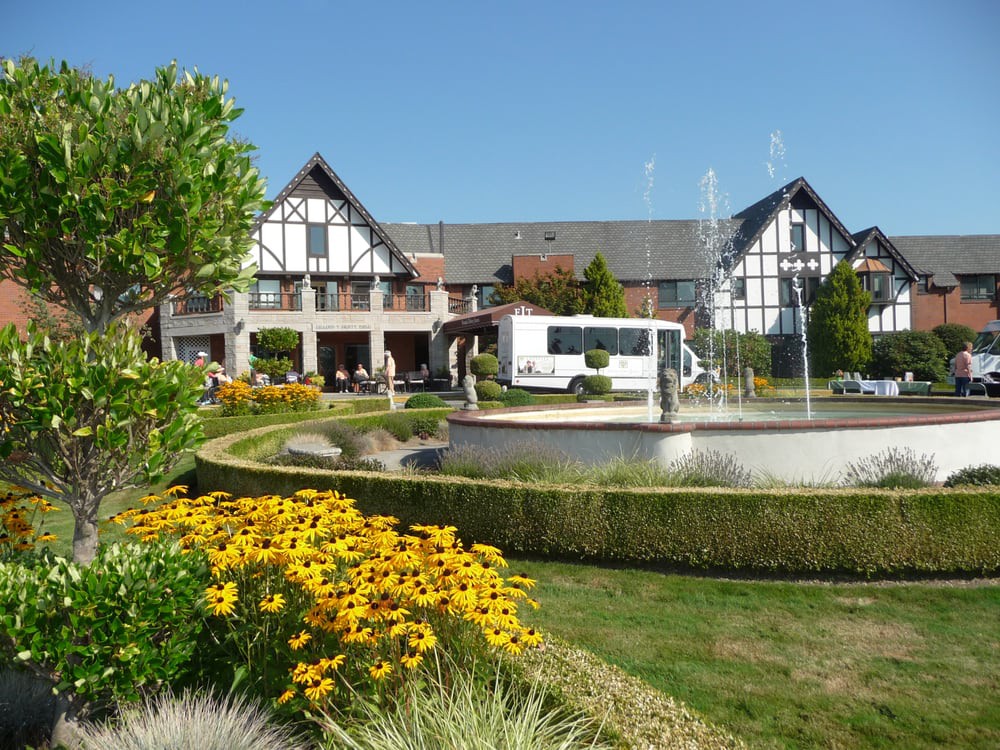
    A grand hotel with Tudor-style architecture features a central circular fountain and well-maintained gardens.
  • Bedroom

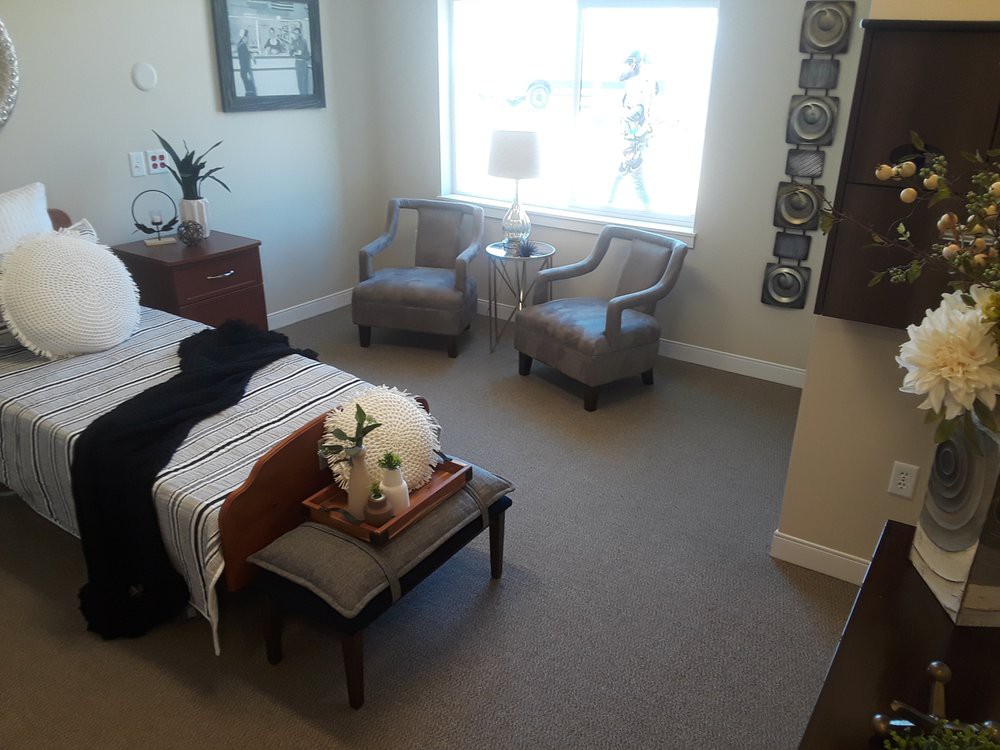
    A cozy and well-decorated bedroom with natural light.
  • Trees

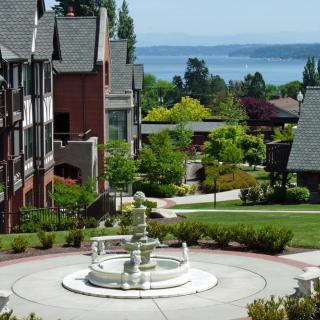
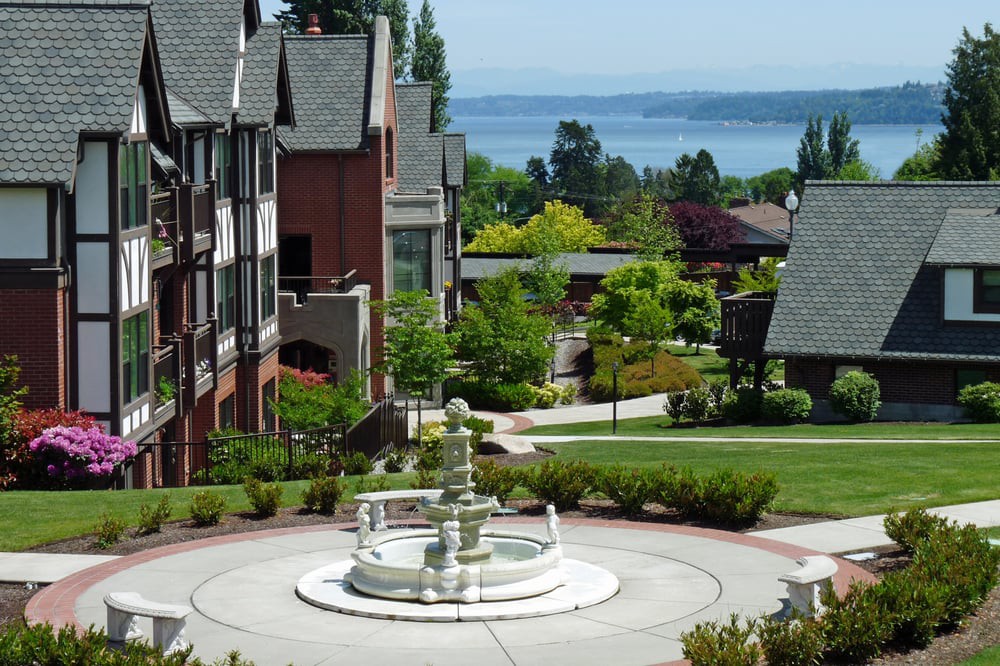
    A scenic neighborhood with a central fountain, surrounded by houses and greenery, overlooking a lake.
  • Windows

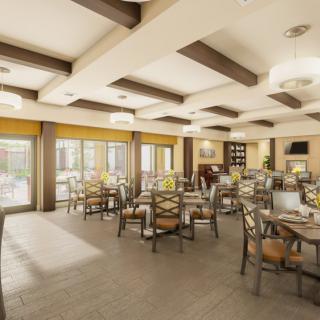
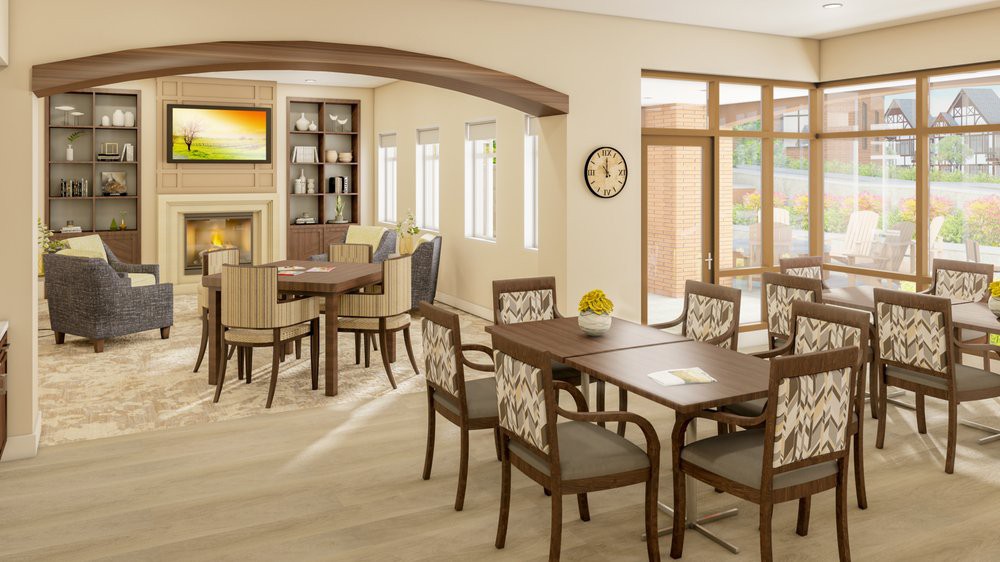
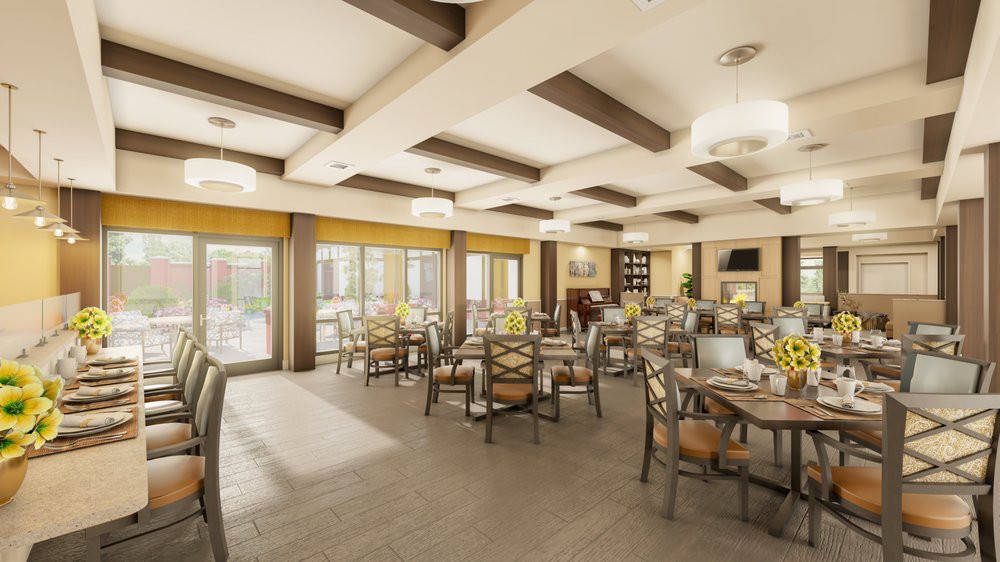
    A well-lit dining room with neatly arranged tables and chairs, featuring wooden beams and large windows.
  • Dining

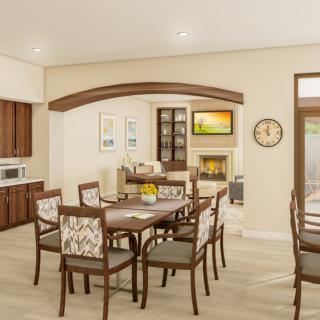
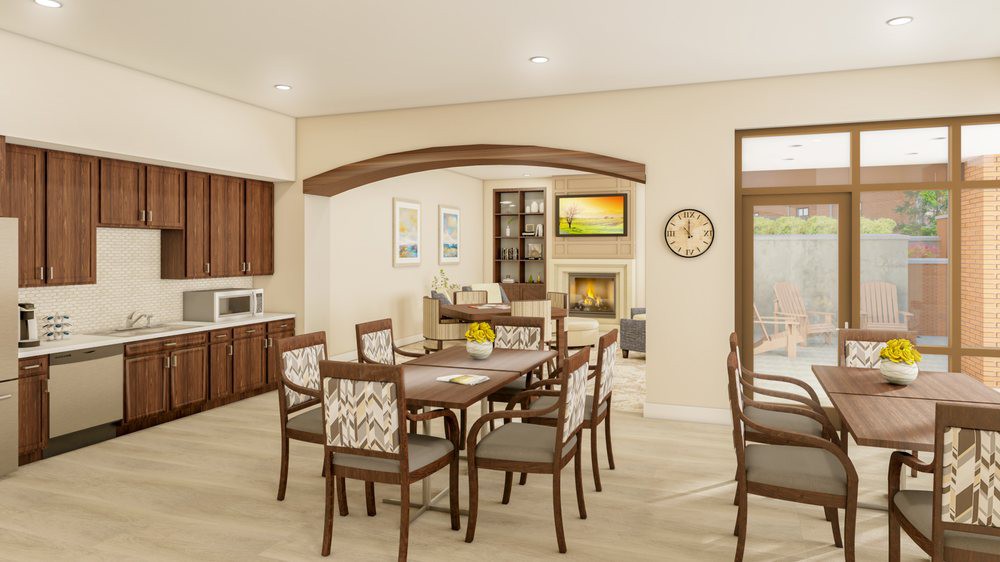
    A modern dining room with elegant furniture and a kitchen area in the background.
  • Landscaping

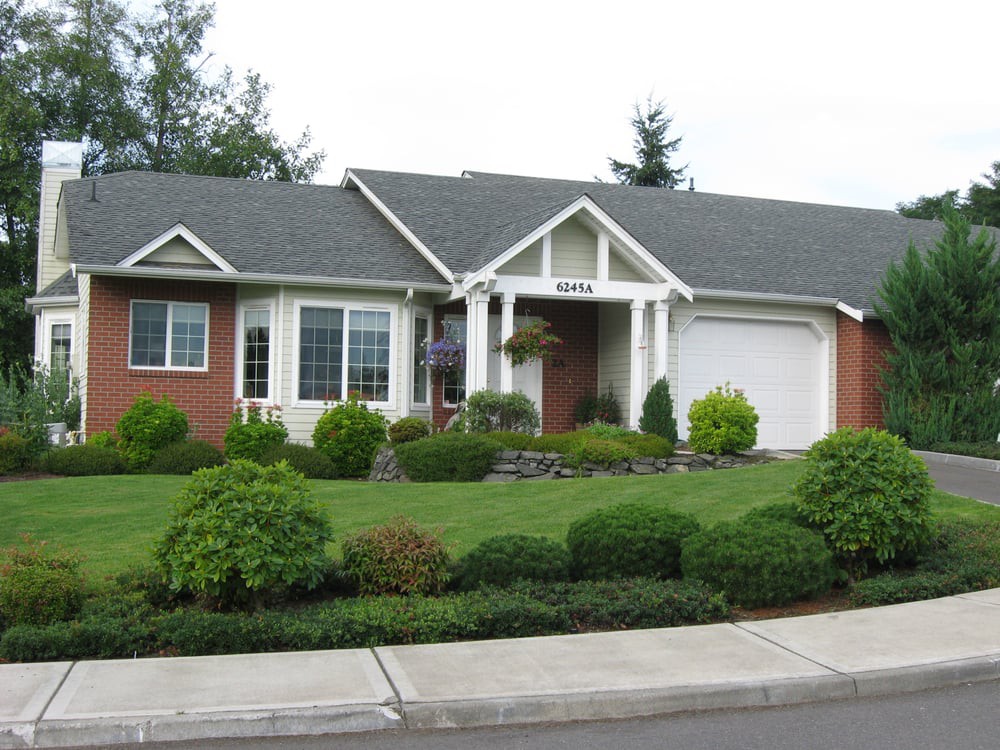
    A suburban house with a well-maintained front yard and landscaping.
  • Kitchen

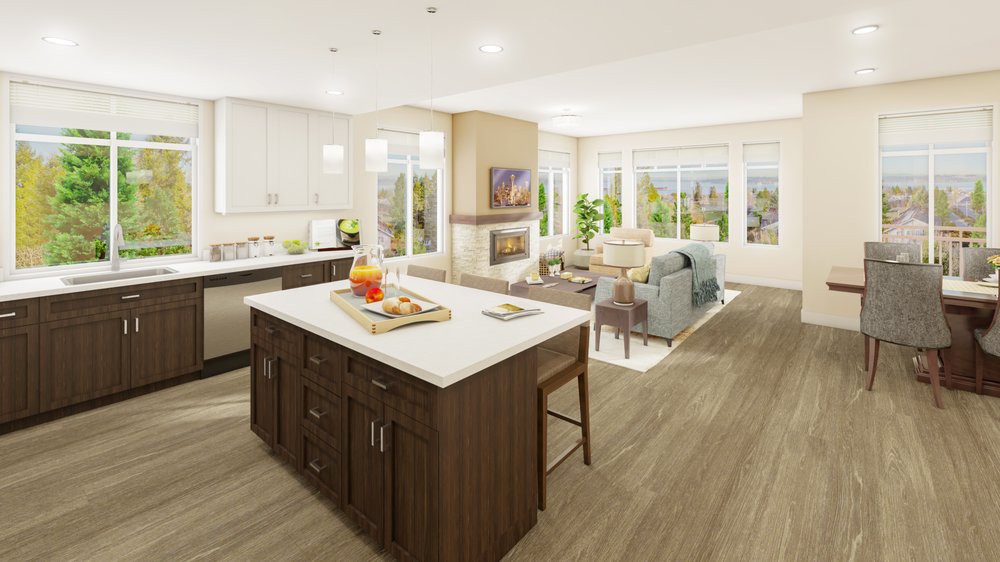
    A modern open floor plan featuring a bright kitchen and cozy living area.
  • Garden

    A Tudor-style building with a central fountain and landscaped gardens.
  • Entrance

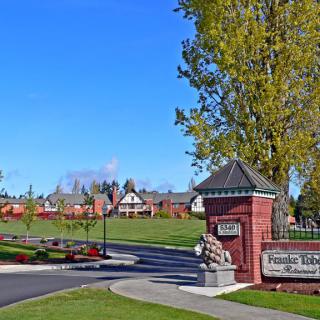
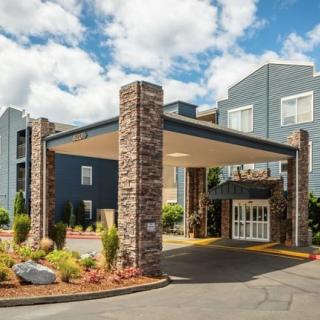
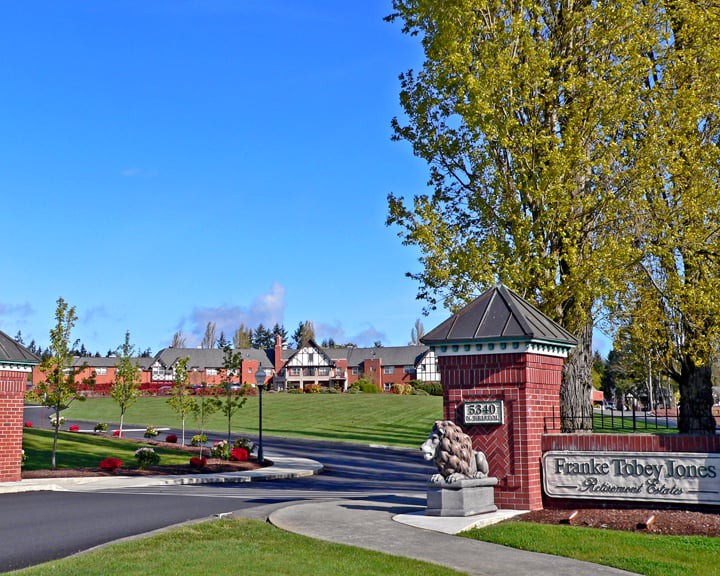
    The entrance to a college campus with prominent signage, surrounded by green lawns and trees under a clear blue sky.

Franke Tobey Jones in Tacoma, WA

5340 North Bristol Street, Tacoma, WA 98407

For more information about senior living options: (844) 490-3973

4.7 from 63 reviews
5 stars
55
4 stars
3
3 stars
1
2 stars
1
1 stars
3

Assisted Living Continuing Care Retirement Community (CCRC) Independent Living Memory Care

Overall Review of Franke Tobey Jones

Pros

  • pro Franke Tobey Jones is described as a wonderful place to live with friendly, caring staff.
  • pro The staff at FTJ are kind, compassionate, and treat residents as family.
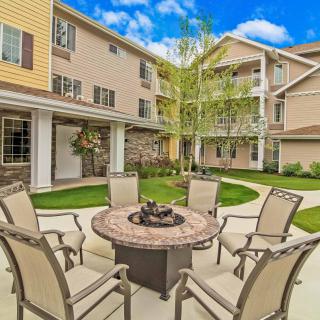
  • pro The campus is beautiful, well-maintained, with varied living options and pleasant grounds.
  • pro FTJ offers extensive activities, Senior University, a gym, art and woodworking, and a rich social calendar.
  • pro The dining service is outstanding, with high-quality meals and attentive servers.
  • pro The new Care Center and memory care facilities are state-of-the-art.
  • pro The location adjacent to Point Defiance Park provides scenic views and easy access to nature.
  • pro Residents feel safe and well cared for, with staff who know them by name.
  • pro FTJ is not-for-profit with a long-standing positive reputation and a community-focused approach.
  • pro Families consistently express gratitude and view FTJ as a trusted home for their loved ones.

Cons

  • pro One family reports that within ten months the healthcare cost for their father-in-law rose 700%, requiring an outside CNA 12 hours a day, with promises not followed through and Medicaid not accepted when funds ran out.
  • pro A reviewer says the facility has been in continuous decline for about ten years due to cost-cutting by the current CEO, with nurses and CNAs largely replaced by temp agency staff and no continuity of care.
  • pro The environment is described as extremely political and stressful because of a handful of staff, detracting from residents' well-being.
  • pro One quarter of the staff is described as rotten and rewarded, which undermines the whole team.
  • pro Some reviewers warn to beware of higher care levels and note governance practices that feel misaligned with residents' welfare.
  • pro There are reports of constant management turnover and a revolving door of administrators, leading to inconsistent care.
  • pro There is mention of an older establishment with a waiting list and no openings at the time of touring.

Review

Franke Tobey Jones is best suited for families seeking a high-quality continuing-care community in Tacoma that blends independent living options with ready access to memory care and skilled nursing on one campus. The appeal is strongest for active seniors who want a robust slate of programs - Senior University-style lectures, art and woodshop classes, fitness and wellness offerings - and a campus designed to feel like a well-staffed, small college town. The location beside Point Defiance Park, the range of housing from garden apartments and duplexes to larger cottages, and a polished, campus-like atmosphere make FTJ a compelling fit for those who value a vibrant, engaged lifestyle as they age, with the reassurance that care levels will follow them on campus if needs change.

Those weighing alternatives should consider affordability and long-term cost structure. Several reviews flag price sensitivity and potential escalation when moving to higher levels of care, sometimes with specific critiques about non-profit pricing models and the balance between services included in base rents and optional add-ons. Families on tight budgets or those who anticipate Medicaid as a primary funding source may want to compare options carefully, because there are accounts of significant increases in care costs and questions about what is and isn't covered. Additionally, a few voices raise concerns about leadership transitions and staffing continuity, which can influence consistency of care. For households prioritizing the absolute lowest monthly cost, or those needing very predictable, fixed pricing, alternatives may be worth evaluating.

The strongest element in FTJ's favor is the staff. Across assisted living, memory care, and independent living, the nurses, CNAs, activity teams, and concierge-facing staff are repeatedly described as compassionate, competent, and genuinely engaged with residents. This isn't generic hospitality; it's a workforce that residents and families feel understands individual needs, treats people with dignity, and functions as an extended family. That relational strength translates into meaningful daily interactions, thorough end-of-life care, and dependable responsiveness when concerns arise. The warmth of the staff is repeatedly cited as a differentiator that helps offset the sunbelt of costs and the emotional burden of aging in place.

Programming and campus resources reinforce the value proposition. The community's breadth matters: a well-equipped Wellness Center, multiple libraries, a woodshop, a gym with trainers, maintenance of gardens and grounds, and easy access to a "senior university" ecosystem of lectures and social clubs create an environment where residents can stay intellectually and socially active. The diversity of housing - independent cottages, garden apartments, and various floor plans in the newer independent living buildings - gives a flexible pathway for aging in place on the same campus. It is not merely a place to live; it's a full-service environment designed to sustain independence while offering safety nets that many families seek in their later years.

On the downside, the cost structure and perceptions of affordability cannot be ignored. Critics point to sharp increases in health-care-related costs and to mixed experiences with management's handling of price negotiations and service levels. A recurring caution is the potential disconnect between "not-for-profit" branding and the out-of-pocket realities of care escalation, especially for memory care or skilled nursing. Some reviews mention changes in staff composition, including reliance on temporary agency personnel, which can affect continuity of care. For prospective residents, these themes underline the importance of a careful financial plan, explicit contract language, and a frank conversation about long-range pricing, what is included, and what would trigger additional charges.

Overall, the pros - exceptional staff, a dynamic array of activities, a campus designed to support both social and intellectual engagement, and a seamless continuum of care - strongly offset the cons for many families. FTJ offers a meaningful sense of community, deep resident trust, and a lifestyle that prioritizes quality of life as aging advances. The not-for-profit ethos, paired with a spectacular location and a comprehensive care ecosystem on a single campus, creates a compelling case for those who are financially prepared for the ongoing cost of high-touch care and who want to minimize transitions as needs evolve.

For families considering FTJ, the practical advice is to tour with a specific plan: map out current needs, projected care trajectories, and a transparent budget that includes potential price escalations. Speak with several residents in different neighborhoods (independent living, assisted living, memory care) to understand day-to-day experiences. Inquire about staffing models, contract terms, and what is included in meal plans and activities. If affordability is a gating factor, compare with other CCRCs or non-profit communities that may offer different pricing structures or Medicaid-friendly options. When the fit is right, FTJ can deliver a rich, secure, and socially energized retirement with a built-in care continuum that supports families for years to come.

Features

Housing

  • 80 resident community capacity 80 resident community capacity

Types of Care

  • Assisted Living Assisted LivingAssisted living facilities provide crucial support and care for seniors who may need help with daily tasks such as medication management, bathing, and meal preparation. These communities offer a safe and comfortable environment where seniors can maintain their independence while receiving the assistance they need to thrive in their golden years.
  • Continuing Care Retirement Community (CCRC) Continuing Care Retirement Community (CCRC)Continuing Care Retirement Communities (CCRCs) are important for seniors because they provide a range of housing options and care services all in one location. This allows seniors to age in place and receive the level of care they need as their health changes, without having to move to a new facility. CCRCs provide a sense of security and peace of mind for seniors and their families, knowing that they will be taken care of no matter what the future holds.
  • Independent Living Independent LivingIndependent living communities are important for seniors because they offer a safe and supportive environment where older adults can live independently while still having access to amenities and services that enhance their quality of life. These communities provide social opportunities, recreational activities, and assistance with daily tasks, promoting overall well-being and allowing seniors to maintain their independence for as long as possible.
  • Memory Care Memory CareMemory care is crucial for seniors as it provides specialized support and services for individuals with dementia or Alzheimer's disease. These programs offer a safe and secure environment where residents receive personalized care, cognitive stimulation, and help with daily activities. Memory care helps seniors maintain their independence, quality of life, and dignity while also providing peace of mind for their families.

Amenities

  • Air-conditioning Air-conditioningAir conditioning is important for seniors as they are more vulnerable to heat-related illnesses and may have underlying health conditions that make it difficult for them to regulate their body temperature. It helps to keep them comfortable, safe, and healthy in hot weather.
  • Beauty salon Beauty salonBeauty salons are important for seniors because they provide a space for them to feel pampered, socialize, and maintain their personal grooming and hygiene. Regular visits to a beauty salon can help boost seniors' self-esteem and overall well-being.
  • Cable or satellite TV Cable or satellite TVCable or satellite TV is important for seniors because it provides entertainment, news, and companionship, helping to combat loneliness and boredom. It also offers a wide range of programming options tailored to different interests and preferences.
  • Computer center Computer centerA computer center is essential for seniors as it provides access to technology, communication tools, and resources that can enhance their daily lives. It allows them to stay connected with loved ones, engage in online activities, and learn new skills, ultimately promoting socialization and mental stimulation.
  • Fitness room Fitness roomHaving a fitness room in a senior living community is essential for seniors to stay active, maintain their physical health, and improve their overall well-being. Regular exercise can help prevent falls, reduce the risk of chronic diseases, and promote mental sharpness. It also provides social opportunities for residents to connect with others and enjoy a sense of community.
  • Fully furnished Fully furnishedFully furnished senior living communities are important for seniors because they provide convenience, comfort, and a hassle-free moving experience. Seniors can easily settle into their new living space without the stress of having to buy and move furniture. This allows them to focus on enjoying their new home and community.
  • Gaming room Gaming roomGaming rooms are important for seniors as they provide a fun and engaging environment for socializing, cognitive stimulation, and physical activity. Games can improve memory, problem-solving skills, and overall mental well-being while fostering friendships and reducing feelings of isolation.
  • Garden GardenGardens are important for seniors as they provide a peaceful and therapeutic environment for relaxation, physical activity, and socialization. Being in nature has been shown to reduce stress, improve mood, and promote overall well-being. Gardens also offer opportunities for seniors to engage in gardening activities, which can improve mobility, flexibility, and cognitive function. Additionally, gardens create a sense of community and connection with others who share a passion for plants and outdoor spaces.
  • Housekeeping services Housekeeping servicesHousekeeping services are important for seniors because they help maintain a clean and safe living environment, promote independence, and reduce the risk of accidents or illnesses. Additionally, having assistance with household chores can alleviate physical strain and allow seniors to focus on other aspects of their well-being.
  • Kitchenette KitchenetteKitchenettes are important for seniors living in senior living communities because they provide the convenience and independence of being able to prepare simple meals and snacks in the comfort of their own living space. This can help promote a sense of autonomy and well-being for seniors, allowing them to maintain some level of control over their dietary choices and daily routines.
  • Move-in coordination Move-in coordinationMove-in coordination is important for seniors because it helps ease the transition into their new living environment. It ensures that all logistics, such as packing, organizing movers, and setting up utilities are taken care of, allowing seniors to focus on settling in and adjusting to their new home. Having a smooth move-in process can alleviate stress and anxiety, making the transition smoother and more enjoyable for seniors.
  • Outdoor space Outdoor spaceOutdoor spaces are important for seniors as they provide opportunities for physical activity, social interaction, exposure to natural light and fresh air, and a sense of connection to nature. Having access to outdoor spaces can improve overall well-being and quality of life for older adults living in senior communities.
  • Private bathrooms Private bathroomsPrivate bathrooms are important for seniors in senior living communities because they provide independence, dignity, and comfort. Having a private bathroom allows seniors to maintain their personal hygiene routines without the need for assistance, promoting a sense of autonomy and privacy. Additionally, private bathrooms help prevent the spread of infections and provide a safe and clean environment for seniors to navigate safely.
  • Restaurant-style dining Restaurant-style diningRestaurant-style dining is important for seniors because it allows them to enjoy delicious, nutritious meals in a social and upscale setting. This enhances their dining experience, promotes healthy eating habits, and fosters socialization with fellow residents, ultimately contributing to their overall well-being and quality of life.
  • Small library Small librarySmall libraries are important for seniors as they provide access to a variety of reading materials, including books, newspapers, and magazines. This can help stimulate their minds, keep them engaged, and provide a sense of community through book clubs and other social activities. Additionally, reading has been shown to improve cognitive function and overall mental well-being in older adults.
  • Telephone TelephoneTelephones are important for seniors as they provide a lifeline for communication with loved ones, emergency services, and healthcare providers. They offer a sense of security and independence, enabling seniors to stay connected and access assistance when needed.
  • Wellness center Wellness centerWellness centers are important for seniors because they offer a variety of programs and services that promote physical, mental, and emotional well-being. These centers provide opportunities for exercise, socialization, education, and relaxation, helping seniors maintain their overall health and quality of life.
  • Wi-Fi/high-speed internet available Wi-Fi/high-speed internet availableWi-Fi/high-speed internet is important for seniors to stay connected with loved ones, access online resources, and participate in virtual activities to combat feelings of loneliness and isolation. It also allows them to easily manage healthcare needs, access entertainment, and engage in lifelong learning opportunities.

Transportation

  • Seattle-Tacoma International (14 miles away) Seattle-Tacoma International (14 miles away)
  • Community operated transportation Community operated transportationCommunity operated transportation is crucial for seniors as it provides them with the means to access essential services, social activities, and medical appointments. It allows seniors to maintain their independence and quality of life by ensuring they can participate in activities outside of their homes. Additionally, community-operated transportation services offer a safe and reliable way for seniors to travel without having to rely on family or friends for assistance.
  • Transportation arrangement Transportation arrangementTransportation arrangements are crucial for seniors as they may face challenges with driving, mobility, or access to public transportation. Having reliable transportation services ensures that seniors can easily attend appointments, social activities, and maintain their independence and quality of life.
  • Transportation arrangement (non-medical) Transportation arrangement (non-medical)Transportation arrangements are essential for seniors as they provide access to essential services, activities, and social interactions outside the home. This service helps maintain independence, mobility, and overall well-being for seniors who may have limited transportation options.

Care Services

  • 24-hour call system 24-hour call system24-hour call systems are important for seniors because they provide peace of mind and immediate assistance in case of emergencies. This technology ensures that help is always available, promoting safety and security for elderly individuals living alone or in assisted living facilities.
  • 24-hour supervision 24-hour supervision24-hour supervision is important for seniors to ensure their safety, well-being, and access to immediate assistance in case of emergencies or health issues. This constant support provides peace of mind for both seniors and their loved ones, allowing them to age in place with dignity and security.
  • Activities of daily living assistance Activities of daily living assistanceActivities of daily living assistance are important for seniors because they provide essential support with tasks such as eating, bathing, dressing, and mobility. This assistance helps seniors maintain their independence, dignity, and overall quality of life as they age.
  • Assistance with bathing Assistance with bathingAssistance with bathing is crucial for seniors as it helps maintain personal hygiene, prevents infections, and ensures their overall well-being and comfort. It also provides a sense of dignity and independence for seniors who may struggle with this task on their own.
  • Assistance with dressing Assistance with dressingAssistance with dressing is important for seniors because it helps maintain their independence, promotes personal hygiene, prevents accidents and injuries, and improves overall quality of life. This service ensures that seniors can continue to dress comfortably and confidently, despite any physical limitations they may have.
  • Assistance with transfers Assistance with transfersAssistance with transfers is crucial for seniors as it helps prevent falls and injuries, maintains their independence, and ensures they can safely navigate their living environment. It also provides peace of mind for both seniors and their loved ones.
  • Diabetes diet Diabetes dietA diabetes diet is crucial for seniors as it helps manage blood sugar levels, reduce risks of complications, and improve overall health and well-being. By following a balanced and nutritious diet tailored to their specific needs, seniors can better control their diabetes and enhance their quality of life.
  • Meal preparation and service Meal preparation and serviceMeal preparation and service are crucial for seniors as they may have limited mobility or energy to cook nutritious meals. Having access to healthy and convenient food options can ensure they are getting the proper nutrition needed to maintain their overall health and well-being.
  • Medication management Medication managementMedication management is crucial for seniors to ensure they are taking the right medications at the correct dosages and times. This helps prevent adverse drug interactions, reduces the risk of medication errors, and promotes overall health and well-being. Proactive management also allows for adjustments as needed based on changing health conditions or new prescriptions.
  • Special dietary restrictions Special dietary restrictionsSpecial dietary restrictions are important for seniors because age-related changes in metabolism and health conditions can make it difficult for their bodies to process certain foods. By following a diet tailored to their specific needs, seniors can maintain their overall health and well-being, manage chronic conditions, and reduce the risk of complications such as malnutrition or food interactions with medications.

Dining

  • Diabetes diet Diabetes dietA diabetes diet is crucial for seniors as it helps manage blood sugar levels, reduce risks of complications, and improve overall health and well-being. By following a balanced and nutritious diet tailored to their specific needs, seniors can better control their diabetes and enhance their quality of life.
  • Special dietary restrictions Special dietary restrictionsSpecial dietary restrictions are important for seniors because age-related changes in metabolism and health conditions can make it difficult for their bodies to process certain foods. By following a diet tailored to their specific needs, seniors can maintain their overall health and well-being, manage chronic conditions, and reduce the risk of complications such as malnutrition or food interactions with medications.

Activities

  • Community-sponsored activities Community-sponsored activitiesCommunity-sponsored activities are important for seniors as they provide opportunities for social interaction, mental stimulation, and physical activity. These activities can help improve overall well-being, combat loneliness and isolation, and promote a sense of belonging and purpose among older adults.
  • Concierge services Concierge servicesConcierge services are essential for seniors as they provide assistance with daily tasks and errands, enhance their quality of life by offering convenience and personalized care, and promote a sense of safety and security.
  • Fitness programs Fitness programsFitness programs are crucial for seniors as they help improve strength, flexibility, balance, and overall well-being. Staying active can reduce the risk of chronic diseases, improve mental health, and enhance quality of life in older adults.
  • Planned day trips Planned day tripsPlanned day trips are important for seniors because they offer opportunities for socialization, mental stimulation, and physical activity. They provide a change of scenery and help seniors stay engaged and connected to their community, promoting overall well-being and quality of life.
  • Resident-run activities Resident-run activitiesResident-run activities are important for seniors as they encourage social interaction, creativity, and a sense of autonomy. These activities empower seniors to stay engaged and active in their community while fostering meaningful connections with their peers.
  • Scheduled daily activities Scheduled daily activitiesScheduled daily activities are important for seniors because they provide structure, socialization, mental stimulation, and physical activity. Engaging in regular activities can improve overall well-being and quality of life for seniors living in a community setting.

Description

Located in Tacoma, WA, Franke Tobey Jones is an exceptional assisted living community offering a range of care options including Continuing Care Retirement Community (CCRC), Independent Living, and Memory Care. With a commitment to providing high-quality care and a vibrant living environment, this community offers comfort and support to its residents.

Franke Tobey Jones boasts an array of amenities to enhance the quality of life for its residents. From a beauty salon for pampering sessions to fully furnished accommodations, every aspect of daily living has been carefully considered. Residents can enjoy entertainment options such as cable or satellite TV, gaming rooms, and a small library. The community also provides convenient services like housekeeping, move-in coordination, community-operated transportation, and transportation arrangements.

The care services at Franke Tobey Jones are designed to meet the unique needs of each resident. With 24-hour supervision and assistance with activities of daily living such as bathing and dressing, residents receive the support they require while maintaining their independence. Medication management ensures that prescribed medications are administered properly, while special dietary restrictions are catered for through diabetes diets and meal preparation services.

Keeping residents engaged and active is a priority at Franke Tobey Jones. An extensive range of activities is available including fitness programs, scheduled daily activities, planned day trips, and resident-run activities. The community also offers concierge services to assist residents with any requests or needs they may have.

Additionally, Franke Tobey Jones benefits from its excellent location within Tacoma. With three cafes nearby and a variety of restaurants in close proximity, residents can easily explore local dining options when desired. Seven parks provide opportunities for leisurely strolls or picnics amidst nature. Access to pharmacies ensures that medication needs are readily met while numerous physicians nearby offer convenient healthcare services. Places of worship are also conveniently located for spiritual support. For cultural outings or entertainment experiences, theaters in the area provide ample choices.

In summary, Franke Tobey Jones in Tacoma, WA, is a thriving assisted living community offering comprehensive care services and a range of amenities. With a commitment to providing exceptional quality of life to its residents, this community ensures that each individual's needs are met while fostering independence and engagement.

Nearby Places of Interest

Parks

  • Point Defiance Park (0.3 miles)
  • Dune Peninsula at Point Defiance Park (0.6 miles)
  • Five Mile Drive (0.7 miles)
  • Kandle Park (2.2 miles)
  • Ancich Waterfront Park (3.8 miles)
  • Eddon Boat Park (3.9 miles)
  • Titlow Park (4 miles)

Restaurants

  • Anthony's At Point Defiance (0.5 miles)
  • Peaks and Pints (2.6 miles)
  • Tides Tavern (3.3 miles)
  • The Harbor General Store (3.4 miles)
  • El Pueblito (3.5 miles)
  • Netshed No. 9 (3.6 miles)
  • The Beach Tavern At Titlow (4 miles)

Physicians

  • CHI Franciscan Plastic Surgery (0.8 miles)
  • Northend Optical (2 miles)
  • Dr Jonathan L. Ritson, MD (2.4 miles)
  • Donner Charles S MD (2.6 miles)
  • Pacific Northwest Eye Associates (2.8 miles)
  • Harbor Pediatrics (2.8 miles)
  • Franciscan Ear, Nose & Throat Associates - Gig Harbor (2.8 miles)

Pharmacies

  • Walgreens (1.4 miles)
  • Rite Aid (2.4 miles)
  • Safeway Pharmacy (2.5 miles)
  • Bartell Drugs (2.6 miles)
  • Rite Aid (2.8 miles)
  • Walgreens (3.4 miles)
  • Bartell Drugs (3.6 miles)

Cafes

  • Starbucks (2.2 miles)
  • Panera Bread (2.7 miles)
  • Starbucks (3.5 miles)
  • Starbucks (5.5 miles)
  • Starbucks (5.7 miles)
  • Starbucks (5.8 miles)
  • Starbucks (5.9 miles)

Hospitals

  • Gig Harbor Ambulatory Surg Center (3.2 miles)
  • Group Health Cooperative (4.2 miles)
  • MultiCare Regional Cancer Center - Tacoma (4.4 miles)
  • MultiCare (4.4 miles)

Places of Worship

  • Christ Episcopal Church (4.2 miles)
  • Chapel Hill Presbyterian Church (4.3 miles)
  • Agnus Dei Lutheran Church (4.8 miles)

Theaters

  • Grand Cinema (4.7 miles)

Frequently Asked Questions

Where is Franke Tobey Jones?
Does Franke Tobey Jones provide care for residents with dementia or Alzheimer's disease?
What photos are available for Franke Tobey Jones in Tacoma, Washington?

Nearby Communities

  • Franke Tobey Jones - Retirement Estates

    Franke Tobey Jones - Retirement Estates

    Tacoma, WA

    4.7 from 55 reviews
    $2,270 to $6,270 / month

    pro Well-maintained, welcoming community with friendly staff and an informative tour.

  • Solstice Senior Living At Point Defiance

    Solstice Senior Living At Point Defiance

    Tacoma, WA

    4.2 from 148 reviews
    $2,360 to $4,150 / month

    pro Beautiful park-like setting with friendly staff and engaging activities.

  • Golden Age Adult Family Home

    Golden Age Adult Family Home

    Tacoma, WA

    4.3 from 7 reviews
    $4,000 / month

    pro Compassionate care with strong, attentive staff communication and affordable pricing.

  • Gencare Lifestyle Tacoma at Point Ruston

    Gencare Lifestyle Tacoma at Point Ruston

    Tacoma, WA

    4.6 from 57 reviews
    $4,100 to $7,000 / month

    pro Attentive, warm staff in an upscale, amenity-rich community with engaging activities.

  • Lawn Courte Apartments

    Lawn Courte Apartments

    Tacoma, WA

     
    $975 / month

    pro Affordable 2-bedroom in a pet-friendly 55+ assisted living with good access to nearby amenities.

  • Harbor Place At Cottesmore

    Harbor Place At Cottesmore

    Gig Harbor, WA

    4.4 from 26 reviews
    $2,500 to $4,175 / month

    pro Well-manicured grounds, spacious common areas, and strong rehab services.

  • Golden Hemlock Apartments

    Golden Hemlock Apartments

    Tacoma, WA


    pro Excellent access to healthcare, dining, parks, and social amenities; active senior community.

  • Holiday Peninsula

    Holiday Peninsula

    Gig Harbor, WA

    4.4 from 71 reviews
    $2,719 to $4,889 / month

    pro Remodeled, comfortable spaces with friendly staff, a strong sense of community and diverse on-site activities.

  • Cogir at The Narrows  Tacoma Assisted Living

    Cogir at The Narrows Tacoma Assisted Living

    Tacoma, WA

    4.3 from 148 reviews
    $3,395 to $4,695 / month

    pro Warm, attentive staff and a lively, engaged community.

Related Resources

  • list of drugs linked to dementiaA Thorough Discussion of Medications Potentially Linked to Dementia Risk

    Dementia, influenced by aging and certain medications, may be exacerbated by drug classes such as anticholinergics, benzodiazepines, and antipsychotics, which are associated with cognitive impairment. Regular medication reviews by healthcare professionals are crucial for older adults to manage risks and optimize cognitive health.

  • do dementia patients sleep a lotWhy Do Dementia Patients Sleep So Much? Understanding Oversleeping, Stages, and Care Approaches

    Dementia often results in disrupted sleep patterns, leading to excessive daytime sleeping due to factors like brain damage affecting circadian rhythms, medication side effects, and lack of structure in daily activities. Caregivers must monitor these changes closely, as oversleeping can increase risks such as malnutrition or dehydration, and provide necessary support and routines to enhance patient engagement and well-being.

  • when to move from assisted living to nursing home8 Key Indicators That Suggest It May Be Time to Transition from Assisted Living to Skilled Nursing Care
    The transition from assisted living to skilled nursing care is often prompted by complex medical needs that assisted living cannot meet, with key indicators including frequent health declines, increased falls, severe memory issues, and caregiver burnout. Families should recognize these signs early to discuss options with healthcare providers and prepare for the emotional and logistical aspects of moving to a facility that offers comprehensive medical support.