Franke Tobey Jones - Retirement Estates Costs & Pricing
Franke Tobey Jones - Retirement Estates offers competitive pricing for its residents, especially when compared to the broader market averages in Pierce County and Washington State. For instance, a studio apartment at Franke Tobey Jones costs $2,270 per month, significantly lower than the county average of $4,039 and the state average of $4,126. Similarly, their one-bedroom units are priced at $2,425, again well below both the county ($4,456) and state ($4,632) averages. The cost for two-bedroom apartments stands at $3,000, which is notably more affordable than the county's average of $4,129. Even in terms of private rooms - priced at $6,270 - Franke Tobey Jones remains competitive when considering that this figure still aligns closely with the higher averages seen in both Pierce County ($4,623) and Washington State ($4,772). Overall, Franke Tobey Jones provides an attractive option for potential residents seeking quality living arrangements without excessive financial burden.
Floor plans
Franke Tobey Jones - Retirement Estates
Pierce County
Washington
Studio
$2,270
$4,039
$4,128
1 Bedroom
$2,425
$4,456
$4,634
2 Bedrooms
$3,000
$4,129
$4,301
Private
$6,270
$4,623
$4,774
Assisted Living communities with a similar price nearby
Overall Review of Franke Tobey Jones - Retirement Estates
common11 reviews mention this
Food gets frequent high marks
Residents consistently describe the food as a standout part of daily life.
Many residents and families single out the dining experience as consistently good, from a highlight dining room to memorable meal preparation. Several reviews mention variety and quality, including comments about it being made by chefs and fitting a budget. A smaller number of residents describe meals as only average or not gourmet, but most still frame dining positively.
differentiator5 reviews mention this
Point Defiance Park is close
The location near Point Defiance Park is a repeated reason families choose Franke Tobey Jones.
Residents and visitors repeatedly mention being near Point Defiance Park, with the outdoors becoming part of the day-to-day experience. Reviews describe walking-friendly grounds and nearby waterfront and trails. Families also note the nearby park views and the overall advantage of the setting.
common3 reviews mention this
Senior University classes stand out
Senior University is mentioned as a valued source of classes and lectures.
A few reviews specifically point to Senior University offerings, describing interesting topics and well-organized presentations. Some families link it to an overall sense of engagement, with residents participating in classes and discussions as part of life at the community. Even in reviews that focus on other strengths, Senior University comes up as an activity people look forward to.
How we summarize
Counts show how many written reviews mention each theme; a review can touch several themes, and only frequently mentioned themes are displayed.
Franke Tobey Jones - Retirement Estates offers competitive pricing for its residents, especially when compared to the broader market averages in Pierce County and Washington State. For instance, a studio apartment at Franke Tobey Jones costs $2,270 per month, significantly lower than the county average of $4,039 and the state average of $4,126. Similarly, their one-bedroom units are priced at $2,425, again well below both the county ($4,456) and state ($4,632) averages. The cost for two-bedroom apartments stands at $3,000, which is notably more affordable than the county's average of $4,129. Even in terms of private rooms - priced at $6,270 - Franke Tobey Jones remains competitive when considering that this figure still aligns closely with the higher averages seen in both Pierce County ($4,623) and Washington State ($4,772). Overall, Franke Tobey Jones provides an attractive option for potential residents seeking quality living arrangements without excessive financial burden.
Incontinence care at Franke Tobey Jones is designed to provide dignity and comfort to residents experiencing the challenges associated with dementia or Alzheimer's disease. This specialized support ensures that residents receive timely assistance, reducing anxiety and maintaining personal hygiene, which can significantly enhance their overall well-being. Care staff are trained to address individual needs sensitively and compassionately, fostering an environment of trust and safety. By managing incontinence discreetly, the facility alleviates potential discomfort or embarrassment for residents, allowing them to engage more fully in daily activities and social interactions. This tailored approach supports both emotional and physical health for those in different stages of cognitive decline.
Dementia leads to cognitive impairment and can cause emotional and behavioral changes, including aggression that arises from frustration, confusion, or fear. Effective coping strategies for caregivers include understanding dementia's nature, recognizing triggers, using empathetic communication, and employing non-pharmacological interventions like music and art therapy.
Dementia causes cognitive decline and challenging behaviors that caregivers must manage, necessitating an understanding of the neurological basis of these issues. Effective strategies and self-care for caregivers can enhance support for those with dementia and improve their daily lives.
The content outlines five key early indicators of dementia, including significant memory loss and confusion about time and place, while emphasizing the need for professional evaluation and emotional support for both individuals showing symptoms and their caregivers. It encourages family members to monitor these signs closely and use online quizzes for initial awareness.
Get PricingAsk A QuestionSchedule A TourContact Senior Advisor
By clicking submit, you agree to our Partner's Terms of Use. You
also consent to receive calls and texts, which may be autodialed, from our Partner. Your consent is not a condition to
using our Partner's service. Please visit our Partner's Privacy Policy for information about their privacy practices.

 Assisted Living
 Independent Living
 Memory Care
 Skilled Nursing Facility
 Cats allowed
 Dogs allowed
 Activities on-site
 Beautician on-site
 Devotional services off-site
 Indoor common areas
 Private
 Seattle-Tacoma International (14 miles away)
 Ambulatory care
 Diabetic care
 Incontinence care
 Kosher
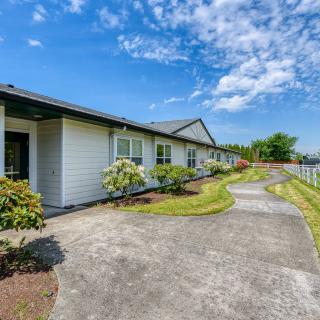
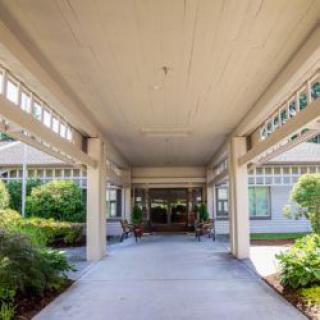
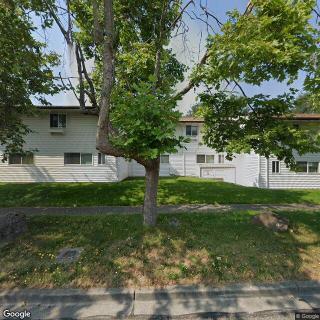
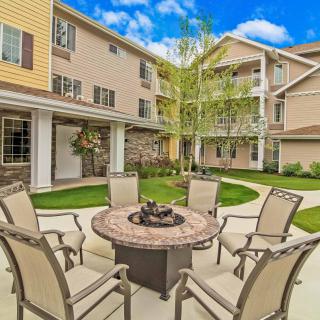
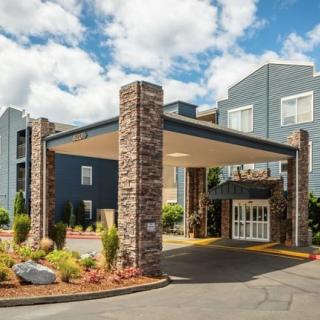
 Beautiful, well-maintained grounds with diverse living options and friendly, responsive staff.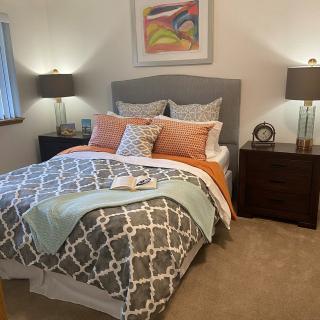

 When Dementia Sparks Anger and Aggression: Understanding the Connection and Ways to Cope
 Dementia Behaviors: In-Depth Understanding and Effective Coping Strategies
 5 Early Indicators of Dementia and What You Can Do