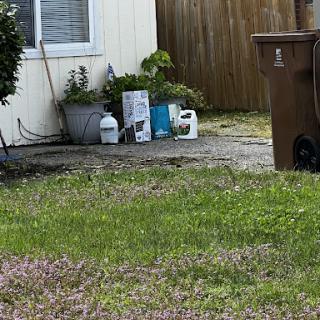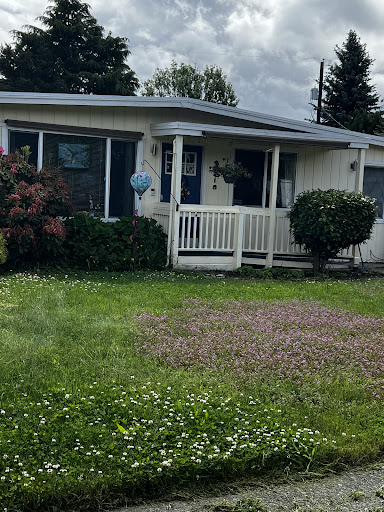
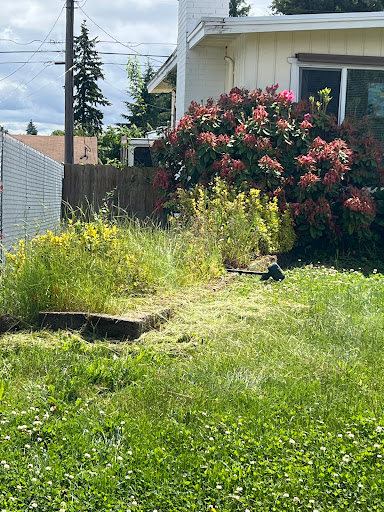
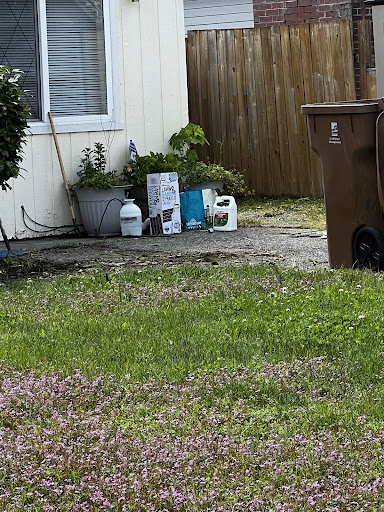
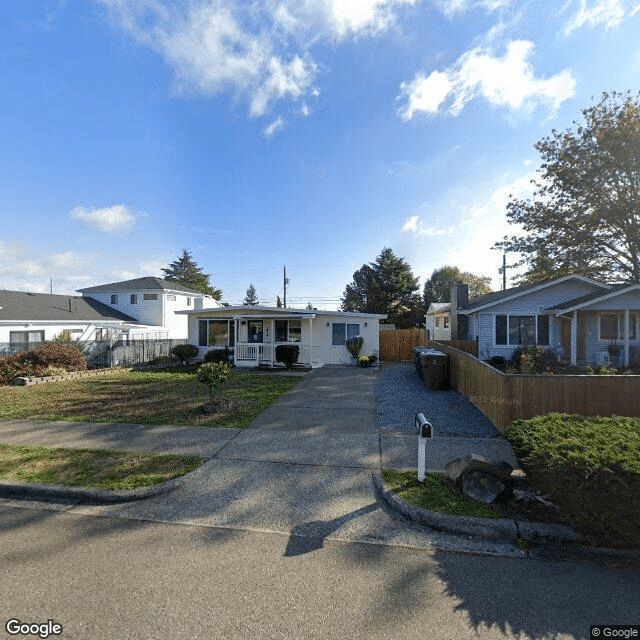
4515 North Bristol, Tacoma, WA 98407
To contact a resident: (253) 301-2682
For more information about senior living options: (866) 208-4318
Golden Age Adult Family Home Costs & Pricing
Golden Age Adult Family Home offers competitive pricing for its services, with a monthly cost of $4,000 for both private and semi-private rooms. This rate is notably lower than the average costs in Pierce County, which are $4,623 for private rooms and $4,264 for semi-private accommodations. When compared to the state averages in Washington of $4,772 for private and $4,267 for semi-private rooms, Golden Age Adult Family Home stands out as a more affordable option while still providing quality care. These cost advantages may appeal to families seeking value without compromising on the essential support and comfort needed for their loved ones.
| Floor plans | Golden Age Adult Family Home | Pierce County | Washington |
|---|---|---|---|
| Private | $4,000 | $4,623 | $4,774 |
| Semi-Private | $4,000 | $4,264 | $4,272 |
Senior living communities with a similar price nearby
-
About the same
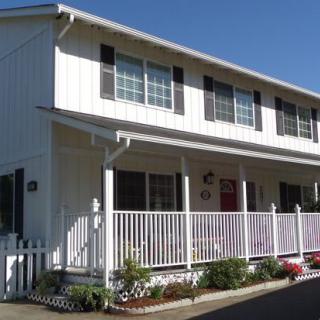
Meadow Crest Senior Home
$4,000 to $6,000 / month21.8 miles away -
About the same

Riverton Home Care
$4,000 to $5,000 / month16.7 miles away -
About the same
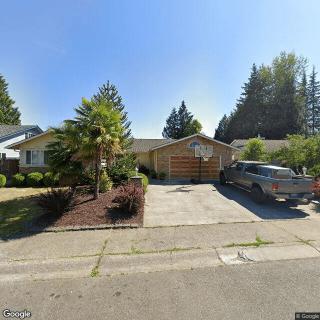
Gentle Care Home
$4,000 to $5,500 / month21.4 miles away -
from -$500 / mo

Twin Lakes Haven Adult Family Home
$3,500 to $8,000 / month7.5 miles away -
from -$500 / mo
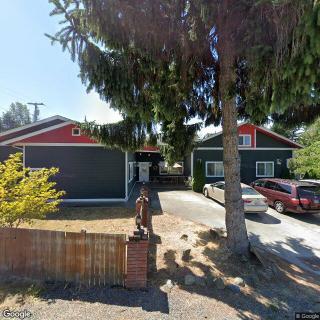
Valley Home Care
$3,500 / month18.0 miles away
Overall Review of Golden Age Adult Family Home
Pros
 They were very kind to her mom and were patient.
- Lynette and her staff did an amazing job and made the final years of the mother-in-law's life very good.
- They did an awesome job taking care of her from beginning to end.
- They are definitely good people who truly care about residents and families.
- The mother loved the place and felt at home.
- The mother loved the owner and all the caregivers; they were like family.
- The owner provides a safe and caring environment for the residents.
- The care team communicates well and keeps families informed.
Cons
 Lynette the lady that runs this is the epitome of a power trip.
- She needs all the attention when you visit your loved one or she will ban you from ever seeing them again.
- Don't believe the comment left by Jennifer Wick.
- Don't beleive the other review from Ms Wick.
- Jennifer is my niece and because of negative actions towards her mother who is a patient in the home, and rude behavior to the owner and other female patients, the State Ombudsman was involved and Jennifer is no longer allowed to visit her mother on the property.
- The post from Jennifer Wick is incorrect.
Review
Golden Age Adult Family Home in Tacoma is best suited for families that want a small, home-like setting where a loved one can receive highly personalized attention, consistent caregiver relationships, and daily opportunities for social interaction. The model here is intimate care delivered by a hands-on owner-operator and a tight-knit team in a four-resident environment. Families drawn to warmth, regular updates, and a sense that residents are treated as extended family will find the atmosphere compelling. The consistency of caregiving, the willingness to accommodate individual routines, and the continuity of staff are repeatedly cited as major strengths. The setting tends to work best for seniors who do not require intensive medical interventions on a hour-by-hour basis but who thrive on predictable days, familiar faces, and meaningful companionship.
Those who should consider alternatives are clear: if a resident needs robust clinical support around the clock, complex medical management, or a facility with larger staff and more formalized oversight, a bigger assisted living or memory-care community may offer stronger assurances. Families requiring documented procedures, multi-disciplinary care teams, or rigorous safety protocols should also weigh options elsewhere. Additionally, the online narrative around Golden Age includes contrasting experiences. While many families praise the personal touch and accessibility, a subset of reviewers has raised concerns about boundaries, visitation dynamics, and perceived tone from the leadership. Prospective residents must enter with direct questions about governance, monitoring, and safeguarding measures and verify them through in-person conversations and local references before deciding.
The core pros, deep caregiver accessibility, a family-like atmosphere, and transparent communication, often offset the potential downsides for many families. Residents benefit from highly individualized attention, timely problem-solving, and a setting where staff seemingly remembers personal preferences and meals. The owner’s hands-on approach is repeatedly linked to quick responses to issues and a sense that someone is always paying attention to the resident’s well-being. This level of intimacy can translate into meaningful daily joy, fewer transfers, and reassurance for families who want to witness consistent warmth in everyday moments. When these strengths align with a resident’s needs, the advantages, stability, familiarity, and frequent, honest updates, tend to outweigh the drawbacks that come with a smaller operation.
On the other hand, the main cons reflect the inherent trade-offs of a small, family-run home. The most common concerns center on the potential for perceived authoritarian dynamics or limits to outside oversight, which some reviewers describe as power-leaning or restrictive in a way that complicates family involvement. There are also voices claiming instances of abuse or mistreatment, though those accounts are contested by others who attest to long-tenured stays and clear, compassionate care. This split reality means that the decision hinges on the level of comfort with a small-administration model and the willingness to perform due diligence: meet the staff, observe interactions with residents, and probe for concrete procedures around conflict resolution, privacy, and safety. The bottom line is that the environment can be deeply nurturing, but it demands careful, direct verification of governance and day-to-day operations.
Practical daily-life specifics matter in choosing between Golden Age and alternatives. The small-scale setting tends to yield intimate routines, accessible social activities, and a pace that fosters genuine relationships among residents and caregivers. Families frequently highlight peace of mind from consistent communication and visible devotion to individual residents’ happiness. Yet the same size may limit formal medical programming or campus-wide amenities found in larger communities. Prospective residents should ask pointed questions about staffing ratios at night, supervision during activities, how mobility and fall risk are managed, meal quality and dietary accommodations, and what happens when a resident’s healthcare needs change. Visiting the home, meeting the caregivers in action, and reviewing a sample week of activities can reveal more than any brochure.
In the end, Golden Age Adult Family Home is a compelling option for families who prize a cozy, attentive, family-forward environment and are comfortable placing trust in a small, owner-led operation. The strongest fit is for someone who values continuity of care, open communication, and a setting where staff become like extended family to residents. For families seeking robust clinical oversight, a larger facility with formalized protocols may be a more appropriate match. The prudent path is to conduct thorough, face-to-face evaluations, speak with the owner, observe daily interactions, ask to contact current families, and request specifics on safety, dementia care capabilities, and emergency planning. If alignment is found on those points, the positive momentum from compassionate care and consistent staffing can deliver significant reassurance and remarkable quality of life for a loved one.
 Board and Care Home
 Activities on-site
 Bath tubs
 Indoor common areas
 Outdoor common areas
 Private
 Seattle-Tacoma International (15 miles away)
 Ambulatory care
 Diabetic care
 High acuity care
 Incontinence care
 Medication management
 Meals provided
 Christian services



 California's Form 602A: An In-Depth Examination of Senior Care Assessment
 Comprehensive Look at Senior Blood Pressure Charts: Normal and Elevated Levels by Age
 Top Canine Companions for Older Adults