For more information about senior living options: (866) 208-4318
4.3 from 29 reviews
5 stars
19
4 stars
6
3 stars
1
2 stars
0
1 stars
3
Overall Review of Rockwood
common14 reviews mention this
Staff support feels responsive
Residents describe staff as consistently kind and ready to help right away.
Across reviews, families and visitors say staff members are welcoming, attentive, and quick to respond when help is needed. Multiple residents describe day-to-day support as respectful and accommodating, not overly intrusive. Even during visits or tours, people mention friendly office staff and service teams that make guests feel comfortable.
common10 reviews mention this
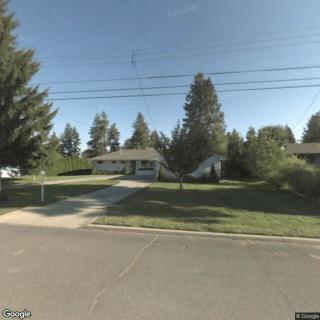
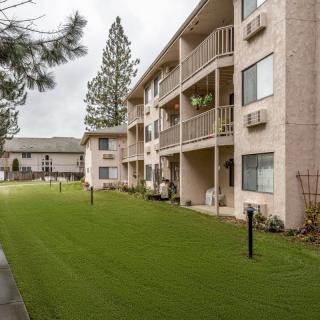
The community stays well maintained
Residents and visitors repeatedly note a clean, well-kept environment.
Several reviews emphasize that the facility looks spotless and stays up to date, including well-kept grounds and maintained interiors. People also mention cleanliness as part of the overall comfort of the community, from common areas to outdoor landscaping. One review also notes an unusual disruption due to flooding, but frames it as an expected issue that still impacted the visit.
common8 reviews mention this
Activities keep residents engaged
Residents have plenty to do, from daily activities to group outings.
Reviews frequently highlight a steady variety of activities, including fitness and social events, plus resident-run or community-sponsored options. Some families specifically mention outings around town and shared group interests, along with spaces where people can gather. A few reviews also point to specialized programs and classes that add structure beyond a passive routine.
differentiator8 reviews mention this
Restaurant-style dining stands out
Dining is a frequent highlight, often described as restaurant-style and well presented.
Dining comes up often: multiple reviews praise the dining rooms and describe restaurant-style meals with variety across different dining options. Several also mention accommodating special diets and providing options to help residents settle when they’re upset. At the same time, at least one visitor reports dissatisfaction with food quality and portions during dinners they attended.
differentiator3 reviews mention this
Memory care includes practical support
Memory care reviews focus on hands-on, comfort-centered help.
For residents in memory care or dementia units, reviews mention features designed around daily comfort and assistance. One review highlights dementia units with their own showers, described as allowing residents to take showers when they want. Another notes approaches for times when residents are agitated, including offering food and support to help them settle.
caveat2 reviews mention this
Office and social-work experience varies
Some reviews describe frustration with office or social-work communication.
While many reviews are positive about staff, a couple of experiences were less comfortable. One reviewer reports an extremely poor attitude from an office manager when requesting paperwork. Another mentions not caring for the social worker, even though other parts of the experience were described as strong.
How we summarize
Counts show how many written reviews mention each theme; a review can touch several themes, and only frequently mentioned themes are displayed.
Features
Housing
90 resident community capacity
Types of Care
Assisted Living
Continuing Care Retirement Community (CCRC)
Independent Living
Memory Care
Skilled Nursing Facility
Amenities
Air-conditioning
Beautician on-site
Beauty salon
Cable or satellite TV
Cafe
Computer center
Dining room
Fitness room
Fully furnished
Gaming room
Garden
Guasts at mealtime
Guest parking
Housekeeping services
Kitchenette
Move-in coordination
Outdoor space
Overnight guests
Private bathrooms
Restaurant-style dining
Small library
Spa
Swimming pool
TV room
Telephone
Wellness center
Wi-Fi/high-speed internet available
Transportation
Spokane International (8 miles away)
Community operated transportation
Transportation & parking
Transportation arrangement
Transportation arrangement (non-medical)
Care Services
24-hour call system
24-hour supervision
Activities of daily living assistance
Assistance with bathing
Assistance with dressing
Assistance with transfers
Diabetes diet
Hospice care
Meal preparation and service
Medication management
Special dietary restrictions
Dining
Diabetes diet
Room service
Special dietary restrictions
Activities
Community-sponsored activities
Concierge services
Fitness programs
Planned day trips
Resident-run activities
Scheduled daily activities
Nearby Places of Interest
Restaurants
McDonald's (0.3 miles)
Maggie's South Hill Grill (0.4 miles)
Fresh Soul (1.3 miles)
McDonald's (1.5 miles)
Republic Pi (1.6 miles)
McDonald's (1.9 miles)
Poole's Public House South (2 miles)
Pharmacies
Rosauers Supermarkets (0.4 miles)
Shopko Pharmacy (1.4 miles)
Fred Meyer Pharmacy (1.4 miles)
Walgreens (1.7 miles)
Albertsons Pharmacy (2.2 miles)
Walmart Pharmacy (2.2 miles)
Community, A Walgreens Pharmacy (2.7 miles)
Physicians
Denise Pounds, MD (1.1 miles)
Laurier, Lisanne Center for Life Style Medicine and Hormone Health (1.4 miles)
Spokane Gastroenterology (1.4 miles)
Richart Rachel Center for Lifestyle Medicine (1.4 miles)
South Hill Counseling (1.6 miles)
Spokane Homeopathic Clinic (1.6 miles)
Spokane Vitality Center (1.7 miles)
Places of Worship
Journey Church (1.6 miles)
Cafes
Starbucks (1.8 miles)
Starbucks (2.2 miles)
Starbucks (2.6 miles)
The Scoop (2.8 miles)
Rocket Bakery (3 miles)
Atticus Coffee & Gifts (3.1 miles)
Chaps Coffee Co. (3.2 miles)
Parks
Duncan Gardens (2.1 miles)
Nishomiya Japanese Garden (2.3 miles)
Comstock Park (2.6 miles)
Riverfront Park (3.1 miles)
The United States Pavilion, Expo '74 (3.2 miles)
Hospitals
Spokane Kidney Center (2.1 miles)
St Luke's Rehabilitation Institute (2.2 miles)
Sacred Heart Medical Center Helistop Heliport (2.4 miles)
The various features offered by Rockwood are designed to enhance the quality of life for residents with dementia or Alzheimer's disease by addressing their specific needs comprehensively. Assistance with dressing and bathing ensures that residents maintain personal hygiene and a sense of dignity, which can be particularly challenging for those experiencing cognitive decline. Medication management is crucial for preventing complications from missed doses or incorrect medications, promoting overall health and stability. Meal preparation and service cater to dietary preferences while ensuring nutritional needs are met, contributing to the well-being of residents. Support with activities of daily living helps maintain independence as much as possible, fostering a sense of normalcy. Assistance with transfers ensures safety while moving around, reducing the risk of falls. Finally, 24-hour supervision provides peace of mind for both residents and their families, allowing for prompt intervention in case of emergencies or changes in condition, thus creating a secure environment conducive to care and comfort.
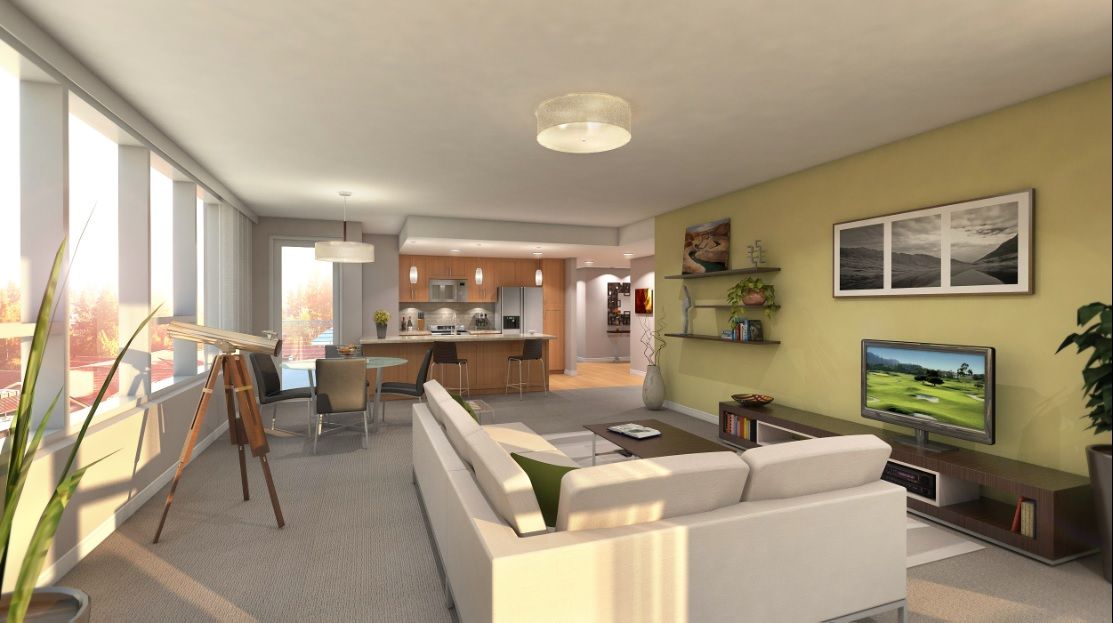
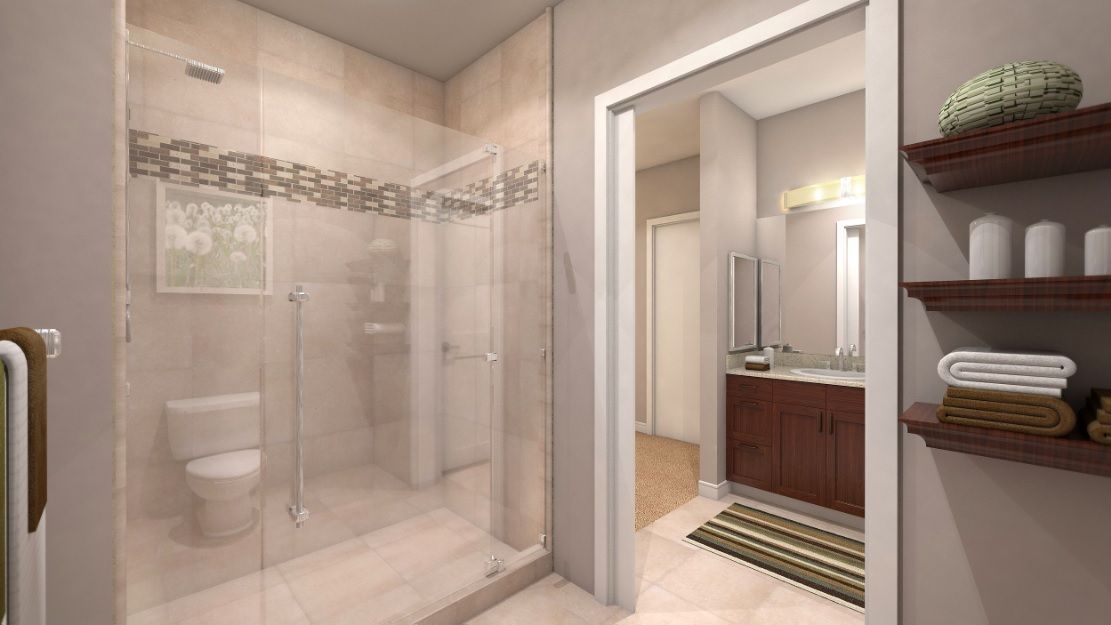
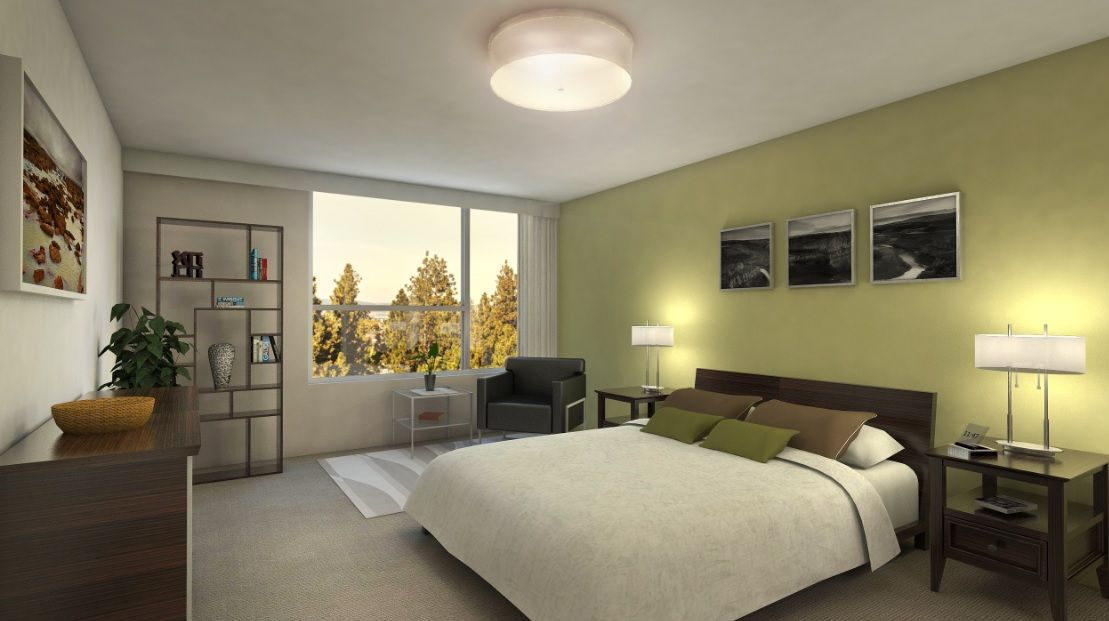
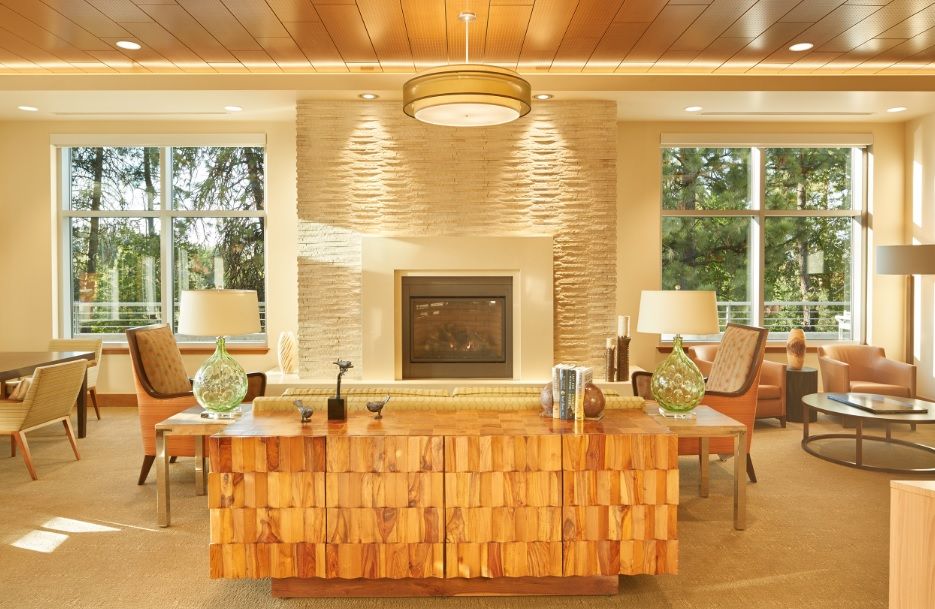
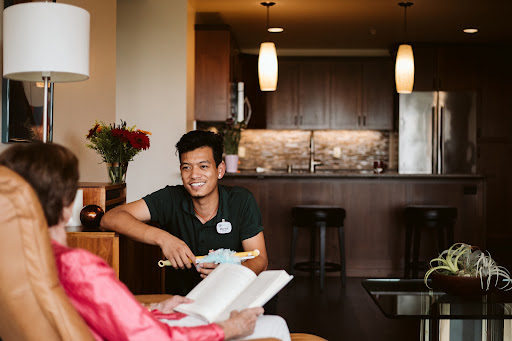
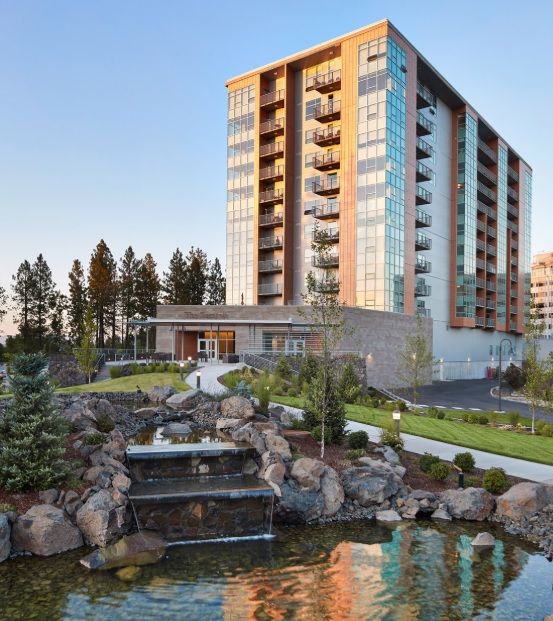
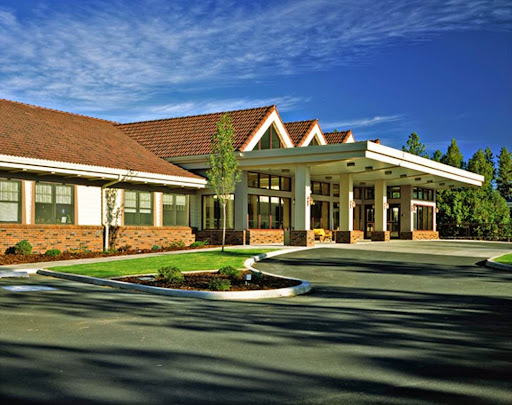
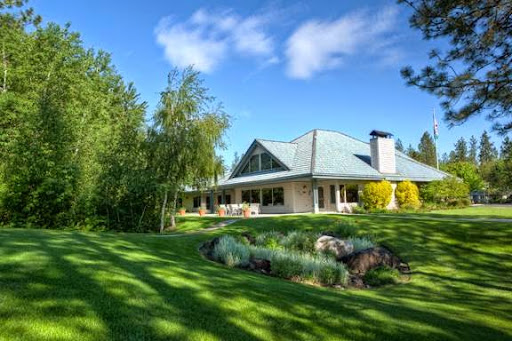
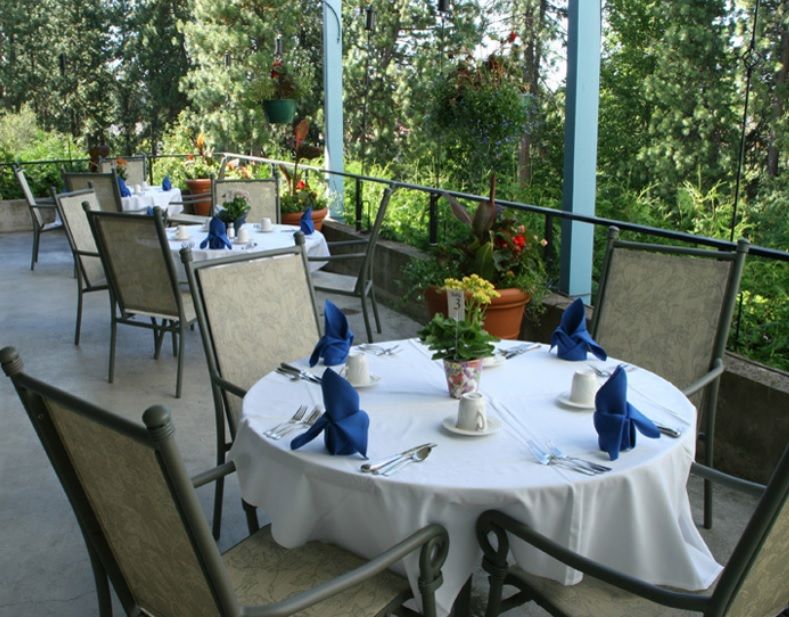
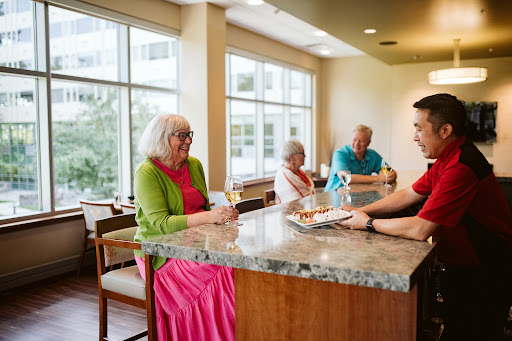
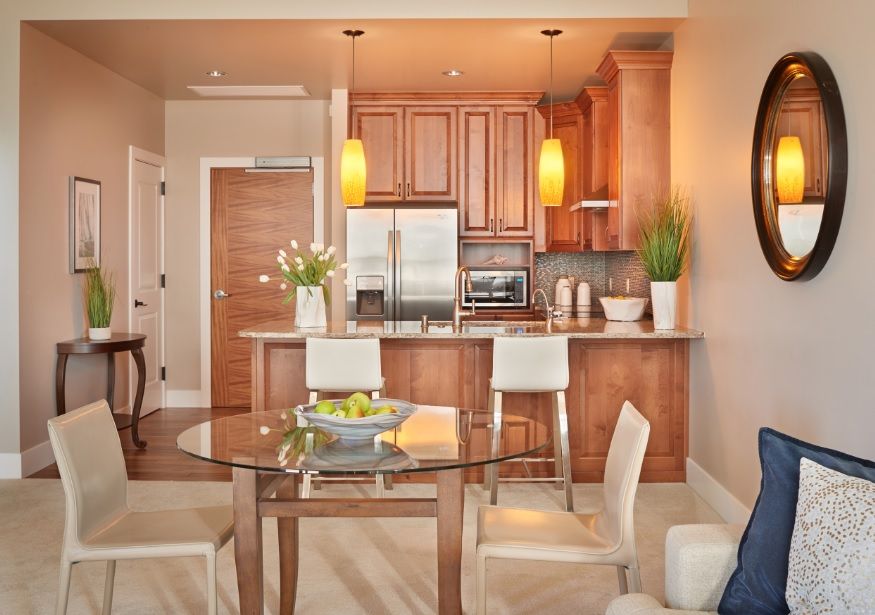
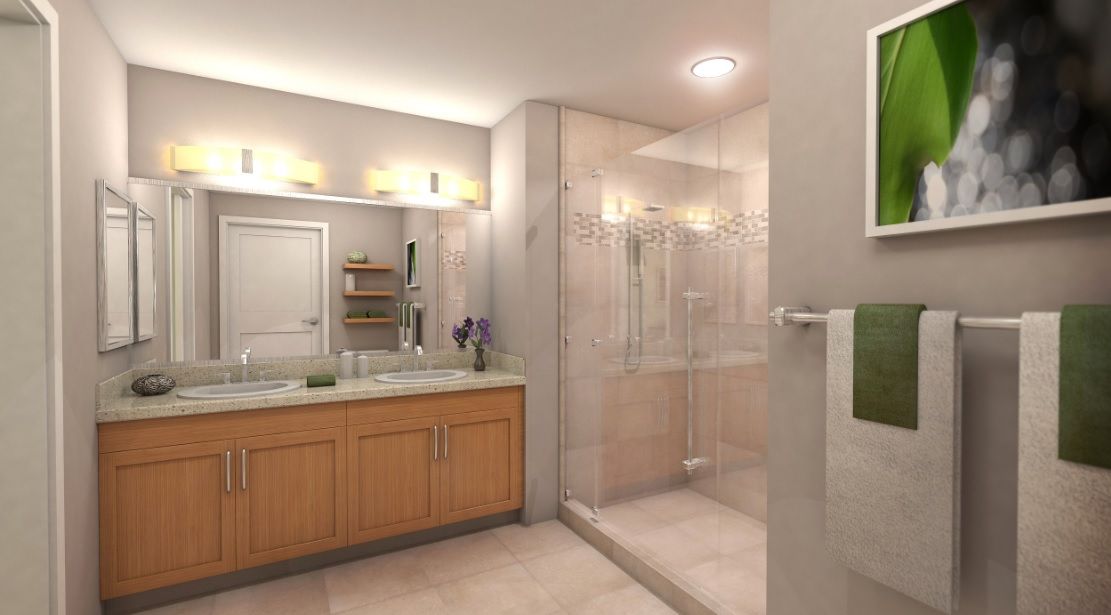
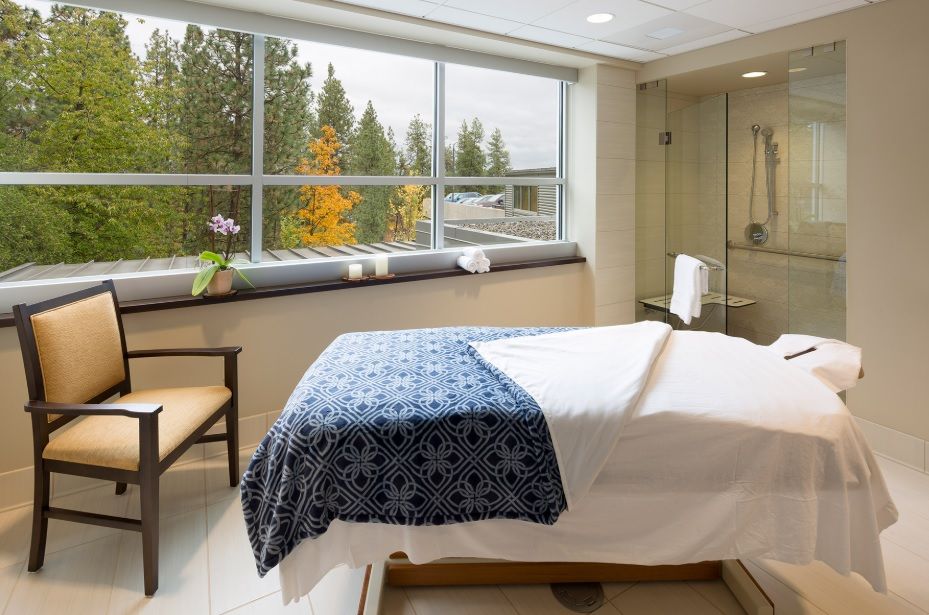
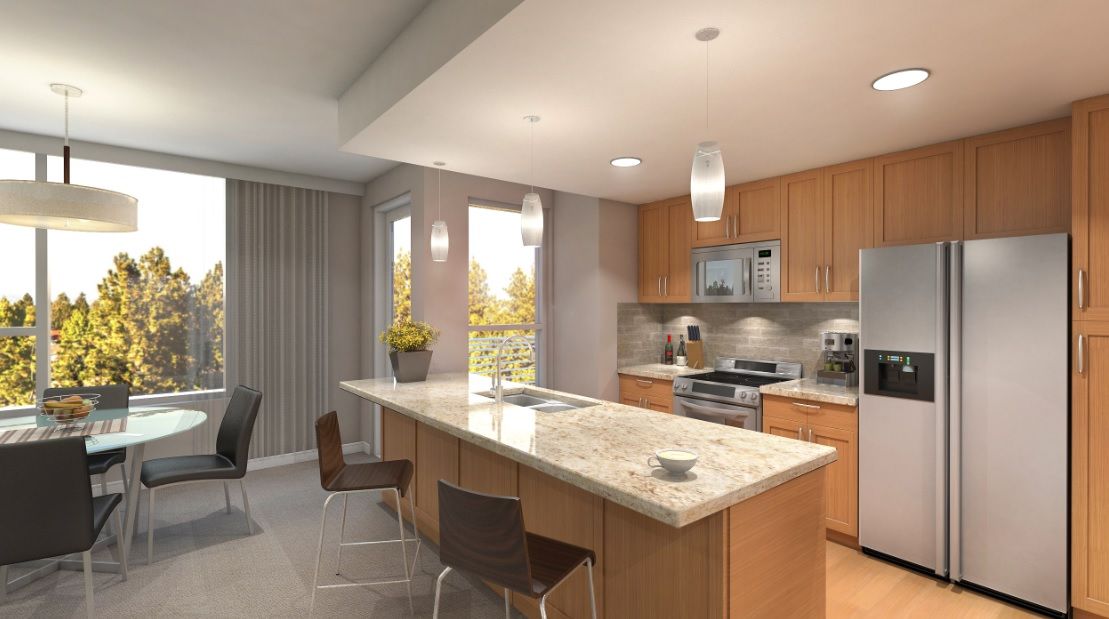
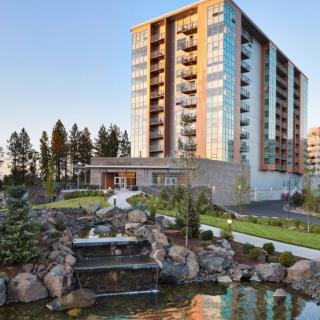
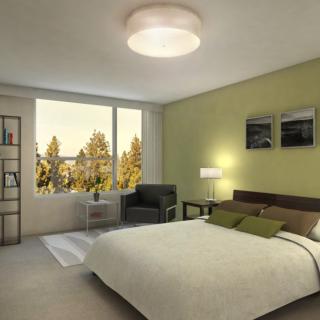
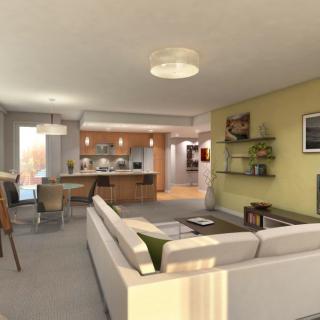
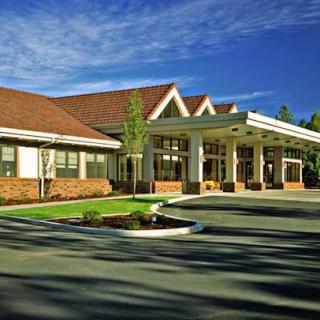
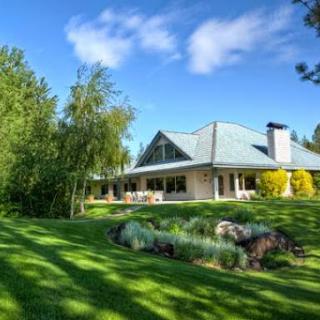
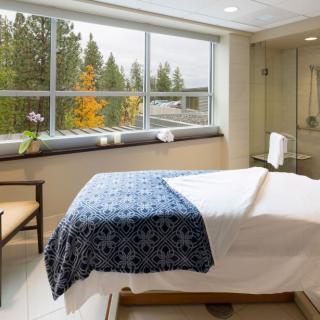
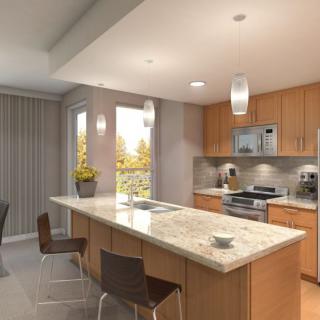
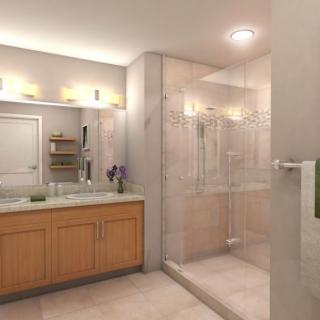
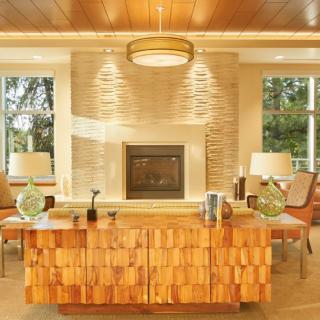
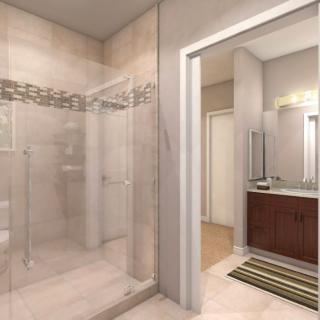
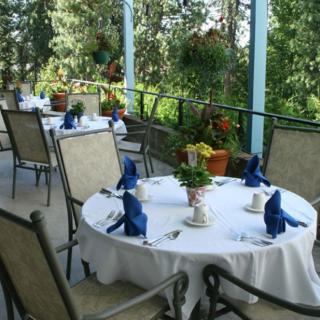
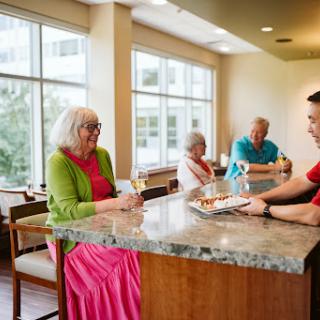
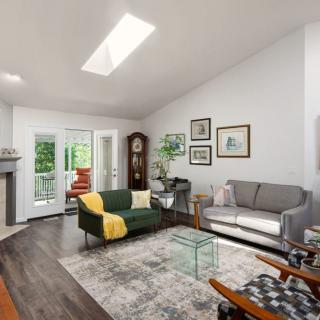
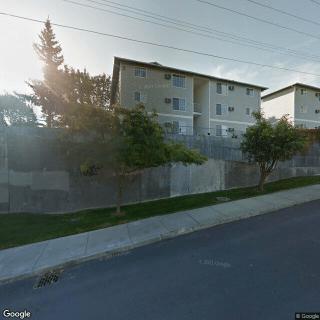
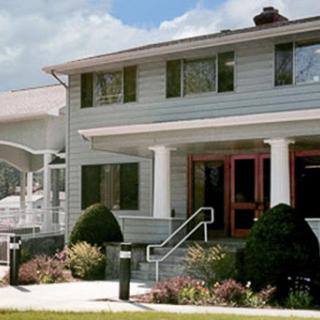
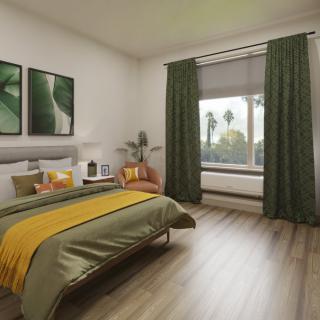
Rockwood on seniors.fyi includes 16 photos including images showing interior, landscaping, kitchen, architecture, nature, outdoor, bedroom, windows, and more.
Nearby Communities
Rockwood South Hill
Spokane, WA
4.4 from 39 reviews
Beautiful grounds with diverse dining and attentive staff.
South Regal Health Care Ctr
Spokane, WA
4.8 from 117 reviews
Strong access to healthcare, pharmacies, and dining nearby
Candlelight Home, Inc.
Spokane, WA
4.4 from 15 reviews
$4,000 to $5,000 / month
Compassionate, personalized care in a clean, welcoming environment.
Merit Care AFH
Spokane, WA
5 from 2 reviews
$3,600 / month
Competitive $3,600/mo rate with private/semi-private rooms and comprehensive care options.
Touchmark On South Hill
Spokane, WA
4 from 64 reviews
$2,100 to $3,400 / month
Beautiful grounds, friendly staff, and multiple care levels (independent, assisted, memory, skilled nursing) with an active community.
Hart Terrace Apartments
Spokane, WA
3.1 from 13 reviews
Strong proximity to a wide range of amenities and healthcare services.
Holiday Harvard Park
Spokane, WA
4.3 from 133 reviews
$2,029 to $3,269 / month
Friendly staff, clean facilities, spacious rooms, and affordable, activity-rich living.
Alderwood Manor
Spokane, WA
4.2 from 101 reviews
Caring therapists and attentive staff with engaging activities and diet-aware dining.
The Gallery at Spokane
Spokane, WA
4.8 from 48 reviews
$4,245 to $5,850 / month
Brand-new, clean, Hilton-like facility with attentive staff, spacious apartments, and strong dining/amenities.
Reminiscence therapy helps individuals with dementia recall past memories through structured discussions and meaningful objects, enhancing mood, relationships, and sense of identity while celebrating their lives. It can be practiced in formal settings or at home, requiring sensitivity to personal histories and cultural backgrounds.
Reminiscence therapy is a structured method for older adults, especially those with dementia, to share life stories using prompts and sensory cues, fostering emotional well-being, social engagement, and self-identity. It aims to improve quality of life by enhancing interpersonal connections and cognitive stimulation while requiring careful facilitation to avoid distressing memories.
Dementia, particularly Lewy body dementia, often involves hallucinations that can significantly distress both patients and caregivers due to disruptions in sensory processing and neurotransmitter imbalances. Effective management includes compassionate communication, environmental adjustments, and a multidisciplinary approach to care while addressing the emotional needs of caregivers.
Get PricingAsk A QuestionSchedule A TourContact Senior Advisor
By clicking submit, you agree to our Partner's Terms of Use. You
also consent to receive calls and texts, which may be autodialed, from our Partner. Your consent is not a condition to
using our Partner's service. Please visit our Partner's Privacy Policy for information about their privacy practices.

 90 resident community capacity
 Assisted Living
 Continuing Care Retirement Community (CCRC)
 Independent Living
 Memory Care
 Skilled Nursing Facility
 Air-conditioning
 Beautician on-site
 Cable or satellite TV
 Cafe
Cafe Computer center
 Dining room
 Fitness room
 Fully furnished
 Gaming room
 Garden
 Guest parking
 Housekeeping services
 Kitchenette
 Move-in coordination
 Outdoor space
 Overnight guests
 Private bathrooms
 Restaurant-style dining
 Small library
 Spa
Spa Swimming pool
 Telephone
 Wi-Fi/high-speed internet available
 Spokane International (8 miles away)
 Community operated transportation
 24-hour call system
 Activities of daily living assistance
 Assistance with bathing
 Assistance with dressing
 Assistance with transfers
 Diabetes diet
 Hospice care
 Medication management
 Special dietary restrictions
 Concierge services
 Planned day trips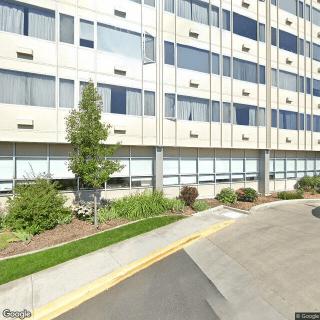
 Beautiful grounds with diverse dining and attentive staff.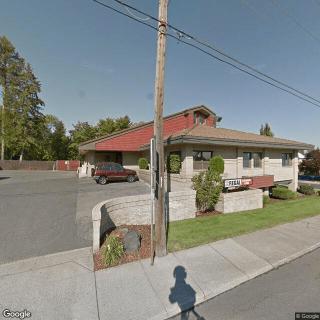
 Exploring the Power of Reminiscence Therapy for Individuals With Dementia
 An In-Depth Look at Reminiscence Therapy in Dementia Care
 Dementia-Related Hallucinations: Causes, Experiences, and Practical Approaches