
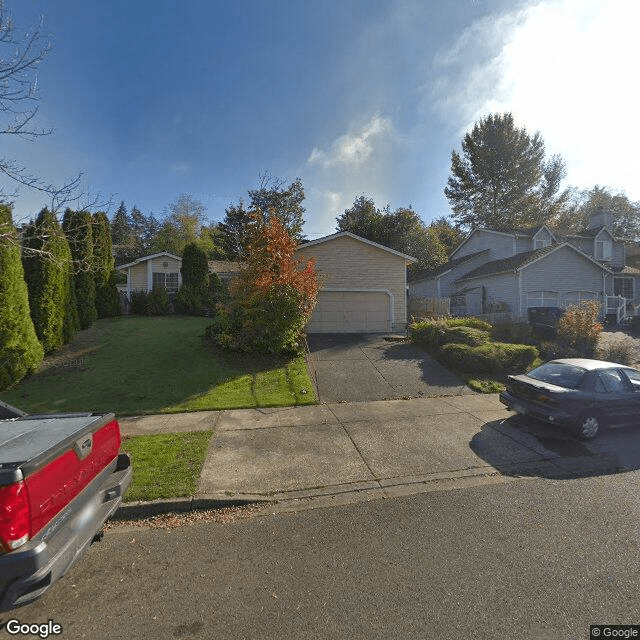
22436 15th Avenue South, Des Moines, WA 98198
To contact a resident: (206) 824-4287
For more information about senior living options: (866) 208-4318
The Caring Place AFH Costs & Pricing
The Caring Place AFH offers a competitive pricing structure for its residential care services, standing out in both King County and the broader Washington state market. For individuals seeking semi-private accommodations, the monthly cost at The Caring Place is $3,000, significantly lower than the county average of $4,430 and the state average of $4,267. Similarly, those looking for private rooms will find The Caring Place's rate of $4,000 to be more affordable than both King County's average of $5,034 and Washington state's average of $4,772. This pricing not only reflects a commitment to providing quality care but also positions The Caring Place as an appealing option for families seeking value without compromising on service standards.
| Floor plans | The Caring Place AFH | King County | Washington |
|---|---|---|---|
| Semi-Private | $3,000 | $4,430 | $4,272 |
| Private | $4,000 | $5,034 | $4,774 |
Senior living communities with a similar price nearby
-
from +$375 / mo
Evergreen Manor Senior Care Inc
$3,375 to $7,500 / month21.5 miles away -
About the same
Hummingbird Homecare
$3,000 / month10.2 miles away -
About the same
Home Care in Kent Inc.
$3,000 to $3,500 / month5.0 miles away -
from +$500 / mo

Twin Lakes Haven Adult Family Home
$3,500 to $8,000 / month6.2 miles away -
from -$500 / mo
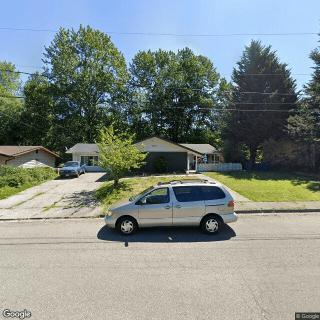
Freedom Care
$2,500 to $3,000 / month5.8 miles away
Overall Review of The Caring Place AFH
Pros
 The caregivers show growing compassion and dedication.
- Residents are treated with respect and love.
- Family participation helps manage residents' longevity-related care expectations.
- Pure love is evident in the care provided.
Review
The Caring Place AFH in Des Moines, WA is best suited for families seeking an intimate, home-like care setting where warmth, personal attention, and genuine compassion are central to daily life. This community appears ideal for seniors who value dignity and emotional connection as much as practical support, and for families that want to be actively involved in planning and guiding long-term care. It works well for residents who don’t require intensive medical management but benefit from consistent, compassionate companionship, respectful treatment, and a caregiver-led atmosphere that treats residents like members of the family.
Those who may want to consider alternatives are those with significant medical needs that require constant skilled nursing, complex wound care, or memory-care programs in a more structured, facility-scale environment. Prospective residents seeking a wide menu of on-site therapies, robust activity calendars, or highly formalized administrative and medical procedures may find larger communities better aligned with those expectations. Additionally, families prioritizing minimal involvement or seeking a highly automated, impersonal service model may look elsewhere for a different rhythm and level of oversight.
The strongest positives center on the demonstrated growth of compassion and dedication, and on how residents are treated with respect and love. When care feels personal and heartfelt, it reduces anxiety, enhances trust, and improves day-to-day quality of life, especially for those who value emotional security. The emphasis on family participation in longevity planning further strengthens this dynamic, ensuring that long-range goals, resident preferences, and important values are clearly reflected in ongoing care decisions. The phrase “Pure Love” from the reviewer signals a culture where kindness isn’t optional but a lived norm, which can translate into steadier mood, fewer behavioral disruptions, and smoother transitions during aging.
These profound strengths offset common constraints that often accompany small, intimate homes. Where formal medical staffing and disease-specific programs may be limited, the close-knit team and family-driven planning can compensate through vigilant observation, rapid communication, and highly personalized adjustments to daily routines. In this setting, caregivers learn residents’ preferences inside out, enabling quick responses to changes in health or mood. Family involvement helps bridge any gaps between episodic clinician visits and ongoing day-to-day needs, yielding a care experience that feels coherent and responsive, even when formal resources are leaner than in larger facilities.
Practical considerations follow naturally from this profile. The Des Moines location and intimate format typically translate to easier access for nearby relatives who wish to participate in care planning, routine updates, and daily life. Prospective families should inquire about caregiver-to-resident ratios, what medical oversight looks like on a typical day, and how changes in health are communicated and managed. It’s wise to ask about medication administration, emergency protocols, and how family input is incorporated into care plans. Visit at different times to observe interactions, and request concrete examples of how longevity goals have been addressed for other residents.
In sum, The Caring Place AFH presents a compelling option for families prioritizing warmth, respect, and active family engagement in a small, homelike environment. It is a strong match for seniors who thrive on personal connections and collaborative planning and who can rely on a compassionate team to steward daily life with dignity. For families whose priorities include extensive medical services, formal memory-care programming, or a broader array of on-site amenities, alternatives with larger staff and more structured programs should be explored. A thoughtful visit and targeted questions will finalize whether this intimate setting aligns with the resident’s needs and the family’s expectations.
 Board and Care Home
 Dogs allowed
 Activities off-site
 Beautician on-site
 Devotional services off-site
 Indoor common areas
 Outdoor common areas
 Private
 Respite or short term stays offered
 Wheelchair accessible showers
 Seattle-Tacoma International (3 miles away)
 Ambulatory care
 High acuity care
 Incontinence care
 Medication management
 Meals provided


 Nurturing Our Loved Ones: A Daughter's Journey in Caring for Her Mother
 Nurturing Our Elders: Linda's Journey of Supporting Her Mother
 A Comprehensive Exploration of Common Misunderstandings about Powers of Attorney