

833 S. 230th St., Des Moines, WA 98198
To contact a resident: (253) 529-3111
For more information about senior living options: (866) 208-4318
Helping Hands Manor AFH Costs & Pricing
Helping Hands Manor AFH offers a competitive rate for its semi-private rooms, priced at $3,200 per month. This cost is significantly lower than the average rates in both King County and the broader state of Washington, where similar accommodations range from $4,267 to $4,430 per month. By providing high-quality care at a more accessible price point, Helping Hands Manor AFH demonstrates its commitment to affordability without compromising the level of service and support residents receive. This positioning not only makes it an attractive option for families seeking assisted living solutions but also highlights the facility's dedication to enhancing the quality of life for its residents.
| Floor plans | Helping Hands Manor AFH | King County | Washington |
|---|---|---|---|
| Semi-Private | $3,200 | $4,430 | $4,272 |
Senior living communities with a similar price nearby
-
from +$175 / mo
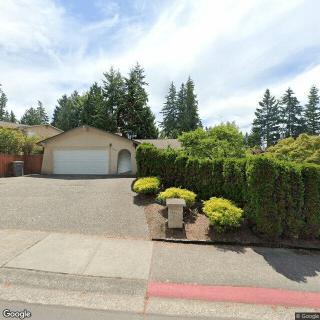
Evergreen Manor Senior Care Inc
$3,375 to $7,500 / month21.9 miles away -
from -$200 / mo

Hummingbird Homecare
$3,000 / month10.0 miles away -
from -$200 / mo
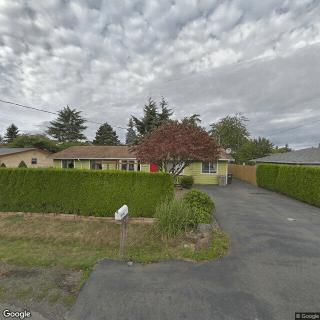
Home Care in Kent Inc.
$3,000 to $3,500 / month5.3 miles away -
from +$300 / mo

Twin Lakes Haven Adult Family Home
$3,500 to $8,000 / month5.7 miles away -
from +$300 / mo
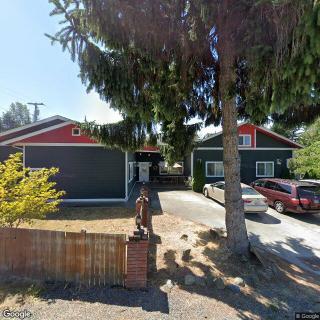
Valley Home Care
$3,500 / month6.3 miles away
Overall Review of Helping Hands Manor AFH
Pros
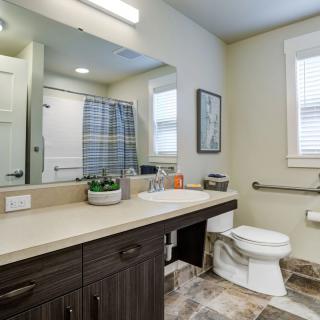
 The home is among the cleanest adult family homes.
- The owners demonstrate exceptional dedication to their work and provide compassionate care that reflects their commitment to residents’ well-being.
Review
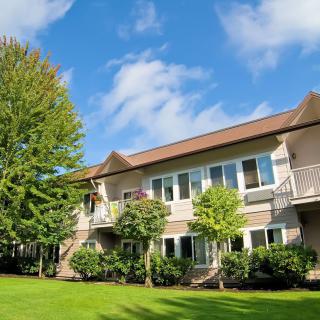
Helping Hands Manor AFH in Des Moines, Washington is best suited for families seeking a highly personalized, home-like living arrangement for an elderly loved one who needs daily assistance but does not require intensive medical care. The setting is deliberately small, intimate, and hands-on, with caregivers who know residents well and tailor routines to individual preferences. Cleanliness and order are defining strengths, creating a sense of safety from the moment one steps through the door. For seniors who prize consistent, compassionate attention over campus-size amenities, this community offers a credible, practical option that feels more like a private home than a traditional institution. It is the kind of place where dignity is placed at the center of daily life.
Those evaluating options should consider alternatives if medical complexity, specialized dementia programming, or a robust calendar of on-site activities and rehab services are priorities. Larger assisted living communities or skilled nursing facilities deliver intensive nursing oversight, therapy resources, and structured memory-care environments that AFHs typically cannot replicate. If a loved one requires frequent monitoring by licensed nurses, advanced wound care, swallowing therapy, or highly regimented daily schedules with transportation and enrichment programs, another setting may serve better. Additionally, if independence is severely constrained or if the family needs more formalized emergency protocols and administrative support, a bigger campus may prove a more efficient fit.
From the strongest angles, the key advantages of Helping Hands Manor AFH are compelling. The home earns praise for exceptional cleanliness and meticulous upkeep, creating a worry-free context for residents and their families. The owners’ dedication translates into compassionate, attentive care that emphasizes residents’ well-being every day. In a small setting, staff-to-resident ratios tend to be favorable, enabling quick responses to needs and a level of consistency that is rare in larger facilities. These positives help offset the absence of expansive clinical services. The tight-knit environment fosters trust, allowing families to participate in care decisions and build a working partnership with caregivers who treat residents as family.
Day-to-day life at this AFH centers on predictable routines delivered with care and integrity. Residents benefit from a preserved sense of autonomy within a safe, orderly home, where personal preferences shape meals, activities, and rest schedules. The intimate scale encourages regular check-ins, direct communication with the owners, and timely attention to changes in health or mood. While the setting cannot boast a vast activity calendar, the quality of interaction and the consistency of caregiving can produce steadier days and fewer abrupt shifts in mood or functioning. The result is a residence that feels like a trusted refuge rather than a medicalized environment, which can be a decisive factor for families seeking stability and warmth.
Families navigating a decision should aim to confirm practical details that delineate value. Inquiries should cover licensing status for the AFH, staffing patterns and hours, medication management processes, and what medical supports are available on-site or via partnerships. Ask about meal planning, transportation options, and how family involvement is incorporated into care planning. Clarify costs, contract terms, and respite possibilities to avoid surprises if a short-term care need arises. Given the limited public feedback, a direct visit is essential to assess cleanliness, staff responsiveness, and whether the atmosphere aligns with the loved one’s preferences. It is wise to compare this option against other small homes and larger communities to ensure alignment with long-term goals.
Overall, Helping Hands Manor AFH presents a compelling choice for families prioritizing a clean, compassionate, and highly personalized home setting. Its strengths, pristine condition, demonstrable dedication, and a resident-centered approach, make it a strong fit for seniors who thrive on intimate attention and straightforward routines. Those seeking advanced medical programming, memory-care specialization, or a broad, activity-rich campus should explore alternatives to avoid compromising on needed services. The decision should hinge on whether steady daily care in a warm, orderly home outweighs the benefits of a larger facility’s clinical resources. For suitable matches, this AFH can deliver peace of mind that feels almost family-owned in the best possible sense.
 Board and Care Home
 Cats allowed
 Dogs allowed
 Seattle-Tacoma International (4 miles away)
 Diabetic care


 Compassionate Conversations: How to Comfort Someone Who Is Grieving
 Home Health Care Aides: Understanding Their Role and Supporting Your Family
 Urinary Tract Infections in Older Adults: Comprehensive Insights on Symptoms, Treatment, and Prevention