
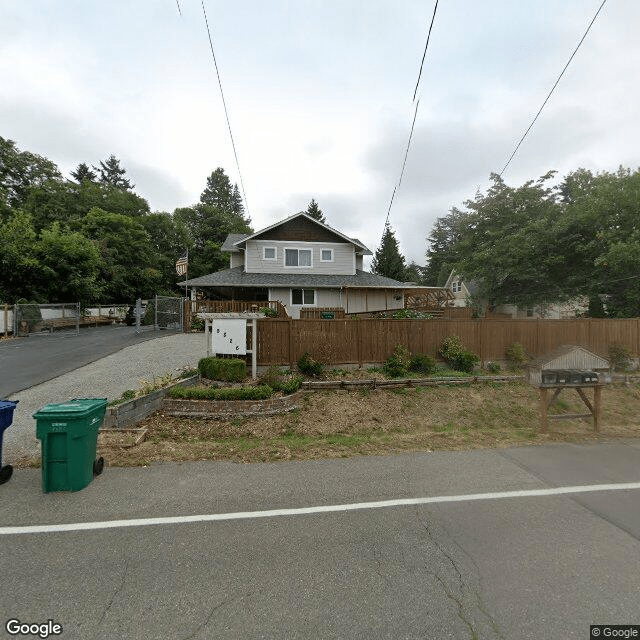
9826 24th Ave SW, Seattle, WA 98106
To contact a resident: (206) 453-3619
For more information about senior living options: (866) 208-4318
In Home Love Residential Care LLC Costs & Pricing
In Home Love Residential Care LLC offers private room accommodations at a competitive rate of $5,000 per month, positioning itself as an attractive option compared to the broader market in King County and across Washington State. In King County, the average cost for similar private room setups is slightly higher at $5,034, while the statewide average stands at $4,772. This pricing structure suggests that In Home Love Residential Care LLC provides exceptional value for its residents by offering quality care and comfortable living arrangements just below the county average. This thoughtful pricing strategy may appeal to families seeking reliable and compassionate in-home care while ensuring financial considerations remain manageable.
| Floor plans | In Home Love Residential Care LLC | King County | Washington |
|---|---|---|---|
| Private | $5,000 | $5,034 | $4,774 |
Senior living communities with a similar price nearby
-
from +$750 / mo

Fieldstone Rolling Bay and Fieldstone Memory Care
$5,750 to $8,895 / month12.1 miles away -
from +$500 / mo

Twin Lake Adult Family Home
$5,500 to $6,500 / month14.5 miles away -
About the same
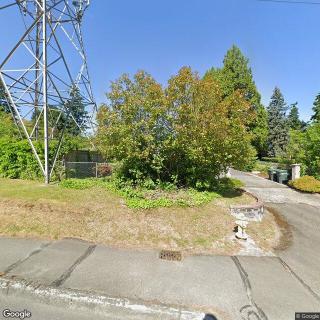
AA Residential Care
$5,000 / month18.2 miles away -
from +$500 / mo
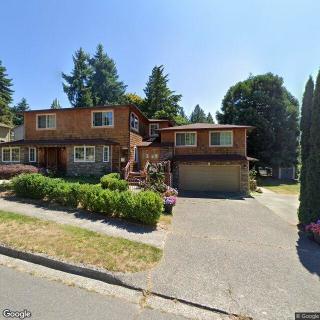
Valley Vista Adult Family Home Inc
$5,500 to $6,200 / month16.3 miles away -
About the same
Peace and Pleasant Care Adult Family Home II
$5,000 to $6,000 / month9.7 miles away
Overall Review of In Home Love Residential Care LLC
Pros
 The home care agency is great and stands on its word, with staff who go beyond to care for the community.
- The home is nice, clean, and quiet, with a caring owner.
- Mellie Navarro is described as compassionate and experienced in dementia care, with strong medical knowledge and good relationships with doctors, and she follows federal rules.
- The home is clean and wheelchair-accessible, with wide halls and doorways.
- The atmosphere is welcoming and friendly, and families feel comfortable leaving their loved ones in Mellie’s care.
Review
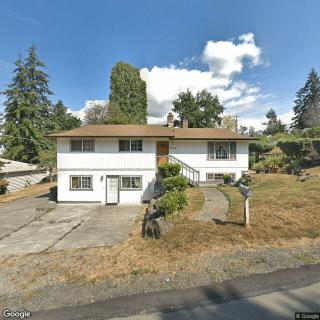
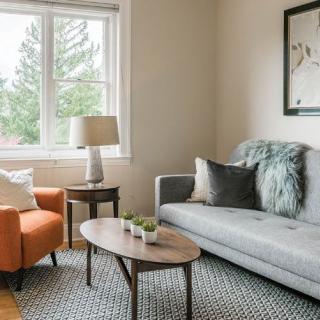
This community is best suited for families seeking a genuinely intimate, home-like setting where dementia-focused care and highly accessible design are the core strengths. It excels for residents who value compassionate, hands-on leadership from an experienced caregiver-owner and who want a safe, quiet environment with clear, personal attention. The owner’s two decades of dementia work translates to practical, informed care decisions, strong coordination with a resident’s medical team, and a daily culture of listening to families. The house itself reinforces these priorities: clean, welcoming, and laid out to accommodate wheelchairs, with wide halls and a layout that supports independence while maintaining proximity to caregivers. The living spaces are generous for a residential setting, and private areas share the building’s warm, homelike feel.
Those who may want to consider alternatives are families seeking a larger, more formal care operation or a campus with broader clinical programming and a broader roster of activities. If 24/7 clinical staffing, specialized memory care programming across multiple levels, or a bustling, appointment-driven schedule are non-negotiable, this smaller, owner-led model may feel limiting. Prospective residents who require higher-acuity medical oversight or abundant social programming might find a different facility more aligned with those expectations. In short, this option shines in personalized, trust-building care, but may not mimic the breadth of services found at bigger senior living communities.
The strongest advantages reside in the caregiver depth and the care philosophy. The staff is described as consistently reliable and genuinely engaged, with care that goes beyond basic expectations. The owner’s medical know-how meshes with a collaborative approach to treatment plans, yielding smoother communication with prescribing physicians and a more integrated care experience. Cleanliness and safety are more than superficial traits here: the home is designed with accessibility in mind, and the atmosphere feels welcoming rather than clinical. The environment and the privacy-forward bedroom setup help ease transitions for residents and reassure families about daily routines, hygiene, and safety standards.
On the downside, the trade-off for this intimate, caregiver-led model is a smaller scale of operation. There may be fewer residents and fewer hands on deck at any given moment compared with larger facilities, which can influence response times during peak moments or when multiple needs arise simultaneously. The living arrangement includes a Jack-and-Jill style bathroom shared with one other resident, which can be a positive in terms of companionship for some but a consideration for those who require strict privacy or a different roommate dynamic. While the home’s strengths largely offset these potential inconveniences, families should enter with eyes wide open about how staffing patterns and shared living spaces could affect daily routines.
For families that prioritize dementia competence, consistent, personalized attention, and a warm, home-like atmosphere, this community presents a compelling option. It serves well those who want a trusted, expert caregiver at the core of daily life, with easy access to medical coordination and a comfortable living environment. If the priority list includes robust clinical programs, large-scale social activities, or a campus feel, alternatives should be explored. The recommended next steps are straightforward: arrange a visit to meet the owner and current residents, ask about day-to-day staffing patterns and care planning processes, and verify how medical coordination is managed in practice. Use these conversations to confirm alignment with the resident’s specific needs and the family’s expectations for ongoing involvement.
In sum, this Seattle residence delivers a standout blend of dementia-savvy care, reliable staff, and a home-like setting that many families will find precisely right for a loved one who thrives on personal attention and a calm, predictable routine. It is particularly well-suited for residents who prioritize intimate oversight and clear caregiver-resident relationships. For those requiring more clinical breadth or campus-style amenities, it’s prudent to compare broader options. When the match is right, the payoff is a trusted, steady environment where comfort, safety, and thoughtful medical coordination mutually reinforce daily life.
 Board and Care Home
 Activities on-site
 Beautician on-site
 Indoor common areas
 Outdoor common areas
 Private
 Respite or short term stays offered
 Wheelchair accessible showers
 Seattle-Tacoma International (5 miles away)
 Diabetic care
 High acuity care
 Incontinence care
 Medication management
 Meals provided

 Managing Nursing Home Expenses After Medicare Coverage Ends
 Is a Geriatric Care Manager the Right Choice for Your Family?
 Compassionate Conversations: How to Comfort Someone Who Is Grieving