

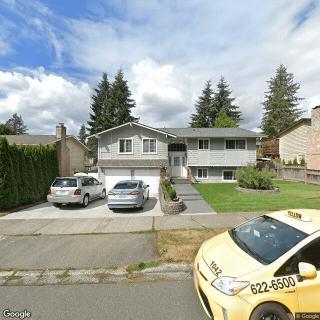
221 SW 119th Street, Seattle, WA 98146
To contact a resident: (206) 579-9889
For more information about senior living options: (866) 208-4318
HomeCare Solutions Seattle Costs & Pricing
HomeCare Solutions Seattle offers competitive pricing for its services in the heart of King County, with semi-private rooms priced at $4,300 per month, slightly lower than the county average of $4,430 and comparable to the state average of $4,267. For those seeking more privacy, the one-bedroom option is available at $6,400 monthly; while this is above both the county's average of $5,127 and the state's average of $4,632, it reflects the added value and personalized care that HomeCare Solutions provides. Overall, clients can expect a well-balanced cost structure that prioritizes quality care within a dynamic regional market.
| Floor plans | HomeCare Solutions Seattle | King County | Washington |
|---|---|---|---|
| Semi-Private | $4,300 | $4,430 | $4,272 |
| 1 Bedroom | $6,400 | $5,127 | $4,634 |
Senior living communities with a similar price nearby
-
from -$800 / mo
Dignity Life
$3,500 / month24.4 miles away -
from -$300 / mo

Meadow Crest Senior Home
$4,000 to $6,000 / month8.3 miles away -
from +$700 / mo

AA Residential Care
$5,000 / month19.0 miles away -
from -$300 / mo

Riverton Home Care
$4,000 to $5,000 / month3.5 miles away -
from -$300 / mo

Gentle Care Home
$4,000 to $5,500 / month11.2 miles away
Overall Review of HomeCare Solutions Seattle
Pros
 She was great.
- She handled my friend with respect and compassion.
- She will be recommended to friends and family in the future.
Review
HomeCare Solutions Seattle is best suited for seniors and adults who want to remain in their own homes while receiving hands-on support. The service shines when the care plan centers on one-on-one attention, dignity, and compassionate interaction with a dependable caregiver. For clients who prize familiarity, emotional warmth, and a tailored approach to daily living tasks, this home-based model offers a contrast to the impersonal rhythm of a facility. It works particularly well for individuals needing assistance with routine activities, companionship, or a steady presence to reduce isolation while preserving independence. In short, this option is a practical choice for families seeking a humane, home-centered care partnership rather than a traditional dormitory-style setting.
Those who may want to consider alternatives include families prioritizing round-the-clock supervision in a structured environment, or those with complex medical needs requiring broad, facility-level resources. In-home care can deliver remarkable personal attention, but it typically relies on a rotating or limited cadre of caregivers rather than a fixed care team in a single building. If peace of mind comes from a centralized location with consistent staffing, built-in programming, and immediate access to multiple specialists, an assisted living or memory-care community may provide greater certainty. Likewise, if the plan calls for scalable, hospital-grade medical oversight, or access to on-site therapy, a facility-based option could be more appropriate.
From the available indications, the core strengths lie in how caregivers treat clients, with respect and compassion, creating a sense of safety and dignity that can outweigh the lack of a rigid institutional framework. The most credible praise centers on personal interactions: a caregiver who handles a friend with care and earns referrals. Such relational quality translates into higher satisfaction and emotional well-being, which matters as much as physical assistance. Those relational advantages offset potential drawbacks such as caregiver turnover or variability in who is on duty, because when a trusted caregiver becomes the daily anchor, many worries dissolve. Still, the reality remains that in-home care tends to hinge on the consistency of the caregiver pool and reliable scheduling, factors families should scrutinize during onboarding.
Decision-making should focus on operational specifics: how is caregiver matching conducted to promote continuity; what are the backup arrangements when the primary caregiver is unavailable; how are shifts scheduled and documented; and what level of oversight exists for medical tasks, home safety, and emergency response? Families should seek clarity on response times, escalation paths, and coordination with medical providers. It is also wise to confirm whether services include transportation, meal preparation, medication reminders, light housekeeping, or specialized support for memory concerns. Understanding the transparency of billing, contractual terms, and trial periods helps avoid later friction. A practical check is to request sample schedules, caregiver bios, and a written plan that outlines what happens if needs intensify.
Aligning care with goals matters. If the priority is companionship that genuinely enhances living quality, this model can deliver transformative benefits by turning a house into a trusted care partnership. The emotional resonance of respectful, compassionate care is not a luxury, it is part of daily safety and engagement. However, if the loved one’s trajectory demands a fixed, highly supervised environment, or if the care plan may scale into complex medical management requiring a robust on-site staff, the home-based route may reveal gaps. Those gaps are not insurmountable with a skilled care coordinator and clear service-level agreements, but they require proactive planning and honest expectations.
Bottom line: HomeCare Solutions Seattle appears to be a strong choice for families seeking humane, personalized in-home care anchored by compassionate caregivers who earn trust and referrals. The signals from positive feedback suggest a meaningful, dignity-centered experience that can sustain independence and reduce loneliness. Yet, potential clients should actively evaluate continuity of care, backup coverage, and the breadth of services to ensure alignment with long-term needs. For households comfortable with a home-based care model and prioritizing meaningful human connection, this provider deserves serious consideration. For others, the ones needing constant on-site supervision, extensive medical management, or a turnkey facility environment, alternatives such as assisted living or specialized care communities may offer greater certainty and a more comprehensive care continuum.
 Seattle-Tacoma International (4 miles away)
 Anytime dining






 Comprehensive Approaches for Arthritis: A Detailed Guide to Symptoms, Causes, and Care
 Comprehensive Insights and Practical Strategies to Help Older Adults Avoid Falls
 6 Crucial Ways an Elder Law Attorney Assists Families