
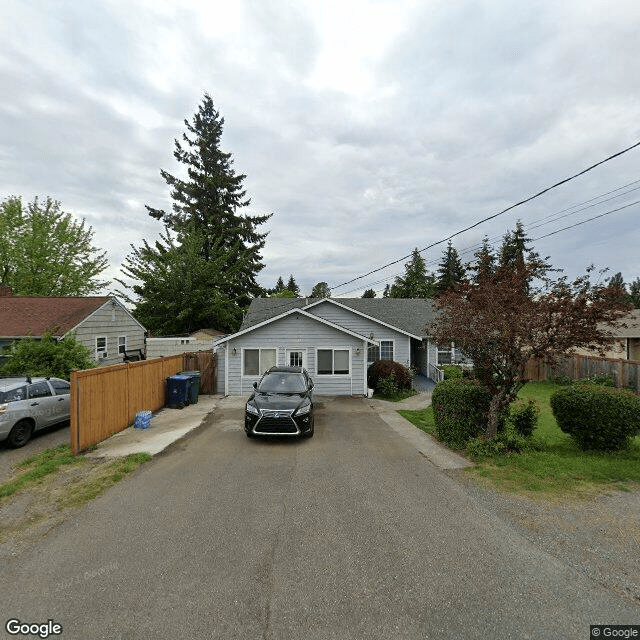
11037 19 Ave SW, Seattle, WA 98146
To contact a resident: (206) 327-9903
For more information about senior living options: (866) 208-4318
West Seattle Care Costs & Pricing
West Seattle Care offers competitive pricing for its accommodations, with semi-private rooms available at $4,000 per month, which is significantly lower than the King County average of $4,430 and also under the state average of $4,267. For those seeking more privacy, private rooms at West Seattle Care are priced at $5,000 per month. While this figure is slightly higher than the county average of $5,034, it remains a reasonable option compared to Washington's overall average of $4,772. This pricing strategy positions West Seattle Care as an appealing choice for residents looking for quality care without exceeding budgetary constraints.
| Floor plans | West Seattle Care | King County | Washington |
|---|---|---|---|
| Semi-Private | $4,000 | $4,430 | $4,272 |
| Private | $5,000 | $5,034 | $4,774 |
Senior living communities with a similar price nearby
-
from -$500 / mo
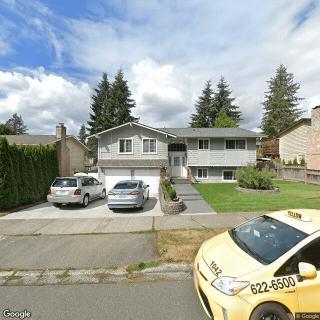
Dignity Life
$3,500 / month24.3 miles away -
from -$625 / mo
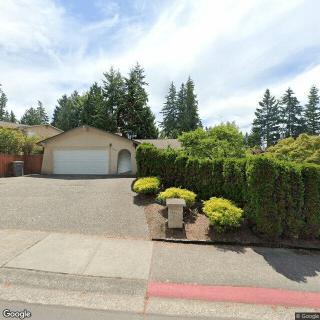
Evergreen Manor Senior Care Inc
$3,375 to $7,500 / month15.9 miles away -
About the same
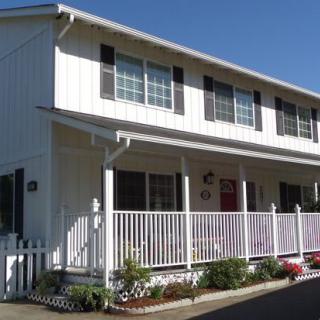
Meadow Crest Senior Home
$4,000 to $6,000 / month8.3 miles away -
About the same

Riverton Home Care
$4,000 to $5,000 / month3.7 miles away -
About the same
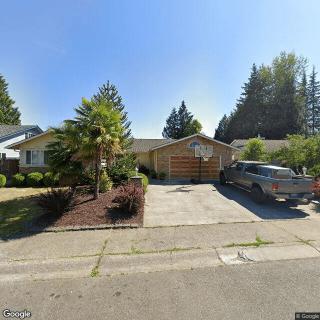
Gentle Care Home
$4,000 to $5,500 / month11.4 miles away
Overall Review of West Seattle Care
Pros
 None identified.
Cons
 The residents were confined to their rooms.
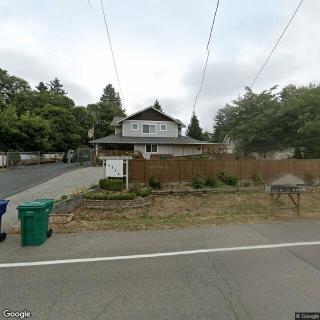
- The home appeared very showy and did not seem to be shared by the residents.
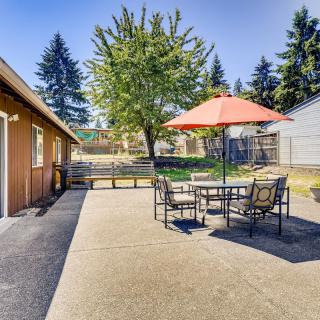
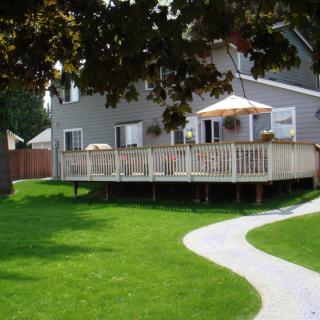
- There was no access to the outdoors for the residents.
- Staff claimed they could take the residents out to walk them in the street, which raises safety concerns.
- The reviewer felt that the facility was not a suitable place for the reviewer's father.
Review
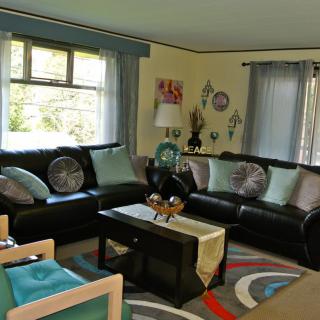
West Seattle Care in Seattle, Washington is best suited for families seeking a refined, private-appearing setting where care is delivered with quiet efficiency and daily life feels controlled rather than bustling. The atmosphere favors formality and containment over a high-energy social scene, making it a plausible option for seniors who value personal space and predictable routines more than frequent resident interaction. Those who require abundant on-site activities, robust outdoor access, or a strong sense of community may want to consider alternatives.
From a practical standpoint, the setting can feel premium, the decor and overall presentation project a sense of dignity and order. For families prioritizing a dignified exterior and a calm, low-stress environment, this can be meaningful. The staff’s willingness to arrange outdoor time, including supervised outings in the surrounding area, signals a degree of flexibility when outdoor exposure is appropriate for a resident. That said, the outdoor component appears contingent and limited, not a core feature of daily living, which matters for seniors who benefit from regular moments outdoors.
However, the most critical drawbacks are clear and nontrivial. Residents appeared largely confined to their rooms, with little visible evidence of shared life or routine social engagement. The lack of accessible outdoor space within the everyday living pattern suggests a disconnect between care and genuine daily living for many seniors who value sunlight, fresh air, and informal interactions. For a dad who thrives on daily companionship or routine-based activity, the environment may feel isolating and distant from what makes senior life feel meaningful.
The pros, an orderly, presentable setting and the ability to arrange occasional outdoor time, do not fully offset the core cons. The polished showroom vibe can be reassuring in terms of safety and cleanliness, but it cannot compensate for limited resident mingling, sparse on-site programming, or the sense that life happens elsewhere rather than among the residents. In practical terms, the facility may deliver reliable care, yet it risks leaving residents without the daily social cues, predictable rituals, or peer interactions that sustain mood and motivation over time.
Who should consider alternatives? Families seeking active daily engagement, frequent social opportunities, and reliable outdoor access will likely feel better elsewhere. Seniors who benefit from structured programming, visible community life, and clear routines should look for settings that prioritize shared activities and easy, everyday outdoor experiences. Those with memory-care needs or higher levels of assistance may prefer environments where staff orchestrate regular group activities and outings rather than a more private, showroom-style atmosphere.
Bottom line: West Seattle Care could work for a narrow slice of families that prize quiet privacy, a dignified environment, and the occasional supervised outdoor excursion. For most families prioritizing visible community life, frequent opportunities to be outdoors, and ongoing social stimulation, alternatives with richer programming and more open, resident-centered spaces are worth exploring. When evaluating, focus on daily life, outdoor access frequency, and the extent of resident-to-resident interaction. Key questions to ask: what does a typical day look like for residents, how often are residents outdoors, how are activities organized, what is the staff-to-resident ratio, and how are safety and social well-being balanced in practice? These inquiries will reveal whether the cons can be effectively addressed in this setting.
 Board and Care Home
 Devotional services on-site
 Private
 Respite or short term stays offered
 Wheelchair accessible showers
 Seattle-Tacoma International (4 miles away)
 Diabetic care
 High acuity care
 Incontinence care
 Medication management
 Kosher

 Comprehensive Guide to Medicare Coverage for Hospice Care
 Caring for Those Who Care: Recognizing, Understanding, and Overcoming Caregiver Burnout
 Caregiver Exhaustion: Recognizing the Signs and Restoring Your Well-Being