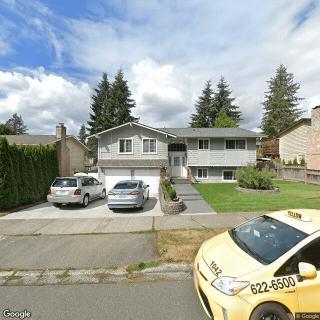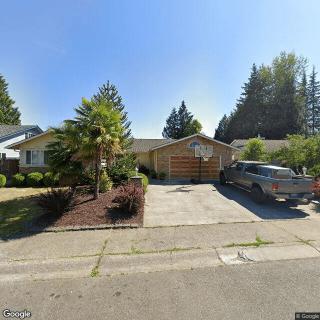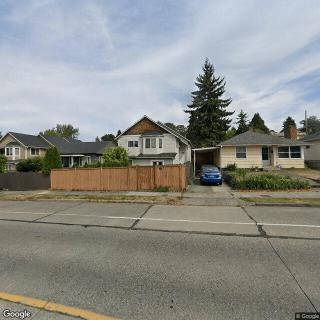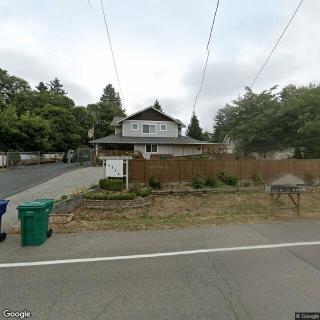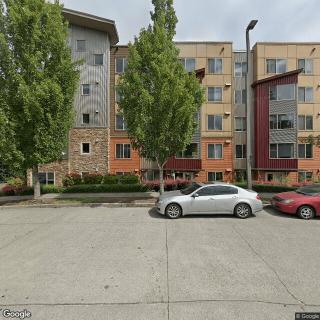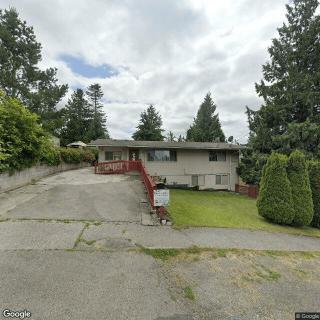
West Seattle Adult Family Home in Seattle, WA

Save
West Seattle Adult Family Home

West Seattle Adult Family Home in Seattle, WA

8815 14th Ave S.W., Seattle, WA 98106

For more information about senior living options: (844) 490-3973

5 from 2 reviews
Board and Care Home Memory Care

West Seattle Adult Family Home Costs & Pricing

West Seattle Adult Family Home offers competitive pricing for its services in the context of both King County and the state of Washington. For semi-private accommodations, residents can expect a monthly cost of $4,000, which is notably lower than the county average of $4,430 and the state average of $4,267. However, for more private options such as studios and one-bedroom units, West Seattle Adult Family Home maintains a flat rate of $7,000 - a premium price that exceeds both county and state averages significantly. Specifically, this rate for studios far surpasses the county's $4,464 and state's $4,126 averages. Similarly, one-bedroom units are priced above the county's average of $5,127 and the state's average of $4,632. While residents might enjoy enhanced privacy in these higher-end accommodations at West Seattle Adult Family Home, it is essential to weigh these costs against available alternatives in the region.

Floor plansWest Seattle Adult Family HomeKing CountyWashington
Semi-Private$4,000$4,430$4,272
Studio$7,000$4,464$4,128
1 Bedroom$7,000$5,127$4,634
Private$7,000$5,034$4,774

Overall Review of West Seattle Adult Family Home

Pros

  • pro West Seattle Adult Family Home offers Medicaid conversion.
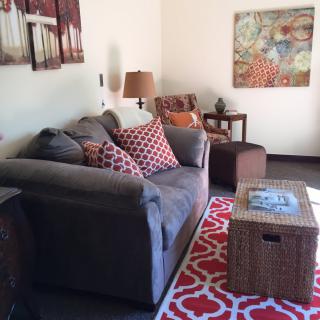
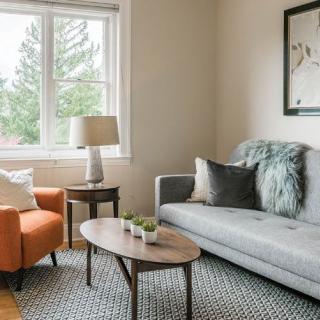
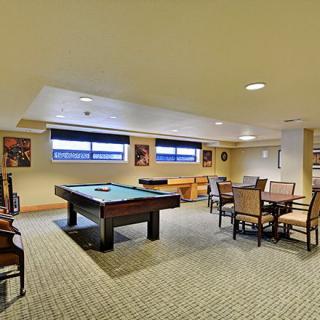
  • pro Residents have access to the living room and patio, which is nice.
  • pro The reviewer would recommend West Seattle Adult Family Home to other families.

Cons

  • pro The room sizes here are average.

Review

West Seattle Adult Family Home is best suited for families who are navigating Medicaid eligibility and want a small, home-like setting in Seattle's West Seattle neighborhood. The community fits those who prioritize cost considerations and a warm, intimate environment over campus-scale amenities. It's a practical choice for residents who do not require extensive on-site programming or high-volume staffing, but who still need reliable assisted living supports within a budget framework that Medicaid can directly address.

Those weighing this option against alternatives should note who may want to consider other paths. If private rooms with expansive square footage, a broad slate of on-site activities, or highly structured memory-care services are non-negotiable priorities, a larger community or specialized facility may be a better fit. Families seeking robust, program-rich environments or a setting with abundant common spaces and long lists of organized outings may find the AFH model too small or limited. For residents who require frequent, comprehensive clinical oversight or 24/7 on-site medical staffing, exploring more expansive options could yield a better alignment with needs.

From a strengths perspective, the Medicaid conversion capability stands out as the decisive pro. The ability to convert to Medicaid directly addresses ongoing affordability and access to care for many seniors and their families, reducing financial uncertainty and enabling continuity of care without frequent relocation. In addition, the physical footprint of the home-like setting offers tangible comfort: rooms are described as average in size, but residents gain meaningful daily life benefits through access to shared living space and a patio. This arrangement supports social interaction and outdoor time, which can contribute to overall well-being even when square footage is not expansive.

The main drawbacks are inherently tied to the same intimate scale. The average room size signals a trade-off: privacy and personal space may be more limited than in larger facilities, and opportunities for private routines or larger in-room living setups are constrained. The small, family-style model typically translates to a leaner calendar of activities and less formal programming than larger communities, which can be a mismatch for residents who crave a bustling social scene or a wide variety of scheduled events. Additionally, the limited public information - derived from a very small number of reviews - means there is less evidence about staffing levels, safety protocols, meal quality, and day-to-day consistency.

Yet the favorable elements do partly offset these concerns. For families prioritizing predictable costs, the Medicaid pathway can neutralize what would otherwise be a financial hurdle, making long-term care more attainable without sacrificing basic care needs. The homier atmosphere and easy access to communal spaces can foster a sense of belonging and daily connection - qualities that matter deeply in late-life care. In a small setting, caregivers often deliver more individualized attention, even if the overall programming is lighter. When these advantages align with a resident's preferences for quiet, predictable routines and a familiar, manageable environment, the weaknesses become manageable trade-offs rather than deal-breakers.

Ultimately, West Seattle Adult Family Home is a practical, purpose-driven option for families seeking an affordable, Medicaid-friendly path in a compact, home-like setting. It is particularly well-suited for residents who prioritize financial clarity, personal warmth, and easy access to shared spaces over a wide array of on-site activities or larger-room privacy. Families contending with budget constraints and who value the reassurance of Medicaid coverage will find clear justification to move forward. Those who require more expansive space, richer programming, or specialized memory-care resources should consider alternatives in the broader Seattle area where scale and scope better match those higher-demand needs.

Features

Types of Care

  • Board and Care Home Board and Care HomeBoard and care homes provide a smaller, more intimate setting for seniors who require assistance with daily tasks but do not need the level of care offered by a nursing home. They offer personalized care, meals, and social activities in a homelike environment, ensuring that seniors receive individualized attention and support in their golden years.
  • Memory Care Memory CareMemory care is crucial for seniors as it provides specialized support and services for individuals with dementia or Alzheimer's disease. These programs offer a safe and secure environment where residents receive personalized care, cognitive stimulation, and help with daily activities. Memory care helps seniors maintain their independence, quality of life, and dignity while also providing peace of mind for their families.

Pets

  • Cats allowed Cats allowed"Pet friendly" senior living communities are important for seniors because pets provide companionship, reduce feelings of loneliness and depression, promote physical activity and mental stimulation, and offer a sense of purpose and responsibility. Pets can improve overall well-being and quality of life for seniors in many ways.
  • Dogs allowed Dogs allowed"Pet friendly" senior living communities are important for seniors because pets provide companionship, reduce feelings of loneliness and depression, promote physical activity and mental stimulation, and offer a sense of purpose and responsibility. Pets can improve overall well-being and quality of life for seniors in many ways.

Amenities

  • Activities off-site Activities off-siteEngaging in off-site activities is crucial for seniors to maintain social connections, stay active, and stimulate their minds. It promotes overall well-being and helps combat feelings of isolation and loneliness.
  • Activities on-site Activities on-siteActivities on-site are important for seniors because they provide opportunities for socialization, mental stimulation, physical activity, and overall well-being. Engaging in activities can help seniors stay active, maintain their independence, and improve their quality of life.
  • Bath tubs Bath tubsBath tubs are important for seniors because they provide a safe and relaxing way to bathe, helping to prevent slips and falls while promoting independence and overall well-being.
  • Beautician on-site Beautician on-siteHaving a beautician on-site at a senior living community is important for seniors as it allows them to easily access grooming and personal care services, boosting their self-esteem and overall well-being. It also provides convenience and helps seniors maintain their sense of independence and personal style.
  • Devotional services off-site Devotional services off-siteDevotional services off-site are important for seniors as they provide spiritual nourishment, social engagement, and a sense of community outside of the senior living facility. This can enhance overall well-being and help combat feelings of isolation and loneliness often experienced by older adults.
  • Devotional services on-site Devotional services on-siteDevotional services on-site provide seniors with spiritual support and a sense of community, as well as an opportunity for reflection and guidance during their senior living experience. This can promote emotional well-being and connection to others, leading to a more fulfilling and enriching lifestyle in their later years.
  • Indoor common areas Indoor common areasIndoor common areas are crucial for seniors as they provide a space for socialization, recreation, and community engagement, promoting overall well-being and reducing feelings of isolation and loneliness.
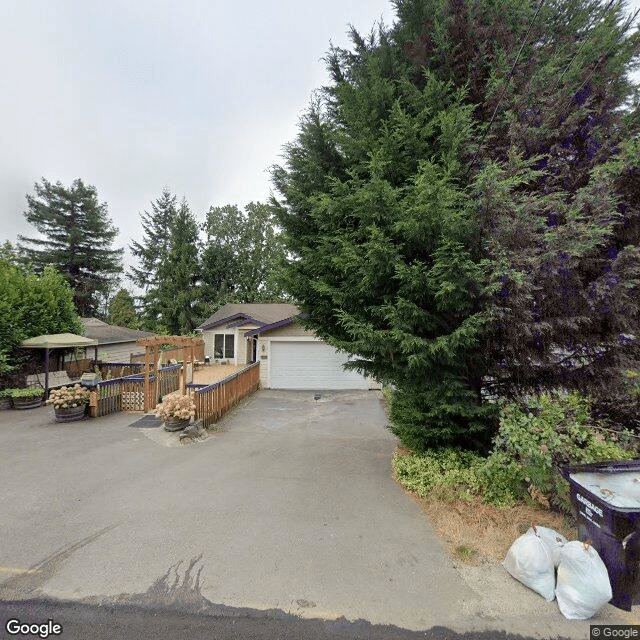
  • Outdoor common areas Outdoor common areasOutdoor common areas are important for seniors as they provide a space for socialization, physical activity, and relaxation. Being outside in nature can improve mood and overall well-being, while also encouraging movement and engagement with others. These spaces can help combat feelings of isolation and promote a sense of community among residents.
  • Private PrivatePrivacy is important for seniors as it allows them to maintain their independence, dignity, and sense of control over their own lives. It also gives them the space and freedom to relax, reflect, and engage in activities that bring them joy and fulfillment. Creating private spaces within senior living facilities is crucial for promoting overall well-being and quality of life.
  • Private bathrooms Private bathroomsPrivate bathrooms are important for seniors in senior living communities because they provide independence, dignity, and comfort. Having a private bathroom allows seniors to maintain their personal hygiene routines without the need for assistance, promoting a sense of autonomy and privacy. Additionally, private bathrooms help prevent the spread of infections and provide a safe and clean environment for seniors to navigate safely.
  • Respite or short term stays offered Respite or short term stays offeredRespite or short term stays provide seniors with a temporary solution when their regular caregiver is unavailable, offering them the opportunity to receive additional care and support during times of need, while also giving caregivers a chance to rest and recharge.
  • Wheelchair accessible showers Wheelchair accessible showersWheelchair accessible showers are crucial for seniors as they provide a safe and independent bathing option for those with mobility challenges. These showers help prevent falls and allow seniors to maintain their dignity and autonomy while ensuring they can bathe comfortably.

Transportation

  • Seattle-Tacoma International (6 miles away) Seattle-Tacoma International (6 miles away)

Care Services

  • Diabetic care Diabetic careDiabetic care is crucial for seniors as they are more susceptible to developing diabetes due to aging and other health conditions. Proper management of diabetes can help prevent complications such as heart disease, vision loss, and nerve damage, improving the overall quality of life for seniors in senior living communities.
  • High acuity care High acuity careHigh acuity care is important for seniors because it provides specialized medical attention and support for individuals with complex medical needs. This level of care ensures that seniors receive the appropriate treatment and assistance to maintain their health and quality of life as they age.
  • Incontinence care Incontinence careIncontinence care is essential for seniors to maintain their dignity, hygiene, and overall quality of life. By addressing incontinence issues promptly and effectively, seniors can enjoy a sense of independence and comfort in their daily activities.
  • Medication management Medication managementMedication management is crucial for seniors to ensure they are taking the right medications at the correct dosages and times. This helps prevent adverse drug interactions, reduces the risk of medication errors, and promotes overall health and well-being. Proactive management also allows for adjustments as needed based on changing health conditions or new prescriptions.

Dining

  • Meals provided Meals provided"Meals provided" are crucial for seniors in assisted living communities as it ensures they have access to nutritious, balanced meals without the stress of meal planning and preparation. This can help promote overall health and well-being for seniors who may have limited mobility or cognitive abilities.

Activities

  • Activities off-site Activities off-siteEngaging in off-site activities is crucial for seniors to maintain social connections, stay active, and stimulate their minds. It promotes overall well-being and helps combat feelings of isolation and loneliness.
  • Activities on-site Activities on-siteActivities on-site are important for seniors because they provide opportunities for socialization, mental stimulation, physical activity, and overall well-being. Engaging in activities can help seniors stay active, maintain their independence, and improve their quality of life.
  • Christian services Christian servicesChristian services are important for seniors because they provide a sense of community, spiritual support, and opportunities for connection with others who share their faith. These services can offer comfort, hope, and guidance as seniors navigate the challenges of aging and find meaning and purpose in their lives.
  • Devotional activities offsite Devotional activities offsiteDevotional activities offsite are important for seniors because they provide social engagement, spiritual growth, and a sense of community outside of their living environment. This can improve overall well-being, mental health, and combat feelings of isolation or loneliness.
  • Devotional activities on-site Devotional activities on-siteDevotional activities on-site provide seniors with a sense of community, spiritual fulfillment, and emotional support, promoting overall well-being and a positive sense of purpose in their lives.

Description

The West Seattle Adult Family Home is a premier assisted living community located in the vibrant city of Seattle, WA. Our community specializes in providing exceptional memory care services for seniors with Alzheimer's or other forms of dementia.

At West Seattle Adult Family Home, we believe that engaging and meaningful activities are essential for our residents' overall well-being. That's why we offer a wide range of on-site activities tailored to their interests and abilities. From group exercises to arts and crafts sessions, there is always something exciting happening within our community.

We understand the importance of maintaining personal hygiene and offer luxurious amenities such as private bathrooms with bathtubs. Our beautician on-site ensures that residents always look and feel their best. Additionally, we provide devotional services both on-site and off-site to meet the spiritual needs of our residents.

Our indoor and outdoor common areas provide ample space for socializing with fellow residents or relaxing while enjoying the beautiful surroundings. The wheelchair-accessible showers make it easy for seniors to maintain their personal hygiene independently.

To ensure that families have peace of mind, our highly trained staff provides high acuity care, incontinence care, and medication management services. We prioritize creating a safe and secure environment where each resident receives personalized attention and support.

Convenience is one of the key advantages of living at West Seattle Adult Family Home. With numerous cafes, parks, pharmacies, restaurants, transportation options, and hospitals nearby, residents can easily access everything they need without any hassle.

If you are looking for an exceptional assisted living community that offers top-quality memory care services in a warm and inviting environment, then West Seattle Adult Family Home is the ideal choice for your loved one.

Nearby Places of Interest

This part of Seattle, Washington offers a diverse range of amenities and services that cater to the needs of seniors. With multiple pharmacies, hospitals, and physicians offices in close proximity, residents have easy access to healthcare facilities. The area also boasts a variety of dining options, from casual cafes to upscale restaurants, ensuring there is something for everyone's taste. Additionally, the numerous parks provide opportunities for outdoor recreation and relaxation. With convenient transportation options such as light rail stations nearby, getting around the city is convenient for seniors who may not drive. Overall, this neighborhood offers a well-rounded living experience with easy access to essential services and a vibrant community atmosphere.

Pharmacies

  • Walgreens (0.4 miles)
  • Bartell Drugs - Ebt (0.5 miles)
  • Rite Aid (0.6 miles)
  • Saars Marketplace And Saars Super Saver (1.1 miles)
  • Walgreens (1.8 miles)
  • Rite Aid (2.7 miles)
  • QFC Pharmacy (3 miles)

Restaurants

  • Endolyne Joes (1.8 miles)
  • El Rinconsito (3.9 miles)
  • McDonald's (4.1 miles)
  • Circa (4.2 miles)
  • Salty's on Alki (4.4 miles)
  • Marination Ma Kai (4.7 miles)
  • Uwajimaya (5.2 miles)

Parks

  • Lincoln Park (1.9 miles)
  • Fairmount Playground (2.4 miles)
  • Ed Munro Seahurst Park (3.2 miles)
  • North SeaTac Park (3.3 miles)
  • Emma Schmitz Memorial Overlook (3.6 miles)
  • Genesee Park & Playground (4.4 miles)
  • Lake Washington Boulevard Park (4.8 miles)

Hospitals

  • Providence Mount St. Vincent - Seattle (2.6 miles)
  • Harborview Medical Center (5.7 miles)
  • Swedish Medical Center (6 miles)

Cafes

  • The Flora Bakehouse (2.8 miles)
  • Starbucks (3 miles)
  • Chelan Cafe (3.3 miles)
  • Starbucks (3.5 miles)
  • Starbucks (3.7 miles)
  • Starbucks HQ (4 miles)
  • Starbucks Reserve SoDo (4 miles)

Transportation

  • Link Light Rail - Rainier Beach Station (3.5 miles)
  • Columbia City Station (3.8 miles)
  • Mount Baker Station (4.4 miles)
  • Stadium Station (4.9 miles)
  • King Street Station (5.2 miles)
  • North Satellite (5.7 miles)
  • Alaska Airlines Seattle Lounge - North Satellite (5.9 miles)

Physicians

  • Three Tree Women's Clinic (4.7 miles)

Theaters

  • Regal Meridian & 4DX (6.1 miles)
  • AMC Pacific Place 11 (6.2 miles)

Frequently Asked Questions

How much does it cost to live at West Seattle Adult Family Home in Seattle, WA?
Where is West Seattle Adult Family Home?
Does West Seattle Adult Family Home provide care for residents with dementia or Alzheimer's disease?
Does West Seattle Adult Family Home allow residents to have pets?

Nearby Communities

  • Florence of Seattle

    Florence of Seattle

    Seattle, WA

    4.9 from 7 reviews
    $6,000 to $9,000 / month

    pro Proactive owner communication with warm, personalized care and engaging activities.

  • Grandma's Choice Adult Family Home

    Grandma's Choice Adult Family Home

    Seattle, WA


    pro Specialized memory care with on-site amenities and comprehensive services.

  • Daystar Retirement Village

    Daystar Retirement Village

    Seattle, WA

    4.4 from 42 reviews
    $3,495 to $4,295 / month

    pro Warm, welcoming community with attentive staff and an active social life.

  • In Home Love Residential Care LLC

    In Home Love Residential Care LLC

    Seattle, WA

    5 from 5 reviews
    $5,000 / month

    pro Compassionate, experienced dementia care with strong medical coordination in a clean, accessible home offering private rooms.

  • Arrowhead Gardens

    Arrowhead Gardens

    Seattle, WA

    3.8 from 99 reviews
    $680 to $4,620 / month

    pro Friendly, attentive staff; clean facilities; engaging activities; pleasant outdoor spaces.

  • Homecomings III

    Homecomings III

    Seattle, WA

    5 from 1 review
    $7,000 to $7,500 / month

    pro Compassionate, personalized care and a welcoming environment.

  • Providence Mount St. Vincent Assisted Living Apartments

    Providence Mount St. Vincent Assisted Living Apartments

    Seattle, WA

     
    $4,600 to $6,000 / month

    pro Extensive on-site amenities, diverse dining options, and comprehensive care with accessibility features.

  • The Kenney

    The Kenney

    Seattle, WA

    4 from 31 reviews
    $2,738 to $3,358 / month

    pro Friendly, family-like staff and engaging activities.

  • Brookdale West Seattle

    Brookdale West Seattle

    Seattle, WA

    4.3 from 67 reviews
    $3,400 to $5,700 / month

    pro Caring staff and a warm, social environment with well-maintained facilities and robust amenities/activities.

Related Resources

  • dementia and angerWhen Dementia Sparks Anger and Aggression: Understanding the Connection and Ways to Cope

    Dementia leads to cognitive impairment and can cause emotional and behavioral changes, including aggression that arises from frustration, confusion, or fear. Effective coping strategies for caregivers include understanding dementia's nature, recognizing triggers, using empathetic communication, and employing non-pharmacological interventions like music and art therapy.

  • dementia behaviorsDementia Behaviors: In-Depth Understanding and Effective Coping Strategies

    Dementia causes cognitive decline and challenging behaviors that caregivers must manage, necessitating an understanding of the neurological basis of these issues. Effective strategies and self-care for caregivers can enhance support for those with dementia and improve their daily lives.

  • does my mom have dementia quiz5 Early Indicators of Dementia and What You Can Do

    The content outlines five key early indicators of dementia, including significant memory loss and confusion about time and place, while emphasizing the need for professional evaluation and emotional support for both individuals showing symptoms and their caregivers. It encourages family members to monitor these signs closely and use online quizzes for initial awareness.