
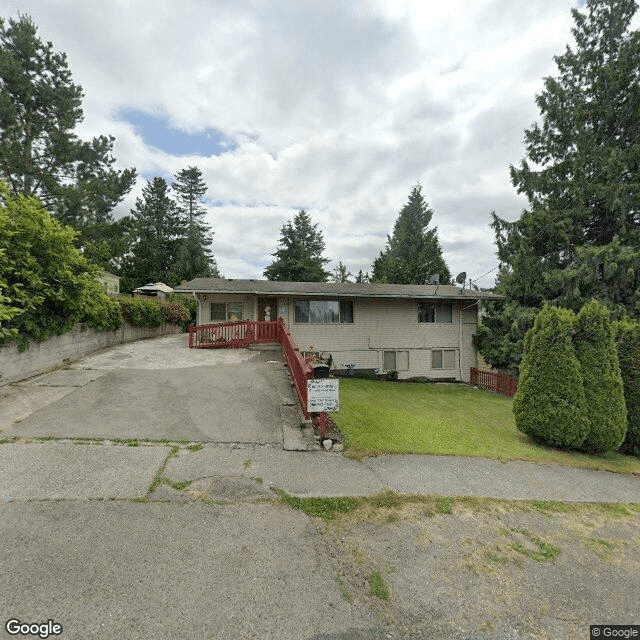
1501 SW Myrtle, Seattle, WA 98106
To contact a resident: (206) 762-7603
For more information about senior living options: (866) 208-4318
Homecomings III Costs & Pricing
Homecomings III presents competitive pricing for its residential care options when compared to both King County and the broader state of Washington. For semi-private accommodations, Homecomings III charges $7,000 per month, which significantly exceeds the local average of $4,430 in King County and the state average of $4,267. The private room option is similarly priced at $7,500, again surpassing King County's average of $5,034 and the statewide average of $4,772. While these costs are higher than regional benchmarks, they reflect the unique value and specialized services that Homecomings III offers to its residents.
| Floor plans | Homecomings III | King County | Washington |
|---|---|---|---|
| Semi-Private | $7,000 | $4,430 | $4,272 |
| Private | $7,500 | $5,034 | $4,774 |
Senior living communities with a similar price nearby
-
from -$500 / mo

The Promised Land
$6,500 / month17.5 miles away -
from -$1000 / mo

Home Away From Home LLC
$6,000 to $7,000 / month22.4 miles away -
from +$1000 / mo
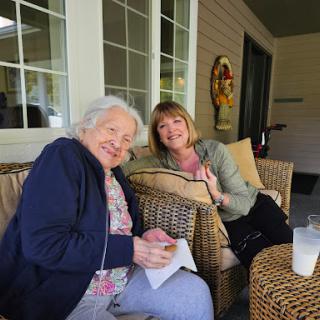
Grace Senior Care of Issaquah
$8,000 / month15.5 miles away -
from +$1000 / mo
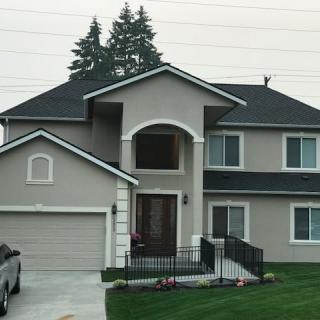
Golden Cottage AFH, Inc
$8,000 / month15.3 miles away -
from -$600 / mo

The Park at Belle Harbour
$6,400 to $15,500 / month10.1 miles away
Overall Review of Homecomings III
Pros
 They are incredibly pleased to have found Chie and Homecomings.
- Chie and her team are nice and loving toward their mom.
- They are thankful.
Review
Homecomings III in Seattle is best suited for families seeking a small, intimate, caregiver-led living environment where a trusted team delivers warm, consistent, person-centered attention. The community appears to prioritize emotional comfort, daily companionship, and a homelike rhythm over formal programming or clinical intensity. It is especially fitting for residents who flourish in a familiar, low-key setting where staff relationships feel like family and where the caregiving presence is steady, reassuring, and readily available for day-to-day needs.
Those considering alternatives should note that this setting may not be the right match for elders requiring robust medical oversight, extensive skilled nursing, or dementia-specific programming. Larger assisted living campuses with on-site nurses, more structured activity schedules, and purpose-built memory care wings often deliver higher levels of medical coordination and a broader array of therapeutic activities. For families needing heightened safety monitoring, 24/7 clinical supervision, or a fixed calendar of therapeutic programming, exploring other Seattle-area options may prevent gaps in care.
The strongest pro here is the evident warmth and personal regard shown by Chie and the caregiving team. The testimonial of deep appreciation, “Chie and her gals are so nice and loving toward our mom”, points to a staff culture that prioritizes affection, trust, and steady, reassuring presence. That kind of relational care can offset many frustrations that families often encounter in larger settings: impersonal routines, feeling like just another chart note, or inconsistent staffing. In practical terms, residents likely benefit from predictable, compassionate contact, easier communication with caregivers, and a sense of belonging that reduces loneliness and protects mood stability.
Where the benefits meet realistic limits, the main consideration is program breadth. A home-like operation typically offers less in the way of formal activities, on-site medical services, and specialized care tracks. This is not a verdict against quality but a reminder of practicality: the comfort of a familiar, attentive team comes with trade-offs in structure and resource depth. Families should verify that medication management, emergency response protocols, assistance with daily activities, and transportation arrangements align with current needs. If a loved one requires complex wound care, infusion therapy, or regular visits from a nurse, these must be clearly supported on site or through a dependable arrangement.
The operational questions that decide the fit boil down to staffing consistency, care planning, and transparency. Prospective families should explore staff-to-resident ratios, the cadence of shifts, how caregivers are paired with residents, and how care plans are updated and shared. In a small operation, turnover can meaningfully impact continuity of care, so understanding who will be on the floor daily and how often a resident’s routines are revisited is critical. Another practical check is the availability of respite stays, trial visits, and clear policies on meals, housekeeping, and transportation. These specifics reveal how the “loving environment” translates into reliable daily life.
Ultimately, Homecomings III stands out for families prioritizing warmth, trust, and a homey daily cadence over formal, high-volume programming. When a loved one thrives on personalized attention and meaningful one-on-one interactions, this setting delivers a compelling value proposition. But for those who must have extensive medical oversight, dementia-specific care, or a broad menu of structured activities, alternatives with larger staff, on-site nursing, and dedicated memory care resources will likely serve better. The decision hinges on balancing the emotional security of a close-knit caregiving team against the desire or need for more clinical support and a wider activity slate.
 Board and Care Home
 Activities off-site
 Beautician on-site
 Devotional services off-site
 Indoor common areas
 Outdoor common areas
 Private
 Private bathrooms
 Respite or short term stays offered
 Wheelchair accessible showers
 Seattle-Tacoma International (7 miles away)
 Diabetic care
 High acuity care
 Incontinence care
 Medication management
 Gluten-free
 BBQs or picnics
 Birthday parties



 Recognizing the Journey: Understanding and Navigating Anticipatory Grief
 Encouraging Participation in Adult Day Care: A Guide to Supporting a Hesitant Parent
 Comprehensive Exploration of Living Wills and Other Advance Directives