
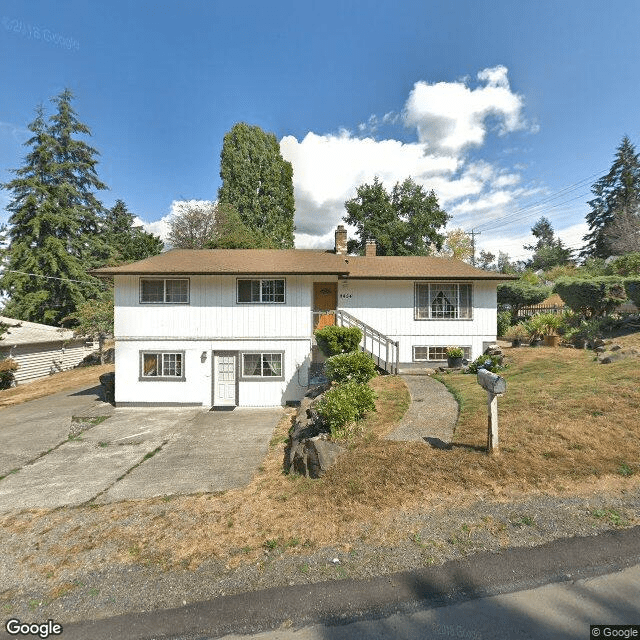
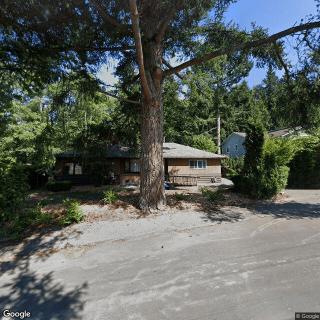
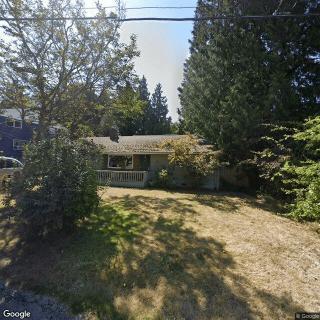
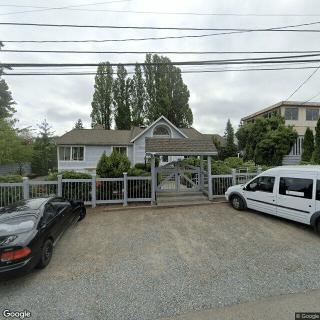
9454 37th Ave SW 206-932-0925, Seattle, WA 98126
To contact a resident: (206) 932-5711
For more information about senior living options: (866) 208-4318
TLC Adult Family Home Costs & Pricing
TLC Adult Family Home offers competitive pricing for its residential care services, with both private rooms and one-bedroom accommodations available at a monthly rate of $4,500. This cost is notably lower than the average prices in King County, where similar room types range from approximately $5,034 to $5,127. When placed in the wider context of Washington state averages, TLC's rates also present significant savings, as the state-wide costs for comparable facilities hover around $4,772 to $4,632. This positioning not only reflects TLC Adult Family Home's commitment to affordability but also underscores its value within a landscape of rising care costs.
| Floor plans | TLC Adult Family Home | King County | Washington |
|---|---|---|---|
| Private | $4,500 | $5,034 | $4,774 |
| 1 Bedroom | $4,500 | $5,127 | $4,634 |
Memory care communities with a similar price nearby
-
from -$500 / mo

Riverton Home Care
$4,000 to $5,000 / month5.0 miles away -
from -$500 / mo
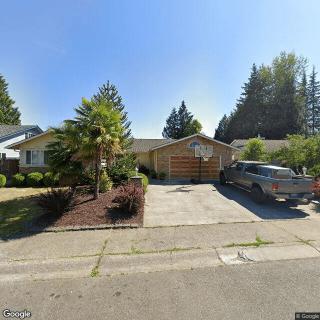
Gentle Care Home
$4,000 to $5,500 / month12.6 miles away -
from +$500 / mo

Peace and Pleasant Care Adult Family Home II
$5,000 to $6,000 / month10.3 miles away -
from -$195 / mo
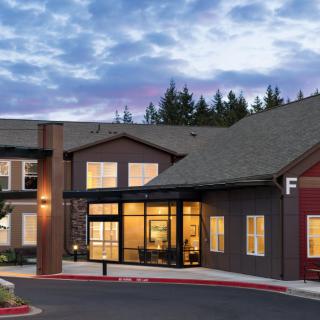
Penrose Harbor at Heron's Key
$4,305 to $7,332 / month16.0 miles away -
About the same
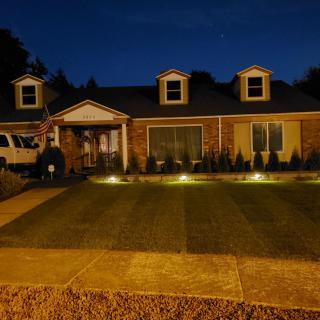
A Serenity AFH
$4,500 to $6,000 / month17.7 miles away
Overall Review of TLC Adult Family Home
Pros
 TLC AFH is highly recommended for loved ones needing care.
- TLC has taken excellent care of the mother, helping her thrive despite severe dementia.
- The mother remains well cared for and stable, both physically and mentally.
- The location is liked by reviewers.
Cons
 The bedrooms are too small.
- The common area is too small and leaves no room to roam.
Review
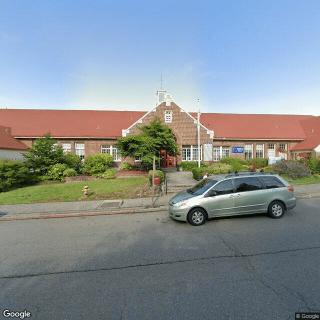
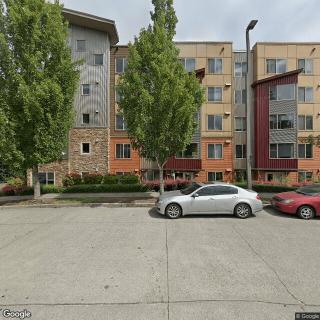
Best suited for a family prioritizing ultra-personalized, hands-on dementia care in a small, home-like setting, TLC Adult Family Home in West Seattle delivers what truly dependent seniors need. The community excels for a loved one with severe dementia who is bedridden and requires constant supervision, predictable routines, and close, day-to-day attention from caregivers who know their signals and preferences. In a landscape dominated by larger campuses, this AFH offers stability and safety through intimate staffing, enabling care that feels less institutional and more like steady, attentive guardianship. Families should expect a warm, discreet environment where staff become a familiar, trusted part of daily life, not just a rotating shift of aides.
Those weighing alternatives should consider what matters most: space, programming, and a broader social milieu. If a resident benefits from larger private rooms, expansive common areas, and a more active daily calendar, a bigger assisted living or memory-care campus may serve better. The West Seattle location is a plus for visits and access to services, but the upside comes with trade-offs: you exchange some roominess and campus-wide resources for a quieter, more homey atmosphere and an intensive care focus.
On the plus side, the care quality is the anchor. A caregiver team that reportedly took exceptional care of a 100-year-old mother with severe dementia shows up as the decisive factor. The resident thrived, remained physically and mentally stable, and benefited from consistent oversight. The proximity of staff to residents creates opportunities for rapid response, personalized routines, and a sense of security that large facilities often struggle to replicate. In this context, the main flaw of cramped space fades into the background as a manageable constraint for caregivers who prioritize vigilant, compassionate care.
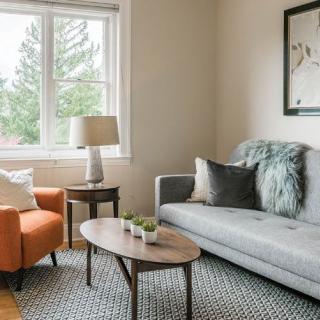
Still, the space constraints matter. Bedrooms described as small and the common area as limited for roaming translate into a tighter, less flexible configuration. For mobility, privacy, or family gatherings, the footprint can feel restrictive. The fact that one reviewer repeatedly noted the same issues signals consistency in this limit, though it does not automatically disqualify the community if the resident’s day-to-day needs align with the home’s strengths. In dementia care, where fear, disorientation, and agitation can spike without predictable routines, the intimate setting and steady staffing often outweigh the downsides of a compact layout.
What to verify before deciding: request current floor plans and measure actual bedroom sizes, plus observe how spaces are used during a tour. Ask for the caregiver-to-resident ratio, the dementia-specific care plan process, and how staff manage late-stage needs and safety concerns. Confirm whether the home can adapt if cognitive or physical needs rise, and explore policies for family involvement, overnight visits, and outdoor access. Finally, consider whether the neighborhood’s amenities and visitability align with the family’s schedule and the resident’s preferences.
Bottom line: TLC Adult Family Home is a pragmatic choice for families facing advanced dementia care where a high level of personal attention and a stable, home-like atmosphere trump expansive space and campus amenities. It is less suitable for those who prize sizeable private rooms, large common areas, and robust activity programs. If the priority is knowledgeable, affectionate care delivered in a trusted, low-stimulation environment with practical West Seattle accessibility, TLC stands out as a disciplined, sensible option worth pursuing.
 Board and Care Home
 Memory Care
 Activities off-site
 Beautician on-site
 Devotional services off-site
 Indoor common areas
 Outdoor common areas
 Private
 Private bathrooms
 Wheelchair accessible showers
 Seattle-Tacoma International (6 miles away)
 Diabetic care
 High acuity care
 Incontinence care
 Medication management
 Meals provided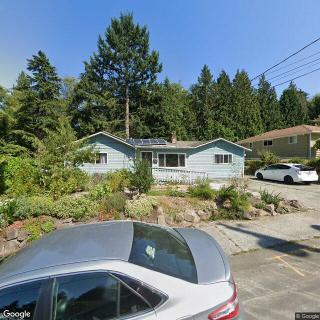
 A Detailed Exploration of Assisted Living Medicaid Waivers Across the United States
 Exploring the Contrasts Between Assisted Living and Skilled Nursing
 Vibrant Senior Living: A Comprehensive Guide for Active Older Adults