
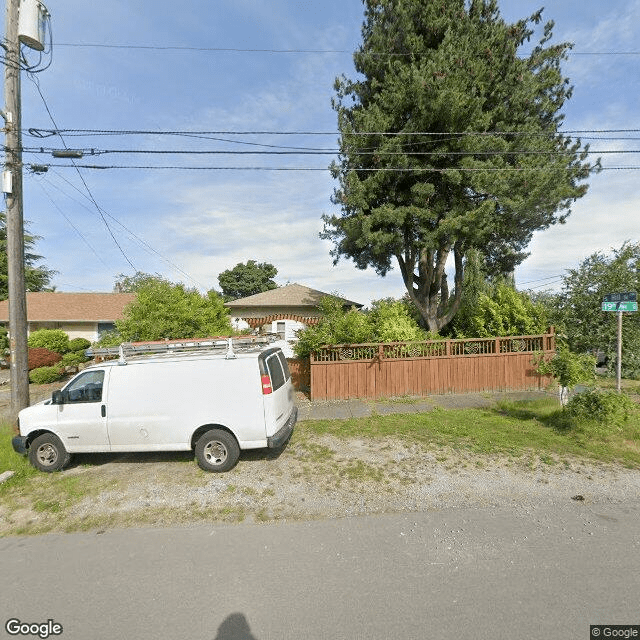
2026 19th Ave S, Seattle, WA 98144
To contact a resident: (206) 324-1122
For more information about senior living options: (866) 208-4318
Overall Review of Freedlander Adult Home & Dycr
Pros
 Blue Ridge Family Home felt like the perfect fit for a father needing more care.
- It is a beautiful, sunny home with outstanding Puget Sound views.
- The staff are warm, professional, and a delight to interact with.
- Joy is a wonderful cook.
- The aunt adjusted to her new home and feels well cared for and blessed to be at Blue Ridge.
- The caregivers demonstrate extraordinary kindness and big-heartedness, and the staff are organized and efficient in caring for older residents.
- The aunt and her family are very happy with Blue Ridge and its kind and compassionate staff.
Cons
 Going from her home of many years to a strange place with different people was hard at first for her aunt.
Review
This community is best suited for families seeking a small, home-like living arrangement where daily care feels intimate, personalized, and consistently attentive. The strongest fit is for a loved one who values warmth from caregivers, a calm, organized day-to-day rhythm, and meals prepared with care in a setting that feels like a home rather than an institution. Reviews consistently highlight staff who are warm, professional, and easy to connect with, along with a home environment that prioritizes humane, compassionate care. For families prioritizing reliable daily oversight delivered with kindness and a sense of safety, this option stands out as a practical, emotionally supportive choice.
Those considering alternatives should recognize that this model may not be ideal for residents requiring robust, 24/7 medical supervision or specialized clinical programming. If a loved one needs constant nursing on site, intensive memory care, or a broad spectrum of on-campus therapies and activities found in larger facilities, a different community with more formal healthcare infrastructure could be a better match. This type of home-style setting excels at daily personal care and emotional support, but it may not substitute for a campus designed around higher-acuity needs or comprehensive rehabilitation services.
The core strengths, genuine warmth from caregivers, a sense of organization, and dependable problem-solving, form the backbone of this community’s appeal. Caregivers are described as having big hearts, operating with kindness, and delivering care in a smooth, capable manner. Such consistency translates into a low-stress transition for families and a straightforward, predictable routine for residents. The staff’s practical competence in handling difficult situations underpins a reliable level of daily safety and comfort, making important daily tasks feel manageable rather than burdensome.
A second, equally important advantage is the home atmosphere itself. Residents appear to adjust well to the environment, with families noting a quick alignment with the new setting and a strong sense of well-being. The absence of cold, clinical cues often found in larger facilities helps residents settle in, form relationships with caregivers, and maintain a sense of dignity and autonomy. When families hear that a loved one is “well cared for” and that the team operates with smooth efficiency, it reinforces confidence that the resident will experience steady, respectful support over time.
Still, it is prudent to acknowledge tradeoffs that accompany this model. The primary concern is how medical and specialized services are structured in a smaller, home-like setting. While caregivers handle everyday needs expertly, there may be limited on-site nursing coverage, fewer therapy offerings, and less immediate access to high-acuity medical care or memory-care programming. For residents with complex medical histories, frequent physician oversight, or intensive rehabilitation requirements, these gaps can become meaningful. Family members should verify staffing levels, on-site healthcare availability, and the process for coordinating external medical visits.
In the end, Freedlander Adult Home & Dycr in Seattle represents a sound, confident choice for families prioritizing trust, warmth, and a less clinical, more homelike daily experience. It’s particularly well-suited for seniors who thrive on consistent human connection, clear daily routines, and a comforting, organized caregiving structure. For those with higher medical needs or specialized memory-care requirements, the prudent path is to compare with larger communities offering robust clinical services and a wider menu of therapies. Prospective families should schedule first-hand visits, discuss care plans with the team, ask about caregiver-to-resident ratios, and request current references to ensure alignment between expectations and daily realities.
 Board and Care Home
 Seattle-Tacoma International (9 miles away)


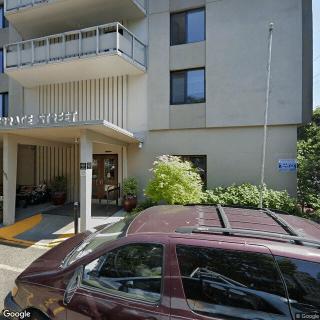


 Senior Move Management: Understanding the Role, Value, and Associated Costs
 Weight Training for Seniors: Building Strength and Vitality
 Understanding the Sandwich Generation: Stress and Responsibilities for Multigenerational Caregivers