
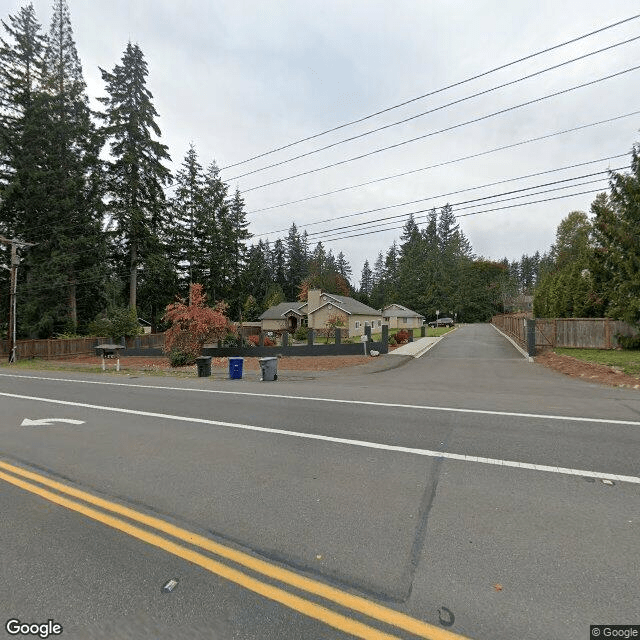
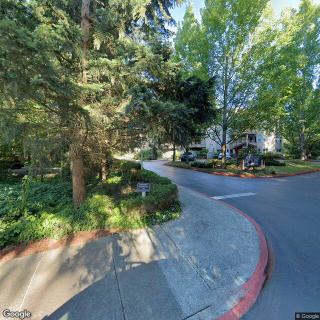
3407 228th Ave. SE 425-466-0360cell, Sammamish, WA 98075
To contact a resident: (425) 837-9961
For more information about senior living options: (866) 208-4318
Pine Lake AFH Costs & Pricing
Pine Lake Adult Family Home offers competitive pricing with its private rooms available for $3,000 per month. This cost is significantly lower than the average monthly rate in King County, which stands at approximately $5,034, as well as the broader Washington state average of around $4,772. By providing quality care at this more accessible price point, Pine Lake AFH positions itself as an attractive option for families seeking affordable yet high-quality adult living solutions. The combination of personalized care and a welcoming environment ensures that residents receive not only comfort but also value for their investment in long-term care.
| Floor plans | Pine Lake AFH | King County | Washington |
|---|---|---|---|
| Private | $3,000 | $5,034 | $4,774 |
Senior living communities with a similar price nearby
-
from +$500 / mo
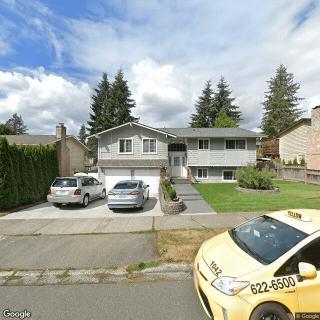
Dignity Life
$3,500 / month19.6 miles away -
from +$375 / mo
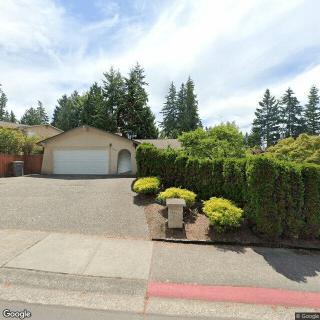
Evergreen Manor Senior Care Inc
$3,375 to $7,500 / month10.2 miles away -
About the same
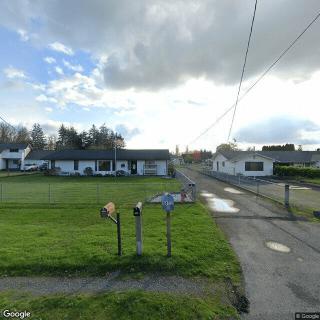
Hummingbird Homecare
$3,000 / month23.9 miles away -
from -$200 / mo
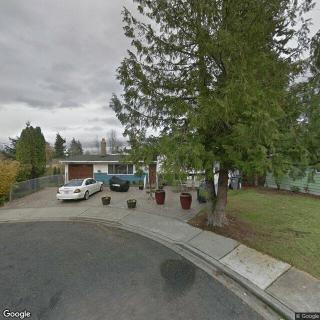
Gold Standard Care
$2,800 / month20.0 miles away -
About the same
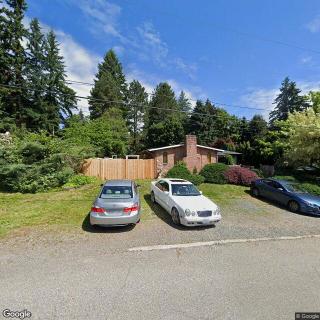
Caring Adult Family Home #1
$3,000 / month14.8 miles away
Overall Review of Pine Lake AFH
Pros
 The facility is a wonderful place to care for a loved one.
- The owners care deeply for the patients.
- The staff are wonderful and dedicated to serving.
- The Sammamish facility is great for parents.
- The place is very clean and organized, and residents are well cared for.
- The food is home-cooked and fabulous.
Review
Pine Lake AFH in Sammamish is best suited for families seeking a small, home-like setting for an elderly relative, where hands-on supervision and personal attention are the norm. The six-resident, family-run operation translates into predictable routines, responsive caregiving, and a warm, familiar atmosphere that larger campuses struggle to replicate. It works particularly well for seniors with low-to-moderate care needs who thrive on daily assistance with grooming, a steady, home-cooked meal plan, and the comfort of being treated like a member of the family rather than a census line item. The environment supports close bonds between residents and caregivers, which in turn reinforces safety and consistency.
Those needing frequent medical interventions, complex memory care, or a facility with broad on-site clinical resources may want alternatives. If priorities include formalized programming, a larger activity slate, or clinical oversight that feels more standardized, Pine Lake AFH may not check every box. The Romanian-family leadership is a standout strength, but that arrangement may not fit every family’s preferences for language, culture, or the level of structure they expect from an assisted-living setting. Families should weigh whether a tightly knit, intimate environment aligns with the resident’s care goals and communication style.
Key advantages include ownership that is clearly invested in every resident, a dedicated staff team, and a setting that is notably clean and well organized. Residents benefit from reliable daily routines, regular grooming and fresh, home-cooked meals, that many seniors prize for comfort and continuity. The small size ensures care decisions are visible and rapid, with caregivers who know each resident’s preferences and needs. Such immediacy can translate into heightened safety, quicker problem recognition, and a sense of belonging that reduces anxiety for both residents and families.
The main trade-offs revolve around capacity and scope. With only six residents, there are fewer on-site amenities and limited opportunities for a broad activity calendar. There is also less on-site medical programming, which means coordinating care with external providers falls more heavily on the family and the leadership. Yet these limitations are frequently offset by the flipped strengths: the consistent presence of familiar caregivers, the owners’ direct involvement in daily life, and the ability to tailor routines and meals to individual tastes with minimal bureaucracy. For many residents, that personalized focus outweighs the lack of formal programming.
Another important dynamic is the culture and language of operation. The home-style, family-run approach can feel exceptionally welcoming and protective, yet it may not mirror every resident’s preferred cultural rhythm or language dynamics. Families should assess whether this intimate, hands-on model aligns with their loved one’s personality and care expectations. If a resident thrives on a bustling schedule, diverse social activities, or a more standardized brand of care, it may be prudent to explore options with a larger footprint or different cultural milieu.
This assessment concludes with actionable guidance. For families prioritizing a quiet, intimate environment where care feels personalized and consistently delivered, Pine Lake AFH stands out in Sammamish. It is not the pick for those who require extensive medical oversight or robust memory-care programming; in those cases, alternatives with larger staff rosters and more formal services may serve better. The positives outweigh the negatives for residents who thrive on connection, routine, and home-cooked meals, while the cons are mitigated by the owners’ active involvement and the tight-knit team. Prospective families should visit unannounced, observe morning routines, ask about staff familiarity with residents, and verify how medical coordination is handled to ensure alignment with care goals.
 Board and Care Home
 Private
 Seattle-Tacoma International (16 miles away)


 Nurturing Our Loved Ones: A Daughter's Journey in Caring for Her Mother
 Nurturing Our Elders: Linda's Journey of Supporting Her Mother
 A Comprehensive Exploration of Common Misunderstandings about Powers of Attorney