

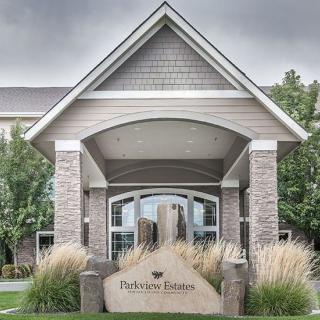
616 The Parkway, Richland, WA 99352
To contact a resident: (509) 578-5784
For more information about senior living options: (866) 208-4318
Overall Review of Senior Helpers - Tri-Cities, WA
Pros
 Stephanie Marquez at Senior Helpers is amazing—kind, reliable, and genuinely cares about the people she works with.
- Senior Helpers' caregivers bring positive energy and make care feel easier and less stressful.
- Maria, Dad’s caregiver, provides personalized attention and meaningful activities, improving his well-being.
- Senior Helpers goes above and beyond for clients, with staff who are passionate, professional, and loving.
- Starla is wonderful and pleasant to have in the home, providing excellent care.
- Senior Helpers helps families keep loved ones at home for as long as possible and provides valuable resources and support.
- An RN who partnered with Senior Helpers regards their team as passionate, professional, and loving, with care unmatched in the Tri-Cities.
Cons
 They allege Senior Helpers enforced a 3-hour minimum and then changed it, causing unexpected charges.
- They say the aides were inexperienced and had to be trained by the client and family.
- They claim the company kept part of a $250 deposit and did not promptly refund the balance.
- They report a visit from the state's Adult Protective Services to investigate concerns about caregiver burnout and neglect.
- They describe mixed messages, lies, and questionable ethics in the service.
- They state the agency withheld over $1,500, claiming insufficient notice, and showed a lack of concern for vulnerable parents.
- They report safety risks, including a cabinet code given to a patient to access medications and a cabinet opened improperly.
Review
Senior Helpers - Tri-Cities in Richland is best suited for families who want to keep a loved one at home and value a relationship-driven in-home care model. The core audience includes seniors who need daily assistance with routines, medication reminders, meal preparation, companionship, and safe, individualized engagement, with the option to coordinate with hospice or medical teams for clinical support. The program shines when the goal is to preserve familiar surroundings, nurture social interaction, and adapt as needs evolve, from light tasks to more intensive support during illness or recovery. The strongest selling point is the ability to mobilize caregivers who genuinely invest in a client’s well-being and to coordinate with family members for continuity of care across the Tri-Cities. Families should expect a practical path to keeping loved ones at home as long as care plans stay collaborative and actively managed.
Those who should seriously weigh alternatives include families demanding unwavering staffing consistency and zero tolerance for scheduling hiccups. Several reviews highlight turnover, inexperienced aides, or shifting assignments that force families to continually recalibrate plans. Billing disputes and deposits withheld surface as red flags, underscoring the need for rigorous contract terms and transparent financial practices. For clients with pronounced medication management or safety needs, such as strict oversight of cabinet access and precise dosing, there is room for improvement in oversight. And when 24/7 on-site coverage is essential, or when a facility environment becomes the preferred setting for cognitive impairment, exploring other providers or different care settings may yield more predictable governance and accountability.
On the plus side, the staff can deliver deeply personal, attentive care. Reviews spotlight caregivers who bring energy, empathy, and practical help, examples include daily meal support and meaningful interactions that genuinely reduce burden for families. Clients report improvements in mood, engagement, and overall well-being, with caregivers coordinating resources such as home safety improvements, care transitions, and connections to community activities. Endorsements from seasoned professionals, an RN who would refer patients and teams described as professional and loving, add credibility and suggest a high ceiling for quality when the right caregiver aligns with a client. These strengths often offset sporadic staffing or administrative missteps when families stay engaged and demand consistent communication.
To maximize value and reduce risk, insist on a clear, written care plan with stable caregiver assignments and a documented escalation protocol. Require a single point of contact and regular check-ins to reconcile progress with the family’s goals. Nail down a precise billing policy, including the 3-hour minimum, cancellation terms, and deposit handling, to prevent surprises. Implement a trial period of two to three weeks, followed by a formal review. Ensure staff receive proper training in medication handling and dementia care, and stress that cabinet codes or medication access are strictly controlled. Demand backup coverage for inevitable gaps, and confirm that caregivers have reliable transportation and the ability to communicate promptly about any concerns. These steps embed accountability into a model that relies heavily on trusted relationships.
Beyond direct care, Senior Helpers distinguishes itself through resourcefulness and a willingness to coordinate with families on practical changes, home safety adjustments, scheduling, and support for transitions toward higher levels of care. Several clients credit office staff and care managers with responsiveness and problem-solving when plans did not go as expected, and many caregivers are described as going above and beyond to keep a loved one engaged and safe. The endorsements from clinicians and family members reinforce that, when aligned well, the program can deliver a consistent, respectful routine that preserves independence and dignity. These real-world strengths give families confidence to pursue a home-based strategy, even as occasional operational friction is navigated.
In sum, Senior Helpers Tri-Cities offers a practical, compassionate option for families aiming to keep a loved one at home with skilled, personable caregivers who treat daily routines as a meaningful mission. The upside is substantial: meaningful engagement, dependable caregivers, and access to home-modification resources that support long-term independence. The downsides, staff turnover, variable experience among aides, and occasional billing disputes, demand proactive management and clear boundaries. For households willing to actively supervise care, insist on solid contracts, and use a staged onboarding approach, the community can be a reliable partner in aging in place. For those whose priority is total predictability, strict procedural guarantees, or 24/7 guaranteed on-site care, exploring alternatives or a facility-based option may be wiser. A careful, contract-driven start is the prudent move.
 Tri-Cities (7 miles away)



 Is a Geriatric Care Manager the Right Choice for Your Family?
 Compassionate Conversations: How to Comfort Someone Who Is Grieving
 Home Health Care Aides: Understanding Their Role and Supporting Your Family