
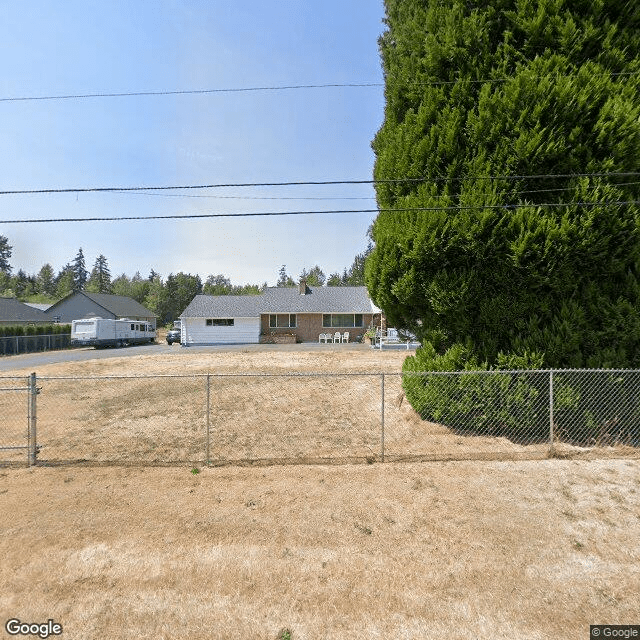
13306 72nd Ave East, Puyallup, WA 98373
To contact a resident: (253) 537-1449
For more information about senior living options: (866) 208-4318
Golden Adult Family Home Costs & Pricing
Golden Adult Family Home offers competitive pricing for senior care, with monthly costs set at $3,200 for both private and semi-private rooms. This rate is significantly lower than the averages in Pierce County, where similar accommodations range from approximately $4,264 to $4,623, and even more favorable compared to the overall state average of about $4,772. By providing quality care at these reduced rates, Golden Adult Family Home demonstrates its commitment to affordability while maintaining a high standard of service for its residents.
| Floor plans | Golden Adult Family Home | Pierce County | Washington |
|---|---|---|---|
| Private | $3,200 | $4,623 | $4,774 |
| Semi-Private | $3,200 | $4,264 | $4,272 |
Senior living communities with a similar price nearby
-
from -$200 / mo
Hummingbird Homecare
$3,000 / month9.8 miles away -
from -$200 / mo
Home Care in Kent Inc.
$3,000 to $3,500 / month18.4 miles away -
from +$300 / mo

Twin Lakes Haven Adult Family Home
$3,500 to $8,000 / month12.7 miles away -
from +$300 / mo
Valley Home Care
$3,500 / month22.3 miles away -
from +$100 / mo
Magic Hands Adult Family Home
$3,300 / month2.2 miles away
Overall Review of Golden Adult Family Home
Pros
 The hospitality was great.
- They have a very lovely daughter.
- They would rate it 10/10 for travelers on a budget.
Cons
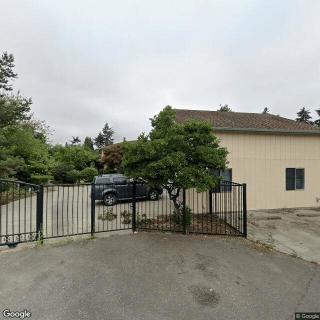
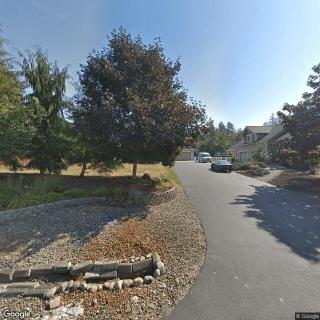
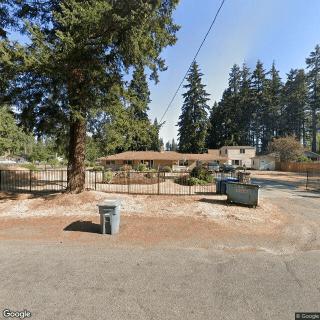
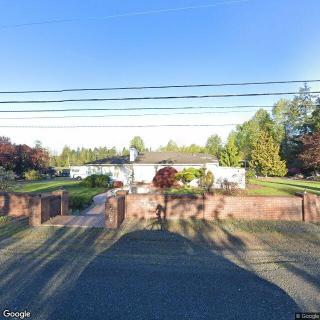
 The curb appeal wasn't fantastic.
- They were turned off by the lack of curb appeal.
- They would rate it two stars instead of one because they didn't go inside.
Review
Golden Adult Family Home in Puyallup is best suited for seniors who value a home-like, intimate setting and thoughtful, personal attention over showroom presentation. This community reads as a budget-conscious, family-oriented option where care philosophy appears to center on hospitality and direct, person-to-person interactions. It appeals to families seeking a small, friction-light environment where the emphasis is on warmth, accessibility, and daily kindness, the kind of place where a resident can feel known by name and greeted with a welcoming smile. For residents who crave polished aesthetics or a wide array of upscale amenities, this is not the first choice; for those who prize genuine human connection and cost-effective care, it merits a serious look.
Potential adopters who should consider alternatives are those for whom exterior curb appeal and modern decor carry equal weight to care quality. The reviews make plain that what outsiders notice first is not always captivating curb appeal, and a couple of prospective guests chose not to enter at all because of the outside presentation. If a polished, professional image, expansive programming, or heavy on-site medical services are non-negotiables, this community may fall short. Families who require robust in-house therapies, memory-care infrastructure, or large-scale activity calendars should evaluate other options where those resources are explicit and easy to confirm.
The strongest positives highlighted are hospitality, genuine warmth, and a familial touch. One reviewer singled out excellent hospitality and a lovely owner, described as a daughter, implying a deeply personal, family-run dynamic. Coupled with the budget-friendly angle, these factors create a sense of security that staff will treat residents with respect and attention beyond what larger facilities might offer. In a setting where residents often thrive on consistent, familiar faces, such interpersonal warmth can translate into smoother daily routines, predictable support, and a sense of belonging that big-name facilities may struggle to replicate.
These advantages, however, are tempered by a clear, recurring concern: the exterior impression can be off-putting enough to deter tours, and thus delay or derail the opportunity to evaluate actual care quality. The lack of curb appeal is not a minor aesthetic gripe; it directly affects the decision-making process, especially for families comparing multiple options where visibility and first impressions matter. Yet for families prepared to look beyond façades, the core question becomes whether the care approach, smaller scale, hands-on, and budget-aware, delivers the consistency and reliability needed in daily routines. In this light, the pros can outweigh the cons, provided due diligence is done through a thorough in-person visit.
On a tour, prospective residents and families should verify what “budget-friendly” translates to in practical terms. Ask what is included in the monthly rate, what meals are like, and whether any additional services incur extra charges. Confirm staffing levels at various shifts and the cadence of assistance with activities of daily living. Inquire about medication management, emergency protocols, and how quickly changes in care needs can be accommodated. Finally, assess the living environment beyond the front door: cleanliness, safety features, and whether residents are treated as individuals with preferences and routines. Meeting the staff and, if possible, the family running the home, is essential to gauge the consistency of warmth and reliability that this model promises.
The bottom line is practical and clear: Golden Adult Family Home is a strong option for families prioritizing affordability without sacrificing a meaningful, person-centered caregiving approach. Its core strength lies in hospitality and a small-community vibe that can cultivate real connections and daily steadiness. For families where curb appeal, extensive on-site amenities, or formal clinical resources are non-negotiable, brighter options exist. A measured decision should hinge on a face-to-face visit, direct conversations about care plans, and a sense of whether the home atmosphere will align with the resident’s personality and needs. If those checks point to yes, this community deserves careful consideration and a serious tour.
 Board and Care Home
 Activities on-site
 Bath tubs
 Devotional services off-site
 Indoor common areas
 Outdoor common areas
 Private
 Respite or short term stays offered
 Wheelchair accessible showers
 Seattle-Tacoma International (22 miles away)
 Ambulatory care
 Diabetic care
 High acuity care
 Incontinence care
 Medication management
 Meals provided

 In-Home Care Costs in 2025: A Detailed State-by-State Exploration
 Understanding Home Health Care: A Comprehensive Guide
 Home Health Care Demystified: A Comprehensive Guide for Families and Caregivers