
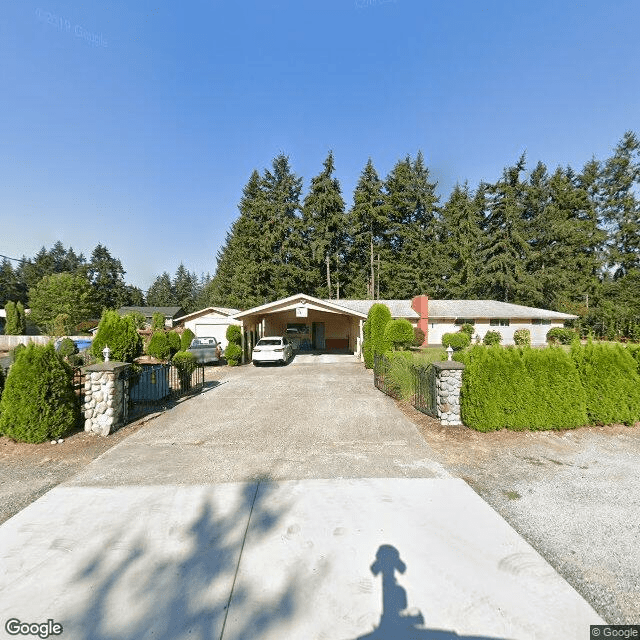
12218 98th Ave. E., Puyallup, WA 98373
To contact a resident: (253) 841-4416
For more information about senior living options: (866) 208-4318
Silhouette Adult Family Home Costs & Pricing
Silhouette Adult Family Home offers competitive pricing for its care services, with costs that are quite favorable compared to both Pierce County and the broader Washington state averages. For a semi-private room, the monthly fee is set at $4,000, which is notably lower than the county's average of $4,264 and the state average of $4,267. Similarly, for those seeking a private room, Silhouette's rate of $4,500 remains more economical than both the Pierce County average of $4,623 and the state average of $4,772. This positioning not only highlights Silhouette Adult Family Home's commitment to providing quality care at accessible prices but also makes it an attractive option for families considering long-term care solutions in this region.
| Floor plans | Silhouette Adult Family Home | Pierce County | Washington |
|---|---|---|---|
| Semi-Private | $4,000 | $4,264 | $4,272 |
| Private | $4,500 | $4,623 | $4,774 |
Senior living communities with a similar price nearby
-
About the same

Riverton Home Care
$4,000 to $5,000 / month22.9 miles away -
About the same
Gentle Care Home
$4,000 to $5,500 / month22.6 miles away -
from -$500 / mo

Twin Lakes Haven Adult Family Home
$3,500 to $8,000 / month12.3 miles away -
from -$500 / mo
Valley Home Care
$3,500 / month21.2 miles away -
from -$700 / mo
Magic Hands Adult Family Home
$3,300 / month4.0 miles away
Overall Review of Silhouette Adult Family Home
Pros
 The staff provide the most loving and personal care for residents.
- From day one, residents feel at home and well cared for.
- The staff patiently addresses concerns and engages residents in daily conversation.
- The home is a wonderful place for a parent needing personal care.
- The caregivers deliver excellent care, keeping residents clean, happy, and well cared for.
- The staff genuinely care about the residents and keep families informed.
Cons
 The larger facility in Puyallup was just horrible.
Review
Silhouette Adult Family Home in Puyallup, WA is best suited for families seeking a tightly knit, highly personalized care setting where a loved one can thrive on consistent, home-like attention. It is especially well-matched for residents who require daily hands-on support, a predictable routine, and a caregiver-driven approach to everyday needs. The environment favors those who value intimate, relationship-based care over the amenities of a larger campus. For seniors living with dementia or approaching end-of-life needs, the decision is often clear: this is a place where caregivers know names, histories, and preferences, and where the caregiver-resident bond translates into steady, compassionate daily care.
Those weighing options should consider alternatives if the situation demands deeper medical infrastructure or program breadth. Families with loved ones needing intensive medical oversight, frequent on-site clinical interventions, or a broad slate of structured activities may find a larger assisted living or dedicated memory-care community more suitable. Similarly, if the priority is a facility with extensive on-site nursing staff, nursing supervision, or more robust rehabilitation services, a bigger campus could align better with expectations. In short, Silhouette thrives on intimate, personalized care, while larger facilities may better serve medically complex cases or residents who crave a fuller, calendar-rich social life.
The strongest pros at Silhouette offset potential drawbacks by delivering extraordinary personal attention. The staff’s patient, attentive approach helps residents feel seen and valued, with caregivers who address concerns, answer questions, and engage residents in daily conversation. Cleanliness and a pleasant, home-like atmosphere are repeatedly noted, along with consistent meals and even favorite treats that reinforce a sense of normalcy and comfort. Family members consistently report being kept informed, which reduces anxiety and builds trust. In practice, the care team’s willingness to customize routines and stay close to a resident’s preferences translates into measurable quality-of-life gains for those who thrive on routine and warmth.
A second tier of advantages stems from the small-housefeel that characterizes this community. Residents benefit from frequent, informal interactions that resemble a well-run family home rather than a clinical setting. The intimacy makes it easier to notice subtle changes in condition, respond quickly, and adjust care plans in collaboration with family members. For families managing dementia progression or hospice needs, the familiarity of caregivers, the predictability of daily life, and the ease of stopping by for visits or unscheduled check-ins are not minor conveniences, they are foundational to ongoing peace of mind.
Nonetheless, the compact model carries tradeoffs that deserve careful evaluation. The smaller operation inevitably means a leaner on-site medical footprint, which can be a constraint if a resident requires rapid escalation of care, high-frequency nursing attention, or specialized therapies beyond routine daily support. Fewer simultaneous activities or less formal programming can also be a consideration for families seeking a bustling social calendar. While the reviews demonstrate exceptional caregiving quality, the reality is that this setting relies heavily on caregiver continuity and family partnerships; any disruption in staffing or availability would disproportionately affect daily life and communication.
In making a decision, prioritize what matters most: the sense of being truly cared for in a home-like environment with transparent family communication, or a broader medical-and-activities ecosystem that prioritizes scale. For loved ones who prize personal connection, steady daily routines, and dementia- or hospice-informed care delivered with warmth and respect, Silhouette Adult Family Home presents a compelling, well-supported choice. Prospective families should schedule a direct visit, inquire about staff-to-resident ratios, ask how care plans adapt to evolving needs, and request candid examples of how family updates are handled. If those aspects align with expectations, this community stands out as a strong, practical fit.
 Board and Care Home
 Activities off-site
 Beautician on-site
 Devotional services on-site
 Indoor common areas
 Outdoor common areas
 Private
 Respite or short term stays offered
 Wheelchair accessible showers
 Seattle-Tacoma International (21 miles away)
 Diabetic care
 High acuity care
 Incontinence care
 Medication management
 Meals provided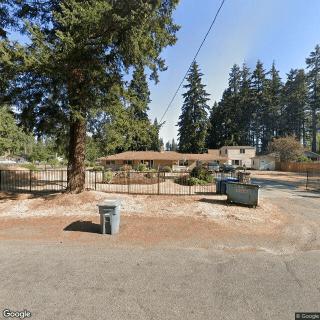


 Compassionate Conversations: How to Comfort Someone Who Is Grieving
 Home Health Care Aides: Understanding Their Role and Supporting Your Family
 Urinary Tract Infections in Older Adults: Comprehensive Insights on Symptoms, Treatment, and Prevention