
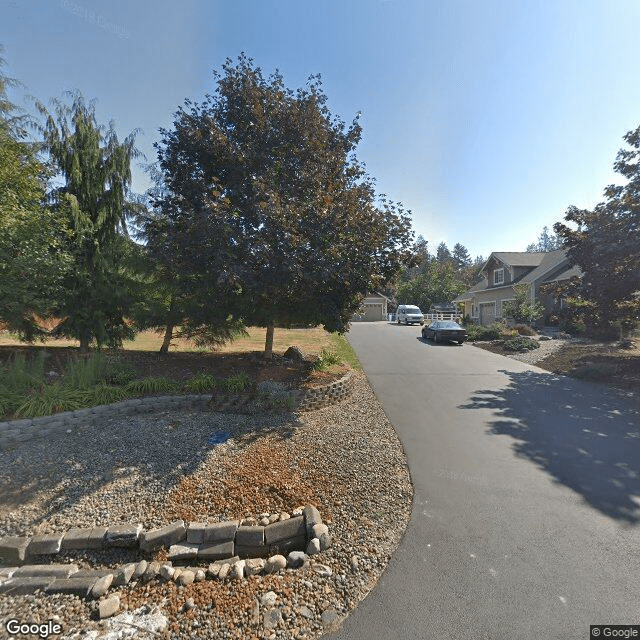
15403 50th Ave E, Tacoma, WA 98446
To contact a resident: (253) 539-4776
For more information about senior living options: (866) 208-4318
Magic Hands Costs & Pricing
Magic Hands offers a competitive pricing structure for its semi-private accommodations, with a monthly cost of $4,500. This rate is slightly higher than the average costs within Pierce County, which stands at $4,264, and marginally above the statewide average of $4,267 for similar room types in Washington. While Magic Hands positions itself at a premium price point compared to these metrics, it may reflect enhanced services or amenities that cater specifically to the needs of its residents. Prospective clients can consider this investment not only in terms of affordability but also in the quality of care and environment provided by Magic Hands.
| Floor plans | Magic Hands | Pierce County | Washington |
|---|---|---|---|
| Semi-Private | $4,500 | $4,264 | $4,272 |
Memory care communities with a similar price nearby
-
from -$500 / mo

Canterwoods Estate AFH
$4,000 to $5,500 / month22.4 miles away -
from +$500 / mo

Peace and Pleasant Care Adult Family Home II
$5,000 to $6,000 / month19.7 miles away -
from -$195 / mo
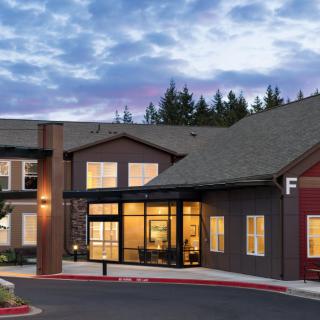
Penrose Harbor at Heron's Key
$4,305 to $7,332 / month18.7 miles away -
About the same

A Serenity AFH
$4,500 to $6,000 / month14.8 miles away -
from -$500 / mo
Peace and Pleasant Care Adult Family Home
$4,000 / month23.2 miles away
Overall Review of Magic Hands
Pros
 The place has a nice family environment.
- It is clean and friendly, with lots of outings and fun.
- The manager is described as a wonderful guy.
- George and Kellie are praised for their kindness toward residents.
- The setting and grounds are excellent, with a wonderful backyard, garden, and outdoor patio.
- There are lots of outings for residents who can participate.
Cons
 The facility bullies dementia patients into signing over power of attorney rights and frequently raises prices.
- They serve terrible food and do not follow dietary restrictions for specific residents.
- The reviewer says to go somewhere else.
- Grandma Bessy, who has cerebral palsy, was ticketed for speeding in her motorized wheelchair and was allegedly stepped on by staff.
- The van driver honked at them on a right turn because they were late and then tailgated someone else, which is unsafe for vulnerable adults.
- The reviewer has had issues with one of the new staff members.
Review
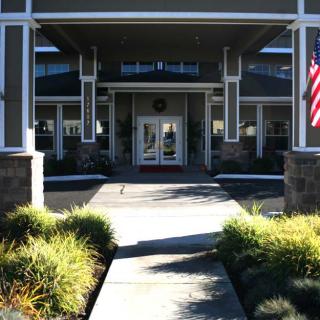
Magic Hands in Tacoma, WA is best suited for families seeking a small, home-like environment with a warm, family-run vibe and plenty of social outings. The community appears to prioritize a relaxed, welcoming atmosphere, where residents can enjoy an open interior, comfortable common spaces, and abundant outdoor areas. It works well for people who want a less institutional setting, where staff are portrayed as genuinely caring and where residents can participate in frequent outings and casual gatherings. The strongest draw is the sense that caregivers treat residents like family, and that the place feels clean, approachable, and low-key in pace.
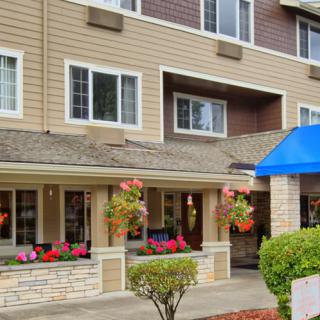
On the upside, the standout positives cohere around social connectedness and atmosphere. Families repeatedly note a “nice family environment,” cleanliness, and a staff that feels caring, with a manager who has earned trust from residents’ families. The grounds are repeatedly praised: a well-kept backyard, garden space, and covered patios that invite outdoor time and informal gatherings. Inside, the layout accommodates mobility aids and walkers, and the open interior avoids a cramped feel. The outings program is highlighted as a major benefit for residents who can participate, contributing to quality-of-life through activity and community. These elements add up to a setting where seniors can feel engaged and valued, with a genuine sense that their caregivers are rooting for them.
Yet serious red flags emerge consistently in the resident experiences. The most troubling are safety and autonomy concerns, including allegations that dementia patients were pressured into signing over power of attorney rights. Coupled with reports of unsafe transportation practices, driving in a manner that endangers residents, such as tailgating and honking while maneuvering turns, the picture is difficult to ignore. There are concrete incidents described where a resident with cerebral palsy was allegedly mishandled by staff, casting a shadow over day-to-day caregiving. Taken together, these vulnerabilities undermine trust and cast doubt on the overall safety framework. For families weighing a move, these patterns suggest serious risks that require scrutiny and candid conversations with leadership.
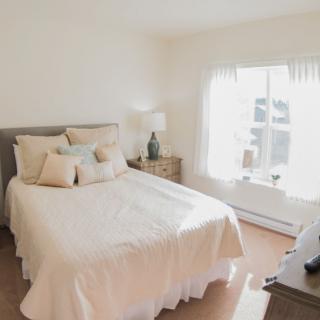
The operational realities amplify the risk profile. A recurring note is the absence of clinical staffing, with multiple mentions that there is no on-site RN or LPN. That gap matters for anyone whose loved one has medical needs or requires timely medication management, consistent monitoring, or skilled supervision. In addition, the environment compromises personal identity and belongings, offering only limited space for possessions, and providing flexibility mainly in basic bed and dresser placement rather than a fully personalized room. While the program offers many outings, there appears to be a mismatch between activity availability and the needs of residents who are less mobile or less inclined to participate in group trips. For families seeking a robust activities calendar or a safer, more medically capable setting, these gaps will feel acute.
Dietary and financial frictions further complicate the equation. Reports of rising prices and meals that do not meet dietary restrictions or preferences are a meaningful negative, especially for residents with specific nutritional needs or weight-management concerns. When meals don’t align with medical or personal requirements, the quality of daily life can diminish quickly. These concerns, tied to cost volatility and food quality, cut into the perceived value of the care, and they become critical factors for families when comparing options.
In the end, Magic Hands serves a distinct niche: a home-like, socially active environment backed by caring staff and pleasant surroundings. It is best for families who prioritize companionship, atmosphere, and outdoor-life opportunities, and who can tolerate or mitigate gaps in medical oversight and safety controls. Alternatives should be strongly considered for residents with medical needs requiring regular nursing care, stringent safety standards, reliable transportation, or strict adherence to dietary plans. Before choosing, families should demand clear, documented policies on financial practices, POA protections, staff training, incident reporting, transportation safety, and meal customization. A thorough in-person tour, direct conversations with the manager about staffing ratios, and detailed references from current families will illuminate whether Magic Hands can be trusted to balance warmth with the level of care and safety the loved one requires.
If a resident needs consistent medical supervision, strict safety protocols, or guaranteed adherence to dietary restrictions, a different community with licensed nursing staff, regulated transport, and formal safeguarding measures is likely the wiser path. For those who can thrive with a smaller, more intimate environment and can align expectations with the current staffing and program structure, Magic Hands may offer meaningful engagement and a compassionate, family-centered touch that makes transition possible and comfortable.
 Board and Care Home
 Memory Care
 Activities off-site
 Devotional services off-site
 Indoor common areas
 Outdoor common areas
 Respite or short term stays offered
 Wheelchair accessible showers
 Seattle-Tacoma International (23 miles away)
 Ambulatory care
 Diabetic care
 High acuity care
 Incontinence care
 Medication management
 Kosher
 Adventist services
 Buddhist services
 Islamic services


 Vibrant Senior Living: A Comprehensive Guide for Active Older Adults
 Assisted Living and Memory Care: Understanding Their Core Differences
 Choosing the Right Senior Care: A Detailed Exploration of Assisted Living and Nursing Homes