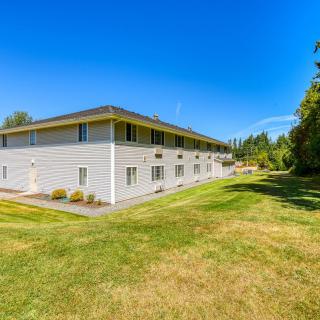
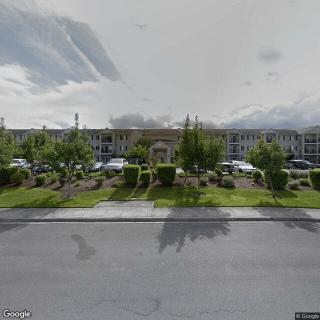
St Andrew's Place Assisted Living in Port Angeles, WA

Information last verified:

520 E Park Ave, Port Angeles, WA 98362

For more information about senior living options: (844) 490-3973

3 from 2 reviews

Overall Review of St Andrew's Place Assisted Living

Pros

  • pro The brother loves everything about Saint Andrews Place.
  • pro The staff are absolutely remarkable—attentive, aware, loving, supportive, thoughtful, kind, and authentic.
  • pro They make him feel like part of a larger family, and he loves them as his own family too.
  • pro The facility feels like home—cozy, comfortable, neat, and clean.
  • pro The community is safe and offers an active lifestyle with activities from Bingo to outings.
  • pro The decorations are stunning and the food is excellent, with the cook praised as the best.
  • pro The administrator selects superior-quality staff and a high-caliber residence, creating a close-knit community.

Cons

  • pro Urgent calls from the nurse reportedly take over a week because she gossips with the Highland Commons Manager.

Review

St Andrew’s Place Assisted Living in Port Angeles is best suited for seniors who prize a warm, home-like atmosphere, where care feels personal and daily life is rich with social and recreational opportunities. The standout narrative centers on a 72-year-old resident whose sister reports that the staff are remarkable, attentive, kind, and deeply invested in residents as if family. The facility feels cozy, neat, and safe, with a dining program that residents describe as excellent and a complex of about 40 residents that fosters real friendships. The administrator’s ability to attract and retain high-caliber caregivers translates into dependable routines and a sense of belonging that many families seek but rarely find. For families who want a visible, ongoing bond with caregivers and a community that treats residents as neighbors, Saint Andrew’s Place delivers a compelling, home-forward experience. The environment supports an active lifestyle, with organized activities that range from Bingo to outings, all under an atmosphere that feels more intimate than institutional.

That said, discernment is needed for anyone whose priority is rapid, unambiguous medical responsiveness. A notable caveat appears in the reviews: urgent nurse calls can take longer than desirable, and there are hints of communication friction that can complicate updates during stressful moments. In practice, this suggests a care tempo that excels in day-to-day warmth and attentiveness but carries a risk of slow escalation in emergencies. Memory-care needs or situations requiring highly aggressive medical oversight may stretch the home’s capabilities, particularly if swift on-call support is non-negotiable. Families who demand crisp, 24/7 nurse availability or a culture with flawlessly transparent communication should consider alternatives or require explicit guarantees about response times, escalation protocols, and on-site nursing coverage before committing. The overall tone remains positive, yet the timing of urgent responses is a critical factor that cannot be dismissed.

The positives, however, are substantial and tangible. The staff described as remarkable, loving, and authentic make residents feel truly valued, with daily care delivered through genuine, personal interactions. The quick activation of ambulance transport when medical issues arise and the genuine warmth from med-tech staff reinforce a sense of security and attentiveness, even in challenging moments. The residence itself is clean, safe, and welcoming, and the social ecosystem, where residents form friendships and participate in a range of activities, contributes to emotional well-being as much as physical care. The dining experience stands out, with compliments directed at the kitchen and its cooks, reinforcing the sense of a well-run, home-centered environment. The administrator’s ability to assemble a capable team pays dividends in consistency, morale, and the overall feeling that life here is lived well day to day.

Yet the main con, slower urgent response, cannot be ignored. It sits in tension with the otherwise high-touch model and can be consequential if emergencies demand rapid escalation. The counterbalance is a robust daily care routine, strong relational care, and a lifestyle that keeps residents engaged, connected, and emotionally supported. For families evaluating this option, it is essential to probe the exact nurse-call framework: is there on-site nursing? What are typical call-back times? Who is responsible for urgent concerns during evenings and weekends? How are escalations handled, and what guarantees exist around response times? A frank conversation with the administrator and front-line caregivers will illuminate whether the operational structure aligns with safety expectations and personal standards.

To evaluate fit, adopt a practical, evidence-based approach. Schedule tours at various times to observe how care unfolds, the mood of residents, and the cadence of staff responsiveness. Request a clear description of the nurse-call process, staffing ratios, and on-site medical coverage, and verify these with multiple staff members. Speak with residents and family members about their experiences with responsiveness and communication, and inspect the dining room and kitchen during service. Review the activity calendar to assess whether the offerings align with personal interests, and inquire about staff retention and ongoing training to gauge consistency. Finally, understand the grievance and escalation pathways so concerns can be raised and resolved promptly.

Bottom line: Saint Andrew’s Place is a strong match for families who value a home-like environment, sincere staff engagement, and an active social calendar that makes daily life feel meaningful. The warmth and dedication of caregivers, together with a safe, cozy setting, create a compelling living experience that many families hope to replicate. The primary caveat is the potential lag in urgent nurse response; for households where rapid medical oversight and tightly managed communication are non-negotiable, exploring alternatives or obtaining clear guarantees is prudent. If those assurances are in place, Saint Andrew’s Place presents a trustworthy, emotionally supportive choice in Port Angeles, one where residents can thrive within a genuinely caring community that feels like home.

Features

Housing

  • 41 resident community capacity 41 resident community capacity

Types of Care

  • Assisted Living Assisted LivingAssisted living facilities provide crucial support and care for seniors who may need help with daily tasks such as medication management, bathing, and meal preparation. These communities offer a safe and comfortable environment where seniors can maintain their independence while receiving the assistance they need to thrive in their golden years.

Amenities

  • Activities on-site Activities on-siteActivities on-site are important for seniors because they provide opportunities for socialization, mental stimulation, physical activity, and overall well-being. Engaging in activities can help seniors stay active, maintain their independence, and improve their quality of life.
  • Beauty salon Beauty salonBeauty salons are important for seniors because they provide a space for them to feel pampered, socialize, and maintain their personal grooming and hygiene. Regular visits to a beauty salon can help boost seniors' self-esteem and overall well-being.
  • Cable or satellite TV Cable or satellite TVCable or satellite TV is important for seniors because it provides entertainment, news, and companionship, helping to combat loneliness and boredom. It also offers a wide range of programming options tailored to different interests and preferences.
  • Devotional services off-site Devotional services off-siteDevotional services off-site are important for seniors as they provide spiritual nourishment, social engagement, and a sense of community outside of the senior living facility. This can enhance overall well-being and help combat feelings of isolation and loneliness often experienced by older adults.
  • Dining room Dining roomDining rooms are important for seniors as they provide a space for socialization, connection, and nutritious meals. They offer opportunities for residents to bond over shared meals, foster a sense of community, and promote healthy eating habits. Dining rooms also ensure that seniors have access to well-balanced meals tailored to their dietary needs and preferences.
  • Fully furnished Fully furnishedFully furnished senior living communities are important for seniors because they provide convenience, comfort, and a hassle-free moving experience. Seniors can easily settle into their new living space without the stress of having to buy and move furniture. This allows them to focus on enjoying their new home and community.
  • Garden GardenGardens are important for seniors as they provide a peaceful and therapeutic environment for relaxation, physical activity, and socialization. Being in nature has been shown to reduce stress, improve mood, and promote overall well-being. Gardens also offer opportunities for seniors to engage in gardening activities, which can improve mobility, flexibility, and cognitive function. Additionally, gardens create a sense of community and connection with others who share a passion for plants and outdoor spaces.
  • Housekeeping services Housekeeping servicesHousekeeping services are important for seniors because they help maintain a clean and safe living environment, promote independence, and reduce the risk of accidents or illnesses. Additionally, having assistance with household chores can alleviate physical strain and allow seniors to focus on other aspects of their well-being.
  • Indoor common areas Indoor common areasIndoor common areas are crucial for seniors as they provide a space for socialization, recreation, and community engagement, promoting overall well-being and reducing feelings of isolation and loneliness.
  • Kitchenette KitchenetteKitchenettes are important for seniors living in senior living communities because they provide the convenience and independence of being able to prepare simple meals and snacks in the comfort of their own living space. This can help promote a sense of autonomy and well-being for seniors, allowing them to maintain some level of control over their dietary choices and daily routines.
  • Move-in coordination Move-in coordinationMove-in coordination is important for seniors because it helps ease the transition into their new living environment. It ensures that all logistics, such as packing, organizing movers, and setting up utilities are taken care of, allowing seniors to focus on settling in and adjusting to their new home. Having a smooth move-in process can alleviate stress and anxiety, making the transition smoother and more enjoyable for seniors.
  • Outdoor space Outdoor spaceOutdoor spaces are important for seniors as they provide opportunities for physical activity, social interaction, exposure to natural light and fresh air, and a sense of connection to nature. Having access to outdoor spaces can improve overall well-being and quality of life for older adults living in senior communities.
  • Restaurant-style dining Restaurant-style diningRestaurant-style dining is important for seniors because it allows them to enjoy delicious, nutritious meals in a social and upscale setting. This enhances their dining experience, promotes healthy eating habits, and fosters socialization with fellow residents, ultimately contributing to their overall well-being and quality of life.
  • Small library Small librarySmall libraries are important for seniors as they provide access to a variety of reading materials, including books, newspapers, and magazines. This can help stimulate their minds, keep them engaged, and provide a sense of community through book clubs and other social activities. Additionally, reading has been shown to improve cognitive function and overall mental well-being in older adults.
  • Telephone TelephoneTelephones are important for seniors as they provide a lifeline for communication with loved ones, emergency services, and healthcare providers. They offer a sense of security and independence, enabling seniors to stay connected and access assistance when needed.
  • Wi-Fi/high-speed internet available Wi-Fi/high-speed internet availableWi-Fi/high-speed internet is important for seniors to stay connected with loved ones, access online resources, and participate in virtual activities to combat feelings of loneliness and isolation. It also allows them to easily manage healthcare needs, access entertainment, and engage in lifelong learning opportunities.

Care Services

  • 24-hour call system 24-hour call system24-hour call systems are important for seniors because they provide peace of mind and immediate assistance in case of emergencies. This technology ensures that help is always available, promoting safety and security for elderly individuals living alone or in assisted living facilities.
  • 24-hour supervision 24-hour supervision24-hour supervision is important for seniors to ensure their safety, well-being, and access to immediate assistance in case of emergencies or health issues. This constant support provides peace of mind for both seniors and their loved ones, allowing them to age in place with dignity and security.
  • Activities of daily living assistance Activities of daily living assistanceActivities of daily living assistance are important for seniors because they provide essential support with tasks such as eating, bathing, dressing, and mobility. This assistance helps seniors maintain their independence, dignity, and overall quality of life as they age.
  • Ambulatory care Ambulatory care"Ambulatory care services provide essential medical support and treatment to seniors without requiring hospitalization, allowing them to maintain their independence and quality of life while managing chronic conditions or receiving routine medical care."
  • Assistance with bathing Assistance with bathingAssistance with bathing is crucial for seniors as it helps maintain personal hygiene, prevents infections, and ensures their overall well-being and comfort. It also provides a sense of dignity and independence for seniors who may struggle with this task on their own.
  • Assistance with dressing Assistance with dressingAssistance with dressing is important for seniors because it helps maintain their independence, promotes personal hygiene, prevents accidents and injuries, and improves overall quality of life. This service ensures that seniors can continue to dress comfortably and confidently, despite any physical limitations they may have.
  • Assistance with transfers Assistance with transfersAssistance with transfers is crucial for seniors as it helps prevent falls and injuries, maintains their independence, and ensures they can safely navigate their living environment. It also provides peace of mind for both seniors and their loved ones.
  • Diabetes diet Diabetes dietA diabetes diet is crucial for seniors as it helps manage blood sugar levels, reduce risks of complications, and improve overall health and well-being. By following a balanced and nutritious diet tailored to their specific needs, seniors can better control their diabetes and enhance their quality of life.
  • Diabetic care Diabetic careDiabetic care is crucial for seniors as they are more susceptible to developing diabetes due to aging and other health conditions. Proper management of diabetes can help prevent complications such as heart disease, vision loss, and nerve damage, improving the overall quality of life for seniors in senior living communities.
  • Meal preparation and service Meal preparation and serviceMeal preparation and service are crucial for seniors as they may have limited mobility or energy to cook nutritious meals. Having access to healthy and convenient food options can ensure they are getting the proper nutrition needed to maintain their overall health and well-being.
  • Medication management Medication managementMedication management is crucial for seniors to ensure they are taking the right medications at the correct dosages and times. This helps prevent adverse drug interactions, reduces the risk of medication errors, and promotes overall health and well-being. Proactive management also allows for adjustments as needed based on changing health conditions or new prescriptions.
  • Mental wellness program Mental wellness programMental wellness programs are essential for seniors as they promote cognitive stimulation, emotional support, and social engagement. These programs help prevent isolation, depression, and cognitive decline, ultimately enhancing the overall quality of life for older adults.
  • Special dietary restrictions Special dietary restrictionsSpecial dietary restrictions are important for seniors because age-related changes in metabolism and health conditions can make it difficult for their bodies to process certain foods. By following a diet tailored to their specific needs, seniors can maintain their overall health and well-being, manage chronic conditions, and reduce the risk of complications such as malnutrition or food interactions with medications.
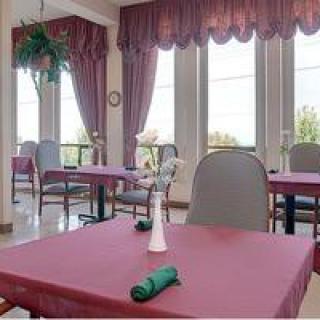
Dining

  • Diabetes diet Diabetes dietA diabetes diet is crucial for seniors as it helps manage blood sugar levels, reduce risks of complications, and improve overall health and well-being. By following a balanced and nutritious diet tailored to their specific needs, seniors can better control their diabetes and enhance their quality of life.
  • Meals provided Meals provided"Meals provided" are crucial for seniors in assisted living communities as it ensures they have access to nutritious, balanced meals without the stress of meal planning and preparation. This can help promote overall health and well-being for seniors who may have limited mobility or cognitive abilities.
  • Special dietary restrictions Special dietary restrictionsSpecial dietary restrictions are important for seniors because age-related changes in metabolism and health conditions can make it difficult for their bodies to process certain foods. By following a diet tailored to their specific needs, seniors can maintain their overall health and well-being, manage chronic conditions, and reduce the risk of complications such as malnutrition or food interactions with medications.

Activities

  • Activities on-site Activities on-siteActivities on-site are important for seniors because they provide opportunities for socialization, mental stimulation, physical activity, and overall well-being. Engaging in activities can help seniors stay active, maintain their independence, and improve their quality of life.
  • Community-sponsored activities Community-sponsored activitiesCommunity-sponsored activities are important for seniors as they provide opportunities for social interaction, mental stimulation, and physical activity. These activities can help improve overall well-being, combat loneliness and isolation, and promote a sense of belonging and purpose among older adults.
  • Devotional activities offsite Devotional activities offsiteDevotional activities offsite are important for seniors because they provide social engagement, spiritual growth, and a sense of community outside of their living environment. This can improve overall well-being, mental health, and combat feelings of isolation or loneliness.
  • Resident-run activities Resident-run activitiesResident-run activities are important for seniors as they encourage social interaction, creativity, and a sense of autonomy. These activities empower seniors to stay engaged and active in their community while fostering meaningful connections with their peers.
  • Scheduled daily activities Scheduled daily activitiesScheduled daily activities are important for seniors because they provide structure, socialization, mental stimulation, and physical activity. Engaging in regular activities can improve overall well-being and quality of life for seniors living in a community setting.

Description

St. Andrew's Place Assisted Living in Port Angeles, WA, offers a warm and welcoming environment tailored to meet the needs of its residents. This charming community provides a range of amenities designed to enhance the quality of life for seniors. With indoor common areas that foster social interaction and connection, residents can enjoy leisurely activities and build friendships within the community.

For those seeking spiritual fulfillment, St. Andrew's Place offers devotional services off-site and organizes various devotional activities that encourage participation in meaningful experiences beyond the facility. The community also emphasizes specialized care, including diabetic care services, ensuring that residents receive the support they need to manage their health effectively.

Conveniently located near an array of local resources, St. Andrew's Place is surrounded by 11 nearby cafes for casual dining, 32 restaurants for a variety of culinary options, and six parks ideal for outdoor enjoyment and relaxation. Residents have access to five nearby pharmacies for their medication needs and can find comfort in having ten physicians close by for routine medical appointments. Additionally, with six hospitals just a short distance away, families can rest assured knowing quality healthcare is readily available.

For those wishing to engage with their faith or connect with their community, there are three places of worship within easy reach. Transportation options are also plentiful with five nearby transportation services available to facilitate mobility throughout Port Angeles.

At St. Andrew's Place Assisted Living, residents can embrace an enriched lifestyle filled with care, support, and opportunities for engagement in both personal well-being and community involvement, a perfect blend for fostering independence while enjoying assistance when needed.

Nearby Places of Interest

Parks

  • Hurricane Ridge (0.1 miles)
  • Elks Playfield (1.1 miles)
  • Elks Memorial Park (1.1 miles)
  • Francis Street Park (1.4 miles)
  • Shane Park (2 miles)
  • Lincoln Park (2.2 miles)
  • Olympic Natl Park (10.1 miles)

Places of Worship

  • Holy Trinity Lutheran Church ELCA (0.4 miles)
  • Queen of Angels School (0.9 miles)
  • Harbor of Hope Foursquare Church (1.6 miles)
  • Sequim Valley Foursquare Church (14.4 miles)

Physicians

  • Haworth Todd D DDS (0.4 miles)
  • Wellspring Family Medicine (0.9 miles)
  • Kanters David J Arnp (1.2 miles)
  • Olympic Medical Imaging Center (1.3 miles)
  • Bensen, Carleen - Olympic Medical Center Physical Urology (1.3 miles)
  • Eye Physicians & Surgeons (1.3 miles)
  • Peninsula Children's Clinic (1.4 miles)

Cafes

  • Common Grounds Cafe (0.7 miles)
  • The Blackbird Cafe (0.7 miles)
  • Lincoln Street Coffee Pot (0.8 miles)
  • Shirley's Cafe (1 miles)
  • Starbucks (1.1 miles)
  • Electric Cloud Coffee (1.1 miles)
  • The Coffee Box (1.2 miles)

Restaurants

  • Toga's Soup House (0.7 miles)
  • Fiesta Jalisco (1.2 miles)
  • New Moon Craft Tavern (1.2 miles)
  • Jack In The Box (1.2 miles)
  • Taco Time NW (1.2 miles)
  • Dynasty Chinese Restaurant (1.3 miles)
  • Chestnut Cottage Restaurant (1.3 miles)

Hospitals

  • Clallam County Public Hosp District (0.7 miles)
  • Olympic Medical Center (0.9 miles)
  • Clallam County Public Hospital District Port Angeles (1.2 miles)
  • Virginia Mason Internal Medicine (1.3 miles)
  • Clallam County PhD # 2 (1.4 miles)
  • Olympic Memorial Hospital (1.4 miles)
  • Obotech (5.8 miles)

Transportation

  • Northwest Cabs (0.8 miles)
  • Gateway Transit Center (1.4 miles)
  • U-Haul (1.5 miles)
  • U-Haul Neighborhood Dealer (1.9 miles)
  • U-Haul (4.2 miles)
  • U-Haul (9.4 miles)

Pharmacies

  • Rite Aid (0.9 miles)
  • Jim's Pharmacy (1.1 miles)
  • Walgreens (1.2 miles)
  • Rite Aid (1.6 miles)
  • Walmart Pharmacy (3.5 miles)
  • Rite Aid (14.9 miles)

Frequently Asked Questions

Where is St Andrew's Place Assisted Living?

Nearby Communities

  • Crestwood Health And Rehabilitation Center

    Crestwood Health And Rehabilitation Center

    Port Angeles, WA

    2.3 from 3 reviews
     

    pro Amenities-rich facility with on-site dining and engaging activities.

  • Laurel Place

    Laurel Place

    Port Angeles, WA

    4.3 from 74 reviews
    $2,310 to $3,283 / month

    pro Caring staff and a clean, comfortable environment with good meals.

  • Arlene Engel Home

    Arlene Engel Home

    Port Angeles, WA

    4.7 from 76 reviews
     

    pro Home-like board-and-care with 24-hour supervision, ADL support, meals, activities, and healthcare coordination plus transportation.

  • Highland Court Memory Care

    Highland Court Memory Care

    Port Angeles, WA

    3.8 from 22 reviews
    $5,195 to $6,195 / month

    pro Clean, well-maintained facility with attentive staff and memory-care focus.

  • Peninsula Manor

    Peninsula Manor

    Port Angeles, WA


    pro Warm, homelike board-and-care with 24-hour supervision and comprehensive daily living support.

  • Adult Family Comfort Home

    Adult Family Comfort Home

    Port Angeles, WA

    5 from 1 review
     

    pro Convenient access to a wide range of nearby amenities and healthcare.

  • Vintage at Sequim

    Vintage at Sequim

    Sequim, WA

    3.9 from 54 reviews
     

    pro Clean, well-maintained apartments with pleasant communal spaces and responsive staff.

  • Fifth Avenue Retirement Ctr

    Fifth Avenue Retirement Ctr

    Sequim, WA

    4.6 from 14 reviews
     

    pro Great location with nearby amenities and healthcare options.

Assisted Living in Nearby Cities

Related Resources

  • activities of daily livingComprehensive Insights into Activities of Daily Living (ADLs) and Their Assessment

    Activities of Daily Living (ADLs) are fundamental tasks vital for an individual's independence, particularly in older adults over 85, and include functions like bathing and dressing; assessing ADLs alongside Instrumental Activities of Daily Living (IADLs) helps determine the level of required assistance due to age-related health challenges. Tailored support plans, involving family and community resources, are essential for maintaining dignity and autonomy in assisted living environments.

  • elderly parent refuses assisted livingGuiding Elderly Parents Who Refuse Assisted Living: 6 Practical Steps
    Family caregivers face emotional, legal, and practical challenges when elderly parents refuse assisted living, often due to fears of losing autonomy. Open conversations and professional assessments can help address these concerns while exploring alternatives and ensuring safety, potentially leading to legal guardianship if necessary.

  • luxury assisted livingYour Comprehensive Guide to Luxury Assisted Living: Elevated Facilities, Amenities, and Costs

    Luxury assisted living offers high-quality senior care in a resort-like environment that combines essential medical support, gourmet dining, and personalized services to enhance residents' independence and well-being. These upscale facilities emphasize holistic health and community-building through customized care plans and social activities, catering to the growing demand for enriched senior living experiences despite higher costs.