

1037 W 9th St, Port Angeles, WA 98363
To contact a resident: (360) 452-9431
For more information about senior living options: (866) 208-4318
Overall Review of Adult Family Comfort Home
Pros
 Robert is a pleasure to work with.
- He truly cares about finding the right fit for clients, including those needing Medicaid.
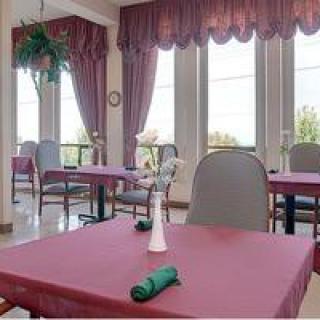
- He ensures a clean, comfortable home environment.
- He comes highly recommended to anyone seeking an adult family home.
Review
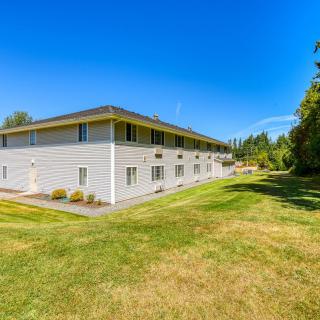
Adult Family Comfort Home in Port Angeles, WA is best suited for families seeking a small, intimate senior living option that centers on a precise fit between resident needs and the home’s daily rhythm. The community is particularly well aligned with those who rely on Medicaid and want a clean, comfortable, house-like environment rather than a large campus. The standout factor is the relationship with the guiding caretaker, specifically Robert, who is described as a pleasure to work with and whose influence is directly tied to getting the placement right. In short, this option serves families who value a hands-on, from-the-ground-up approach to placement where the person’s preferences, health needs, and budget converge in a straightforward, trustworthy process.
Those evaluating alternatives should consider settings with greater clinical infrastructure or specialized programs. If the priority is advanced medical oversight, 24/7 nursing, or robust memory-care programming, a larger assisted living community or a facility dedicated to dementia care may be a more suitable match. Large campuses often offer a wider slate of activities, more predictable staffing coverage, and formal care pathways for complex conditions. While the intimate setting at Adult Family Comfort Home can deliver personalized attention, it may not deliver the breadth of services that families facing high-acuity needs or specific therapeutic regimens require. The message here is not to disparage this option, but to acknowledge that certain care profiles demand greater scale and programmatic depth.
The strongest pros center on personalized fit, Medicaid compatibility, and a home environment that emphasizes cleanliness and comfort. The caretaker’s explicit focus on finding the right match can dramatically reduce the stress of placement, allowing families to see a clearer path to stability and ongoing satisfaction for the resident. Medicaid compatibility is a meaningful, tangible advantage, lowering financial barriers and simplifying the transition from home care or hospital discharge. A clean, comfortable home is more than a cosmetic attribute; it signals a stable daily routine, predictable housekeeping, and a living space that prioritizes safety and dignity. When these elements align, a resident’s sense of security often translates into better engagement with basic activities, routine, and family visits.
Those advantages offset several potential downsides inherent to smaller, home-like settings. Where a smaller operation can feel more flexible and responsive, it can also present uncertainties around staffing consistency, formal programming, and the scope of clinical services. Yet the core strength here, an owner who actively cares about the resident’s match, can mitigate these risks by ensuring that care plans are tailored and reviewed with family input, and by maintaining direct accountability in day-to-day operations. The result is a care experience that feels less bureaucratic and more neighborly, with quick adjustments to routines, meals, and daily activities based on resident feedback. In a setting where every change matters, the ability to respond quickly to preferences and health fluctuations becomes a meaningful compensating factor for any gaps in larger-scale programming.
To make a well-supported decision, probe beyond the surface and asker-focused questions that reveal true depth of capability. Confirm the licensing status and the owner’s hands-on involvement in daily care, since the standout attribute here is a relational, fit-first approach. Inquire about the caregiver-to-resident ratio during different shifts, how health changes are monitored, and what processes exist for medication management and emergency response. Understand the meal structure, dietary accommodations, and household routines, these elements often determine whether a resident thrives in a smaller home setting. Given the Medicaid emphasis in the available information, verify actual Medicaid acceptance, the payment processes, and any limitations on services covered by waivers or private pay options. A transparent conversation on these points will reveal how seamlessly the setup can support ongoing needs.
For families weighing options in Port Angeles, Adult Family Comfort Home presents a compelling choice when the goal is a high-touch, fit-driven placement with Medicaid sensitivity and a clean, comfortable home atmosphere. The presence of a thoughtful, client-centered approach, embodied by Robert, signals a level of dedication that can translate into greater stability and peace of mind during a transition that is often emotionally charged. The decision to proceed here should hinge on whether the resident’s needs align with a smaller, intimately staffed environment and with Medicaid-structured budgeting. If so, this community stands out as a practical, principled fit that can deliver steady daily life, predictable routines, and a home-like sense of belonging.
Conversely, if the resident requires pronounced clinical oversight, complex medical management, or a social ecosystem with broad programming, alternatives deserve serious consideration. The trade-off between the intimate, personalized setting and the scale, scope, and flexibility of larger facilities should guide the final choice. In the balance, this option provides a trustworthy, purpose-driven pathway toward placement that prioritizes the right resident fit, affordability through Medicaid, and a clean, comfortable living space. For families facing the question of where to place a loved one who values modest surroundings and a direct, caring liaison with the provider, Adult Family Comfort Home merits a strong, deliberate look. Schedule a visit, prepare targeted questions, and assess whether the home’s day-to-day reality aligns with long-term health and happiness goals.
 Board and Care Home




 8 Essential Assistive Devices for Older Adults
 Navigating the Financial Road to Nursing Home Care: In-Depth Guidance and Resources
 Supportive Employee Benefits That Help Caregivers Attain Better Work-Life Harmony