
15619 53rd Street, Lakebay, WA 98349
To contact a resident: (253) 884-2103
For more information about senior living options: (866) 208-4318
Rest Stop AFH Costs & Pricing
Rest Stop AFH offers competitive pricing for its services, making it an appealing option for individuals seeking affordable care. With semi-private rooms priced at $2,500 per month, Rest Stop AFH significantly undercuts the average costs in Pierce County ($4,264) and across Washington State ($4,267). For those preferring more privacy, the private room rate is set at $3,500, which is also below the county's average of $4,623 and the state average of $4,772. These cost advantages not only reflect Rest Stop AFH's commitment to providing accessible care but also highlight its dedication to serving the community while maintaining high standards in a supportive environment.
| Floor plans | Rest Stop AFH | Pierce County | Washington |
|---|---|---|---|
| Semi-Private | $2,500 | $4,264 | $4,272 |
| Private | $3,500 | $4,623 | $4,774 |
Senior living communities with a similar price nearby
-
from -$100 / mo
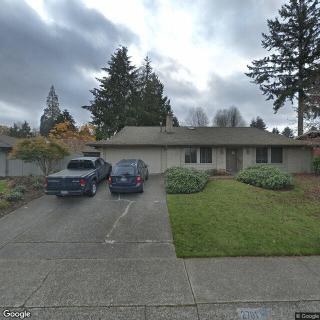
Twin Lakes AFH
$2,400 to $2,700 / month17.7 miles away -
from -$163 / mo
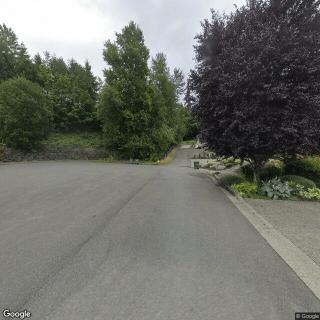
Marine Courte Memory Care
$2,337 to $3,228 / month18.7 miles away -
About the same
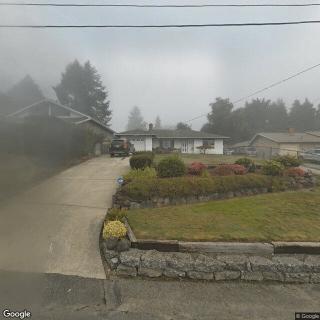
Angel Care Adult Family Home
$2,500 to $3,200 / month23.8 miles away -
from +$300 / mo
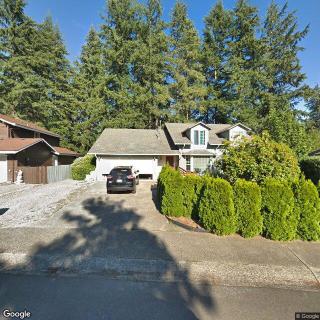
AMG Family Home Care
$2,800 to $3,000 / month17.6 miles away -
About the same
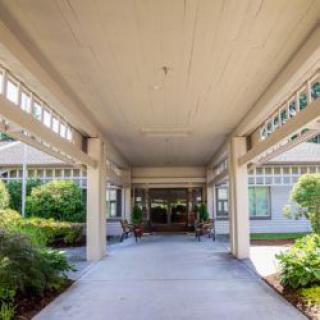
Sound Vista Village
$2,550 to $3,150 / month7.7 miles away
Overall Review of Rest Stop AFH
Pros
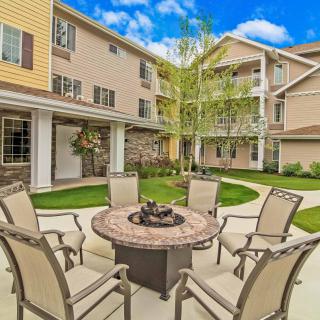
 The place is beautiful and peaceful.
- They do a fantastic job taking care of the tenants.
- The facility has grown more over the years to meet the needs required by certain people or families.
Review
Rest Stop AFH in Lakebay, WA is best suited for seniors who prize a serene, homelike setting and highly attentive, personalized care. The community’s appeal rests in its beauty and tranquility, where daily life feels calm rather than clinical. In practical terms, residents enjoy a pace and atmosphere that reduce stress and invite meaningful engagement. The care approach is patient and steady, and the facility has shown an ability to grow and evolve to meet the needs of different residents and their families. This is not a place for those chasing a busy, hospital-like environment; it is a sanctuary for steady routines, intimate attention, and reliable daily support. A single reviewer’s five-star impression underscores the strength of this combination.
Who may want alternatives is clear. For loved ones with high medical acuity or complex nursing requirements, the smaller footprint of a home-like AFH can become a constraint, and a larger operation with more on-site clinicians may be necessary. Families seeking a robust, structured memory-care program, intensive rehabilitation services, or broad emergency coverage should compare options in Gig Harbor or Port Orchard that offer these capabilities. Those desiring a bustling activity calendar, frequent off-site outings, or highly formalized care plans might find the pace at Rest Stop AFH quieter than preferred. Budget considerations and a desire for a trial stay also justify looking at other local communities before committing.
The core positives here cut cleanly against the imagined trade-offs. The setting’s beauty and peacefulness provide a buffer against resident stress, making caregiving easier and daily routines smoother. The care quality, described as fantastic in the available feedback, translates into attentive, hands-on assistance that feels individualized rather than generic. The facility’s growth over time to meet evolving needs signals a responsive management philosophy: programs and staffing adjust without forcing families into a new placement. For families prioritizing a calm, predictable environment with a relationship-driven care model, these strengths tend to outweigh the lack of a bustling, hospital-like atmosphere.
That said, the absence of explicit downsides in the available review does not erase practical realities. Small-scale operations can, by nature, offer less on-site medical oversight, fewer rehab options, and limited access to specialized therapy or high-intensity clinical support. The offset lies in tight-knit staff-resident relationships, quicker problem resolution, and near-constant family communication, elements that often yield high comfort and trust levels for residents who don’t require intensive medical intervention. For many, the trade-off is acceptable when the resident thrives on quiet routines, personal attention, and a stable home-like milieu.
To determine fit, prospective families should prioritize a guided tour with a practical lens. Inquire about caregiver-to-resident ratios, the consistency of the caregiving team, and whether residents can stay with familiar aides as needs shift. Probe meal quality, safety measures, and how outings are scheduled to balance engagement with rest. Ask about the facility’s growth plans and what services can be added if a loved one’s trajectory changes, memory support, mobility assistance, or in-house therapy, and how smoothly those transitions would occur. Observe interactions: tone, pacing, and responsiveness often reveal more than any brochure or pitch.
Bottom line: Rest Stop AFH represents a compelling option for families seeking a peaceful, intimate, adaptable home where care feels consistently attentive. It excels for seniors who value quiet floors, predictable routines, and a relationship-centered care model that evolves with them. Those prioritizing heavy medical oversight, a richly structured memory-care program, or an expansive activity calendar should realistically compare alternatives designed for those exact needs. A purposeful visit, and ideally a short trial stay, will illuminate alignment with the loved one’s daily rhythms. Given its beauty, calm environment, and proven care, Rest Stop AFH warrants serious consideration for families where a steady, home-like setting is the priority.
 Board and Care Home
 Activities off-site
 Bath tubs
 Cable or satellite TV
 Devotional services off-site
 Indoor common areas
 Outdoor common areas
 Private
 Respite or short term stays offered
 Wi-Fi/high-speed internet available
 Seattle-Tacoma International (23 miles away)
 Diabetic care
 High acuity care
 Incontinence care
 Medication management
 Kosher
 Home Health Care Demystified: A Comprehensive Guide for Families and Caregivers
 Seniors and Modern Transportation: Exploring Uber, Lyft, and Other Ride-Hailing Options
 Comprehensive Guide to Qualifying for Home Health Care Services