For more information about senior living options: (866) 208-4318
4.4 from 28 reviews
5 stars
23
4 stars
0
3 stars
1
2 stars
0
1 stars
4
Family First - Rosedale Costs & Pricing
Family First - Rosedale offers a variety of room types that reflect its commitment to quality care, though the pricing is notably higher compared to both Pierce County and the broader state of Washington. For a semi-private room, the monthly cost is $4,500, which surpasses the county average of $4,264 and the state average of $4,267. Similarly, both studio and private rooms are priced at $5,500, significantly exceeding the county's studio average of $4,039 and private room average of $4,623. In comparison to state averages for these accommodations - $4,126 for studios and $4,772 for privates - Family First - Rosedale positions itself as a premium option in this market segment. This may reflect enhanced amenities or specialized services offered at this facility, catering to families seeking exceptional care environments.
Floor plans
Family First - Rosedale
Pierce County
Washington
Semi-Private
$4,500
$4,264
$4,272
Studio
$5,500
$4,039
$4,128
Private
$5,500
$4,623
$4,774
Memory care communities with a similar price nearby
Residents and families often describe staff as kind, responsive, and attentive.
Many reviewers say caregivers treat their loved ones with patience and compassion, and that day-to-day needs get handled promptly. Several also mention staff being approachable and keeping families in the loop, including during difficult transitions. A number of comments describe residents being clean, well fed, and treated with respect, which ties back to how families perceive the staff’s day-to-day presence.
common4 reviews mention this
Homes feel clean and safe
Several reviews mention a clean, welcoming home environment.
Reviewers point to cleanliness and a home-like atmosphere, describing the house as clean, safe, and welcoming. A few also describe the living spaces as inviting and comfortable, reinforcing that families saw the home setting as part of the overall care experience. These themes show up most clearly when families describe what they observed during their time there.
differentiator5 reviews mention this
24-hour and end-of-life support
Multiple reviews describe 24-hour care and end-of-life support.
Several families highlight that the community was the right next step when full-time needs began, including end-of-life support. One review specifically references working with Hospice, and other comments describe support through a loved one’s final months. Others mention placing a loved one there for 24-hour care, tying the daily care focus to what families needed at the time.
common4 reviews mention this
Meals are described as homemade
Food is frequently described as homemade or satisfying.
Positive reviews often mention homemade or home-cooked meals as part of the day-to-day experience. A family also describes receiving food along with other essentials during a loved one’s last year. The same theme shows up with a strong negative note, where one reviewer said the food was awful.
caveat3 reviews mention this
Some families report care breakdowns
A few reviews describe serious problems with staffing and care.
Some reviewers report experiences that conflict with the more positive accounts, including missed assistance with bathing, staff behavior issues, and concerns about response to emergencies. One review describes an incident involving a wandering resident and expresses that staff did not recognize the situation quickly enough. Another notes neglect and injuries that led them to file a complaint, making this a recurring concern among the critical reviews.
How we summarize
Counts show how many written reviews mention each theme; a review can touch several themes, and only frequently mentioned themes are displayed.
Features
Types of Care
Board and Care Home
Memory Care
Pets
Cats allowed
Dogs allowed
Amenities
Private
Transportation
Seattle-Tacoma International (17 miles away)
Nearby Places of Interest
Parks
Sehmel Homestead Park (1.2 miles)
Eddon Boat Park (2.4 miles)
Ancich Waterfront Park (2.5 miles)
Kopachuck State Park (2.5 miles)
Horseshoe Lake County Park (5.1 miles)
Five Mile Drive (5.4 miles)
Point Defiance Park (5.9 miles)
Places of Worship
Chapel Hill Presbyterian Church (1.8 miles)
Agnus Dei Lutheran Church (2.9 miles)
Christ Episcopal Church (10 miles)
Physicians
Nancy E. Boyden, ARNP (1.9 miles)
Crescent Psychiatry (2.3 miles)
Personalized Psychiatric Medicine (2.4 miles)
Harbor Orthopedic Clinic (2.5 miles)
Franciscan Urology Associates at St. Anthony (2.5 miles)
Pulmonary Consultants (2.5 miles)
Optimal Wellness (3.3 miles)
Restaurants
Puerto Vallarta (2.2 miles)
McDonald's (2.5 miles)
Qdoba Mexican Eats (2.6 miles)
Netshed No. 9 (2.7 miles)
El Pueblito (2.7 miles)
The Harbor General Store (2.7 miles)
Tides Tavern (2.9 miles)
Pharmacies
Good Neighbor Pharmacy (2.5 miles)
Franciscan Pharmacy (2.5 miles)
Target Pharmacy (2.5 miles)
Walgreens (2.5 miles)
Sav-On Pharmacy (2.6 miles)
Rite Aid (3.4 miles)
Bartell Drugs (3.4 miles)
Cafes
Starbucks (2.5 miles)
Starbucks (2.5 miles)
Starbucks (2.6 miles)
Panera Bread (3.6 miles)
Starbucks (7.3 miles)
Hospitals
Gig Harbor Ambulatory Surg Center (2.8 miles)
MultiCare (9.6 miles)
Group Health Cooperative (10.1 miles)
MultiCare Regional Cancer Center - Tacoma (10.2 miles)
Family First - Rosedale offers a variety of room types that reflect its commitment to quality care, though the pricing is notably higher compared to both Pierce County and the broader state of Washington. For a semi-private room, the monthly cost is $4,500, which surpasses the county average of $4,264 and the state average of $4,267. Similarly, both studio and private rooms are priced at $5,500, significantly exceeding the county's studio average of $4,039 and private room average of $4,623. In comparison to state averages for these accommodations - $4,126 for studios and $4,772 for privates - Family First - Rosedale positions itself as a premium option in this market segment. This may reflect enhanced amenities or specialized services offered at this facility, catering to families seeking exceptional care environments.
Alzheimer’s disease is a progressive neurological disorder that significantly impacts memory and cognitive functions, accounting for 60-80% of dementia cases, with early diagnosis being crucial yet challenging. It involves brain changes like beta-amyloid plaques and tau tangles, influenced by genetic and lifestyle factors, and while there is no cure, symptom management and support for caregivers are essential.
Dementia, influenced by aging and certain medications, may be exacerbated by drug classes such as anticholinergics, benzodiazepines, and antipsychotics, which are associated with cognitive impairment. Regular medication reviews by healthcare professionals are crucial for older adults to manage risks and optimize cognitive health.
Dementia often results in disrupted sleep patterns, leading to excessive daytime sleeping due to factors like brain damage affecting circadian rhythms, medication side effects, and lack of structure in daily activities. Caregivers must monitor these changes closely, as oversleeping can increase risks such as malnutrition or dehydration, and provide necessary support and routines to enhance patient engagement and well-being.
Get PricingAsk A QuestionSchedule A TourContact Senior Advisor
By clicking submit, you agree to our Partner's Terms of Use. You
also consent to receive calls and texts, which may be autodialed, from our Partner. Your consent is not a condition to
using our Partner's service. Please visit our Partner's Privacy Policy for information about their privacy practices.



 Board and Care Home
 Memory Care
 Cats allowed
 Dogs allowed
 Private
 Seattle-Tacoma International (17 miles away)
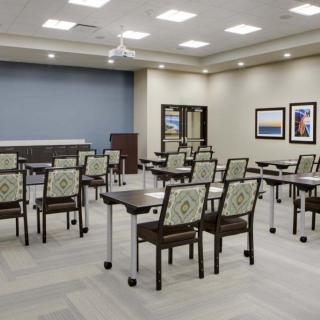
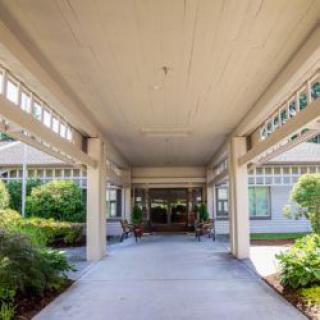
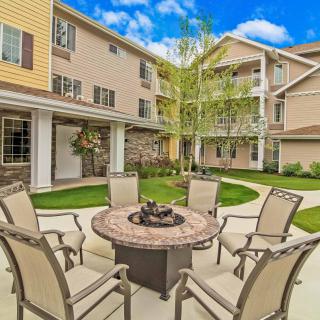
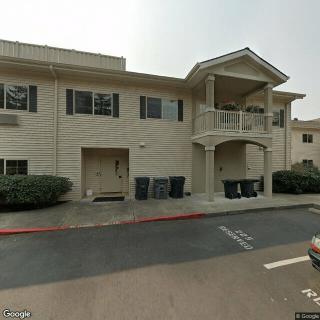
 Specialized memory care with comprehensive services, accessible ground-floor units, and on-site amenities plus varied dining and activities.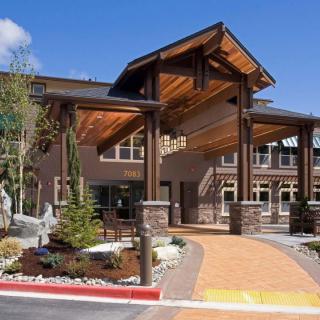
 Illuminating Insights About Alzheimer's Disease: Ten Crucial Realities
 A Thorough Discussion of Medications Potentially Linked to Dementia Risk
 Why Do Dementia Patients Sleep So Much? Understanding Oversleeping, Stages, and Care Approaches