4340 Borgen Boulevard, Gig Harbor, WA 98332
To contact a resident: (253) 432-6478
For more information about senior living options: (866) 208-4318
Penrose Harbor at Heron's Key Costs & Pricing
Penrose Harbor at Heron's Key offers competitive pricing in comparison to the broader market, particularly for its one-bedroom units. At $4,305 per month, the cost is slightly below Pierce County's average of $4,456 and Washington state's average of $4,632. However, when looking at studio apartments, Penrose Harbor presents a notable deviation; priced at $7,332, it significantly exceeds both Pierce County's average of $4,039 and the state average of $4,126. This disparity suggests that while one-bedroom residents may find better value at Penrose Harbor, those considering studio options should weigh the unique amenities and services offered against higher costs.
| Floor plans | Penrose Harbor at Heron's Key | Pierce County | Washington |
|---|---|---|---|
| 1 Bedroom | $4,305 | $4,456 | $4,634 |
| Studio | $7,332 | $4,039 | $4,128 |
Memory care communities with a similar price nearby
-
from -$305 / mo

Riverton Home Care
$4,000 to $5,000 / month17.0 miles away -
from -$305 / mo
Gentle Care Home
$4,000 to $5,500 / month23.1 miles away -
from -$805 / mo

Twin Lakes Haven Adult Family Home
$3,500 to $8,000 / month10.8 miles away -
from -$805 / mo
Ahadi Care Adult Family Home
$3,500 to $4,000 / month20.4 miles away -
from +$695 / mo
Peace and Pleasant Care Adult Family Home II
$5,000 to $6,000 / month16.0 miles away
Overall Review of Penrose Harbor at Heron's Key
Pros
 The facility earns high praise for amazing staff, cleanliness, and attentive patient care.
- An ER nurse would confidently send a family member there for rehab services.
- Barbie and Catherine are thanked for taking such good care of a resident’s father.
- The staff are described as marvelous, caring, and considerate.
- The Penrose Harbor facility is almost brand new with clean, comfortable private rooms.
- The staff are professional, friendly, and engaging, offering a holistic plan of care.
- The physical therapy program is well matched in intensity, helping patients go home in about a week.
- The facility is highly recommended for rehabilitation services.
- The care team provides around-the-clock nursing, comprehensive PT/OT, and a supportive, uplifting environment.
Cons
Review
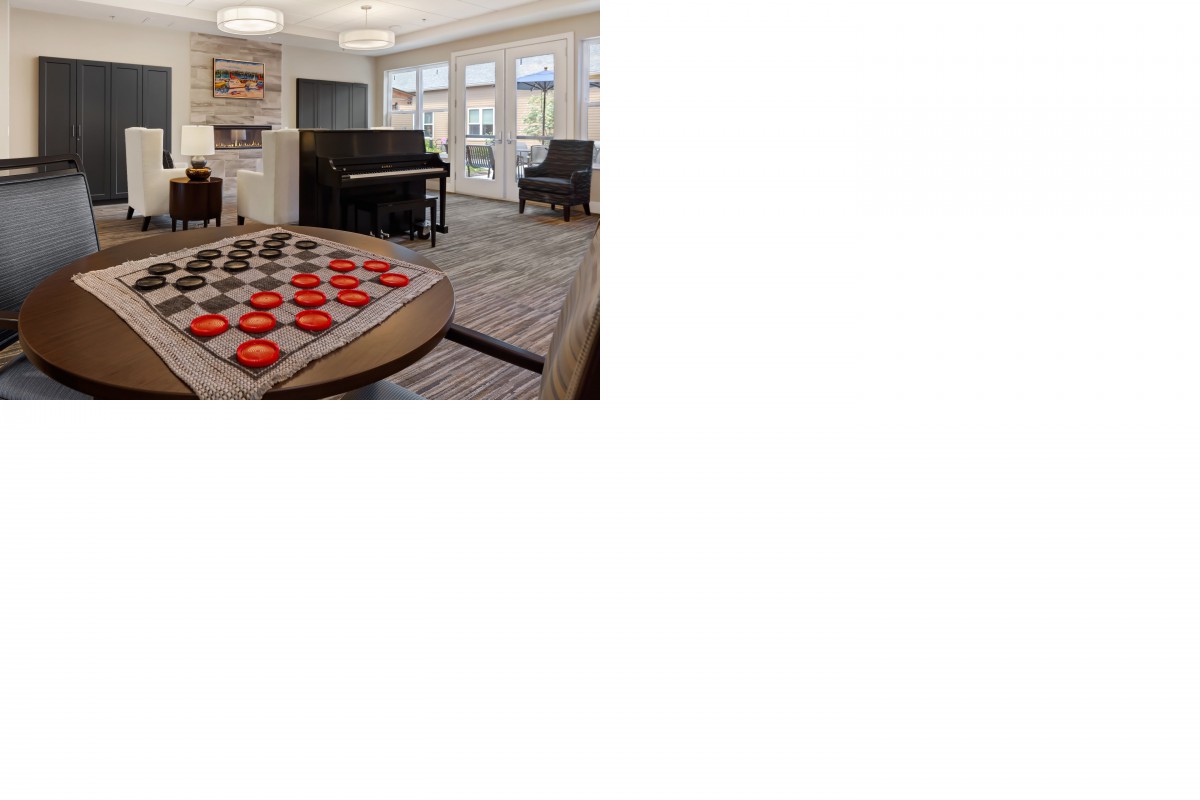
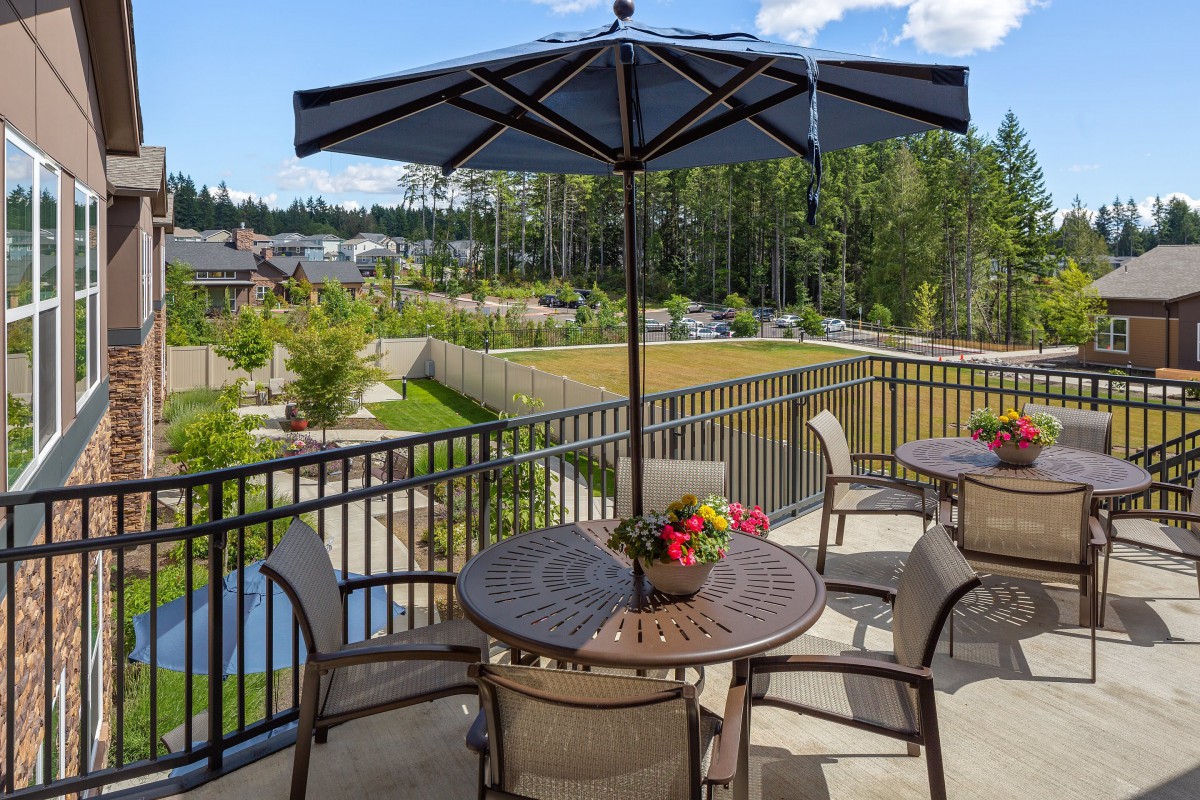
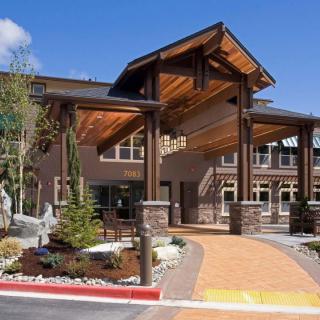
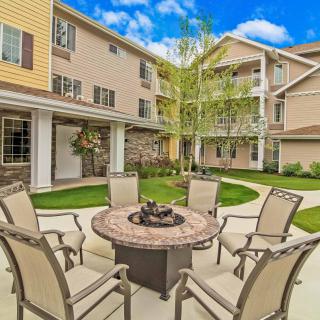
Penrose Harbor at Heron's Key in Gig Harbor is best suited for seniors who require skilled nursing and intensive rehabilitation, especially after surgeries or serious medical events. The campus blends hospital-grade rehab resources with assisted living amenities, delivered in a modern, hotel-like setting. Private rooms, on-site therapy gyms, and a staff that operates with a high degree of professionalism make it a compelling option for families who prioritize aggressive recovery timelines and clear medical oversight. This is not a light-duty independent living community; it is a continuum that supports complex recovery and then transitions residents into a comfortable living arrangement as they regain capability.
Key strengths include a consistently attentive staff, 24/7 nursing support, and a robust rehabilitation program. Reviewers repeatedly highlight remarkable tenderness, responsiveness, and the ability to push patients to meaningful gains, with therapy delivered in a structured, thrice-daily pattern when appropriate. The private rooms and clean, well-kept environment set a standard that reduces stress during recovery. Meals are described as fresh and well-prepared, contributing to overall wellness. The combination of physical, occupational, and speech therapy, guided by the medical director, provides a cohesive plan of care that translates into tangible progress and earlier discharge when goals are met.
These clinical strengths offset potential drawbacks that would deter a different setting. The campus is relatively new (opened about a year ago), which can raise questions about long-standing culture or traditional routines. Yet the modern design, holistic therapy approach, and hands-on, team-based care create a sense of continuity and trust that often exceeds expectations in newer facilities. Patients report feeling treated like family, and the emphasis on individualized therapy plans helps residents regain independence efficiently. The consistent availability of skilled staff and the ability to tailor therapy to mobility, swallowing issues, and activities of daily living makes the newer status largely irrelevant for most families.
Alternatives are worth considering for families whose priorities lie elsewhere. If the goal centers more on memory care options, a community with a deeper specialization in dementia care or a longer-established track record might be preferable. For families who need less intensive rehab or a lower-cost option, a community with simpler services or a smaller footprint could be a better fit. Those seeking a stronger social calendar or more extensive on-site programming beyond rehab and medical care might also look at larger campuses with more diversified activity options. In short, Penrose Harbor shines for rehab-first needs; others should compare with established, memory-focused or cost-competitive peers.
Resident experiences underscore a culture of compassion and competence. The staff’s professional yet genuinely caring demeanor shows in every interaction, from nurses and CNAs to therapy specialists. The dedicated therapy team, physical, occupational, and speech, works closely with residents, often achieving goals once thought unlikely, such as standing with a walker shortly after admission or returning home after extended SNF stays. The environment’s cleanliness, safety, and attention to detail are repeatedly praised, as is the sense that clinicians and aides collaborate to support medical needs and daily living tasks. For families navigating complex recoveries or chronic conditions, this is the kind of place where expertise translates into real, felt progress.
Bottom line: for seniors needing skilled nursing and rehab with a front-row focus on therapy intensity, outcome-driven care, and a welcoming, well-maintained setting, Penrose Harbor at Heron's Key is a strong option. Its strongest appeal, the combination of private rooms, modern facilities, proactive therapy teams, and responsive staff, creates a path to meaningful recovery and smoother transitions to independent living or less intensive care. Those weighing alternatives should screen for established memory-care specialization, cost structures, and the long-term stability of caregiving teams. In all cases, due diligence, visiting, observing therapy sessions, evaluating discharge planning, and confirming always-available nursing support, will confirm that this community matches the family’s expectations for safety, progress, and peace of mind.
 Assisted Living
 Memory Care
 Cats allowed
 Dogs allowed
 Activities off-site
 Air-conditioning
 Beautician on-site
 Cable or satellite TV
 Devotional services off-site
 Ground floor units
 Handicap accessible
 Indoor common areas
 Kitchenette
 Outdoor common areas
 Respite or short term stays offered
 Wheelchair accessible showers
 Wi-Fi/high-speed internet available
 Seattle-Tacoma International (15 miles away)
 Ambulatory care
 Diabetic care
 Incontinence care
 Medication management
 Gluten-free
 Art classes
 Bible study group
 Cooking classes
 Jewish services
 Five Subtle Dementia Indicators to Observe: An In-Depth Guide to Understanding “Does My Mom Have Dementia?”
 Dementia, Paranoia, and Caregiver Guidance: Understanding the Connection
 Engaging Memory Care Activities That Enhance Quality of Life